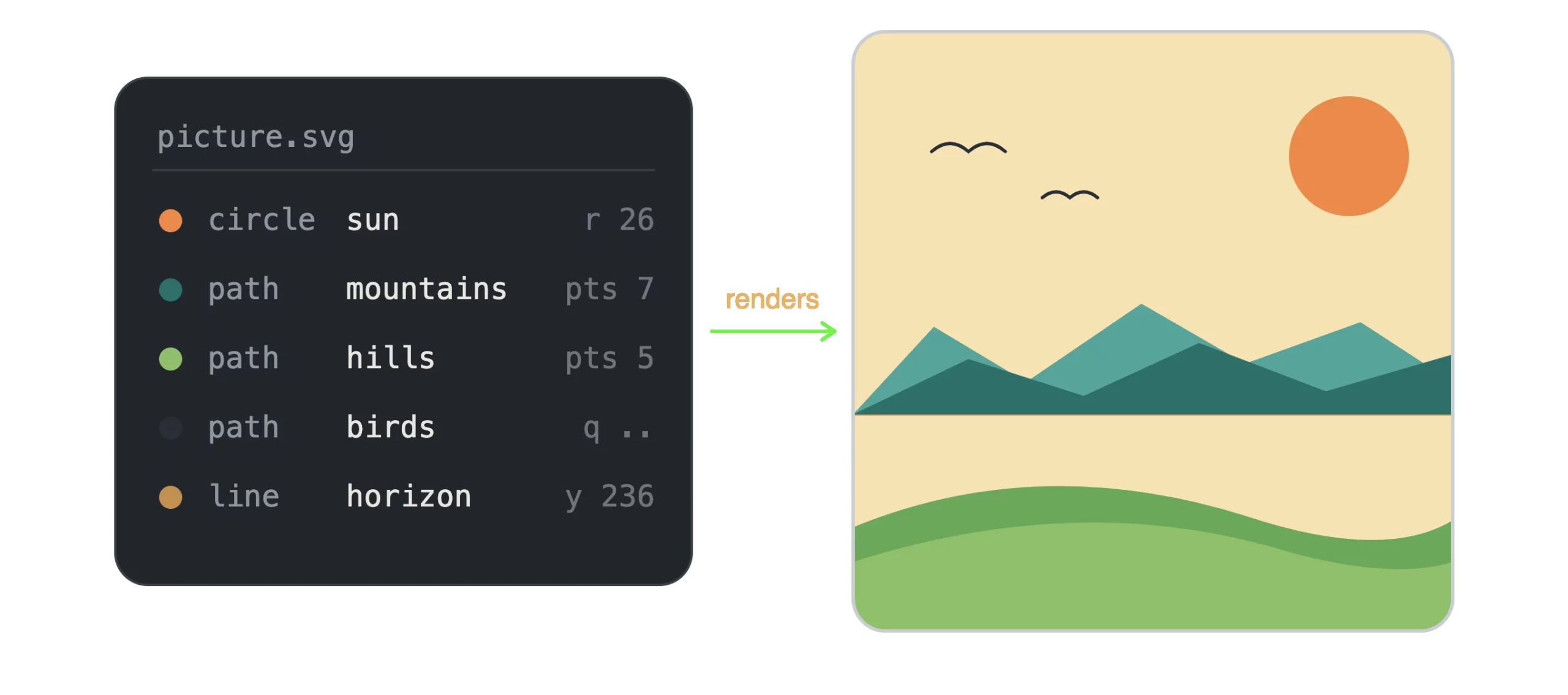
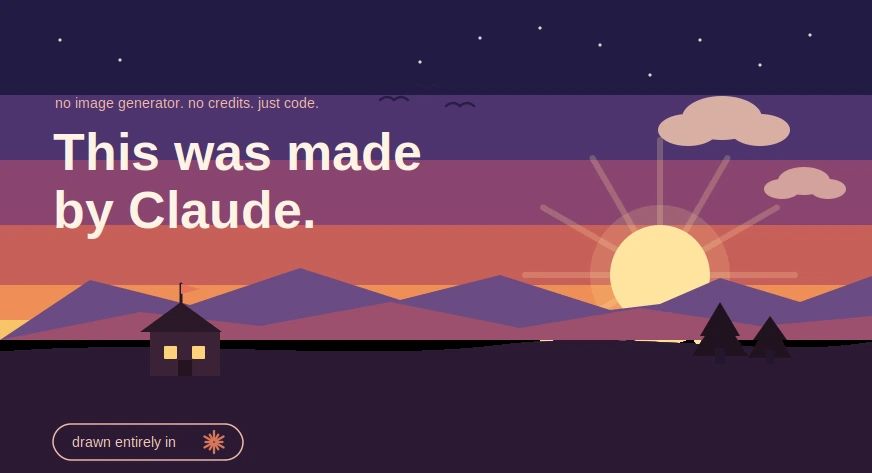
The prevailing narrative in the artificial intelligence sector has long maintained that Anthropic’s Claude models, while superior in reasoning and coding, lack the native image-generation capabilities found in competitors like OpenAI’s DALL-E 3 or Google’s Gemini. While it is technically accurate that Claude does not utilize a latent diffusion model to generate pixel-based raster images, this assessment overlooks a sophisticated visual capability: the generation of Scalable Vector Graphics (SVG) via code. By leveraging its advanced programming proficiency, Claude has emerged as a formidable tool for creating sharp, editable, and mathematically precise illustrations that challenge the traditional boundaries of AI-assisted design.
The Mechanism of Code-Based Illustration
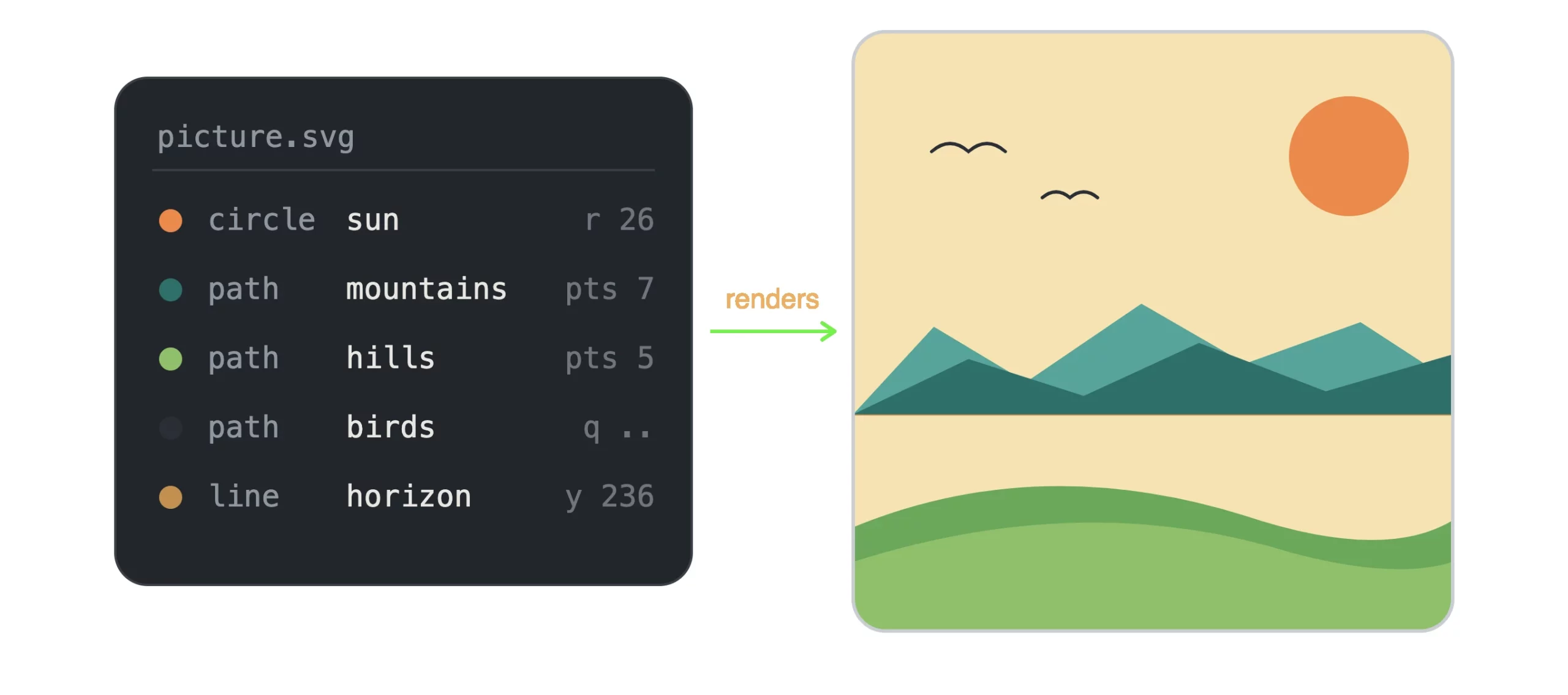
Unlike traditional AI image generators that predict the placement of millions of colored pixels to create a photograph, Claude generates visuals by writing SVG code. An SVG is essentially a set of instructions—a recipe that tells a computer exactly where to place lines, curves, shapes, and colors using a coordinate system. When a user asks Claude for a visual, the model utilizes its “Artifacts” UI feature to render this code in real-time, producing a clean graphic that can be scaled to any size without losing resolution.
The distinction between raster graphics (pixels) and vector graphics (coordinates) is fundamental to professional design. Raster images, such as those produced by Midjourney, become blurry or “pixelated” when enlarged. Vector images, because they are based on mathematical formulas, remain “razor-sharp” whether they are displayed on a small smartphone screen or a massive billboard. This technical nuance positions Claude not as a rival to digital painters, but as an automated assistant for graphic designers, web developers, and technical illustrators.

Chronology of Claude’s Visual Evolution
The ability to generate visuals via SVG became a prominent feature of the Claude ecosystem following a series of strategic updates by Anthropic.
- March 2024: The Launch of Claude 3: While the Claude 3 family (Haiku, Sonnet, and Opus) introduced vision capabilities—the ability to “see” and interpret uploaded images—it did not yet have a dedicated interface for displaying generated code as live visuals.
- June 20, 2024: The Introduction of Claude 3.5 Sonnet and Artifacts: This marked the turning point. Anthropic launched Claude 3.5 Sonnet alongside “Artifacts,” a dedicated side-window that allows users to view, edit, and iterate on code, documents, and SVGs in real-time.
- Late 2024: Community Adoption: Following the launch of Artifacts, the developer community began experimenting with Claude’s ability to generate complex animations, interactive dashboards, and intricate vector art, realizing that the model’s high-level reasoning allowed it to understand spatial relationships better than previous LLMs.
Analyzing the Functional Range of SVG Art
The range of visual outputs Claude can produce is specifically suited for corporate, editorial, and technical environments. Through a series of standardized prompts, users have identified five key areas where Claude’s SVG capabilities excel:
1. Minimalist Line Art
For blog headers and section breaks, Claude can produce single-weight line art. By specifying parameters such as “no fill” and “rounded ends,” users can generate clean, professional illustrations of everyday objects—like a potted plant or a desk lamp—that mimic the style of modern editorial graphics.
2. Isometric Technical Drawings
Isometric projection is a method for visually representing three-dimensional objects in two dimensions. Because this style relies on consistent 30-degree angles and mathematical shading, Claude’s coding engine can execute it with high precision. This is particularly useful for “how-it-works” graphics and architectural simplified models.

3. Systematic Icon Sets
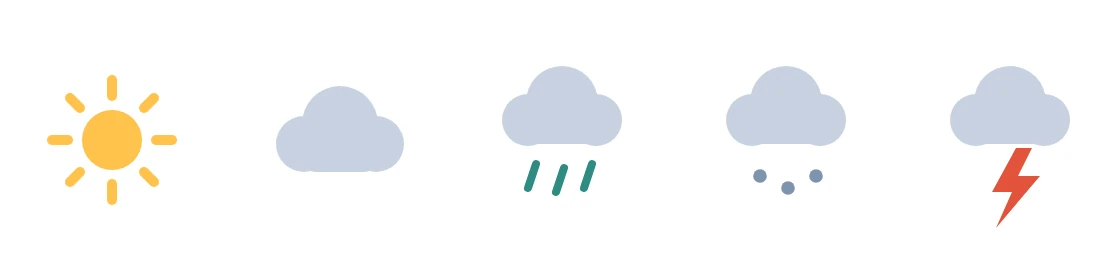
One of the most significant challenges in design is maintaining stylistic consistency across a set of icons. When prompted to create a weather icon set (sun, cloud, rain, etc.), Claude applies the same stroke weights and border radii to every element, ensuring a cohesive visual language that would typically require hours of manual adjustment in Adobe Illustrator.
4. Dynamic Data Visualization
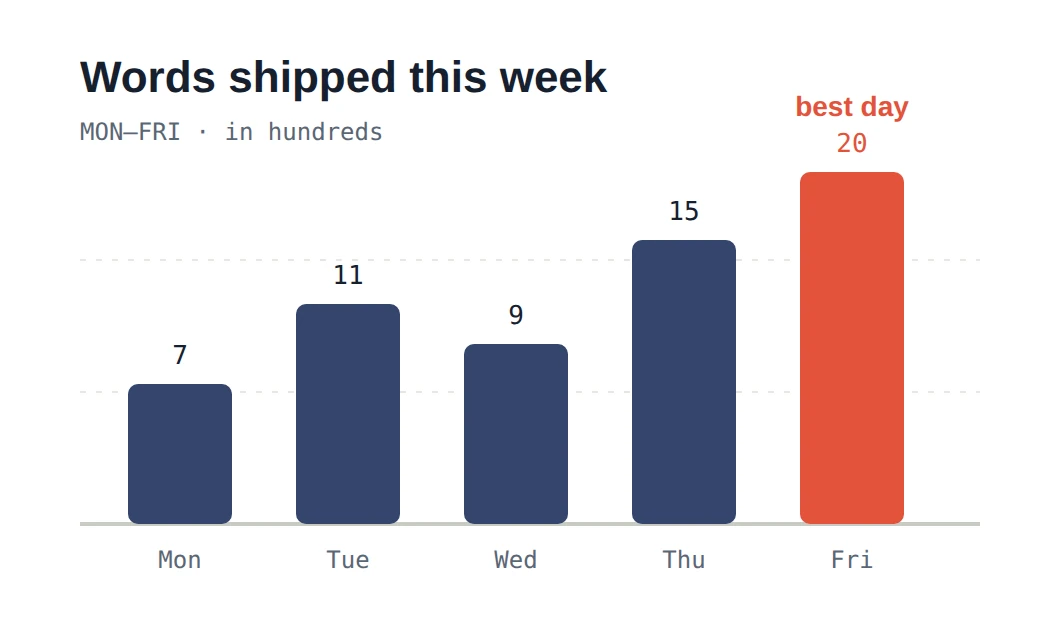
Claude bridges the gap between data analysis and design. By inputting raw numbers, users can instruct the model to “turn this into a clean bar chart” or a “circular progress indicator.” The resulting SVG is not just a static image but a precise representation of the data, complete with labels and highlights for key data points.

5. Flat Character Illustration
While Claude cannot render a realistic human face, it is highly capable of creating “flat style” characters. Using simple geometric shapes—circles for heads, triangles for ears—it can construct charming, brand-friendly illustrations of animals or stylized human figures.
The Steering Advantage: A New Paradigm in Editing
The most significant advantage Claude holds over traditional image generators is what industry experts call “steerability.” In a diffusion model like Midjourney, if a user likes a generated image but wants to change one small detail, they often have to “re-roll” the entire prompt, which frequently results in a completely different image.
With Claude, the interaction is additive and surgical. Because the image is code, Claude can edit specific lines of that code without touching the rest. If a user generates a coral-colored mug and then asks to “add steam” or “add polka dots,” Claude simply adds those specific SVG elements to the existing script. The base object—the mug—remains identical in shape and perspective. This allows for a conversational design process where the user acts as a creative director, refining a single asset through successive iterations.
Market Implications and Professional Feedback
The reaction from the design and development community has been one of cautious optimism. Web developers, in particular, have praised the feature for its “zero-latency” workflow. An SVG generated by Claude can be copied as code and pasted directly into a website’s HTML, eliminating the need for hosting image files or dealing with compression artifacts.
“It’s not going to replace a senior brand designer,” noted one tech analyst during a recent AI symposium. “But for a developer who needs a ‘Settings’ icon or a ‘Success’ checkmark right now, Claude is faster and more integrated than searching through a stock library.”
However, there are clear limitations. Claude’s SVG engine struggles with:

- Organic Textures: It cannot replicate the look of oil paint, charcoal, or skin.
- High Complexity: Extremely intricate SVGs with thousands of paths can slow down browser rendering or cause the model to lose track of the spatial logic.
- Photorealism: The technology is fundamentally incapable of producing a photograph.
Comparative Analysis: Claude vs. The Giants
| Feature | Claude (SVG) | DALL-E 3 / Midjourney |
|---|---|---|
| Format | Vector (Code) | Raster (Pixels) |
| Scalability | Infinite without quality loss | Limited by resolution |
| Editability | High (Change code strings) | Low (Requires re-generation) |
| Style | Graphic, Flat, Minimalist | Photorealistic, Painterly, 3D |
| Integration | Direct HTML/CSS copy-paste | Requires file download/upload |
Strategic Recommendations for Users
To achieve professional-grade results with Claude’s visual engine, users should adopt a “specification-first” prompting style. Rather than asking for a “cool picture,” effective prompts include:
- Style Keywords: Use terms like “flat vector,” “isometric,” “minimalist,” or “single-line.”
- Technical Constraints: Specify “SVG format,” “stroke weight of 2px,” or “hex code #FF5733.”
- Iterative Requests: Start with a basic shape and add complexity in subsequent messages to ensure the model maintains the integrity of the design.
Conclusion: The Future of Generative Design
The ability of Claude to “draw” through code represents a shift in how we perceive generative AI. It suggests that the future of AI design may not just be about larger models and more pixels, but about smarter models that understand the underlying structure of visual information. By focusing on SVGs, Anthropic has carved out a niche that serves the needs of the functional web—prioritizing clarity, speed, and editability over raw visual spectacle.

For the modern professional, the takeaway is clear: Claude may not be a painter, but it is a master draftsman. For a vast majority of daily visual tasks—the charts for a Monday morning presentation, the icons for a new app, or the illustrations for a technical manual—Claude’s code-based approach is not just a workaround; it is arguably the superior tool. As Anthropic continues to refine its models, the line between “coding” and “designing” will likely continue to blur, making vector-based AI generation a staple of the digital creator’s toolkit.