


The conversion rate optimization (CRO) landscape is undergoing a fundamental shift as practitioners move away from isolated tactical testing toward a holistic “revenue operations” approach. Carlos Neto, a prominent B2B growth strategist based in Brazil, has emerged as a leading voice in this transition. In the latest installment of the CRO Perspectives series, Neto details a methodology that challenges the traditional boundaries between marketing, sales, and product teams. His approach, which emphasizes the integration of paid media, on-site optimization, and post-conversion follow-up, provides a blueprint for B2B organizations seeking to move beyond vanity metrics and toward predictable revenue growth.
The Core Methodology: Identifying Friction Through Triangulation
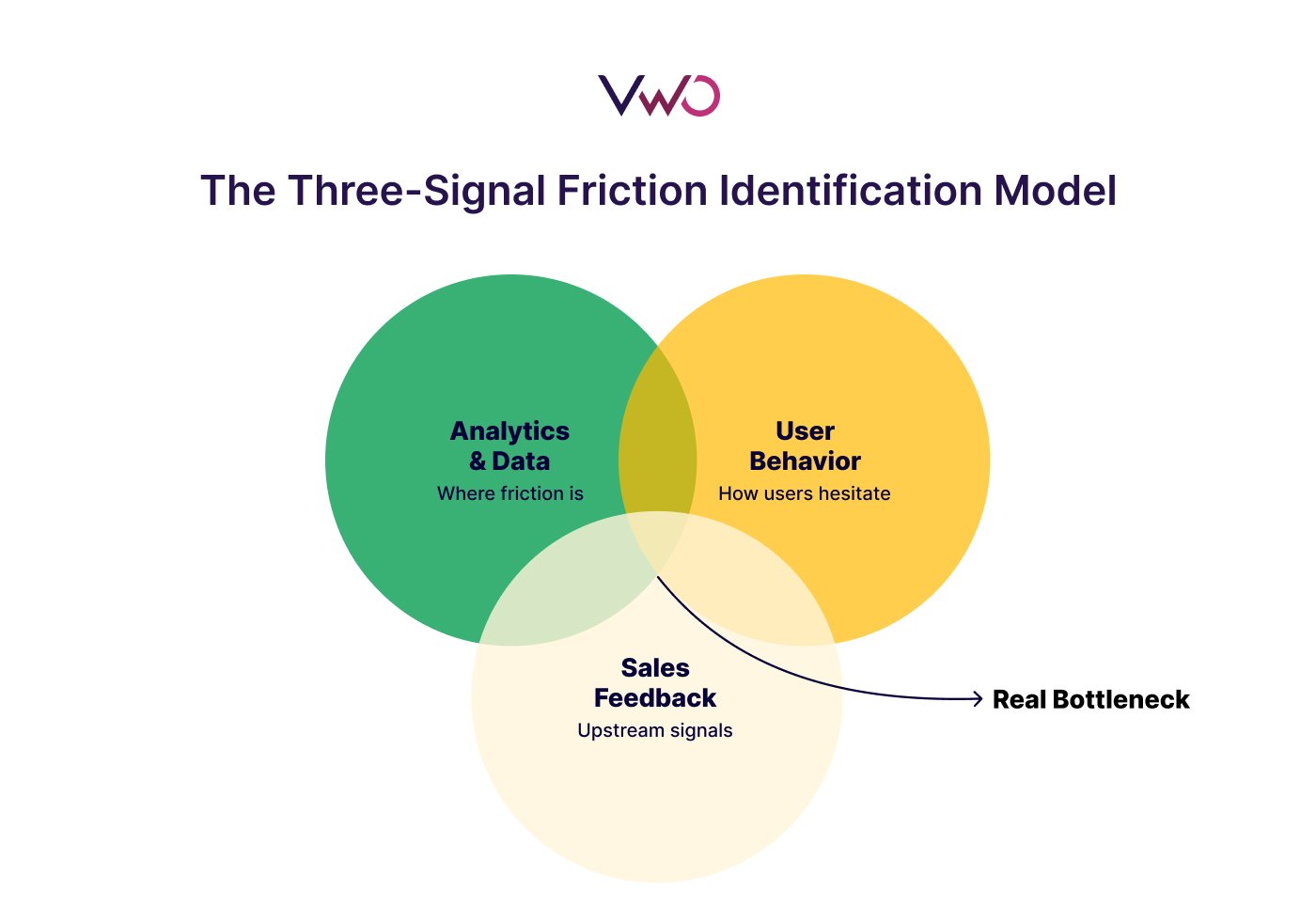
Neto’s strategic framework is built on the premise that friction within a B2B funnel cannot be identified through a single data point. Instead, he utilizes a “Three-Signal Friction Identification Model” that triangulates insights from three distinct sources: quantitative data, user behavior, and sales feedback.
On the analytics front, Neto advocates for an account-level view of the funnel. Unlike B2C environments where individual transactions occur rapidly, B2B cycles involve multiple stakeholders and extended timelines. By mapping the end-to-end funnel, strategists can identify conversion bottlenecks between stages and analyze the time elapsed between a lead’s initial entry and their progression to a qualified opportunity.

However, Neto argues that quantitative data only identifies the “where” of friction, not the “why.” To address the underlying causes, he employs qualitative analysis through heatmaps, session recordings, and navigation analysis. These tools reveal user hesitation, high form abandonment rates, and instances where the marketing promise fails to align with the page’s actual content.
The third pillar of this model is direct sales feedback. Neto identifies recurring objections, low “show rates” for demos, and out-of-profile leads as critical signals that a problem exists further upstream in the acquisition process. When these three signals—data patterns, behavioral cues, and sales anecdotes—intersect, growth teams can prioritize experiments with a high degree of confidence in their potential impact on the pipeline.
The Chronology of Experimentation: From Ad Click to Closed-Won
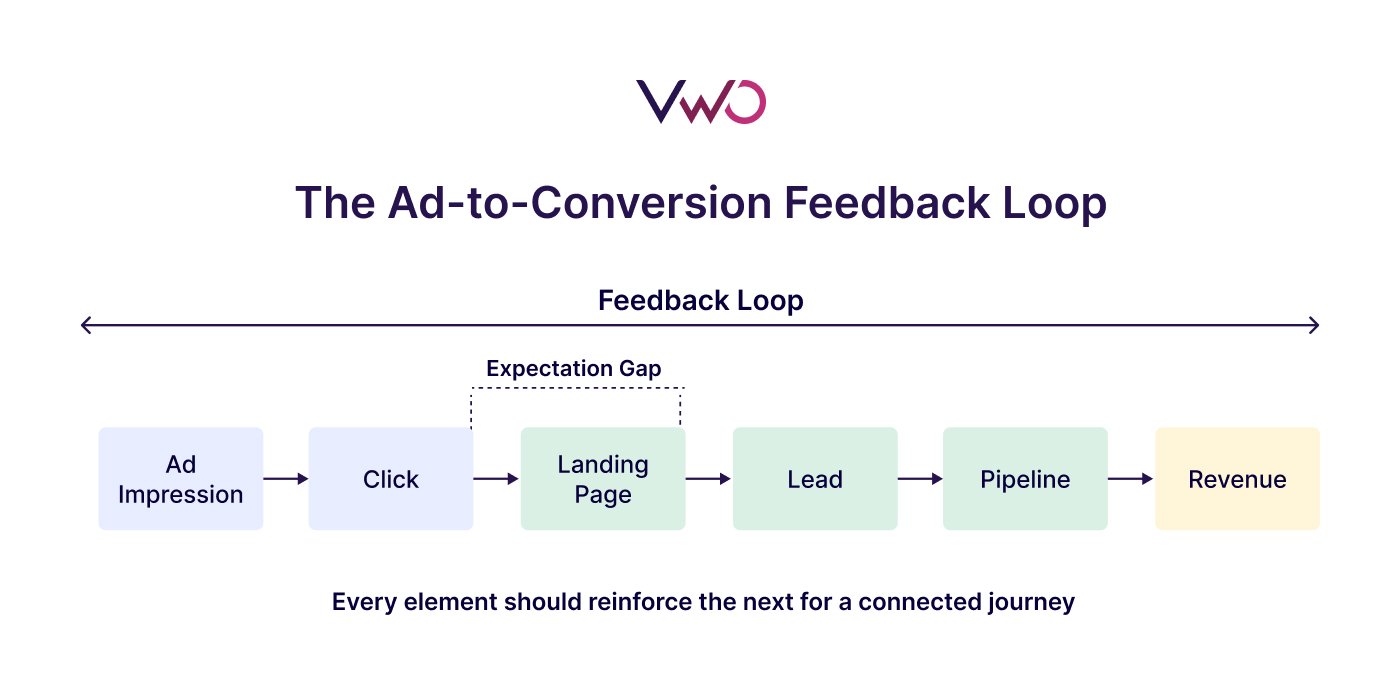
A central theme of Neto’s philosophy is the rejection of the landing page as the starting point for CRO. He posits that the optimization process begins the moment a prospect encounters an advertisement. This “One-System” approach integrates paid media and on-site optimization into a single feedback loop.
In this model, campaigns serve as a hypothesis engine. Metrics such as Click-Through Rate (CTR) and Cost Per Click (CPC) are treated as early indicators of message resonance. However, the true value is determined by tracking behavior post-click. Neto identifies a common “expectation gap” where an ad performs well in terms of engagement but fails to convert on the site. This discrepancy usually indicates that the ad’s value proposition was not effectively mirrored or fulfilled by the landing page.

Conversely, if on-site behavior is strong but media performance is weak, the issue typically lies in the audience segmentation or the creative execution. By maintaining full traceability through UTM parameters and CRM integration, growth teams can ensure that media insights reshape page structures, while site behavior informs creative and segmentation adjustments.
Extending Experimentation Past the Lead Generation Phase
Perhaps the most disruptive element of Neto’s strategy is his insistence on extending experimentation into the “second half of the funnel.” Traditionally, marketing teams consider their job complete once a lead is captured. Neto argues that this hand-off is where the highest-leverage opportunities are often lost.
Industry data suggests that in B2B SaaS, the average conversion rate from a marketing-qualified lead (MQL) to a sales-qualified opportunity is often below 20%. Neto points out that the friction in this stage is rarely related to the landing page. Instead, it involves response times, the phrasing of initial outreach messages, and the frequency of follow-up touches across various channels.
By applying A/B testing to sales sequences and trial onboarding processes, organizations can significantly improve their “Sales Velocity.” For instance, simplifying the initial setup for a software trial or adjusting the automated communication sequence during the first 48 hours can have a compounding effect on revenue that exceeds the impact of increasing top-of-funnel traffic.
Structural Challenges in B2B Experimentation
The B2B sector faces unique structural hurdles that Neto believes are often overlooked. One of the primary issues is the “time mismatch.” While a marketing team can gather data on a landing page test within days, the signal that truly matters—whether that lead converts to revenue—may take months to surface.
This delay often leads teams into the “efficiency trap.” In this scenario, a campaign may show improving metrics, such as a lower Cost Per Lead (CPL), creating a false sense of success. Meanwhile, the actual quality of the pipeline may be deteriorating because the optimization was based on volume rather than value. To combat this, Neto insists that the CRM must be the center of prioritization. When pipeline progression becomes the primary optimization target, the decision-making process shifts from chasing “feel-good” metrics to pursuing those that compound over time.
The Role of Artificial Intelligence and Human Judgment
As Artificial Intelligence (AI) becomes more integrated into marketing workflows, Neto offers a cautionary perspective on its application. While AI excels at execution velocity—generating copy variations, recognizing patterns in large datasets, and accelerating exploratory data analysis—it lacks the business context required for high-level judgment.
Neto suggests a clear division of labor: AI should handle the “how” of execution, while humans maintain control over the “what” and “why.” The risk of AI-driven CRO is the production of “noise at scale.” Without rigorous human filtering, teams may run a high volume of tests that result in inconclusive data, mistaking activity for actual learning.
Neto argues that a “winning” test is only valuable if the team can explain why it happened. If the “why” cannot be answered, the result is merely a signal that requires further testing, rather than a piece of institutional knowledge.
Broader Impact and Industry Implications
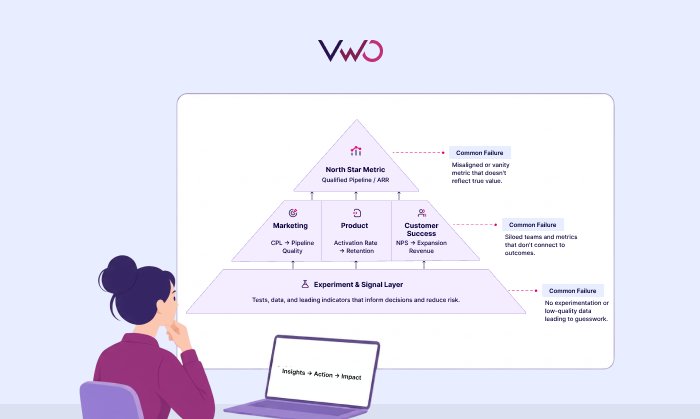
The implications of Neto’s “Growth Specialist” approach extend to how companies structure their teams and measure success. He advocates for a layered metrics architecture. This involves a single “North Star” metric (such as qualified pipeline or recurring revenue) to create strategic alignment, supported by operational metrics for each function that are explicitly mapped to that North Star.
When this architecture is implemented correctly, it fosters cross-functional influence. Experimentation is no longer a siloed marketing activity; it becomes a mechanism for sales teams to refine their conversations and for product teams to rethink user activation.
Industry analysts note that this shift toward “Experimentation Maturity” is a hallmark of high-growth organizations. By documenting every experiment—including the hypothesis, context, results, and learnings—companies build a repository of institutional memory that prevents the waste of resources on retesting failed concepts.
Conclusion: Experimentation as Decision-Making Infrastructure
Carlos Neto’s perspective represents a maturation of the growth marketing discipline. By refusing to let experimentation stop where traditional marketing accountability ends, he highlights the vast opportunities available in the gaps between departments.
The move from ad-hoc testing to a repeatable system requires more than just tools; it requires a cultural shift toward transparency and data-driven decision-making. As B2B sales cycles become increasingly complex and buyer trust becomes harder to earn, the ability to systematically reduce uncertainty through experimentation will become a primary competitive advantage.
For organizations looking to implement these strategies, the message is clear: the goal of CRO is not merely to increase the number of clicks or leads, but to build a perception asset and a conversion engine that compounds over time. By treating the entire buyer journey as a single, testable system, businesses can move toward a model of growth that is not only faster but significantly more predictable.







