

The modern digital marketplace operates on a paradox where businesses possess more quantitative data than ever before while simultaneously struggling to understand the underlying motivations of their consumers. While analytics platforms such as Google Analytics 4 or Adobe Analytics provide a comprehensive “what” regarding user behavior—identifying where users drop off, which pages have high bounce rates, and where checkout abandonment occurs—they inherently lack the capacity to explain the “why.” This gap in consumer intelligence has led to the rise of strategic customer feedback surveys as a primary tool for conversion rate optimization (CRO). By deploying targeted inquiries at critical friction points, organizations can transform anecdotal feedback into actionable business intelligence, effectively bridging the divide between user intent and final transaction.
The Evolution of Consumer Feedback in Digital Commerce
Historically, businesses relied on broad, annual satisfaction surveys to gauge market sentiment. However, the rapid acceleration of e-commerce and Software-as-a-Service (SaaS) models has rendered these delayed metrics obsolete. Today’s CRO landscape demands real-time, “in-the-moment” feedback. This shift marks a transition from general sentiment analysis to surgical diagnostics. Industry experts note that the most effective surveys are no longer perceived as interruptions but as contextual touchpoints that appear when a user demonstrates a specific behavior, such as hesitating on a pricing page or attempting to exit a checkout flow.
Analyzing Product Page Friction and Intent Gaps
The product page serves as the primary battleground for consumer intent. Recent data from the Baymard Institute reveals a significant crisis in user experience (UX) design, finding that 52% of desktop sites and 62% of mobile sites possess “mediocre” or poor product page UX. When a shopper navigates a product page but fails to add an item to their cart, the failure is rarely a lack of interest; rather, it is typically a failure of information.
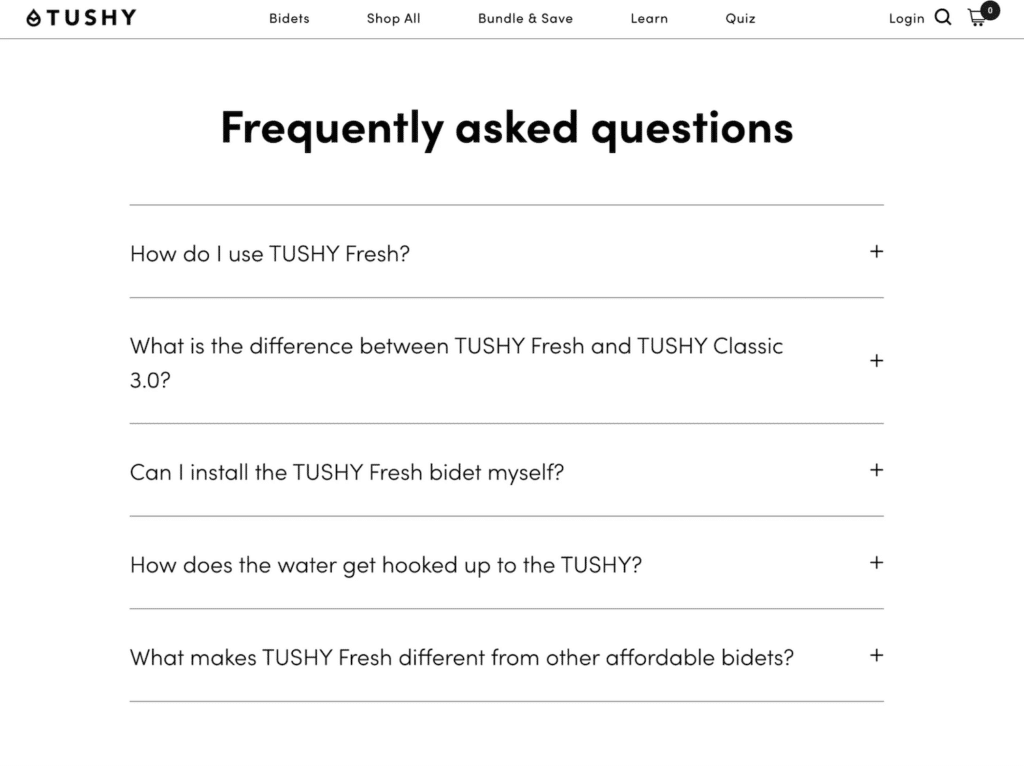
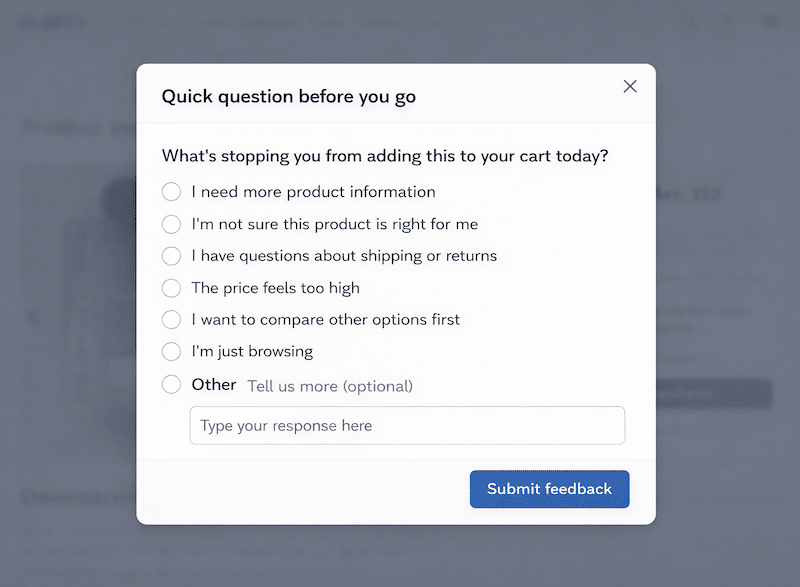
Market analysis identifies five primary barriers to the “Add to Cart” action: lack of specific product information, concerns regarding compatibility or fit, uncertainty about shipping timelines, price sensitivity, and distrust in the brand’s return policy. Brands like TUSHY have mitigated these issues by integrating frequently asked questions (FAQ) directly into the product narrative, but for most retailers, the specific barrier remains a mystery until a survey is deployed.
A high-performing diagnostic question in this context—”What is stopping you from adding this to your cart today?”—allows retailers to categorize friction. If the majority of respondents cite “uncertainty about fit,” the business knows to prioritize size guides or augmented reality (AR) try-on tools. This data-driven approach moves the development roadmap away from guesswork and toward evidenced-based UX improvements.
The Psychology of Checkout Abandonment
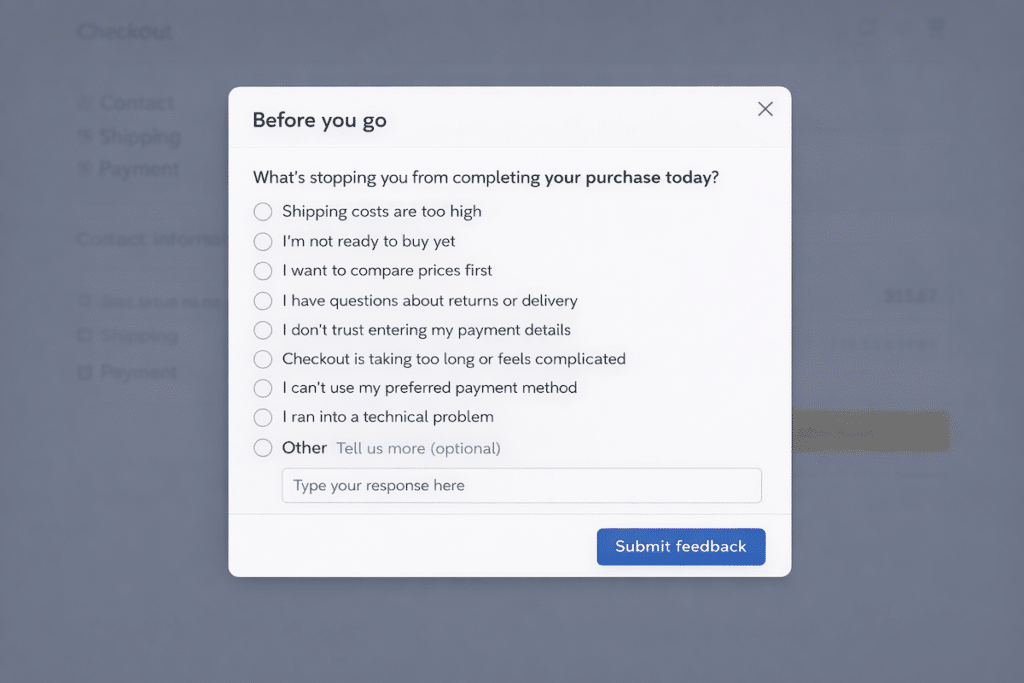
Checkout abandonment remains one of the most significant drains on digital revenue, with the Baymard Institute reporting an average abandonment rate of 70.19% across the industry. This stage of the funnel represents a high-intent user who has already performed the cognitive labor of selection, yet chooses to retreat at the final hurdle.
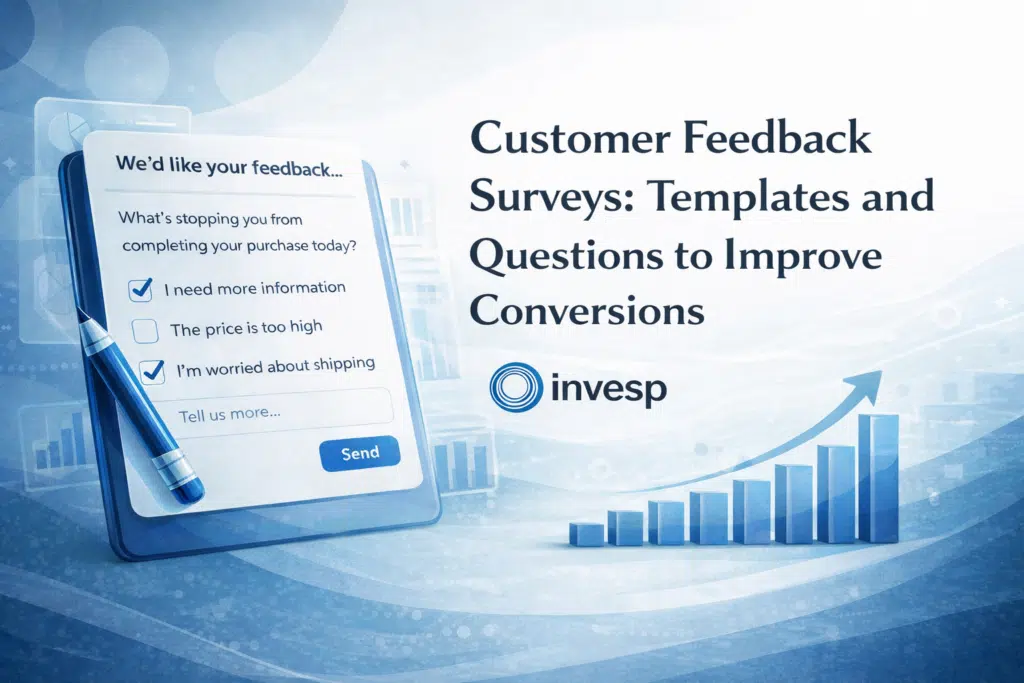
The causes of this drop-off are often structural. Research indicates that unexpected costs—primarily shipping, taxes, and fees—are the leading cause of abandonment, followed by the requirement to create an account and overly complex checkout processes. From a journalistic perspective, the “abandonment survey” serves as a post-mortem for lost revenue. By asking, “What’s stopping you from completing your purchase today?” at the moment of exit intent, brands can identify whether the friction is technical (a broken form field) or psychological (fear of data insecurity).
Industry analysts suggest that the transparency of these surveys can actually recover sales. For instance, if a user indicates “shipping costs are too high,” a dynamic survey tool can trigger a one-time shipping discount code, turning a feedback loop into a direct recovery mechanism.
Post-Purchase Attribution and the “Dark Social” Phenomenon
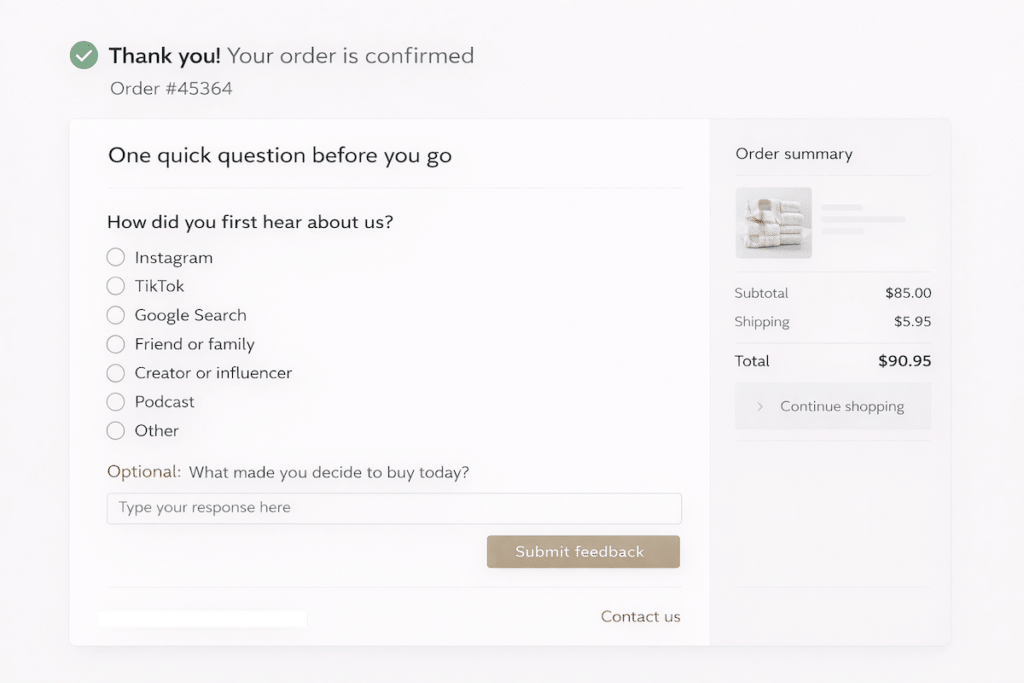
While pre-purchase surveys focus on friction, post-purchase surveys focus on motivation and attribution. As privacy regulations like GDPR and CCPA limit the effectiveness of third-party cookies, traditional digital attribution has become increasingly unreliable. This has given rise to the “Dark Social” phenomenon—conversions that happen through un trackable channels like word-of-mouth, podcasts, or private messaging apps.
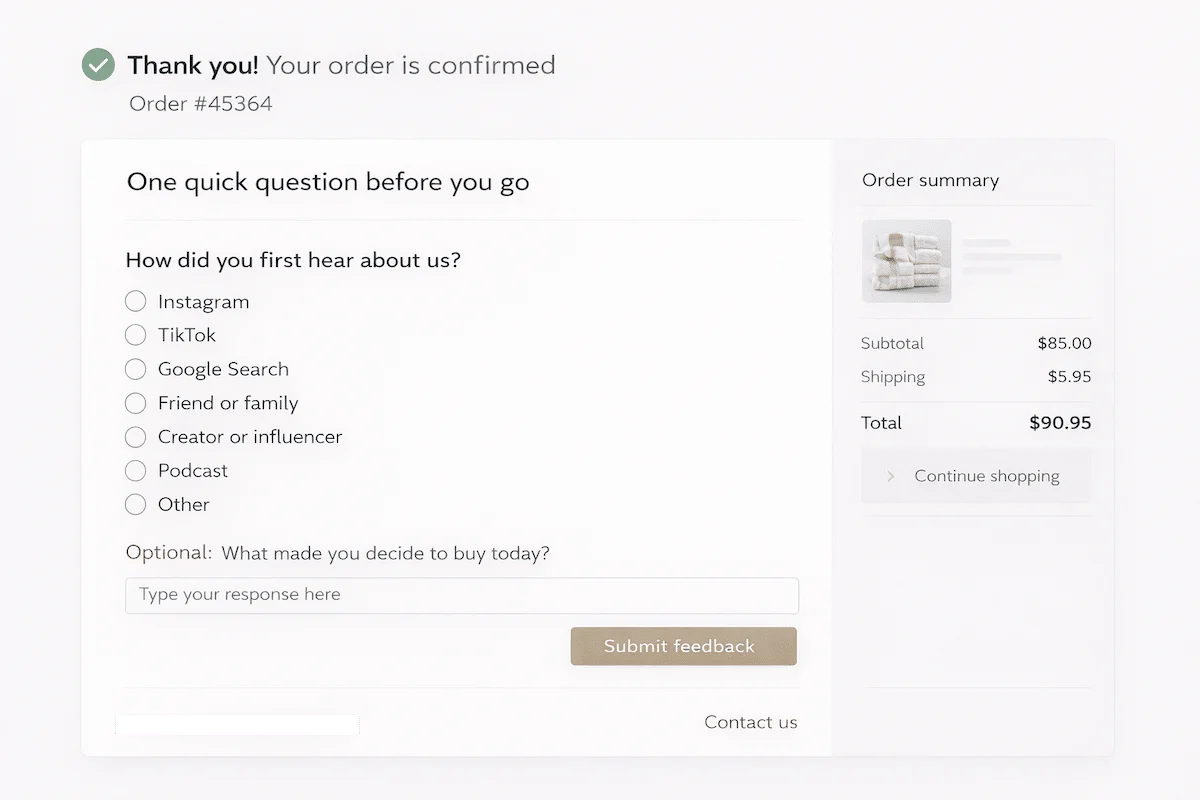
The “How did you first hear about us?” (HDYHAU) survey has become a staple for brands seeking to validate their marketing spend. Case studies, such as that of the brand Weezie, demonstrate that post-purchase surveys can reveal that up to 35% of business originates from word-of-mouth—a metric that would be invisible in a standard Google Analytics dashboard. This information allows Chief Marketing Officers (CMOs) to reallocate budgets toward brand-building activities that do not show an immediate direct-click return but drive significant long-term growth.
SaaS Activation and the 14-Day Retention Crisis
In the SaaS sector, the challenge shifts from a one-time transaction to long-term activation. Data from Amplitude’s product benchmark report highlights a sobering reality: by day 14 of a trial, the median software product retains only 2% of its new users. Even top-tier performers rarely exceed 9%.
This “activation gap” usually occurs because the user fails to reach the “Aha! moment”—the point where the product’s value becomes self-evident. Feedback surveys deployed during the trial phase are designed to diagnose why a user signed up but failed to engage. Common findings include a setup process that is too time-consuming, a lack of perceived value, or a UI that is too complex for the user’s technical proficiency. By identifying these hurdles early, product teams can implement “concierge onboarding” or simplified setup wizards to increase the activation rate, which directly correlates to long-term Customer Lifetime Value (LTV).
The Economic Impact of Returns and Churn
The final stage of the feedback loop concerns the exit: returns, cancellations, and churn. The National Retail Federation (NRF) projected that 16.9% of annual sales would be returned in 2024, with online return rates climbing even higher to nearly 20% in 2025. This represents an $890 billion problem for the retail industry.
Returns are not merely a logistical cost; they are a symptom of an expectation mismatch. Surveys conducted during the return or cancellation process are vital for identifying systemic issues. If a clothing retailer sees a spike in returns for “poor fit,” it indicates a discrepancy between the product photography and the physical item. In the subscription economy, if users cancel citing “too expensive,” it may signal that the product’s perceived value has decoupled from its price point, or that a competitor has entered the market with a more aggressive offer.
Methodological Framework for High-Yield Survey Design
To ensure that customer feedback is statistically significant and actionable, organizations must adhere to a rigorous methodological framework. Expert consensus points to several key principles:
- Specificity Over Breadth: Broad questions like “How was your experience?” yield vague answers. Specific questions like “Is there anything missing from this product description?” yield actionable tasks for the content team.
- Timing and Context: A survey should only appear when a user has had enough time to form an opinion but is still engaged in the task.
- The “Low-Effort” Principle: Using multiple-choice options followed by an optional open-ended text box maximizes response rates. It allows users to provide a quick signal while offering the opportunity for nuance if they choose.
- Actionability: A survey question should only be asked if the business is prepared to act on the answer. Collecting data that cannot influence the product or marketing strategy is an inefficient use of consumer goodwill.
Strategic Implications and Future Outlook
The integration of qualitative feedback into the CRO process marks a maturation of the digital commerce industry. We are moving away from an era of “growth hacking” based on generic best practices and toward an era of “precision optimization” based on direct consumer input.
The broader implications of this shift are profound. Businesses that master the art of the customer feedback loop tend to see not only higher conversion rates but also improved brand loyalty. When a customer sees that their feedback regarding a checkout hurdle or a product flaw has been addressed, it fosters a sense of partnership between the brand and the consumer.
In conclusion, customer feedback surveys are no longer optional “add-ons” for digital businesses; they are essential diagnostic instruments. By systematically identifying why shoppers hesitate, why they abandon, and why they leave, organizations can build more resilient, user-centric experiences that drive sustainable revenue growth in an increasingly competitive global market. The future of conversion optimization lies not in more data, but in better questions.







