The AI Revolution in Search and Brand Discovery
The landscape of online search has undergone a radical transformation. For decades, Search Engine Optimization (SEO) focused on optimizing content for keyword rankings, aiming to secure a coveted spot on Google’s first page. However, the advent and widespread adoption of Large Language Models (LLMs) such as ChatGPT, Google Gemini, Anthropic’s Claude, and Perplexity AI have introduced a new paradigm. These AI tools do not merely list links; they synthesize information from vast datasets and web content to generate concise, curated, and context-aware answers. Users are increasingly turning to these platforms for direct recommendations, treating the AI’s output as personal advice rather than a generic list of search results.
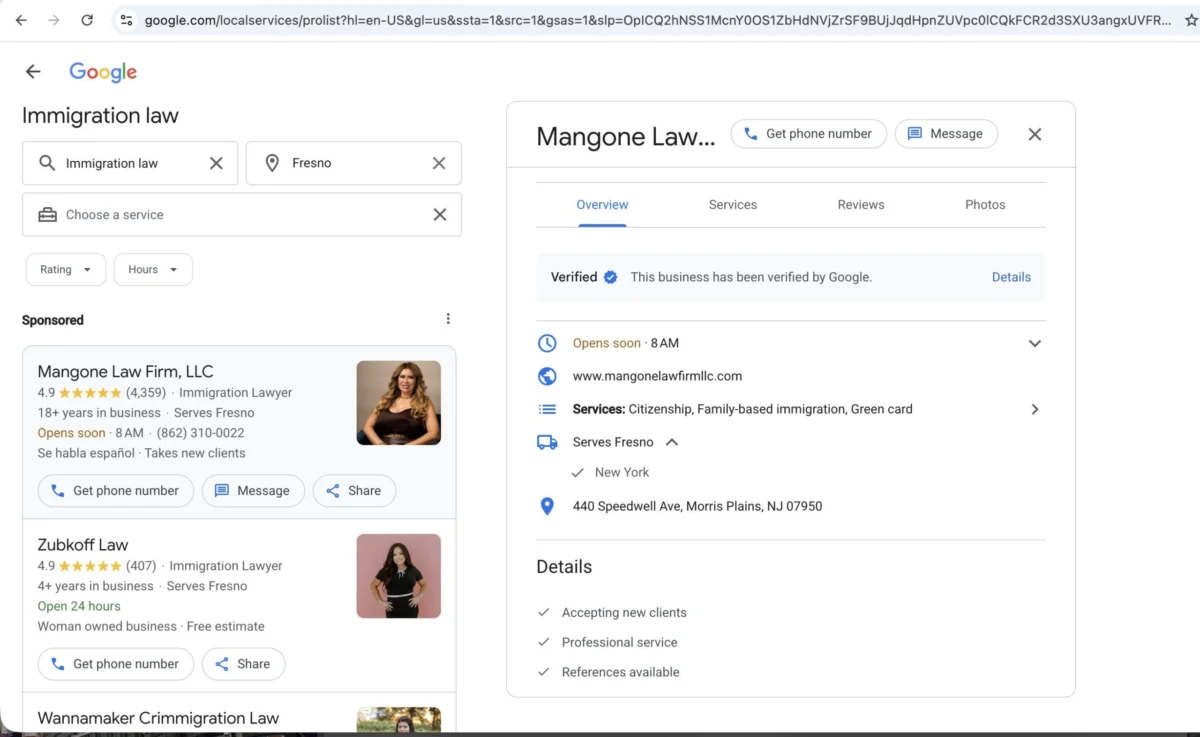
This shift is not a distant future but a present reality. Reports from major tech firms and market research indicate that millions of users globally now interact with AI assistants daily, seeking everything from product recommendations to complex problem-solving. This phenomenon is further amplified by traditional search engines, notably Google, which are progressively integrating AI-powered “Generative AI Experience” (SGE) directly into their results, blurring the lines between classic search and AI-curated responses. A brand’s absence in these AI-driven recommendations is tantamount to invisibility to a significant and expanding segment of its potential customer base.
The Paradigm Shift: From Links to Answers
Traditional SEO tools, while invaluable for tracking organic rankings, keyword performance, and website traffic, possess a critical blind spot in this new AI-driven environment. They do not typically monitor how a brand appears in AI-generated responses. This oversight creates a substantial risk: a brand might rank #1 on Google for a crucial keyword, yet remain entirely absent or poorly represented in the AI answers that users increasingly rely upon for purchase decisions and information gathering. This divergence can lead to competitors dominating AI recommendations, even if their traditional SEO footprint is weaker.
The implications extend beyond mere visibility. AI platforms construct a brand’s narrative by piecing together information from diverse sources, including reviews, news articles, social media, and the brand’s own content. If these signals are inconsistent or fragmented, the AI’s portrayal of the brand will reflect this disarray, potentially damaging reputation and undermining consumer trust. The challenge, therefore, is not just to be “seen” by AI, but to actively control the narrative that AI systems convey. This necessitates a proactive strategy focused on consistency, accuracy, and positive sentiment across all digital touchpoints.
Introducing Yoast AI Brand Insights: Illuminating the AI Blind Spot
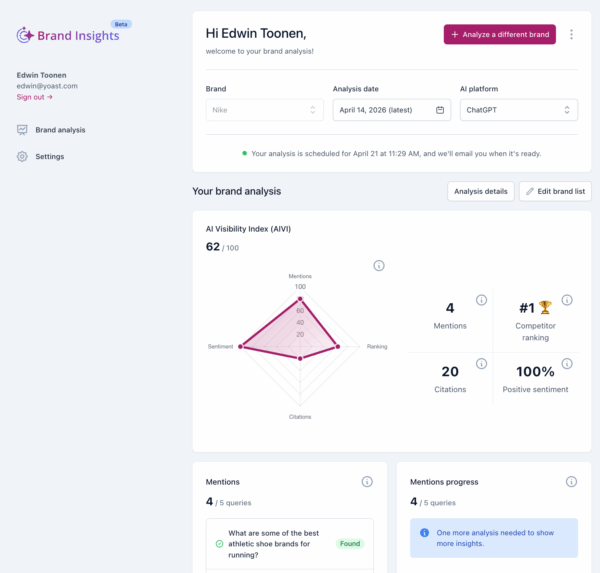
Recognizing this urgent need, Yoast, a long-standing leader in SEO tools, has launched Yoast AI Brand Insights. This innovative tool is specifically designed to bridge the gap between traditional SEO and the evolving demands of AI visibility. It offers brands a clear, actionable view of their performance across major AI platforms like Claude, ChatGPT, Perplexity, and Google Gemini. By tracking critical metrics, the tool helps businesses understand their current standing, benchmark against competitors, and strategically influence how AI systems perceive and recommend them.
Yoast AI Brand Insights moves beyond simple data collection, aiming to transform the “AI black box” into transparent, actionable intelligence. It empowers brands to not only build their AI visibility but also to actively control their brand narrative in an environment where AI acts as a primary recommender.
Key Metrics for AI Visibility: Understanding the New Landscape
To effectively navigate this new terrain, brands must understand the specific metrics that govern AI visibility. Yoast AI Brand Insights focuses on several core indicators:
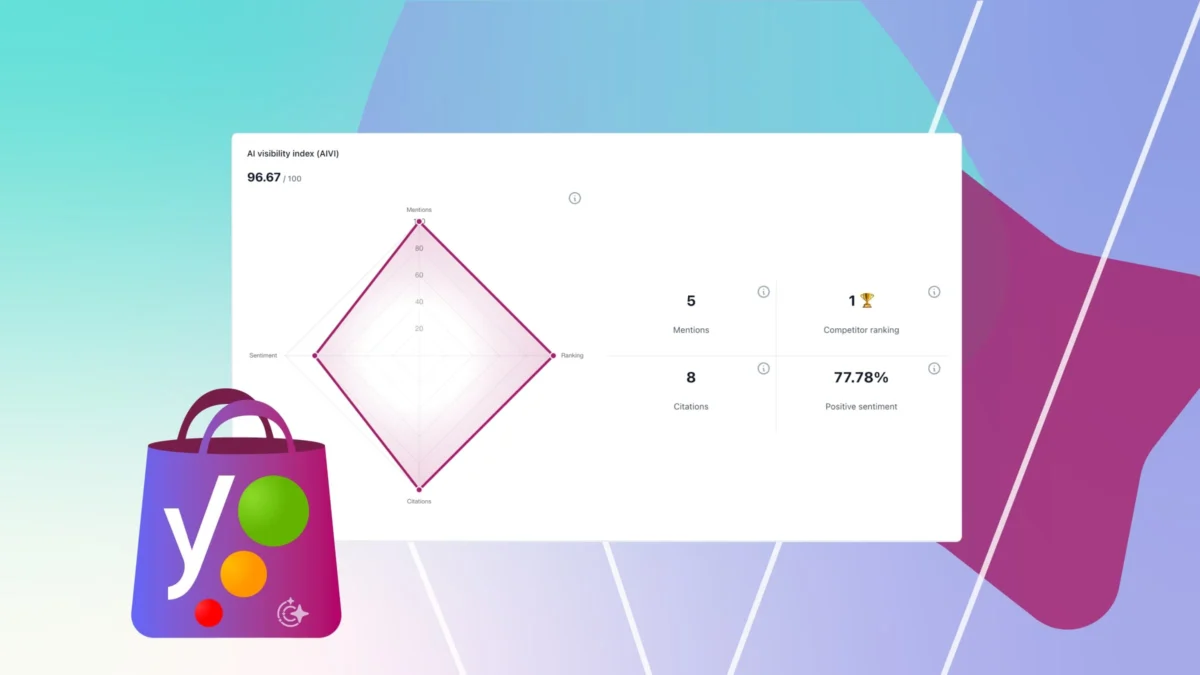
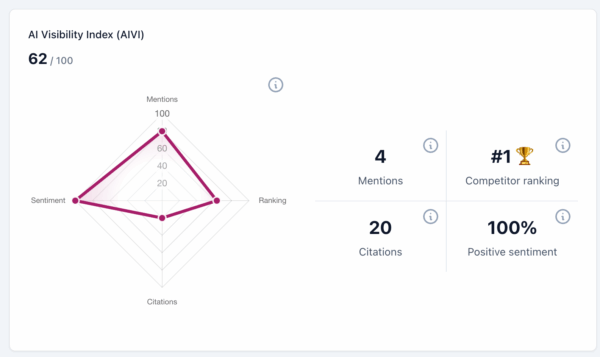
- AI Visibility Index (AIVI): This comprehensive score, ranging from 0 to 100, quantifies a brand’s overall visibility across tracked AI platforms. A higher AIVI signifies greater presence and positive representation in AI-generated answers for specific queries. A low score signals areas for immediate strategic intervention, emphasizing the need for increased mentions, stronger citations, and improved sentiment.
- Analysis: The AIVI serves as a crucial benchmark, much like a traditional SEO visibility score, but tailored for the AI context. It provides a holistic view, integrating various elements that influence AI perception. Improving this score requires a multi-faceted approach, focusing on authoritative content creation, strategic PR, and active reputation management.
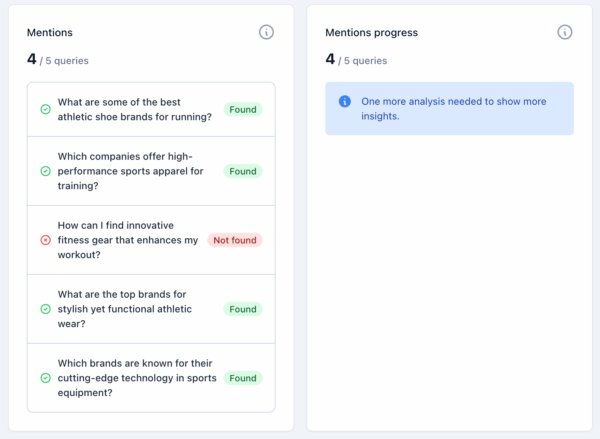
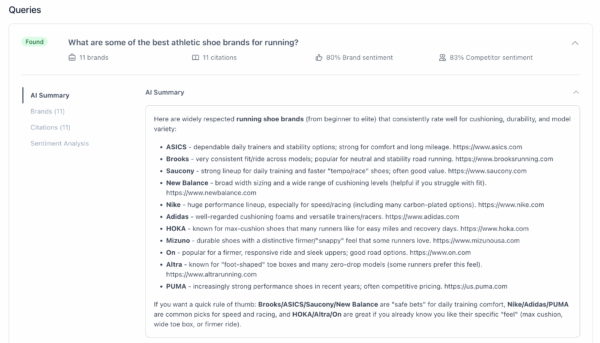
- Mentions: This metric tracks the specific instances where a brand appears in AI responses to predefined queries. For example, if a user asks, “What is the best project management software for small teams?” and Brand X is recommended, that constitutes a mention.
- Analysis: Mentions are the direct indicators of AI recommendation. Increased mentions directly correlate with higher visibility and potential customer acquisition. Brands must proactively identify high-intent, conversational queries relevant to their offerings and develop content that directly addresses these questions, ensuring their brand is the logical solution. This often involves creating detailed guides, comparison articles, and FAQ pages optimized for natural language processing.
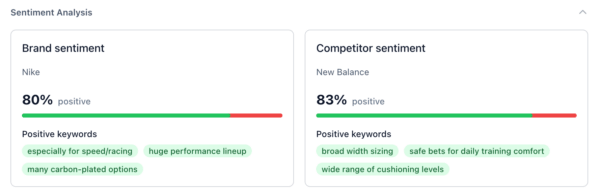
- Sentiment: Sentiment analysis measures the emotional tone associated with a brand within AI-generated responses. It quantifies the percentage of positive versus negative language used when describing a brand. Terms like “innovative,” “reliable,” and “customer-friendly” contribute to positive sentiment, while “overpriced,” “unreliable,” or “poor support” indicate negative sentiment.
- Analysis: Sentiment is arguably the most critical metric for brand reputation in the AI era. AI systems, designed to provide helpful and trustworthy advice, will naturally favor brands with positive sentiment. Negative sentiment, even if a brand is mentioned, can actively deter potential customers. Brands must actively monitor and address negative feedback online, cultivate positive testimonials, and consistently reinforce their core values and positive attributes across all communications.
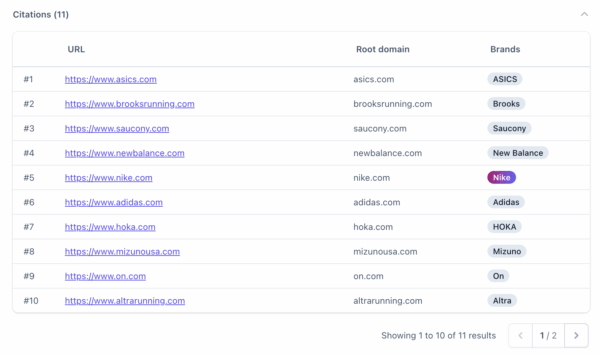
- Citations: Citations refer to the external sources that AI platforms explicitly reference to validate their answers. Unlike mentions, which refer to a brand being named in an AI response, citations point to the source of the information. For instance, if an AI recommends a credit card and cites a New York Times article, the New York Times is the citation. While a brand like American Express might be mentioned in the article, the direct citation goes to the publisher.
- Analysis: While a brand may not receive a direct citation, being consistently featured in high-authority, trusted sources significantly increases the likelihood of being mentioned in AI responses over time. AI platforms prioritize credibility and factual accuracy, making authoritative citations a cornerstone of their knowledge base. Brands must focus on building a strong network of relevant, high-quality mentions in industry publications, news outlets, and reputable review platforms to indirectly boost their citation footprint.
Strategies for Enhancing AI Brand Visibility
Leveraging the insights provided by tools like Yoast AI Brand Insights, brands can implement targeted strategies to improve their AI visibility:
- Publish Authoritative Content: LLMs prioritize well-structured, factually accurate, and insightful content. Brands should invest in original research, surveys, case studies, and expert opinions that provide unique value. Content should adopt an inverted pyramid structure, presenting key findings upfront, followed by supporting details and background. Incorporating statistics, expert quotes, and actionable insights strengthens content authority. For example, HubSpot’s “Ultimate Guides” became industry benchmarks, leading to frequent AI citations.
- Optimize for AI Citations: The goal is to appear in relevant, high-authority publications that AI platforms trust. This involves strategic public relations, guest posting on industry-leading blogs, getting featured in “top X tools” roundups, and encouraging customer reviews on platforms like G2, Capterra, and Trustpilot. These actions build a robust external validation network that AI systems can draw upon. Content should also be technically optimized with clear headings, bullet points, FAQs, and schema markup to facilitate AI comprehension and extraction. Regular content updates are crucial as AI prioritizes fresh, up-to-date information.
- Monitor and Improve Brand Sentiment: Proactive sentiment management is non-negotiable. Brands must identify negative terms associated with them in AI responses and address the root causes publicly and transparently. This includes responding to negative reviews, publishing case studies that highlight positive customer experiences, and integrating positive brand descriptors into marketing messaging. Consistent monitoring of sentiment shifts allows for early detection and mitigation of potential reputational damage.
- Benchmark Against Competitors: AI visibility is a competitive arena. Yoast AI Brand Insights allows brands to compare their performance against competitors across various metrics. Analyzing competitors’ content strategies, their presence on review sites, and the specific ways AI describes them provides invaluable insights. For instance, if a coffee brand finds its competitor consistently labeled as “the Italian espresso expert,” it knows to highlight its own unique heritage or roasting process to carve out a distinct AI-driven narrative.
- Answer Brand-Specific Questions: AI excels at answering specific, conversational queries (e.g., “Is [Your Brand] reliable for startups?”). Brands must research these long-tail, question-based keywords using tools like AnswerThePublic, AlsoAsked, and Google’s “People Also Ask” section. Dedicated blog posts, FAQ pages, or landing pages should directly address these questions, supported by appropriate structured data (e.g., FAQ schema). Tracking which questions generate the most AI mentions is key to refining this strategy.
- Ensure AI Crawler Accessibility: Technical SEO remains foundational. Brands must ensure their websites are fast, mobile-friendly, and technically sound. Clean URLs, optimized meta tags, descriptive alt text, and comprehensive schema markup aid AI crawlers in understanding and indexing content. Tools like Yoast SEO now offer features like an
llms.txtfile, a proposed standard to guide AI crawlers to the most important content, and businesses must ensure theirrobots.txtfiles do not inadvertently block AI access. - Be Active in Online Communities: AI models learn from and reference content across forums, social media, and community platforms like Reddit, Quora, and LinkedIn. Active and valuable participation in these communities, providing non-promotional answers that naturally integrate brand mentions, can significantly enhance AI visibility. Sharing thought leadership content on professional networks further reinforces expertise and brand authority.
The Future of Brand Discovery: AI-Driven and Immediate
The shift towards AI-driven search is not a trend but a fundamental reorientation of the digital landscape. Brands that recognize this early and adapt their strategies will gain a significant competitive advantage. The ability to influence how AI platforms perceive and recommend a brand is paramount for future success, impacting everything from customer acquisition to long-term brand equity.
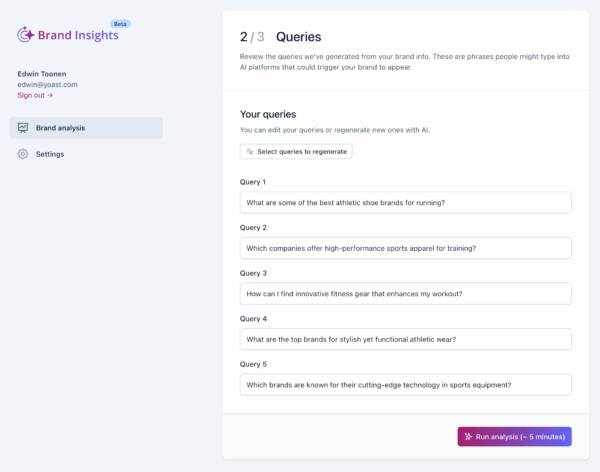
Yoast AI Brand Insights provides the necessary tools to navigate this complex environment: measuring the AI Visibility Index, tracking mentions and sentiment, optimizing for AI citations, and benchmarking against competitors. By transforming the opaque world of AI-generated answers into actionable insights, businesses can proactively shape their digital destiny.
The time for brands to take control of their AI visibility is now. Waiting for competitors to establish dominance in this space risks being left behind in a rapidly evolving digital ecosystem. Starting with a comprehensive scan to identify current strengths and weaknesses, followed by the implementation of these AI-centric strategies, is the imperative for any brand aiming to thrive in the AI-driven future of search.