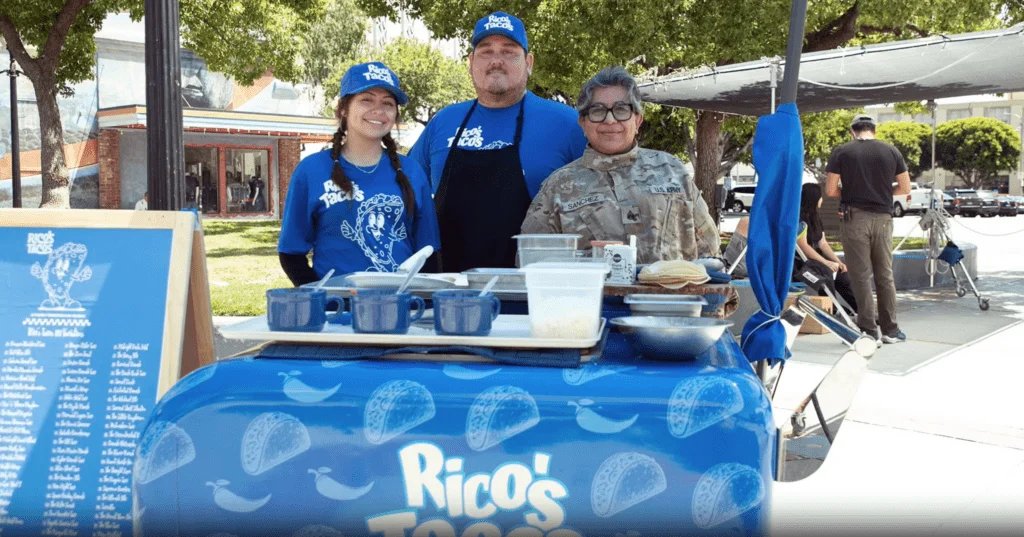
Albertsons is pushing the boundaries of its retail media network by venturing beyond traditional advertising into the realm of scripted branded entertainment, aiming to transform its grocery stores into more than just transactional spaces. The company’s media arm, Albertsons Media Collective, has launched what it touts as an industry-first model for branded entertainment, co-developed with consumer goods giant Procter & Gamble (P&G). This innovative approach leverages deep shopper data to inform the creation of original, story-driven content, with the inaugural project, a drama titled “Rico’s Tacos,” set to premiere on June 23.
Albertsons, a significant player in the North American retail landscape, ranks 17th in the Digital Commerce 360 Top 2000 Database, a testament to its substantial annual e-commerce sales. The company operates its namesake Albertsons stores alongside a diverse portfolio of well-known brands, including Carrs, Haggen, Jewel Osco, Lucky, and Safeway. This extensive reach provides a fertile ground for its expanding media network, which is now seeking to engage consumers on a deeper, more emotional level.
The genesis of “Rico’s Tacos” lies in a unique collaborative process, as explained by Manny Ruiz, CEO of Minivela, the content development studio behind the series, and its showrunner. “The idea for ‘Rico’s Tacos’ emerged directly from the shopper insights and cultural intelligence shared by Albertsons Companies and P&G,” Ruiz stated. “Those insights became the creative spark that shaped the franchise from the very beginning and continued to inform its development throughout the process.”
This methodology marks a significant departure from conventional retail media strategies. Historically, customer data has been primarily utilized for targeted advertising, aiming to direct consumers towards specific products or promotions. In contrast, Albertsons and P&G have harnessed this rich trove of shopper information not just to understand consumer behavior, but to inspire and shape the narrative of a fictional world. “By bringing together retail media, consumer understanding, creators, brands, and storytelling, we’ve created a new model for developing and distributing original content,” Ruiz elaborated, hinting at future projects utilizing this data-driven creative approach.
The setting for “Rico’s Tacos” is a vibrant Southern California neighborhood near Venice Beach. Each episode, designed for bite-sized mobile viewing, will run between one and two minutes, following the compelling story of a widowed father, his teenage daughter, and their abuela (grandmother). Together, they endeavor to build a family taco business, all while grappling with universal themes of identity, resilience, and legacy. The series is slated for a multi-platform debut on June 23, appearing on Albertsons’ official YouTube channel, its various social media platforms, and critically, on in-store screens within Albertsons locations. This staggered release strategy is designed to capture audience attention across diverse touchpoints, with new episodes scheduled to roll out weekly through the end of August.
Brian Monahan, senior vice president of retail media at Albertsons Media Collective, highlighted the strategic intent behind this initiative. “Retail media is evolving beyond placements toward work that drives brand love, commerce, and measurement,” Monahan remarked. His arrival at Albertsons last year signaled a concerted effort to bolster the company’s retail media ecosystem, focusing on innovative methods to track advertising effectiveness and gather valuable customer data. This branded entertainment venture is a direct outcome of that strategic expansion, aiming to foster deeper brand affinity and drive commercial outcomes through engaging storytelling.
Procter & Gamble views this collaboration as a pioneering avenue for connecting with consumers. Lela Coffey, vice president of user growth acceleration at P&G, emphasized the importance of authentic engagement. “The brands that will win are the ones that connect with shoppers in relevant, everyday moments,” Coffey stated. “What makes this collaboration notable is that the creative was developed with Albertsons Cos. using shopper insights at the outset, rather than applying data only after the work is made. That creates a closer link between the story, the audience, and the commercial outcome.” This proactive use of data ensures that the content resonates authentically with the target audience, aligning brand messaging with genuine consumer interests and behaviors.
Industry observers are keenly watching this development as a preview of the next generation of retail advertising. Marty Bauer of Omnisend, a prominent email and SMS marketing platform for e-commerce businesses, described “Rico’s Tacos” as a significant innovation. “It’s a scripted, episodic entertainment series created specifically for the Albertsons Media Collective platform,” Bauer noted. He underscored the novelty of Albertsons’ data utilization: “What’s impressive about this is not so much the content itself, but the way shopper data is used in the creative process. While typically the idea comes first and data is used to modify it afterward, in this case, the data was used as a tool to develop the story ideas.”
The implications of this approach are far-reaching. By directly integrating shopper insights into the narrative development, Albertsons and its brand partners can ensure that the stories, characters, and even product placements within the content are inherently relevant and appealing to their core customer base. This creates a more organic and less intrusive form of brand integration, fostering a positive association between the entertainment and the brands involved.
Albertsons has indicated that the inspiration for each episode of “Rico’s Tacos” is directly derived from shopper insights and cultural intelligence meticulously gathered by both Albertsons and P&G. This data-informed storytelling aims to build a more meaningful connection with consumers, moving beyond fleeting ad impressions to create lasting engagement. The availability of the series across YouTube, social media, and in-store screens ensures maximum reach and accessibility, allowing consumers to engage with the content on their preferred platforms.
For consumer packaged goods (CPG) brands, this model represents a substantial opportunity. “This kind of reach is a significant opportunity for CPG brands, because if your products are sold through a retailer with a robust media network, you gain access to a content distribution infrastructure and first-party data that was previously unattainable,” Bauer explained. This access to direct consumer data, combined with a captive audience within the retail environment, provides an unprecedented advantage for brand building and sales conversion.
Furthermore, this strategic pivot into scripted content offers Albertsons a distinct competitive advantage, particularly in a retail landscape often characterized by fierce competition. Historically, Albertsons has navigated a complex market, positioned between larger players like Walmart and Amazon, and other major grocers like Kroger. “Retail media is something Albertsons can build on top of its existing infrastructure,” Bauer observed. “The goal is to transform from a grocery chain that sells ad space into a store media company that happens to sell groceries.” This ambitious transformation positions Albertsons not just as a seller of goods, but as a creator of engaging experiences and a valuable media partner.
The timeline of this initiative is crucial to understanding its strategic intent. The co-development with P&G signifies a commitment to leveraging established brand-building expertise. The chosen premiere date of June 23 allows for a sustained content rollout throughout the summer, a period often characterized by increased leisure time and media consumption. The multi-platform distribution strategy, encompassing digital channels and in-store presence, reflects a holistic approach to consumer engagement, meeting shoppers where they are, both online and offline.
The financial implications for Albertsons are also significant. Retail media networks have emerged as a rapidly growing revenue stream for retailers, offering higher profit margins than traditional grocery sales. By investing in original content, Albertsons aims to create a more valuable and engaging media offering, attracting premium advertising dollars and further solidifying its position as a leader in the evolving retail media landscape. The ability to measure return on ad spend (ROAS) effectively, as prioritized by Monahan, will be critical in demonstrating the tangible business impact of this innovative strategy.
In conclusion, Albertsons’ foray into scripted branded entertainment represents a bold and forward-thinking move in the retail media space. By synergizing shopper data with creative storytelling, the company is not only enhancing its media network but also redefining the very nature of the grocery shopping experience, transforming it into a platform for engaging narratives and deeper consumer connections. The success of “Rico’s Tacos” will undoubtedly pave the way for further innovation, setting a new benchmark for how retailers and brands can collaborate to capture the attention and loyalty of today’s discerning consumers.
Do you rank in our databases?
Submit your data and we’ll see where you fit in our next ranking update.
Sign up
Stay on top of the latest developments in the online retail industry. Sign up for a complimentary subscription to Digital Commerce 360 Retail News. Follow us on LinkedIn, TikTok, X (formerly Twitter), Facebook and YouTube. Be the first to know when Digital Commerce 360 publishes news content.