

There’s a reason a familiar jingle or a vintage logo can evoke a powerful emotional response. It’s the unmistakable pull of nostalgia, a marketing tool that taps into our deepest feelings of comfort, recognition, and connection. In an era obsessed with innovation and the “next big thing,” brands are increasingly finding success by looking to the past, leveraging cherished memories to build trust and forge stronger relationships with consumers. From the resurgence of retro product designs to highly personalized year-end recaps, the strategic use of nostalgia has become a cornerstone of effective marketing across industries.
This phenomenon isn’t limited to established, legacy brands. Small and medium-sized businesses are also discovering the potent impact of nostalgia, utilizing local traditions, beloved products, historical storefront imagery, or even shared community memories to resonate with their customer base. The underlying question for marketers remains: why is this backward glance so effective?
Willem Haen, a Brand Consultant, explains the profound impact of nostalgia: “Nostalgia hits hard because it reconnects us with the moments that shaped us. A brand doesn’t have to be perfect; it just has to have been there when great memories were made.” This sentiment underscores the idea that brands can achieve significant recognition and loyalty not through flawless perfection, but by being a consistent and positive presence during formative experiences in consumers’ lives.
This article will delve into the psychological and neurological underpinnings of why nostalgia marketing is so effective, and provide actionable strategies for businesses of all sizes to harness its power.
The Science Behind Nostalgia’s Appeal
Nostalgia in marketing is more than just a sentimental trend; it’s rooted in fundamental aspects of human psychology, neuroscience, and social connection. When brands effectively tap into these elements, they create a compelling and often subconscious appeal.
1. Familiarity Breeds Comfort and Safety
At its core, nostalgia is triggered by recognition. When we encounter a familiar symbol—be it a brand logo, a piece of music, or a distinct color palette from our past—our brain’s reward system is activated, releasing a small but significant surge of dopamine. This neurochemical response is akin to the pleasure we experience when hearing a beloved old song or smelling a scent that reminds us of home. This innate connection between recognition and comfort translates directly into a sense of safety. In marketing, this translates to a reduction in cognitive load.
Goran Mirkovic, Head of Content at Multiplier, elaborates on this point: “Nostalgia in marketing works because it taps into the brain’s efficiency bias. Familiarity lowers cognitive load, which means people don’t have to analyze what they’re seeing; they just feel it. That’s why a brand like LEGO can bring back a 90s set and instantly spark joy. The memory does the work. You’re not asking people to notice your message; you’re inviting them to recognize themselves in it.”
This “efficiency bias” means that consumers are more likely to engage with messages that are easily processed. When a brand uses nostalgic cues, it bypasses the need for extensive explanation or persuasive argument. The consumer’s brain quickly processes the familiar elements, associating them with positive past experiences. This makes them more receptive to the brand’s message, reducing skepticism and fostering an emotional connection. In a marketplace saturated with choices and constant stimuli, this instant, low-effort recognition can be a powerful differentiator, making a brand appear more reliable and emotionally genuine.
2. The Comforting Embrace of Simpler Times
In periods of societal upheaval and uncertainty, the past often represents an escape to perceived simpler, more understandable times. The 2020s, marked by global pandemics, geopolitical tensions, and rapid technological advancements, have amplified this desire for comfort. Nostalgia offers a refuge, not necessarily to an idealized past, but to an era that feels more manageable and less complex.
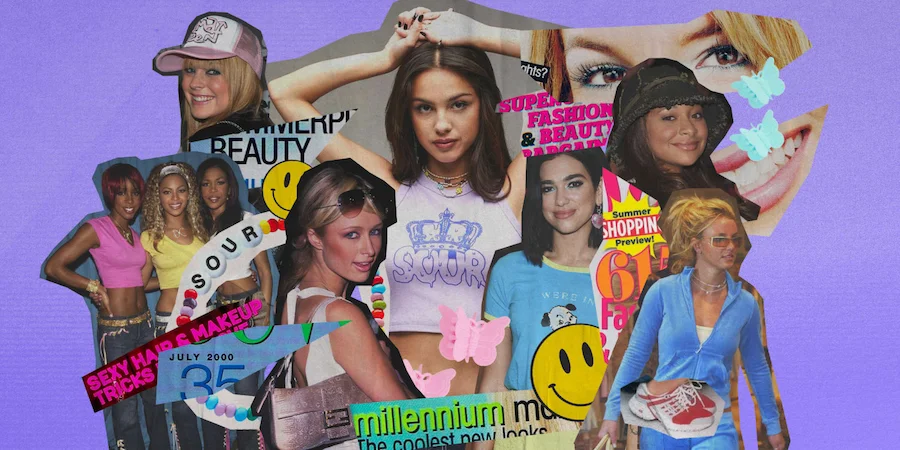
This psychological need for comfort is a potent driver for nostalgia marketing. Advertisements that subtly reference past aesthetics—such as film grain, analog textures, or classic typography—act as emotional anchors. They signal to consumers, “You’ve seen this before; it’s okay to relax.” This familiarity lowers barriers to engagement and allows emotional responses to take precedence over critical analysis.
This principle is evident in the resurgence of trends like the Y2K aesthetic or the widespread use of lo-fi filters on social media. Consumers are not merely appreciating these styles; they are seeking solace and calm. Nostalgia-driven marketing campaigns often perform exceptionally well during times of turbulence precisely because they can generate positive emotional associations that, when executed thoughtfully, transfer directly to the brand itself. This creates a sense of stability and continuity in an otherwise unpredictable world.
3. Fostering Connection and Belonging
Beyond individual comfort, nostalgia serves a vital social function: it fosters a sense of belonging and connection. Shared memories, even those that individuals may not have personally experienced but have absorbed through culture, create an instant bond. This is why comments like “childhood memories!” frequently appear under vintage commercials or why friends tag each other in retro memes.
Barbara Houdayer, Head of Marketing at Caplena, highlights this aspect: “Nostalgia creates emotional closeness. It gives people a sense of continuity—of belonging to something bigger than the present moment. That’s why nostalgia-led campaigns work. They don’t just remind us of a product, they remind us of the relationships and stories attached to it.”
In an age where feelings of loneliness and disconnection can be prevalent, nostalgia can serve as a powerful tool to restore a sense of community. By reactivating memories of meaningful relationships and shared joy, it reinforces social bonds. Nostalgia-based campaigns often feel communal because they prompt consumers to recall not just their personal experiences, but also the people with whom they shared those experiences. This collective remembering strengthens brand loyalty by positioning the brand as a facilitator of shared human connection.
Navigating the Nuances: When Nostalgia Works and When It Doesn’t
While the allure of nostalgia is strong, not all attempts to evoke the past land successfully. The difference between a charming throwback and an awkward misstep often hinges on three critical factors: fit, freshness, and feeling.
-
Fit: The nostalgic reference must be relevant to the brand’s identity and resonate with its target audience. A brand targeting Gen Z, for instance, employing obscure references from a 1970s sitcom might fall flat if that cultural touchstone isn’t part of their lived experience or cultural lexicon. True nostalgia requires a shared memory or a relatable cultural touchpoint.
-
Freshness: Nostalgia should not be a static museum piece. It needs to feel revitalized and relevant to contemporary audiences. Brands like Nike, with its Air Max revivals, or LEGO, with its adult-focused collector’s sets, succeed by offering modern interpretations of beloved classics. These are not mere replicas but evolutions that honor the past while embracing current design sensibilities and consumer desires.
-
Feeling: Authenticity is paramount. A campaign that relies on superficial sentimentality or manufactured emotion can quickly feel disingenuous and manipulative. The emotional core of the nostalgic appeal must be genuinely connected to the brand’s truth and values, not simply borrowed from a past era.
Case Studies in Nostalgia Marketing
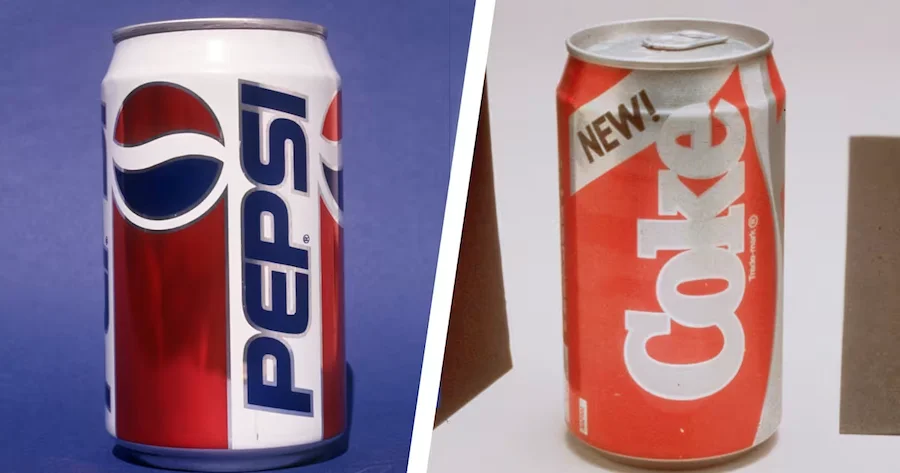
Pepsi’s Retro Can Revivals: To celebrate its long history, Pepsi has periodically reissued its iconic vintage can designs. These campaigns often incorporate updated color schemes and clean typography, striking a balance between heritage and modern appeal. By reminding consumers of the brand’s origins while maintaining a fresh aesthetic, Pepsi successfully tapped into positive memories and reinforced its enduring presence. The authenticity of these campaigns stems from their direct link to the brand’s established history and its ongoing purpose.
Coca-Cola’s “New Coke” Collaboration: In contrast, Coca-Cola’s collaboration with the Netflix series “Stranger Things” to bring back “New Coke” serves as a cautionary tale. While conceptually clever, leaning into the irony of a product that was famously a market failure back in the 1980s risked highlighting a brand misstep rather than evoking cherished memories. The nostalgia, in this instance, felt clever but hollow, reminding consumers of a less positive chapter rather than a source of fond recollection. This highlights a crucial lesson: nostalgia marketing is most effective when it honors genuine emotion, not potential embarrassment or historical blunders.
The Nostalgia Marketing Playbook: Strategies for Success
Leveraging nostalgia effectively requires more than simply referencing the past; it demands strategic execution that feels authentic, relevant, and creative.
Step 1: Lead with Emotion, Not Just Era
The most successful nostalgia campaigns prioritize the feeling over the specific decade. They aim to evoke the emotions associated with past experiences—joy, comfort, belonging, innocence—rather than merely recreating the aesthetics of a particular time.
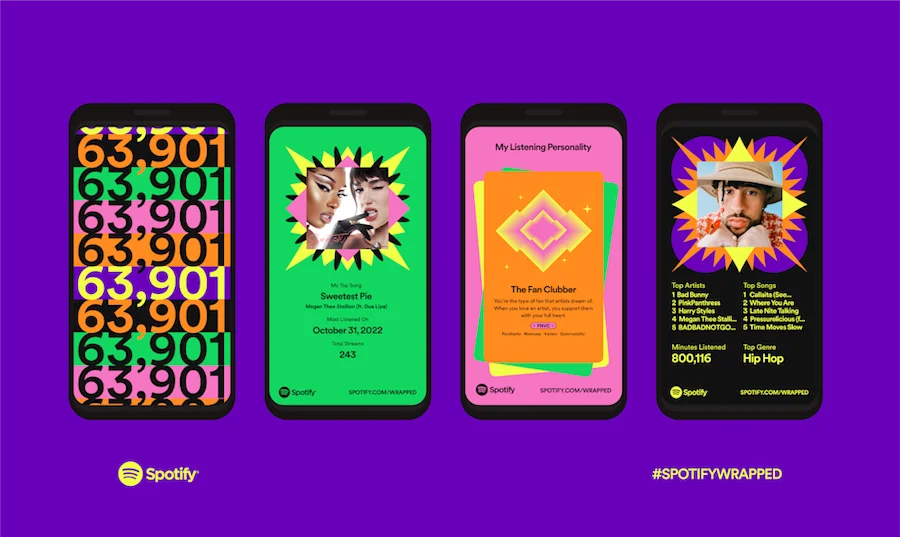
LEGO’s “Mindfulness” campaign, for instance, doesn’t focus on 1980s building blocks but on the feeling of rediscovering childhood joy in a modern context. Similarly, Spotify Wrapped, though a recent phenomenon, taps into the psychological mechanisms of yearbooks and personal reflection, celebrating shared moments and individual tastes.
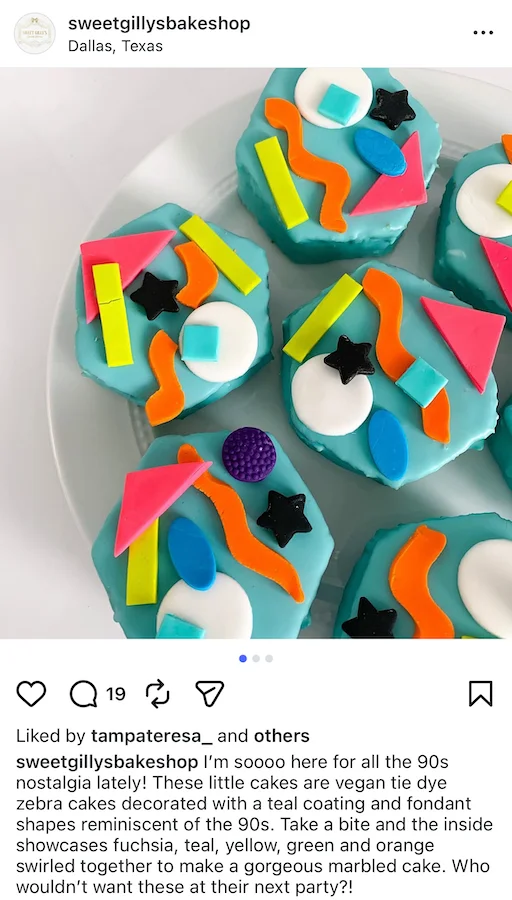
For smaller businesses, this translates to embracing authentic emotional connections. A local bakery might revive a beloved childhood pastry, a fitness studio could offer a themed workout class from a bygone era, or a neighborhood shop might share vintage photographs of its street to connect with community history. The scale of the initiative is less important than the genuineness of the feeling it evokes.
Step 2: Apply the Fit, Freshness, and Feeling Filters
Every nostalgic concept should be rigorously tested against the established criteria of fit, freshness, and feeling.
- Fit: Does the nostalgic reference genuinely align with your brand’s identity and resonate with your target audience’s experiences and values?
- Freshness: How can the nostalgic element be presented in a way that feels new and relevant today? Avoid simply replicating the past; aim for a modern interpretation.
- Feeling: Is the emotional sentiment authentic and truthful to your brand? Does it connect with genuine positive memories or feelings, rather than manufactured sentimentality?
While AI tools can generate aesthetically pleasing retro designs, they often lack the emotional depth that makes true nostalgia compelling. The magic lies in connecting a historical reference to the brand’s present reality and its enduring values.
A recent social media trend saw brands sharing baby photos of their employees, linking them to their current roles. A local restaurant, celebrating its 40th anniversary, embraced this by posting childhood pictures of staff members with captions like, “This is who’s making your favorite margarita” or “This is who gives you the best menu recommendations.” This approach humanizes the business, builds relatable connections with patrons, and leverages the universal appeal of cute childhood photos to foster warmth and reinforce community ties.
Step 3: Remix, Don’t Just Rewind
Effective nostalgia marketing is about remixing the past for the present, not simply pressing rewind. Brands should aim to integrate nostalgic elements in a way that feels like an evolution, not a repetition.
The 2023 “Barbie” movie campaign, for example, didn’t just revisit pink plastic innocence; it reclaimed and reinterpreted it through irony, empowerment, and sophisticated cinematic storytelling. This balance between memory and reinvention made the campaign feel fresh and relevant.

Brands that borrow nostalgia are essentially leveraging “memory equity.” To maintain relevance, they must add new value, whether through updated visuals, contemporary humor, or storytelling formats that align with current media consumption habits. Nostalgia should be treated as a distinct hue in a broader color palette—adding warmth and depth, but not overshadowing the brand’s contemporary identity.
Step 4: Ensure Authenticity and Conduct Testing
The bedrock of any successful nostalgia campaign is truth. When nostalgia feels inauthentic or forced, it is quickly dismissed. The most effective examples are those that tie emotional resonance back to something the brand genuinely represents—a shared value, a product lineage, or a verifiable customer memory.
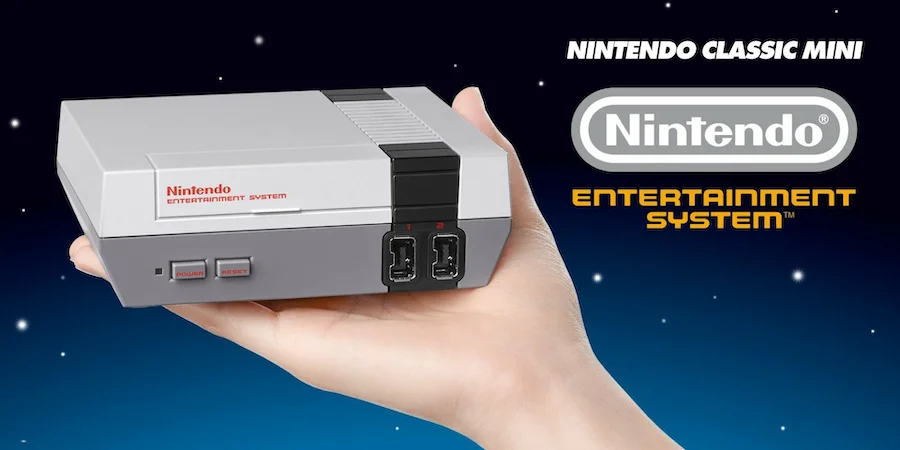
Brands like Nintendo have an advantage due to their extensive history and established credibility. However, even brands without decades of legacy can employ nostalgia authentically by focusing on borrowed emotions and cultural touchpoints rather than specific logos or artifacts. Tapping into shared experiences, such as growing up online, learning through early internet platforms, or the excitement of discovering music before algorithmic curation, can resonate deeply.
Small businesses often possess a unique advantage here. Their proximity to their customers and communities allows them to understand local references, shared rituals, and genuine customer memories that larger corporations may struggle to replicate. By leveraging this localized knowledge, smaller businesses can create deeply personal and authentic nostalgic campaigns.
Before launching any nostalgia-driven initiative, it is crucial to test its reception. This can involve gathering feedback from a select group of loyal customers, running A/B tests on different nostalgic appeals, or monitoring social media sentiment. This validation step ensures that the intended emotional response is being evoked and that the campaign aligns with customer perceptions.
Step 5: Facilitate Participation
The most impactful nostalgic marketing goes beyond mere reminiscence; it invites consumers to actively participate and relive their memories. This can be achieved through interactive elements such as curated playlists, custom social media filters, visual prompts, or community-driven campaigns that encourage users to share their own stories.
Spotify Wrapped’s annual success exemplifies this, transforming personal reflection into social currency. It acts as a mirror, allowing users to broadcast their unique stories and connect with others through shared tastes. User-generated nostalgia campaigns, in a similar vein, extend a brand’s reach organically through authentic customer contributions.
Janine Bosshart, Team Lead Brand & Marketing at grape insurance, notes, “Nostalgia doesn’t have to be grand to work. As long as it’s shared, it can hide in the smallest details. That’s what nostalgia does when it’s done right, for the right audience; tying meaning, memory, and brand together in a way that just feels real.”
Step 6: Embrace the Local Dimension
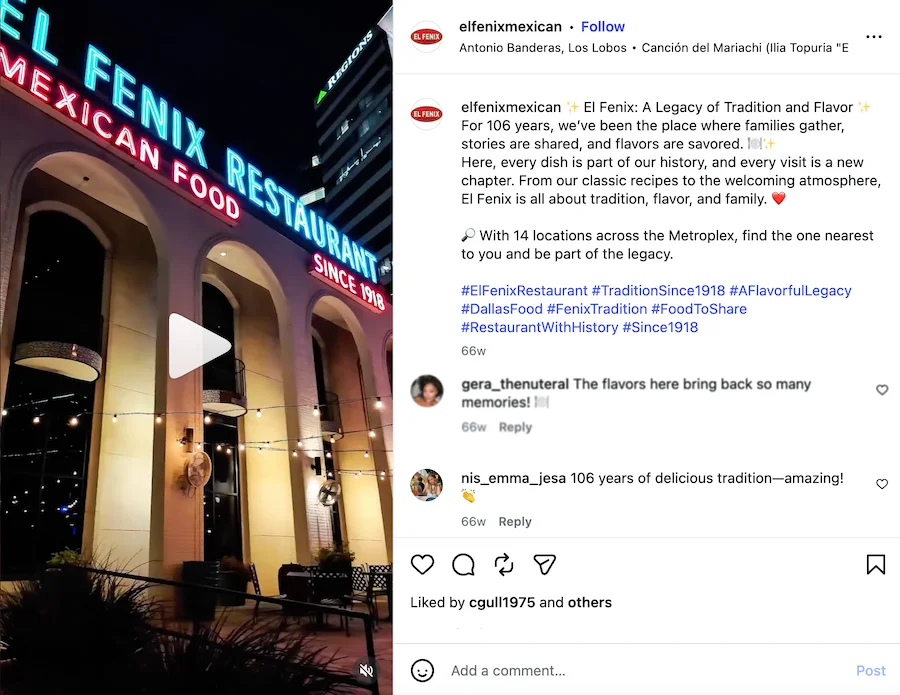
While major brands leverage nostalgia to tap into broad cultural memories, small and medium-sized businesses can effectively tap into community memory. This might involve sharing historical photographs of the business or its locale, reintroducing a discontinued product that was once a local favorite, referencing a significant local event, or actively soliciting longtime customers to share their fondest memories associated with the business.
The key here is specificity. A broad appeal like “Remember the 90s?” is less effective than a localized reference such as, “Remember when this street had three record shops, and our lunch special was only $5?” For local businesses, nostalgia is most powerful when it reminds people that the brand has been an integral part of their real lives, not just their digital feeds.
The Past as a Tool, Not a Template
Nostalgia’s enduring power lies in its ability to reconnect emotion, memory, and meaning—elements that are inherently human and difficult for artificial intelligence to replicate. However, its application should be strategic. The goal is not to dwell in the past, but to leverage its warmth, comfort, and sense of connection to make the present feel more human and secure.
Therefore, if a marketing campaign adopts a retro aesthetic, it must also think and feel contemporary. The past serves as a valuable tool for building present-day relevance and fostering future belief, ensuring that the brand remains dynamic and forward-looking, even as it draws upon cherished memories.









