

The digital marketing landscape has reached a critical inflection point where the balance between aggressive conversion tactics and seamless user experience (UX) determines the long-term viability of e-commerce and SaaS platforms. Central to this tension is the exit-intent popup, a sophisticated technological intervention designed to detect the precise moment a visitor intends to leave a website and present a final, compelling reason to stay. As global e-commerce competition intensifies, these modals have evolved from mere nuisances into data-driven instruments of customer retention, capable of recovering billions in potentially lost revenue.
At its core, an exit-intent popup is a secondary interface window that triggers based on specific behavioral signals indicating a user is about to terminate their session. Whether the objective is to prevent cart abandonment, increase newsletter subscriptions, or distribute lead magnets, the efficacy of the tool rests on two pillars: timing and relevance. When executed with precision, these popups serve as a digital “safety net.” However, when mismanaged, they risk alienating users and incurring penalties from search engines that prioritize mobile-friendly, non-intrusive environments.
The Mechanics of Intent: From Mouse Tracking to Mobile Gestures
The evolution of exit-intent technology reflects the broader shift in how consumers interact with the web. In the desktop-dominant era, detection was a relatively straightforward matter of monitoring the cursor’s trajectory. JavaScript-based triggers track mouse movement toward the browser’s “dead zones”—the close button, the address bar, or the back arrow. Once the cursor crosses the invisible boundary of the viewport, the system assumes an exit is imminent and fires the modal.
The transition to mobile-first browsing necessitated a radical reimagining of these triggers. Without a cursor to track, developers have turned to complex behavioral heuristics. Modern exit-intent systems for mobile devices now rely on a combination of signals:
- Scroll-Up Velocity: Rapidly scrolling upward is often a precursor to accessing the browser’s navigation bar.
- Idle Time Detection: Extended periods of inactivity may indicate a loss of interest, prompting a “nudge” to re-engage.
- The “Back-Button” Tap: Detecting when a user utilizes the device’s hardware or software back button to exit a landing page.
- Tab Switching: Monitoring when the browser focus shifts away from the current window.
This technological sophistication is essential because the margin for error on mobile is significantly thinner. Unlike desktop users, who can easily dismiss a window with a click, mobile users often find full-screen overlays frustrating, a factor that has led to increased scrutiny from platform gatekeepers like Google.
The Data of Disruption: Analyzing Conversion Benchmarks
Recent industry data underscores the significant performance gap between generic popups and those triggered by exit intent. According to comprehensive figures published by Wisepops in September 2025, the average conversion rate for exit-intent popups stands at 2.81%. While this may seem modest, the data reveals a high ceiling for optimization; the top 10% of performing campaigns achieved conversion rates as high as 19.63%.
The variance in these numbers is largely dictated by the context of the page and the nature of the offer. Email-capture popups—often used on blog posts or homepages—tend to see lower engagement, with Omnisend’s 2026 analysis placing their conversion rate at approximately 1.8%. Conversely, high-intent pages, such as e-commerce checkout funnels, yield much higher returns. OptiMonk reported in 2025 that exit-triggered popups specifically targeting cart abandonment converted at a staggering 17.12%.
These statistics suggest that the “intent” being tracked is not just the intent to leave, but the underlying intent of the user’s visit. A shopper who has already added items to a cart is in a state of “active decision,” making them far more receptive to a well-timed intervention than a casual reader browsing an informational article.
The Psychology of the Earned Interruption
The success of an exit-intent popup depends on what marketing psychologists call the “earned interruption.” In a physical retail environment, a salesperson who interrupts a customer the moment they walk through the door is often viewed as aggressive. However, a salesperson who offers a discount to a customer who is clearly hesitating at the cash register is viewed as helpful.
Digital marketers must apply the same logic. Exit popups convert most effectively when they address a specific friction point. Common scenarios include:
- Price Sensitivity: Offering a discount code or free shipping to a user on a pricing or checkout page.
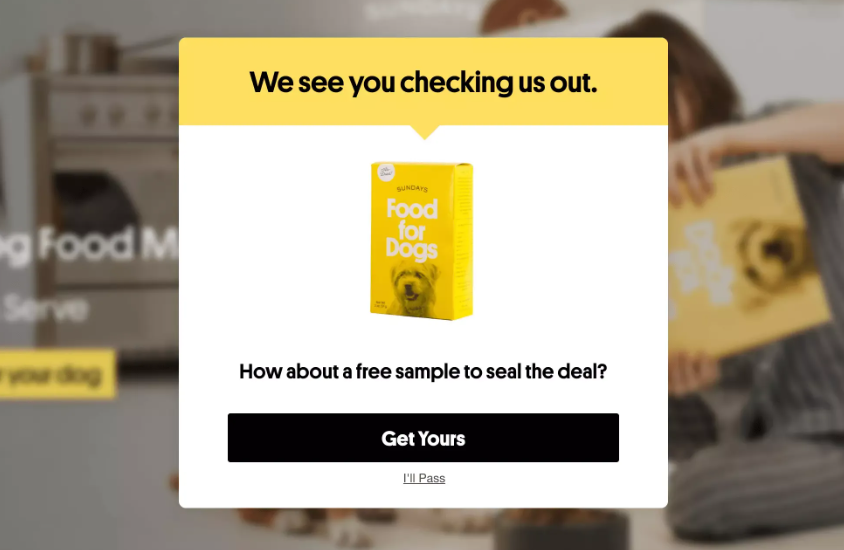
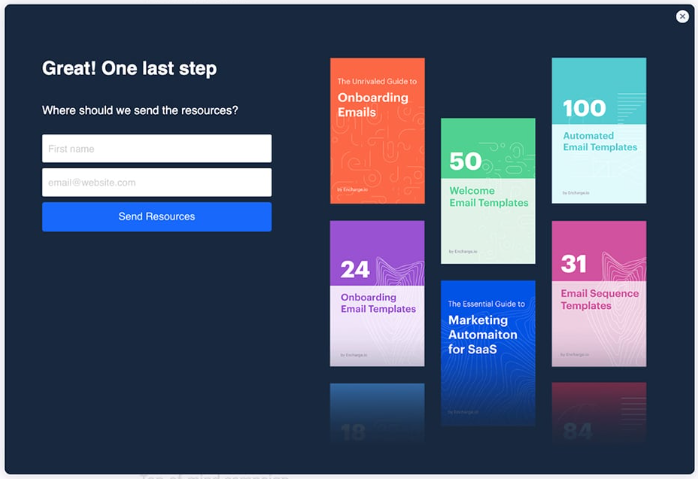
- Information Gaps: Providing a downloadable guide or “lead magnet” to a user who has spent significant time on a technical product page but is now leaving.
- Commitment Phobia: Offering a “save my cart” or “email my list” option for users who are not yet ready to purchase but want to retain their progress.
When the offer fails to match the user’s stage in the buyer’s journey, the popup “misfires.” A classic example of this mismatch is the “false positive” triggered by tab-switching. If a user moves their mouse toward the address bar to look up a product review in a new tab, an exit popup can be perceived as an annoying barrier rather than a helpful offer. On mobile, the signals are even noisier; a user scrolling up to re-read a paragraph may inadvertently trigger a modal, leading to “rage clicks” and immediate site abandonment.
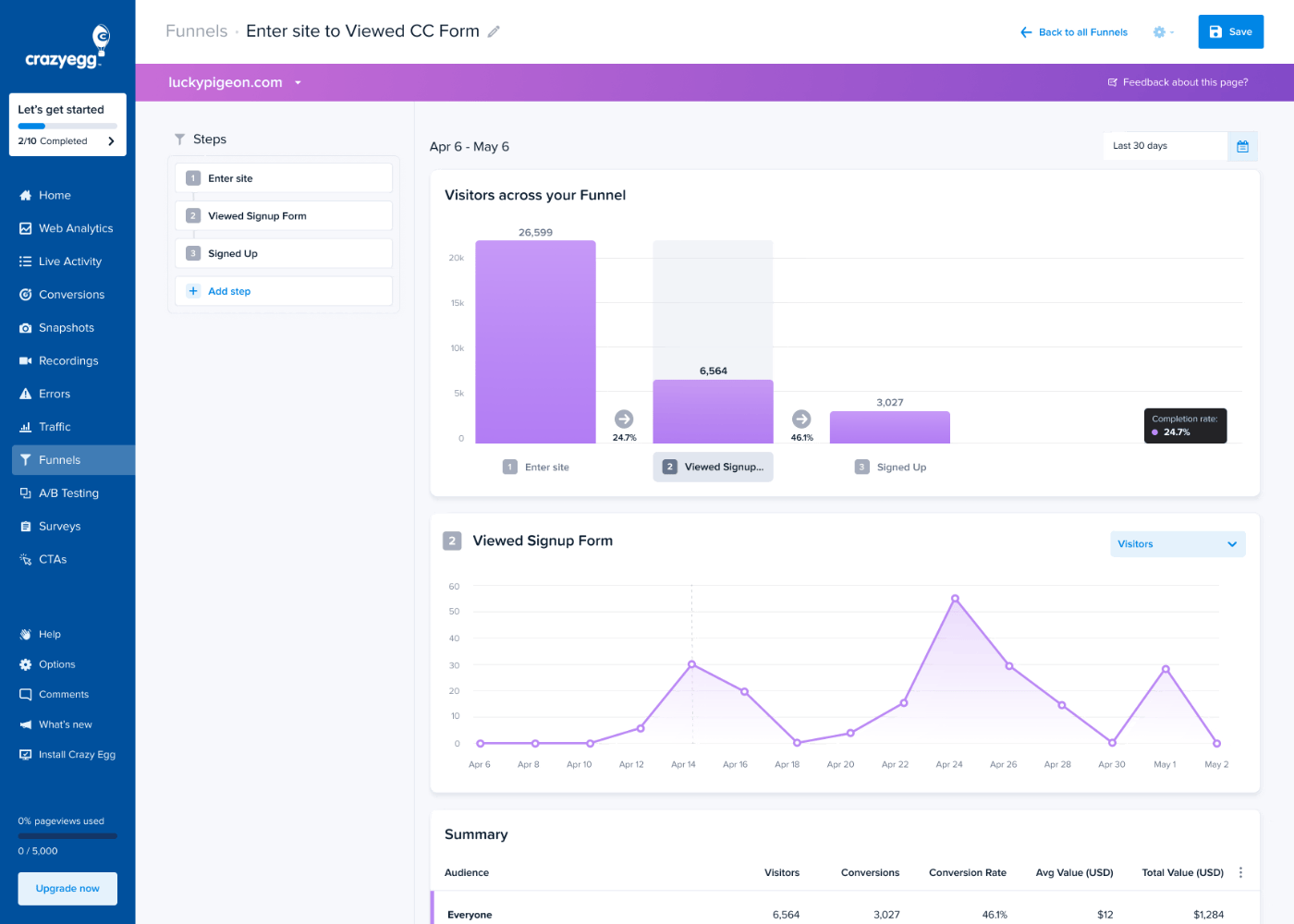
Strategic Implementation: 11 Pillars of High-Performance Exit Popups
To maximize ROI without damaging brand equity, industry leaders have converged on a set of best practices that prioritize the user’s needs alongside the business’s conversion goals.
1. Funnel-Based Prioritization
Marketers are increasingly moving away from site-wide popups. Instead, they prioritize high-value pages where the cost of an exit is highest. By focusing on product pages, cart summaries, and pricing tiers, brands can deploy aggressive offers where they are most likely to be welcomed.
2. Pre-Emptive UX Optimization
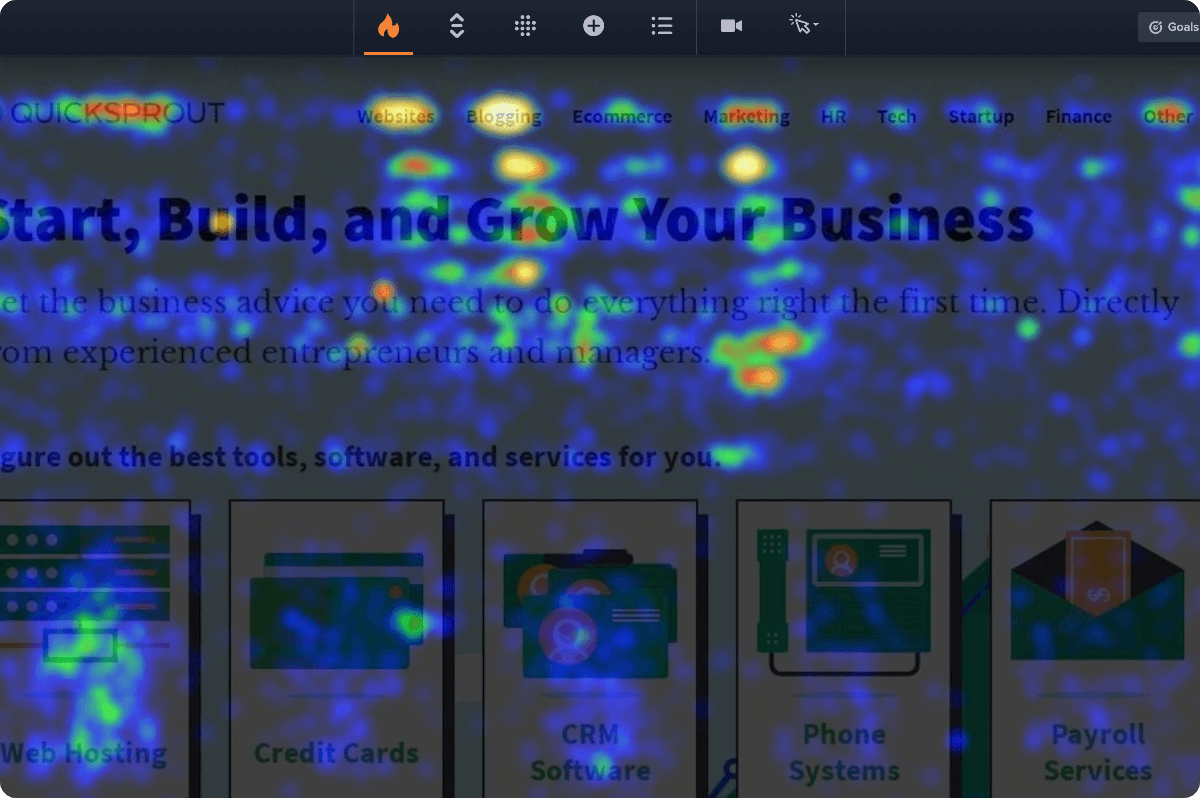
Before implementing exit-intent tools, it is a journalistic standard in the industry to recommend fixing underlying UX flaws. If a high exit rate is caused by hidden shipping costs or a broken “Buy” button, a popup is merely a bandage on a structural wound. Tools like heatmaps and session recordings are essential for identifying these root causes.
3. Intent-Offer Alignment
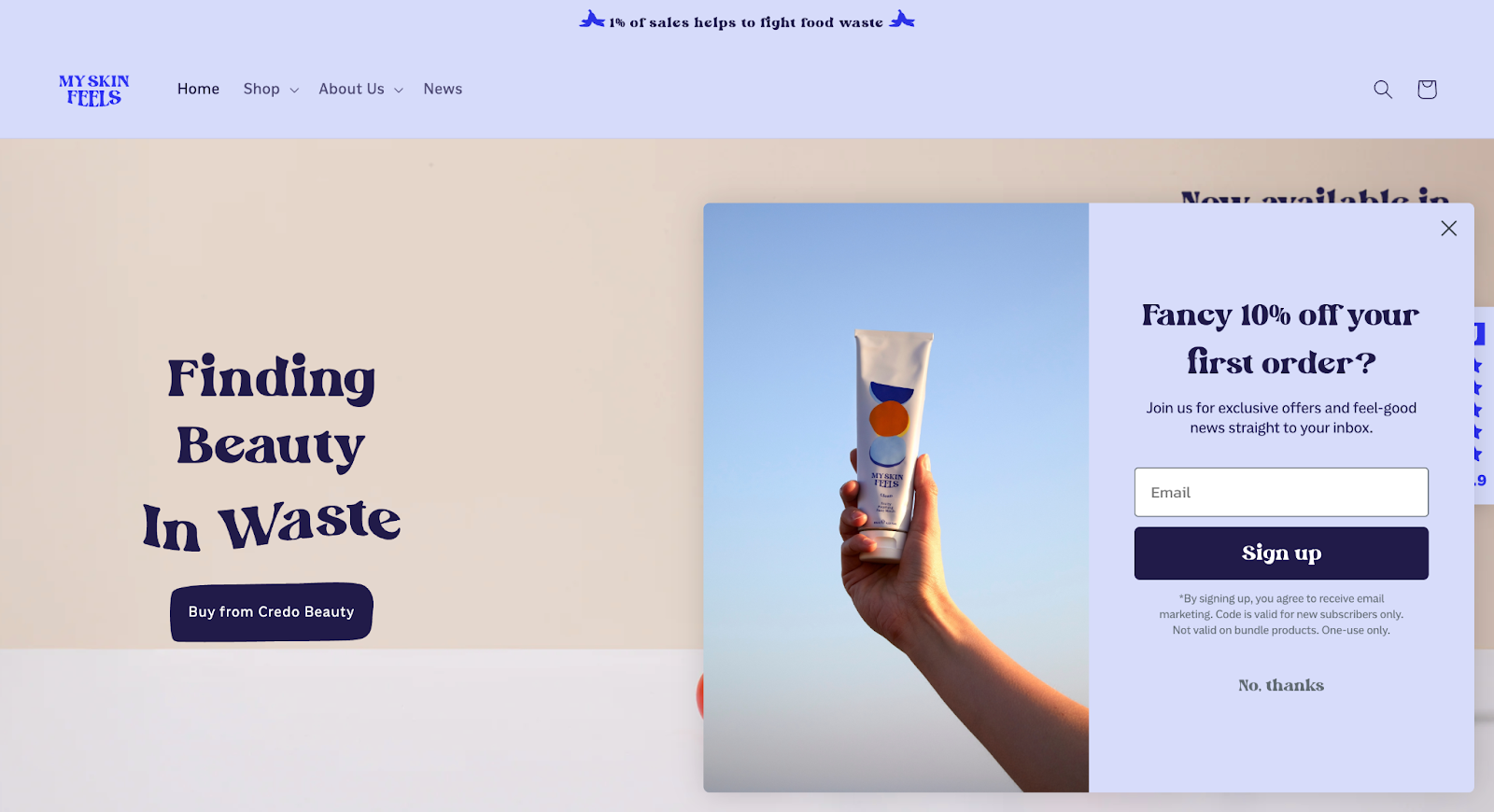
The offer must serve as a direct response to the perceived reason for leaving. If a visitor is exiting a blog post, a newsletter invite is appropriate. If they are leaving a cart, a 10% discount or a “buy now, pay later” option is more relevant.
4. Advanced Segmentation
Modern CRO (Conversion Rate Optimization) strategies involve tailoring popups based on the user’s history. New visitors might see a “welcome” offer, while returning customers or those with a high cart value might receive a more substantial incentive.
5. Design for Instantaneous Cognition
An exit-intent popup has less than two seconds to capture attention. Headlines must be punchy, and the Call to Action (CTA) must be visually dominant. Consistency in branding is also vital; if a popup looks like a third-party advertisement, trust is immediately eroded.
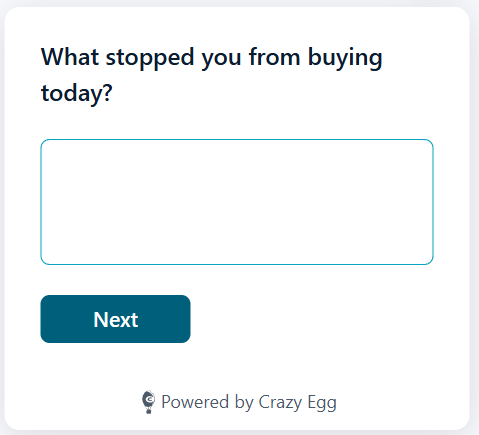
6. The Ethics of Copywriting
There is a growing movement against “confirmshaming”—the practice of using manipulative copy like “No thanks, I prefer to pay full price.” Professional standards now favor neutral, respectful options that allow users to decline an offer without feeling belittled.
7. Accessibility and Regulatory Compliance
With the rise of the ADA (Americans with Disabilities Act) and European accessibility standards, popups must be navigable via keyboard and compatible with screen readers. Furthermore, they must comply with GDPR and CCPA regulations regarding data collection.
8. Mobile-Specific Trigger Tuning
Given the sensitivity of mobile gestures, experts recommend a “delayed” or “muted” trigger for handheld devices. This prevents popups from firing during standard navigation, such as scrolling up to access a menu.
9. Continuous A/B Testing
The digital marketplace is not static. What works in Q1 may fail by Q3. Ongoing testing of headlines, colors, and offer types is necessary to combat “popup fatigue.”
10. Multi-Channel Recovery Integration
Exit popups should not operate in a vacuum. They are most effective when integrated with abandoned cart emails and retargeting ads, creating a cohesive recovery ecosystem.
11. Minimalist Data Collection
Conversion data consistently shows that every additional form field reduces the likelihood of completion. Limiting requests to just an email address—or even just a button click—drastically improves performance.
The Broader Impact: Search Engines and the Future of the Web
The use of exit-intent popups carries implications beyond immediate sales. Google has been vocal about its stance on “intrusive interstitials,” particularly on mobile. While exit-intent popups are generally viewed more favorably than “on-load” popups—because they do not block the user from accessing content they just clicked on—they still factor into a site’s Core Web Vitals and overall SEO ranking.
Industry analysts suggest that the future of exit intent lies in Artificial Intelligence. Predictive modeling will soon allow websites to anticipate an exit before it even begins, based on subtle patterns in navigation and engagement. This “predictive intent” will likely lead to even more personalized, less intrusive interventions.
In conclusion, the exit-intent popup remains one of the most powerful tools in the digital marketer’s arsenal, but its power is matched by its potential for misuse. As the internet moves toward a more user-centric model, the brands that succeed will be those that treat the exit-intent moment not as a last-ditch effort to “trap” a visitor, but as a final opportunity to provide genuine value. By adhering to rigorous data analysis and ethical design principles, businesses can transform a moment of departure into a lasting customer relationship.







