The word “target” is a cornerstone of modern marketing strategy, guiding brands in identifying and engaging specific consumer groups. This foundational concept encompasses various dimensions, including behavioral, psychographic, demographic, and geographic segmentation. However, a critical layer of understanding lies in recognizing the distinct communication preferences and life stages of different generational cohorts. In an ongoing series exploring digital marketing strategies tailored to distinct age groups, this installment delves into the Millennial generation, providing insights into how to effectively reach and resonate with this influential demographic. Previously, the series examined strategies for reaching Gen Z, and now shifts focus to their elder counterparts, the Millennials.
Millennials, broadly defined as individuals born between 1980 and 1994, have become a focal point of demographic and economic discussions. Having surpassed Baby Boomers in population size, they now represent the largest generation in many developed economies. This demographic shift has brought increased attention to their perceived characteristics, often summarized as digitally adept, health-conscious, and burdened by significant debt. While these labels offer a starting point for understanding, a deeper dive is essential to grasp the multifaceted reality of this generation.
The Millennial Mindset: Forged in Digital Transformation
Millennials are unique in that they came of age during the nascent stages of the digital revolution. Unlike Gen Z, who were born into a world where the internet and social media were already established, Millennials witnessed and actively participated in the transformative rise of digital technologies. This formative experience shaped their worldview and their relationship with technology. Key milestones during their upbringing include the advent of the internet as a mainstream tool, the explosion of mobile technology, and the rapid growth of tech giants like Google, Amazon, and Apple. The very creation of Facebook, a platform that has profoundly reshaped social interaction and communication, was spearheaded by a Millennial. This intimate familiarity with digital innovation has fostered a high degree of tech savviness within the generation.
Data from the Pew Research Center highlights further nuances in the Millennial experience. Compared to older generations, Millennials have attained higher levels of education. However, this academic achievement has often come at a significant financial cost. The escalating expenses associated with higher education, coupled with soaring housing market prices, have left many Millennials grappling with substantial student loan debt. This financial pressure has, in turn, influenced their life trajectories, often delaying traditional milestones such as marriage, homeownership, and starting families. This prolonged period of early adulthood, characterized by economic constraints, contrasts with the experiences of previous generations.
Beyond financial considerations, Millennials are often characterized by a degree of self-orientation. This is not necessarily a negative trait but rather reflects a prioritization of individual autonomy and personal fulfillment. They tend to be idealistic, valuing personal freedom and the pursuit of self-discovery. This inclination is also evident in their strong emphasis on health and wellness, which has contributed to the burgeoning popularity of dietary trends such as vegetarianism, veganism, and pescetarianism, alongside a cultural embrace of items like avocado toast. Crucially, for many Millennials, experiences often hold greater intrinsic value than the accumulation of material possessions. This preference for experiential consumption significantly impacts their purchasing decisions.
Millennial Consumption Patterns: Beyond Stereotypes
Understanding Millennial consumption requires moving beyond broad generalizations. Research by McKinsey & Company has identified several distinct clusters of consumer behavior among this demographic, revealing a more complex picture of their purchasing habits. These clusters often reflect a blend of their digital fluency, financial realities, and value-driven priorities.
One prominent cluster might be characterized as the “Conscious Consumer,” individuals who prioritize brands aligning with their ethical and social values. They are keen on understanding a product’s origin, its environmental impact, and the company’s labor practices. This often translates into a willingness to support smaller, independent businesses or brands with a clear social mission.
Another significant cluster is the “Experience Seeker.” As previously noted, this group places a premium on acquiring memorable experiences over owning tangible goods. This can manifest in their spending on travel, concerts, dining out, and other activities that offer personal growth or enjoyment. Marketing to this group often involves showcasing the experiential benefits of a product or service, rather than just its functional attributes.
The “Pragmatic Saver” cluster represents Millennials who, due to financial pressures, are highly focused on value and long-term benefits. They are meticulous in their research, comparing prices and seeking out deals. However, this does not preclude them from investing in quality. While they may be budget-conscious, they are often willing to spend more on premium products that are durable, offer long-term health advantages, or represent a sound investment. This discerning approach to spending highlights their desire for quality and longevity.
A further segment can be identified as the “Digital Native Shopper.” This group is entirely comfortable navigating online retail environments, utilizing e-commerce platforms, and relying on digital reviews and social media recommendations to inform their purchases. They expect seamless online experiences, efficient delivery, and personalized offers.
It is important to underscore that despite expressed concerns about their financial futures, Millennials are not universally abstaining from spending. Instead, their spending is often more considered and targeted. They are willing to allocate greater resources towards premium or quality products that promise longevity, demonstrable health benefits, or align with their aspirational lifestyles. This indicates a sophisticated approach to consumption, where value is assessed on a multidimensional scale that extends beyond mere price.
Strategic Approaches to Marketing to Millennials
With a deeper understanding of Millennial characteristics and consumption patterns, marketers can develop more effective strategies to engage this generation. The key lies in meeting them where they are, both in terms of platform and messaging.
Platforms to Reach Millennials
Identifying the most effective digital channels is paramount. While Gen Z may gravitate towards newer platforms, Millennials maintain a strong presence across a range of established and evolving digital spaces.
- Social Media: Millennials are active users of major social media platforms. Facebook remains a significant channel, particularly for community building and sharing personal updates. Instagram is popular for visual content, lifestyle inspiration, and product discovery. LinkedIn serves as a professional networking and career development tool. While they may not be early adopters of every new platform, they are adept at leveraging existing ones for various purposes.
- Search Engines: Given their tendency for research and price comparison, search engines like Google are critical for Millennials seeking information, reviews, and purchasing options. Optimizing for relevant keywords and ensuring a strong presence in search results is essential.
- Video Platforms: YouTube is a primary source of entertainment, educational content, and product reviews for Millennials. Engaging video content that is informative, entertaining, or aspirational can capture their attention.
- Email Marketing: Despite the rise of instant messaging, email remains a trusted and effective channel for direct communication, promotions, and personalized offers. Millennials respond well to well-crafted, value-driven email campaigns.
- Content Marketing & Blogs: Millennials often engage with in-depth content, such as blog posts, articles, and guides, to inform their decisions and explore their interests. Providing valuable, informative content establishes brand authority and builds trust.
- Podcasts: The growing popularity of podcasts offers another avenue to reach Millennials, particularly those interested in specific niches, news, or personal development.
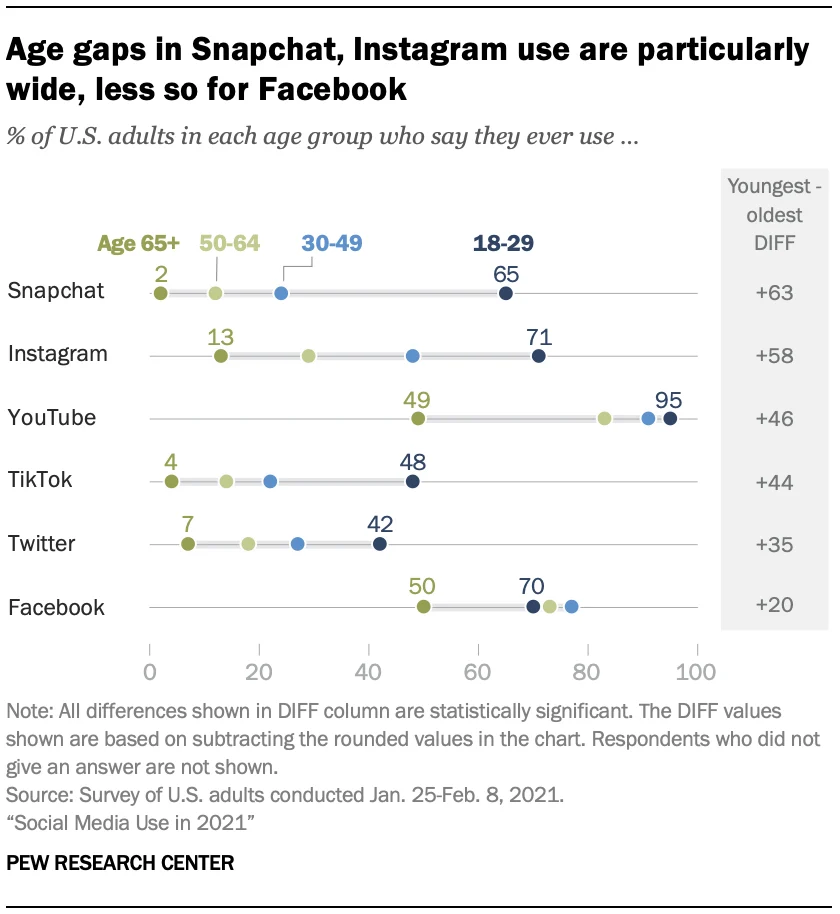
The accompanying visual representation of age gaps across social media platforms underscores the importance of understanding which demographics are most active on each channel. While younger generations might dominate platforms like TikTok, Millennials maintain a significant presence on Facebook, Instagram, and YouTube, necessitating a tailored platform strategy.
Messaging That Speaks to Millennials
Crafting messages that resonate with Millennials requires authenticity, transparency, and a clear articulation of value. The nuances within the Millennial consumer clusters—the Conscious Consumer, the Experience Seeker, the Pragmatic Saver, and the Digital Native Shopper—mean that a one-size-fits-all approach is insufficient.
For the Conscious Consumer, messaging should highlight a brand’s commitment to ethical practices, sustainability, and social responsibility. Transparency about sourcing, production, and environmental impact is crucial. Demonstrating a positive impact beyond profit will foster loyalty.
The Experience Seeker will respond to messaging that emphasizes the aspirational and experiential benefits of a product or service. Focus on how the offering can enhance their lifestyle, create memorable moments, or facilitate personal growth. Storytelling that evokes emotion and paints a picture of the desired experience is highly effective.
For the Pragmatic Saver, messaging should clearly articulate the value proposition. Highlight durability, long-term benefits, cost-effectiveness, and quality. Demonstrating how a product or service offers a sound investment and solves a real need will resonate. Transparent pricing and clear explanations of features that justify the cost are important.
The Digital Native Shopper will appreciate messaging that is direct, informative, and easily accessible online. Ensure that product information is readily available, customer reviews are prominent, and the purchasing process is seamless. Personalized offers and recommendations based on their online behavior can also be highly effective.
Across all these segments, authenticity is paramount. Millennials are discerning consumers who can detect disingenuous marketing. Brands that adopt a transparent, honest, and relatable tone are more likely to build trust and foster long-term relationships. Highlighting the “why” behind the brand, beyond simply selling a product, can also be a powerful differentiator.
Ultimately, successful marketing to Millennials hinges on a deep understanding of their evolving needs, values, and digital behaviors. By moving beyond stereotypes and employing targeted strategies across relevant platforms with authentic and value-driven messaging, brands can effectively connect with this significant and influential generation. For brands seeking to refine their approach and develop bespoke digital marketing solutions to engage and convert their Millennial audience, consulting with experienced marketing professionals can provide invaluable strategic guidance.