A significant number of initial Google Ads campaigns falter before they even achieve their potential, a common oversight attributed not to the inherent difficulty of the platform, but to a foundational misstep: starting in the wrong place. Many businesses and agencies, eager to generate immediate results, bypass crucial preliminary steps, diving directly into keyword research and ad copy creation. This often leads to a scenario where, weeks into a campaign, clients are presented with invoices and a trickle of leads that are either unquantifiable or entirely irrelevant. This article outlines essential guidelines, frequently overlooked by novices, that are critical for establishing a robust and effective Google Ads strategy, as observed by seasoned professionals managing campaigns for small and medium-sized businesses (SMBs).
The Imperative of Pre-Launch Foundations
The digital advertising landscape, particularly within platforms like Google Ads, demands a strategic approach that prioritizes foundational elements before execution. The temptation to immediately engage with the visible aspects of campaign creation—keywords and advertisements—is understandable, especially for those new to the intricacies of pay-per-click (PPC) advertising. However, this haste often results in wasted ad spend and disillusionment. Experts consistently emphasize that successful campaigns are built on a bedrock of meticulous planning and setup.
1. Establishing Conversion Tracking: The Cornerstone of Optimization
Before any keywords are entered or ad copy is drafted, the absolute first priority must be the setup of conversion tracking. This fundamental step defines what constitutes a “win” for the business. Whether a win is a completed form submission, a phone call, a booking, or a direct purchase, it must be accurately measured. This tracking mechanism needs to be fully operational before any paid traffic begins to arrive at the website.
Industry best practices recommend utilizing tools like Google Tag Manager to establish all relevant conversion goals. This allows for seamless integration with both the Google Ads account and Google Analytics 4 (GA4). The absence of conversion tracking renders a campaign effectively blind. Without data on what actions users are taking after clicking an ad, neither the advertiser nor the Google Ads algorithm can make informed decisions, leading to a guessing game with budget and targeting. This single step, if implemented correctly, positions a campaign at least halfway towards potential success.
2. The Principle of One Offer Per Campaign: Strategic Budget Allocation
A Google Ads campaign, at its core, functions as a budget container. Its primary role is to allocate a specific financial allocation towards advertising efforts. A common error is to consolidate multiple, disparate products or services into a single campaign. For instance, a business offering emergency plumbing, routine maintenance, and elaborate kitchen renovations should not attempt to fund all three under one campaign umbrella.
In such a scenario, the budget will disproportionately favor the cheapest clicks, often associated with lower-intent searches, while neglecting the higher-value services. The principle of consolidation is valuable, but segmentation is crucial when logical and strategic. For an initial campaign, it is paramount to select the service or product with the most direct and evident buying intent. An “emergency plumber” search, for example, signifies immediate need and a higher propensity to convert compared to a search for “plumbing tips.” Similarly, “dentist near me” indicates a more immediate need than “teeth whitening guide.” Financial transactions typically occur at the bottom of the marketing funnel, where user intent is clearest.
3. Precision in Ad Groups: Thematic Alignment of Keywords, Ads, and Landing Pages
Within the structure of a campaign, ad groups serve a singular, vital purpose: to create a tight alignment between keywords, the advertisements that appear for those keywords, and the landing page where users are directed. A beginner’s mistake often involves consolidating a large volume of keywords—sometimes hundreds—into a single ad group. This practice dilutes the relevance of the ads, leading to lower Quality Scores, increased Cost Per Click (CPC), and a significant portion of the keywords never even receiving an impression.

A more effective approach involves creating multiple, tightly themed ad groups. Each ad group should contain a small cluster of highly related keywords. If a particular keyword necessitates a different headline or ad copy to resonate effectively, it warrants its own dedicated ad group. For example, “emergency plumber” and “boiler installation” might both lead to conversions, but they represent distinct search intents and require tailored messaging. This granular organization ensures that the ads shown are highly relevant to the user’s specific search query, thereby improving click-through rates and conversion potential.
4. Navigating Keyword Match Types: Avoiding Broad Match Initially
The selection and application of keyword match types represent a significant area where novice advertisers frequently mismanage their budgets. For new campaigns, it is strongly advised to begin exclusively with “Phrase Match” and/or “Exact Match” keywords. While Google’s “Broad Match” has seen improvements, it can still attract irrelevant traffic, especially without a well-developed negative keyword list and sufficient conversion data to guide the algorithm.
The recommendation is to defer the use of Broad Match until a campaign has accumulated several months of conversion data. This allows for the development of a robust negative keyword list and provides the algorithm with the necessary insights to optimize effectively. A practical starting structure for each ad group involves a core set of exact match keywords, supported by phrase match variations. The objective is not to capture every conceivable search query, but to target those most likely to result in a conversion. Phrase match keywords, in many instances, will naturally capture broader traffic, thereby aggregating valuable data and providing the algorithm with greater flexibility to discover relevant search terms.
5. Proactive Negative Keyword Implementation: Shielding Against Irrelevant Clicks
Negative keywords are an indispensable tool in Google Ads, enabling advertisers to explicitly instruct the platform on which search terms and phrases they do not want their ads to appear for. This proactive measure is crucial from the outset of campaign creation. Before launching, it is advisable to open Google Ads Editor or a simple text file to begin compiling a comprehensive negative keyword list.
This list should initially include obvious generic terms that are unlikely to lead to a conversion, such as “free,” “Amazon,” “how to,” “courses,” “eBay,” and similar modifiers. Subsequently, the focus should shift to industry-specific negative keywords. For an emergency plumber campaign, for instance, terms like “DIY,” “replacement parts,” or “installation guides” might be irrelevant and costly to target. These terms can sometimes overlap with relevant searches, making their inclusion in the negative list from the onset a prudent decision.
Furthermore, a daily review of the Search Terms Report for the initial two weeks of a campaign is critical. Every irrelevant query identified should be immediately added to the negative keyword list. This consistent habit is a key differentiator between a campaign that steadily improves and one that hemorrhages budget on unproductive clicks.
6. Deconstructing Campaign Settings: Avoiding Budget Leaks
A number of default campaign settings within Google Ads can quietly deplete an advertising budget if left unchanged. These settings require only a few minutes to adjust but can save a significant amount of money, often more than subsequent optimization efforts.
One critical area is the “Networks” setting. For most search campaigns, it is advisable to deselect “Include Google Search Partners” and “Include Google Display Network” from the campaign settings. While these networks can sometimes yield results, they often operate with lower user intent compared to the core Google Search Network. New advertisers, lacking the experience to effectively manage these broader networks, are best advised to focus their initial budget on the highly intent-driven Google Search results page.

Another common pitfall lies within the “Devices” and “Audiences” targeting. While granular control over these elements is beneficial, for a brand-new campaign with no historical data, it is often prudent to initially target all available devices and not layer specific audience segments. This allows Google’s algorithms to gather broad data and identify patterns. Once sufficient conversion data is collected, these settings can be refined based on performance. For example, if data indicates that mobile users are not converting, a bid adjustment can be made to de-prioritize mobile traffic.
7. Strategic Bidding and Budget Management: Aligning with Data Availability
The choice of bidding strategy is heavily influenced by the availability of conversion data. For a brand-new Google Ads campaign that has no prior conversion history, starting with “Manual CPC” or “Maximize Clicks” with a CPC cap is the recommended approach. Smart Bidding strategies, such as “Maximize Conversions” or “Target CPA,” rely on substantial conversion data to function effectively. Without this data, these automated strategies will struggle to optimize and can lead to inefficient spending.
Once a campaign has accumulated approximately 25-30 conversions within a 30-day period, the advertiser can then consider transitioning to “Maximize Conversions” or “Target CPA.” At this juncture, the algorithm has sufficient data to make informed bidding decisions, aiming to achieve the desired outcomes more efficiently.
8. The Initial Observation Period: Allowing Learning, Not Tinkering
One of the most costly mistakes new advertisers make during the first week of a campaign is excessive editing. It is vital to resist the urge to constantly tweak bids, pause keywords, or shift budgets. During this initial period, the primary objective should be observation and data collection.
The essential actions to take in week one include reviewing the Search Terms Report to identify and add negative keywords for irrelevant queries, and pausing any elements that are demonstrably broken or performing exceptionally poorly. Beyond these fundamental checks, it is best to allow the campaign to run undisturbed. Frequent changes can reset the learning phase of Google’s algorithms, hindering their ability to optimize effectively. Two weeks of consistent, clean data are far more valuable than a month of continuous tinkering.
After this initial 14-day period, a more informed decision-making process can commence. This includes identifying which keywords are driving conversions, which ad groups warrant increased budget allocation, and which advertisements are underperforming and should be paused. For accounts with smaller budgets, this learning and optimization cycle may extend even longer.
The Unvarnished Truth: Foundations Dictate Success
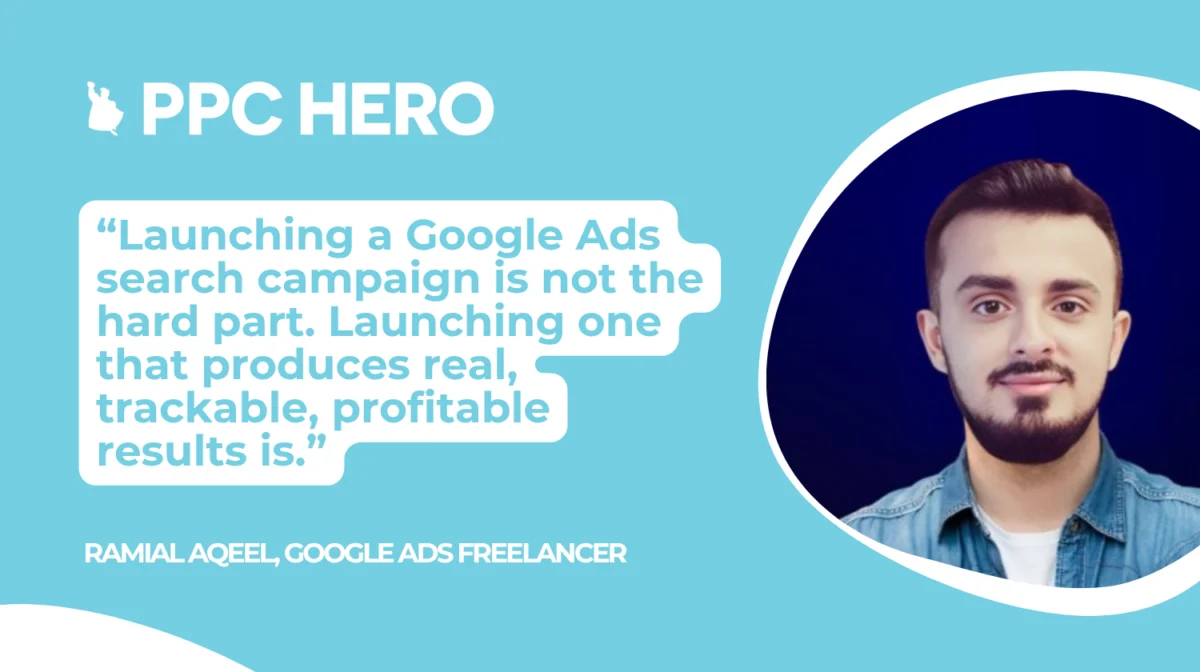
The act of launching a Google Ads search campaign is, in itself, not the most challenging aspect. The true difficulty lies in launching a campaign that consistently delivers tangible, trackable, and profitable results. By diligently focusing on and correctly implementing these foundational guidelines, advertisers can position themselves to achieve approximately 90% of the success required for a high-performing campaign. The remaining 10% often involves ongoing optimization and refinement based on the data gathered, but without a solid foundation, even the most sophisticated optimization techniques will struggle to yield meaningful outcomes. The principles outlined here are not merely best practices; they are the essential building blocks for sustainable success in the competitive realm of digital advertising.