

The digital commerce landscape has undergone a seismic shift over the last decade, transitioning from a “growth at all costs” mentality toward a more sustainable focus on unit economics and customer lifetime value (LTV). While traditional conversion rate optimization (CRO) has historically prioritized the immediate transaction, emerging data suggests that the most successful brands are those that optimize for customer “activation”—the critical period immediately following a purchase where a buyer decides whether a product becomes a staple or a regret. Industry experts now argue that the foundations for long-term retention are actually laid on the website long before a customer reaches the checkout page.

The shift in focus comes at a time when Customer Acquisition Costs (CAC) have reached record highs across platforms like Meta and Google, making it increasingly difficult for e-commerce and Software as a Service (SaaS) businesses to achieve profitability on a single transaction. Consequently, the role of the website has evolved from a simple sales engine into a tool for expectation management and long-term behavioral engineering.
The Heights Case Study: A Blueprint for Expectation Management
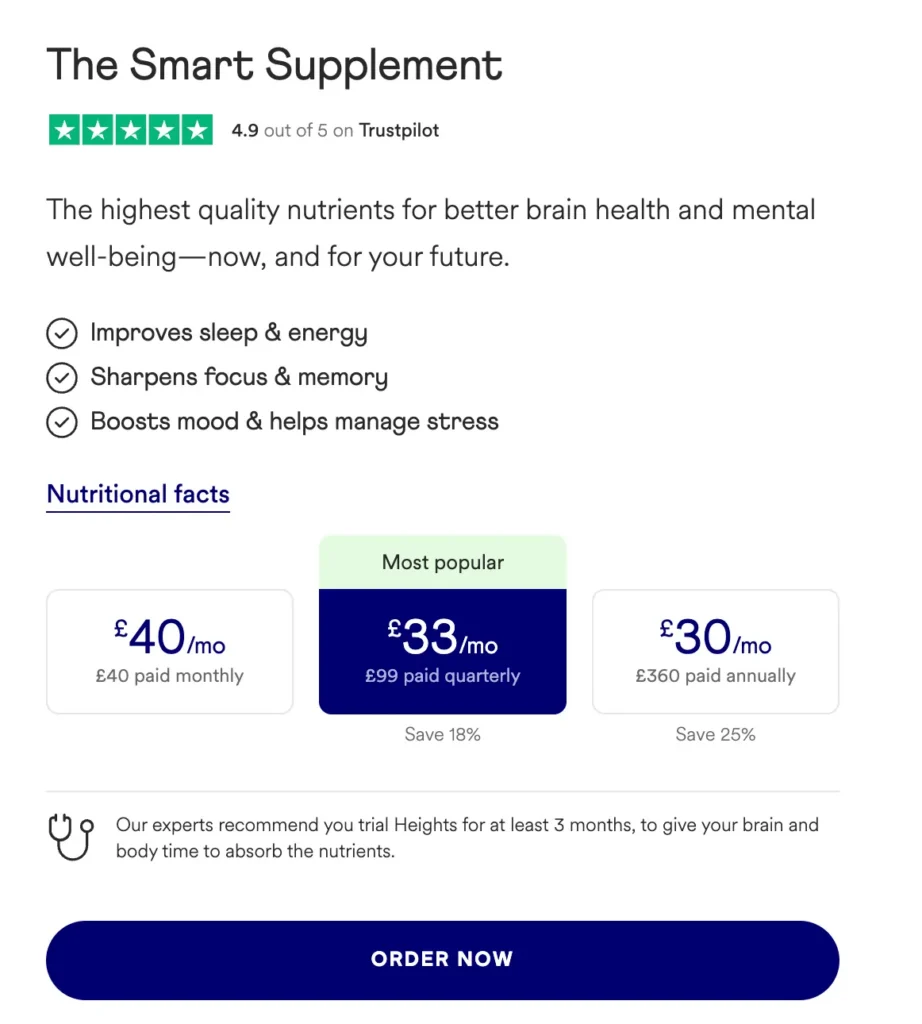
One of the most notable examples of this shift occurred during the early growth stages of Heights, a brain health supplement company. Under the leadership of former Head of Growth Daphne Tideman, the company discovered that the most impactful experiment for long-term revenue had little to do with the initial conversion rate. Instead, it focused on ensuring customers utilized the product consistently.

By introducing a single line of copy advising customers to take the supplement for at least three months to see results, Heights successfully planted a “commitment seed” pre-purchase. This strategy addressed a common pitfall in the supplement industry: the “quit gap,” where users stop taking a product before biological benefits manifest. This copy, which has remained a fixture on the Heights product page for over five years, demonstrates how transparency regarding product timelines can actually increase the quality of the customer base. By filtering for users willing to commit to a 90-day window, the brand effectively boosted subscription lengths and reduced churn.
The Criticality of the Seven-Day Activation Window
In the world of growth marketing, the first seven days post-purchase are considered the “activation window.” This period is the most volatile stage of the customer journey. If a user is properly activated—meaning they experience the product’s core value proposition—they are statistically more likely to retain for months or even years.

Activation is not merely a post-purchase phenomenon; it is an extension of the website experience. Experts identify three primary ways a website can influence this window:
- Creating Clarity: Explicitly stating what happens after the “Buy” button is clicked.
- Building Trust: Utilizing social proof and honest messaging to ensure the customer is mentally prepared to put in the effort required to use the product.
- Increasing Motivation: Aligning the website’s messaging with the customer’s “Jobs to Be Done” (JTBD) rather than just listing features.
When a website speaks to the specific outcome a customer is trying to achieve, the customer arrives at the point of delivery with a higher level of intent. This intent serves as the fuel needed to overcome the initial friction of setting up a new software or integrating a new physical product into a daily routine.
Industry Benchmarks: From Dyson to Butternut Box
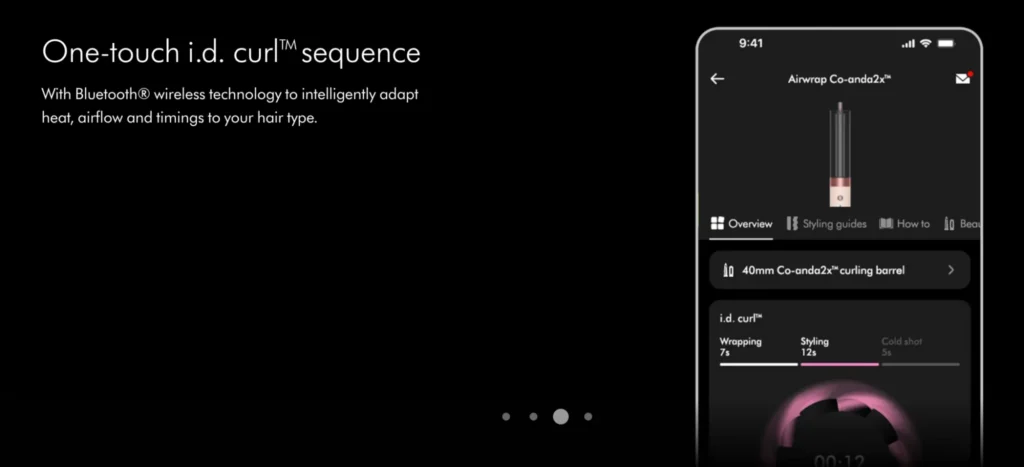
Several market leaders have adopted sophisticated methods to bridge the gap between purchase and long-term utility. Dyson, for instance, faced a significant challenge with its high-end Airwrap styling tool. Because the product requires a specific technique to master, high return rates were often driven by user frustration rather than product defect. In response, Dyson integrated an app-based guidance system into the customer journey, providing styling tutorials tailored to different hair types. This educational layer, promoted heavily on the website, transformed a complex tool into a manageable skill, thereby protecting the initial sale.
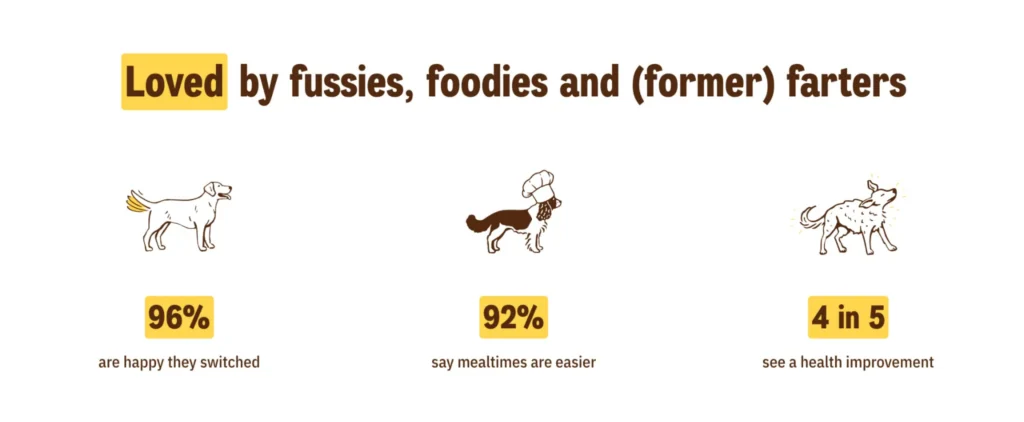
Similarly, the dog food brand Butternut Box uses data-driven social proof to set expectations. By displaying statistics on the website regarding what other pet owners experienced in the weeks following a switch to their brand, they normalize the transition period. This data serves as a roadmap for the new customer, reducing the likelihood of “buyer’s remorse”—the psychological phenomenon where a customer questions their purchase decision immediately after the transaction.
The Role of Post-Purchase Communication
The traditional e-commerce model often treats the order confirmation email as the end of the sales funnel. However, journalists and analysts in the tech space note that this is a missed opportunity for brand reinforcement. Most companies immediately pivot to “upselling” or “cross-selling,” which can alienate a customer who has not yet received their first order.
A more effective journalistic approach to the post-purchase flow involves:
- Reinforcing the “Why”: Reminding the customer of the problem they are solving.
- Setting Timelines: Telling them exactly when they will see results.
- Simplifying the First Step: Providing a single, low-friction action to take upon delivery.
For SaaS companies, this might mean guiding a user toward a “sticky” feature—an action that correlates highly with long-term retention. In the fitness app industry, for example, completing three workouts in the first week is often the “North Star” metric for activation. A website and its subsequent email flows should be singularly focused on driving that specific behavior.
A Practical Framework for Auditing the Activation Journey
For businesses looking to replicate these results, the process begins with a rigorous audit of the current user experience. This involves a four-step methodology:

1. Defining “Activated”
Businesses must utilize analytics to identify the behaviors that separate long-term loyalists from one-time buyers. For a physical product, this might involve tracking email engagement or customer support interactions. For a digital product, it involves identifying the “Aha! moment” where the user first realizes the product’s value.
2. The New Customer Audit
Decision-makers are encouraged to “mystery shop” their own brands. This involves going through the entire purchase process, from the initial website visit to the unboxing of the physical product or the initial login of a software platform. Every notification, packaging slip, and in-app prompt should be evaluated on whether it builds trust or adds unnecessary noise.

3. Physical Touchpoints as Marketing Assets
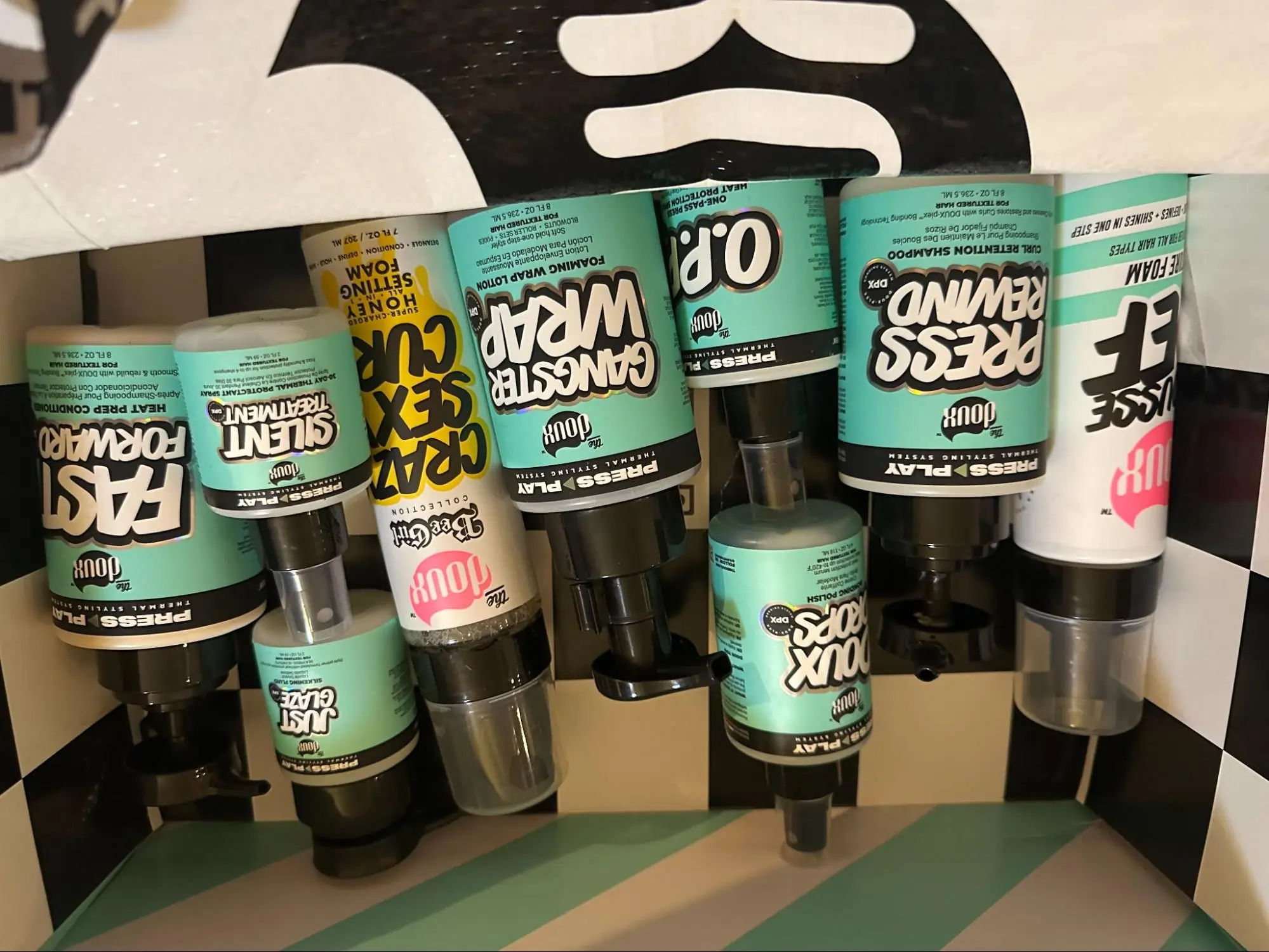
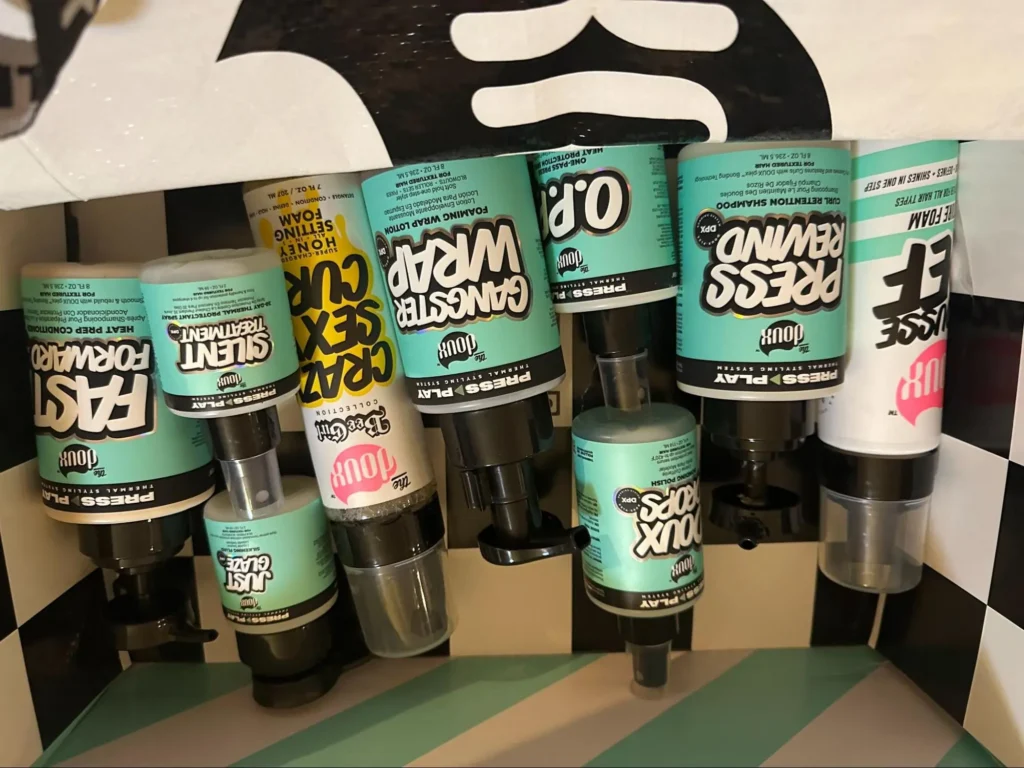
In the e-commerce sector, the “unboxing experience” has become a vital marketing channel. Brands like Mission Teas and La Doux have mastered the art of using packaging to reinforce brand personality. Mission Teas includes benefits and usage instructions on the interior of their shipping boxes, ensuring that the first physical interaction with the brand is educational. La Doux utilizes personalized messaging to create an emotional connection, which has been shown to reduce return rates by fostering a sense of appreciation in the buyer.
4. Segmenting by Acquisition Source
A critical finding in recent growth studies is that not all traffic is equal. Organic users often activate at significantly higher rates than those acquired through aggressive paid advertising. Analysts suggest that if activation rates are low, the problem may not be the onboarding flow, but rather the quality of the traffic being driven to the website. Optimizing for long-term buyers often requires a shift in top-of-funnel strategy to attract users with higher innate intent.

The Compounding Impact of Retention-Focused CRO
The mathematical implications of optimizing for activation are profound. While a standard CRO experiment that increases the landing page conversion rate by 10% results in a linear 10% increase in customers, an experiment that increases 7-day retention by 10% has a compounding effect. These customers stay longer, have a higher lifetime value, and are more likely to become brand advocates, effectively lowering future CAC through word-of-mouth.
As the digital economy becomes more competitive, the distinction between “selling” and “activating” will define the next generation of market leaders. The most resilient companies are realizing that the website’s job is not just to close the deal, but to ensure that the deal was worth making for the customer. By shifting the focus from the “front door” to the “living room,” brands can build a foundation of long-term buyers that provides stability in an otherwise volatile market.
The evolution of website optimization is moving away from the “hack” and toward the “habit.” In this new era, the most valuable metric on any dashboard is no longer just the conversion rate—it is the percentage of users who are still active and satisfied 30, 60, and 90 days after that first click.







