rifanmuazin
The digital content landscape has undergone a profound transformation, moving far beyond the rudimentary keyword-matching algorithms that once defined search engine optimization (SEO). Today, Google’s sophisticated artificial intelligence (AI) and machine learning capabilities prioritize content that demonstrates true value, understanding not just what words are on a page, but the underlying intent, context, and, crucially, the inherent quality of the information presented. This evolution has solidified the importance of Google’s E-E-A-T guidelines – Experience, Expertise, Authoritativeness, and Trustworthiness – as the cornerstone of any successful content strategy aiming for visibility and impact.
The Genesis of Quality: From Keywords to Contextual Understanding
In its nascent stages, Google’s search engine operated on a relatively simple premise: indexing web pages and returning results based on the direct matching of user queries to keywords found within documents. This era, spanning the late 1990s and early 2000s, gave rise to basic “keyword research and optimization” techniques. Publishers often employed tactics like keyword stuffing, focusing on manipulating algorithms rather than genuinely serving user needs, in hopes of securing top rankings. However, as the World Wide Web grew exponentially and user expectations for relevant, high-quality information intensified, Google recognized the imperative for a more intelligent and reliable approach.
The shift began subtly, with algorithmic updates gradually introducing more nuanced signals of quality. Major milestones like the Panda Update in 2011 marked Google’s serious commitment to penalizing low-quality content farms and duplicate content, fundamentally altering how content quality was perceived by the algorithm. This was followed by the Hummingbird Update in 2013, a pivotal change that revolutionized semantic search, enabling Google to understand the meaning and context behind user queries, rather than just individual keywords. It became clear that content needed to answer questions comprehensively and meaningfully, not just contain target phrases. These foundational changes laid the groundwork for what would eventually become the E-A-T, and later, E-E-A-T framework, signifying a paradigm shift from a machine-readable web to a human-comprehensible one.
Decoding E-E-A-T: Experience, Expertise, Authoritativeness, Trustworthiness
The concept of E-A-T (Expertise, Authoritativeness, Trustworthiness) first emerged prominently in Google’s Search Quality Raters’ Guidelines, an extensive, publicly available document used by thousands of human evaluators globally. These raters manually assess the quality of search results based on a detailed rubric, providing invaluable feedback that helps train and refine Google’s sophisticated algorithms. The initial E-A-T framework, introduced years ago, aimed to teach the machine what “quality” content truly looks like from a human perspective, acknowledging that the definition of quality is inherently subjective and context-dependent.
A significant enhancement to this framework occurred more recently, with the addition of the first “E” for Experience, transforming E-A-T into E-E-A-T. This update, detailed in Google’s guidelines, underscored the search giant’s desire to prioritize content created by individuals who possess direct, first-hand experience with the topic they are discussing.
Let’s break down each critical component:
- Experience: This refers to the content creator’s direct personal involvement or use of the subject matter. For instance, a product review written by someone who has genuinely used and tested the product, or travel advice from an individual who has visited the destination and can share personal insights, carries more weight than content based solely on theoretical knowledge or aggregated information. This emphasizes authentic, lived understanding.
- Expertise: This denotes the knowledge and skill of the content creator in a particular field. While formal qualifications and academic credentials are crucial for certain highly specialized topics (such as medical or legal advice), expertise can also be demonstrated through extensive practical knowledge, a proven track record, recognized talent, or significant contributions within a specific industry or niche.
- Authoritativeness: This relates to the reputation of the content creator and the website as a trusted, leading source of information on a given topic. It’s about being recognized and cited as a go-to authority by other reputable entities in the industry, by news outlets, or by the general public. Authoritativeness is built over time through consistent, high-quality contributions.
- Trustworthiness: This is arguably the most critical component, encompassing the legitimacy, accuracy, honesty, and safety of both the content and its creator. Users must feel confident that the information they are consuming is reliable, unbiased, well-supported by evidence, and presented on a secure platform. This includes aspects like transparent sourcing, responsible handling of sensitive topics, and a website’s overall security measures.
It is vital to note that E-E-A-T applies to both the website as a whole and the individual content creator. A reputable website hosting content from an uncredited or unverified author may still fall short in E-E-A-T assessment, just as a highly expert author publishing on a questionable or untrustworthy platform might struggle for recognition. Google’s algorithms strive to evaluate the entire chain of credibility.
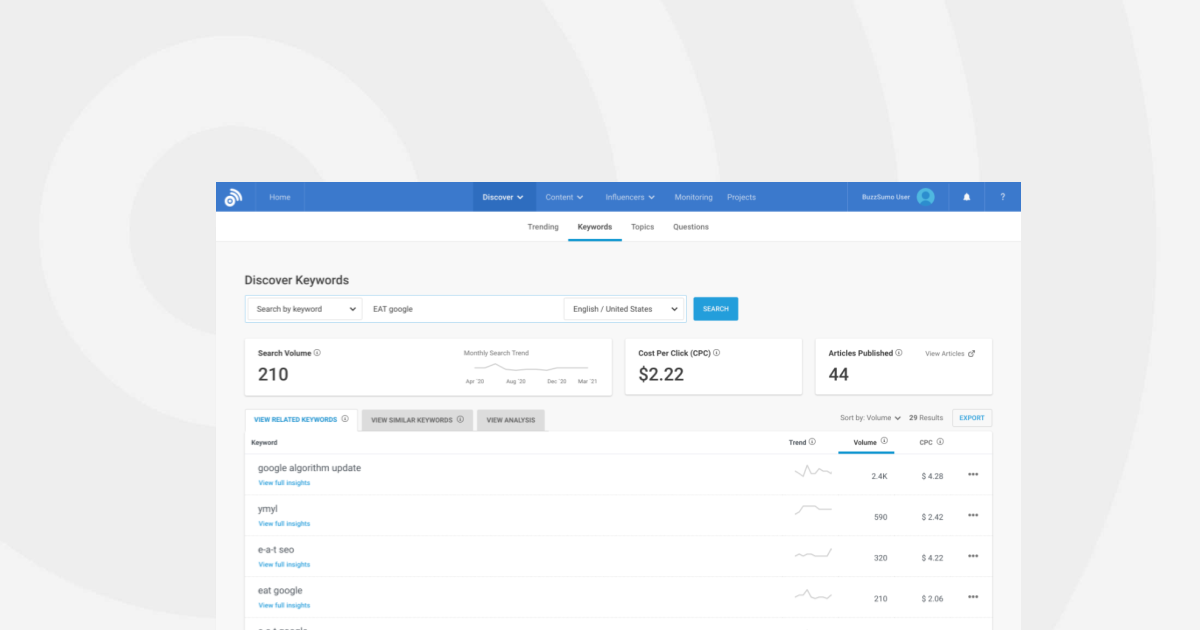
The Criticality of E-E-A-T: Special Considerations for YMYL Topics
The importance of high E-E-A-T varies significantly depending on the nature of the topic. For content related to Your Money or Your Life (YMYL), E-E-A-T becomes paramount. YMYL topics are those where inaccurate, misleading, or low-quality information could directly and negatively impact a user’s health, financial stability, safety, or overall well-being. Google exercises extreme caution and applies the most stringent quality standards in ranking such content to prevent potential harm to its users.
Examples of YMYL topics and their heightened E-E-A-T demands include:
- Medical and Health Information: Content discussing symptoms, diagnoses, treatments, disease prevention, or medication must originate from qualified medical professionals (e.g., doctors, nurses, pharmacists), reputable health organizations (e.g., WHO, CDC), or peer-reviewed scientific publications. The potential for misguidance and harm necessitates unquestionable expertise and trustworthiness.
- Financial and Legal Advice: Articles offering guidance on investments, taxes, retirement planning, loans, legal rights, or contracts must be authored by certified financial advisors, legal professionals, or official government regulatory bodies. The risk of financial loss or legal repercussions demands stringent quality control and verifiable authority.
- News Reporting and Current Events: News articles, particularly those covering current events, politics, international affairs, or critical societal issues, require experienced, credentialed journalists to provide accurate, factual, and unbiased reporting. Verifiable sources, journalistic integrity, and a commitment to truth are non-negotiable for high E-E-A-T in this domain.
- Civic and Government Information: Content related to voting procedures, legislation, public policy, or government services should directly reference official government sources or be authored by recognized civic authorities to ensure accuracy, authority, and public trust.
- Topics Related to Children: Any advice or information pertaining to children, including health, education, or safety, must be sourced from highly reliable and expert organizations or individuals to protect vulnerable populations.
- Product Reviews (High-Value/Impact): While general product reviews might not be YMYL, reviews for high-value items (e.g., cars, major appliances) or products with safety implications require demonstrable first-hand experience and a clear, objective methodology for evaluation. A review detailing actual usage, comprehensive testing, pros, cons, and a transparent process for incorporating third-party data will significantly outperform generic write-ups.
It is worth noting that a lack of widespread public reputation does not automatically equate to low E-E-A-T. Many small websites and individual creators may not have extensive public profiles but can still produce exceptionally high E-E-A-T content, particularly when their content is backed by genuine first-hand experience and demonstrable expertise, especially in niche areas. Google’s algorithms are designed to recognize this authentic value and prioritize it where appropriate.
Strategic Pillars for Elevating Your Content’s E-E-A-T Score
To thrive in today’s sophisticated search landscape, content creators and digital marketers must move beyond outdated SEO tactics like keyword stuffing and embrace a holistic, user-centric approach guided by E-E-A-T principles. This involves a fundamental shift in content planning and creation, focusing on genuinely answering customer questions and fulfilling their search intent with unparalleled quality.
1. Mastering Content Quality through Deep Analysis:
Understanding what truly constitutes “quality” content in your specific niche is the foundational first step. This involves a meticulous analysis of existing high-performing content across various critical metrics:
- Engagement and Shares: Scrutinize which headlines, content formats, and thematic approaches resonate most profoundly with target audiences, leading to high social shares, comments, and other forms of user engagement. This indicates content that is not only informative but also compelling, emotionally resonant, and inherently shareable.
- Backlinks and Referencing: Identify articles that are frequently cited and linked to by other reputable sources within your industry or related fields. These pieces often serve as foundational resources, provide unique data, or offer groundbreaking insights that establish a strong sense of authority.
- Evergreen Value: Prioritize the creation and analysis of content that maintains high engagement and relevance over a sustained period after its initial publication. Content with strong evergreen scores demonstrates enduring value to users, signaling its timeless utility.
- Search Engine Results Page (SERP) Analysis: Conduct thorough research on the top-ranking content for your target topics and queries. Analyze their structure, depth, comprehensiveness, and the types of information they provide to understand Google’s current preference for that specific search intent. By learning from these successful exemplars, content creators can reverse-engineer effective strategies and develop superior content that meets or exceeds current standards.
2. Cultivating an Authoritative Presence and Credibility:
Google actively encourages its human quality raters to investigate the authors and websites behind content to ascertain their credibility. Therefore, consciously building and prominently showcasing your expertise and authority is paramount for E-E-A-T.
- Robust Personal Branding: For individual content creators, develop a strong personal brand. This includes having professional, detailed author bios on your site, linking to relevant social media profiles (e.g., LinkedIn, academic profiles), and clearly featuring credentials, awards, or relevant experience pertinent to your expertise.
- Structured Data (Schema Markup): Implement Organization and Author schema markup on your website. This structured data explicitly communicates to search engines who the organization is and who authored specific content pieces, making it significantly easier for Google to connect your brand and authorship across the vast web.
- External Recognition and Validation: Actively seek opportunities for interviews, guest appearances on podcasts, and contributions to reputable industry publications. These external endorsements and features serve as powerful third-party validation, significantly boosting your perceived authority and reputation. Tools can assist in identifying publications that regularly feature interviews and expert commentary in your area of expertise.
- Monitoring Industry Leaders: Regularly monitor and analyze the content and online activities of established authorities and thought leaders in your niche. Observe their content strategies, their audience engagement, and the platforms where they are featured to glean insights and identify potential avenues for your own growth and collaboration.
- Consolidating Digital Footprint: Utilize platforms that allow you to consolidate your various online channels, publications, and credentials onto a single, branded page. This simplifies the process for both users and search engines to understand your full scope of expertise and contributions.
3. Adopting a Topic-Centric Content Architecture:
With Google’s increasing emphasis on understanding topics and entities over singular keywords, a strategic shift towards a topic-centric content approach is now essential for long-term SEO success.
- Topic Clusters and Pillar Content: Instead of creating isolated articles optimized for individual keywords, organize your content strategy around broad, comprehensive “pillar” topics. These pillar pages serve as definitive, extensive resources covering a core subject in great depth.
- Supporting Cluster Content: Create numerous “cluster” articles that delve into specific sub-topics or related long-tail queries stemming from your pillar content. These cluster pages should internally link back to the main pillar page, and the pillar page should link out to its supporting clusters, forming a robust, interconnected internal linking structure. This architecture not only demonstrates comprehensive coverage but also signals deep expertise to search engines.
- User Intent Alignment: This topic cluster approach naturally aligns with understanding and fulfilling diverse user intent. By meticulously mapping out all related questions, sub-topics, and user journeys, you ensure your content addresses the full spectrum of user needs surrounding a particular subject. Specialized tools for topic research can reveal thousands of popular associated topics, providing a data-driven roadmap for comprehensive content development. This systematic organization signals to Google that your site is a deep and authoritative resource on the overall topic, rather than just a collection of disconnected articles. The documented success stories, such as SEO expert Samuel Schmitt boosting website traffic by a remarkable 1,000% using this model, underscore its effectiveness in modern SEO.
4. Delivering Comprehensive and Satisfying Content:
Google’s Quality Raters’ Guidelines stipulate the provision of a “satisfying amount” of content. However,