rifanmuazin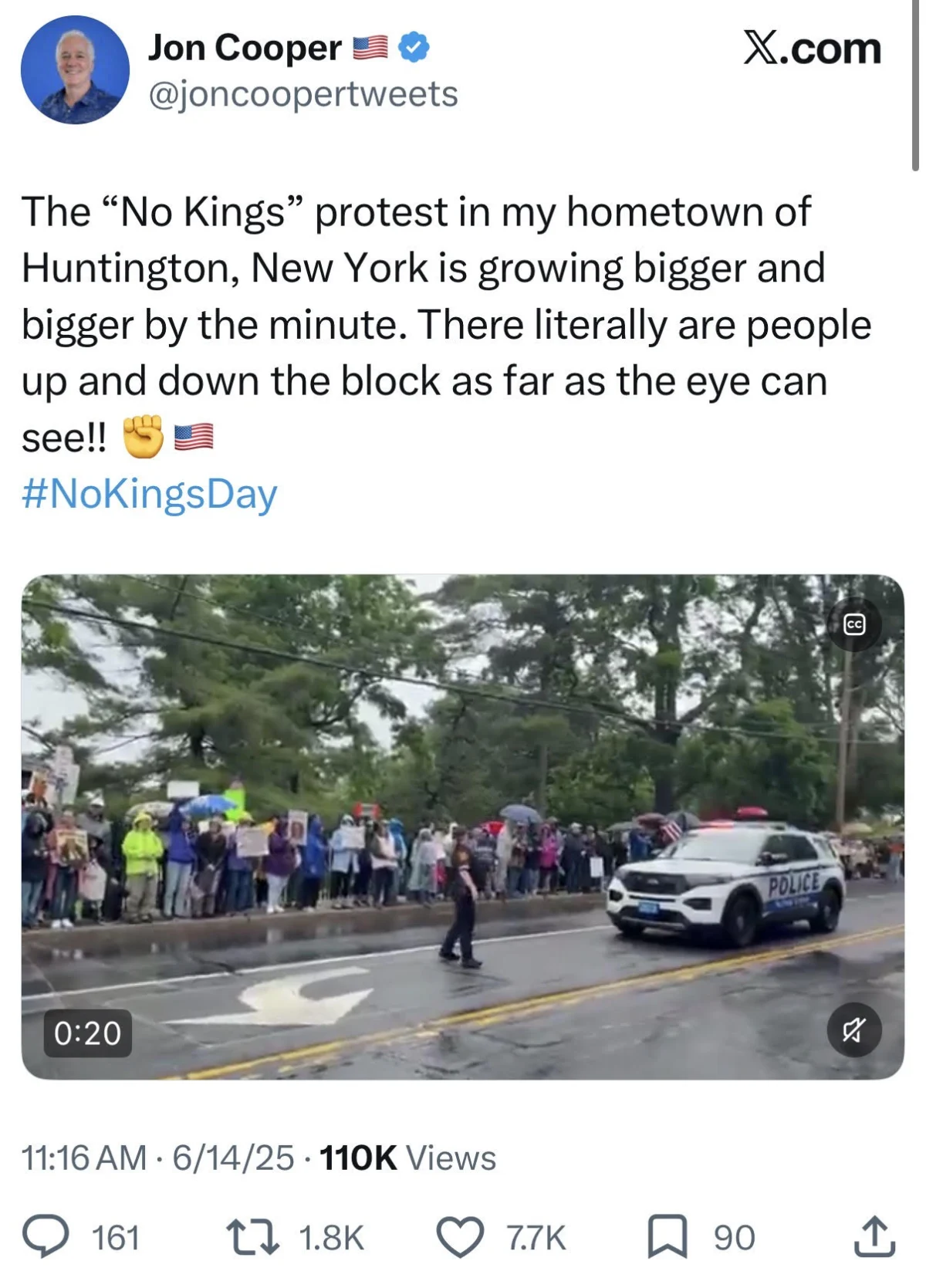
Social media platforms have irrevocably altered the landscape of political engagement, transforming how information is disseminated, public opinion is formed, and campaigns are waged. Far from being mere communication tools, these digital arenas have become central to modern democratic processes, wielding significant influence over elections and policy debates. As the political cycle moves towards 2026, understanding the intricate dynamics of social media’s role is paramount for candidates, parties, and the electorate alike.
The Digital Battleground: Campaign Spending and Reach
The financial investment in digital political advertising underscores its critical importance. During the 2024 U.S. presidential campaign, political advertisers allocated over $1.9 billion to digital ads, signaling a definitive shift from traditional media buys. Meta, the parent company of Facebook and Instagram, emerged as the dominant platform for this spending, reportedly securing more than $1 billion in political ad revenue. This substantial expenditure reflects a strategic recognition by campaigns that reaching voters online, often through targeted messaging, is no longer supplementary but foundational to their outreach efforts. The ability to micro-target specific demographics with tailored messages based on their online behavior and stated interests represents a powerful, albeit sometimes controversial, evolution in political marketing.
Social Media as the Primary News Conduit
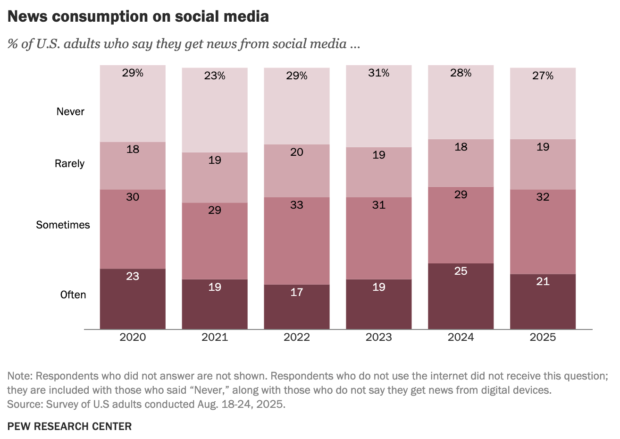
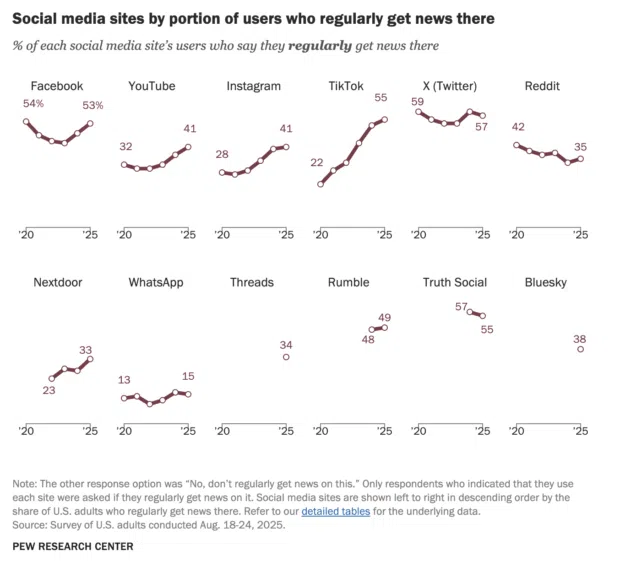
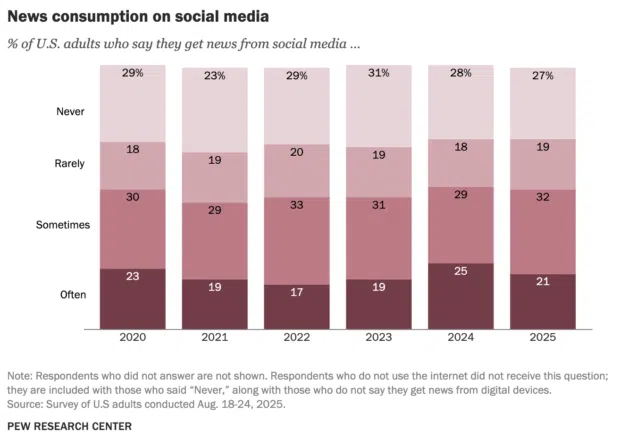
The public’s reliance on social media for news has solidified its position as a critical information source. Approximately one in five U.S. adults consistently report getting their news from social media, with another 32% indicating they “sometimes” do. This trend is particularly pronounced among younger demographics, who frequently turn to platforms like TikTok, Instagram, X (formerly Twitter), Reddit, and Snapchat to stay informed. X, in particular, stands out, with 57% of its users utilizing the platform to keep abreast of political developments, closely followed by TikTok (55%) and Facebook (53%). This reliance means that political narratives, breaking news, and public discourse are increasingly shaped by content shared and consumed within these digital ecosystems, often before or alongside traditional media coverage. Major events, from protests to natural disasters, frequently “break” on social media through eyewitness accounts and viral posts, setting the agenda for broader media attention.

The Rise of News Influencers and Direct Engagement
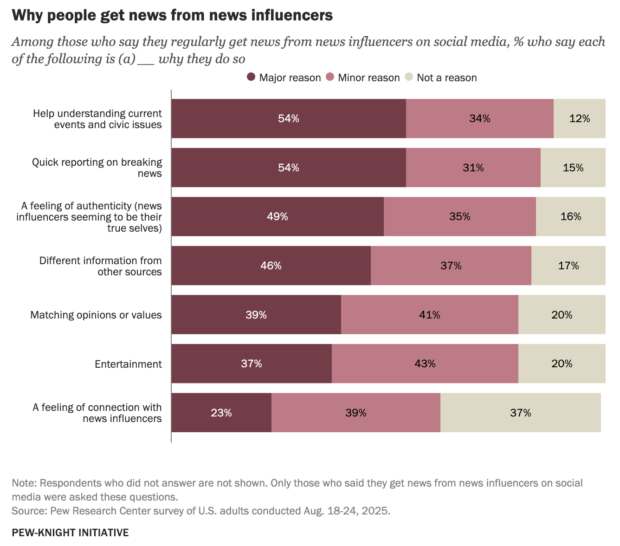
Social media has not only diversified how people consume news but also who they receive it from. A significant 38% of adults aged 18 to 29 regularly obtain news from influencers, a phenomenon that speaks to a growing preference for more relatable and authentic sources. Users often find that influencers help them better understand current events (54%), offer more authentic perspectives (49%), or provide viewpoints not found elsewhere (46%). This shift empowers individual creators to significantly impact political conversations, bypassing traditional gatekeepers and fostering direct connections with their audiences. For political figures, engaging with or becoming an “influencer” themselves allows for a direct line of communication, fostering perceived authenticity and bypassing traditional media filters.
A New Generation of Political Engagement: Mobilization and Participation
Social media platforms are instrumental in mobilizing younger voters and fostering civic engagement, a demographic that is increasingly vital in election outcomes. More than half (53%) of social media users under 30 consider these platforms important for engaging with political or social issues. This demographic shift is critical, as Generation Z and Millennials now constitute roughly 40% of the American voting population.
Empowering Younger Voters
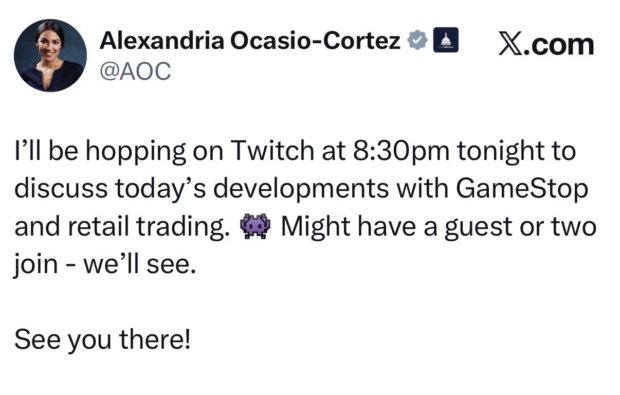
For politicians, social media offers an unparalleled avenue to connect with and build awareness among younger demographics, maintaining visibility even outside of election cycles. Figures like New York Representative Alexandria Ocasio-Cortez (AOC) exemplify this strategy, utilizing platforms like Twitch for live discussions on current events, directly engaging with a tech-savvy audience. Her Twitch streams have garnered massive viewership, demonstrating the power of direct, interactive political communication. Such approaches allow politicians to present a more personal and accessible image, fostering a sense of connection that traditional media often cannot replicate.
From Grassroots to Global Movements
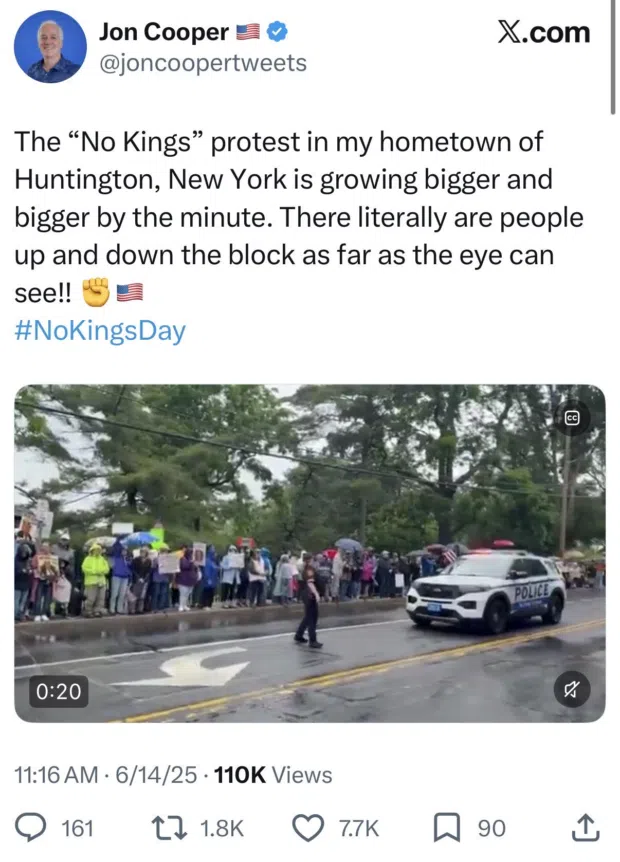
Beyond individual politicians, social media plays a crucial role in broader voter participation and advocacy. “Get-out-the-vote” (GOTV) and voter education campaigns have become staples on social platforms, particularly targeting younger voters. Organizations such as Rock the Vote have successfully leveraged digital campaigns to register millions of voters, underscoring social media’s efficacy in driving civic participation. These efforts extend beyond elections, with social platforms facilitating grassroots movements, protests, and advocacy campaigns on a wide array of social and political issues, demonstrating their capacity to amplify voices and organize collective action on local and global scales.
Navigating the Digital Wild West: Regulations and Challenges
The expanding influence of social media in politics has necessitated an evolving framework of rules and regulations, often implemented by the platforms themselves, alongside increasing government scrutiny.
Platform-Specific Advertising Policies
Major platforms like Meta (Facebook and Instagram) have implemented stringent policies for ads related to “social issues, elections, or politics.” Advertisers must undergo a rigorous authorization process, including identity and location verification, ensuring they are based in the country where their ads will run. Furthermore, all political ads must carry a clear disclaimer identifying the paying entity, which users can access via an “About this ad” feature. X (formerly Twitter) also has specific rules, though these vary by country, with political ads being prohibited in many regions. In the U.S. and UK, allowed political ads must adhere to transparency and pre-approval requirements. TikTok, notably, maintains a strict prohibition on paid political ads and branded political content, extending even to payments to creators for political messaging.
Government Scrutiny and Bans on Platforms
Concerns over data security, foreign influence, and propaganda have led many governments and agencies to take decisive action against certain platforms. TikTok, in particular, has faced bans on government devices across at least 25 U.S. states, all U.S. government agencies, the U.S. Senate, the Government of Canada, and the European Commission. These bans often extend to employees’ personal devices if used for work, creating significant compliance challenges for political campaigns, especially those involving incumbent politicians whose staffers are government employees. This trend highlights the ongoing tension between the broad reach of social media and national security concerns.
The Evolving Regulatory Landscape
Beyond platform-specific rules, governments worldwide are grappling with how to regulate political content, misinformation, and data privacy on social media. Debates surrounding issues like Section 230 in the U.S., which provides liability protection to platforms, and proposed legislation globally aiming to combat online harms and foreign interference, illustrate the complex legal and ethical challenges. The 2026 political cycle is expected to see increased pressure on platforms to enforce their policies more rigorously, particularly concerning deepfakes and AI-generated content that could mislead voters.
The Double-Edged Sword: Implications for Democracy
While social media offers unprecedented opportunities for connection and mobilization, it also presents significant challenges to democratic processes, including increased polarization, the rapid spread of misinformation, and a potential erosion of public trust.
Echo Chambers and Polarization
The ability of social media to connect individuals with like-minded communities, while beneficial for fostering solidarity, can also lead to the formation of echo chambers. Algorithms often prioritize content that reinforces a user’s existing beliefs, creating filter bubbles where individuals are exposed primarily to information aligning with their viewpoints. This can exacerbate political polarization, making it harder for people to engage with dissenting opinions or find common ground, ultimately hindering productive political discourse and fostering societal division.
The Misinformation and Disinformation Epidemic
Perhaps the most profound challenge posed by social media is the rampant spread of misinformation and disinformation. False or misleading content can circulate globally at an alarming speed, often outstripping the pace of fact-checking efforts. The advent of sophisticated AI tools capable of generating deepfakes and hyper-realistic synthetic media poses an even greater threat for 2026, making it increasingly difficult for the public to discern credible information from fabricated narratives. This can manipulate public opinion, undermine trust in institutions, and even interfere with election integrity.
Public Trust and Media Literacy in the Digital Age
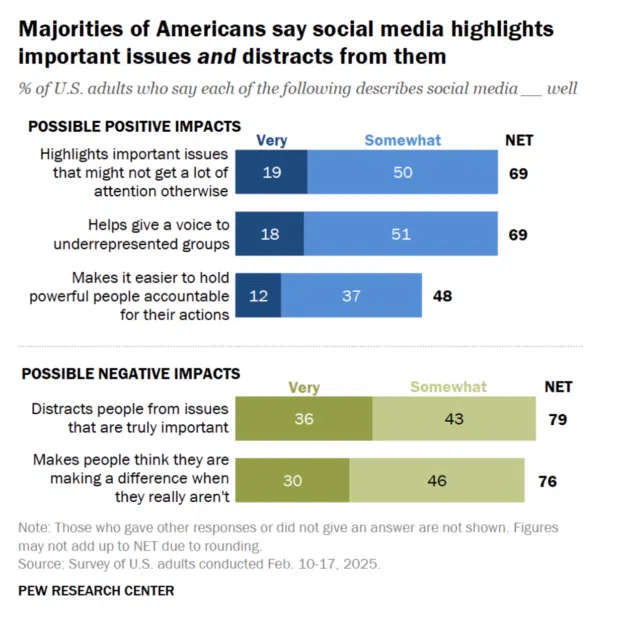
The American public largely views social media’s impact with skepticism. A substantial 76% believe it makes people think they are making a difference when they are not, and 79% feel it distracts from important issues. This skepticism reflects concerns about “slacktivism” and the perceived superficiality of online engagement. It also underscores a broader challenge to media literacy, as individuals must increasingly navigate a complex information environment to distinguish between credible news, biased reporting, and outright falsehoods. The long-term implications for informed citizenship and democratic resilience are profound.
Crafting an Effective Social Media Strategy for 2026 and Beyond
For political campaigns eyeing 2026, a strategic and nuanced approach to social media is indispensable.
Strategic Audience Targeting
Effective campaigns begin with thorough audience research. Understanding where target demographics are most active and their platform preferences is crucial. For instance, data indicates that Facebook and X tend to have a higher representation of Republican-leaning voters, while Instagram and TikTok are more popular among Democrats. A robust social listening strategy helps campaigns identify ongoing conversations about candidates or issues and tailor their presence accordingly.
Consistent Engagement and Content Planning
Maintaining a consistent online presence is more effective than intermittent, high-intensity bursts of activity. A well-planned content calendar and posting schedule can ensure regular engagement without overwhelming the audience. While activity naturally ramps up closer to key political moments, sustained interaction keeps the audience engaged and informed over time. Utilizing social media scheduling tools, such as Hootsuite, can optimize posting times for maximum reach and efficiency, which is particularly beneficial for resource-constrained campaigns.
Fundraising and Amplification Tactics
Social media platforms are vital for political fundraising. Campaigns should integrate donation links into their bios and create compelling content explaining how contributions further their political objectives. Meta ads offer “Donate Now” call-to-action buttons to bolster fundraising efforts. However, it is critical to remember TikTok’s strict prohibition on all forms of campaign fundraising. Campaigns should also prioritize creating easily shareable content, recognizing that most users engage by resharing rather than creating original posts. Memorable tweets, engaging infographics, or shareable Instagram stories can significantly amplify a message.
Media Relations in the Social Era
Social media has become an essential tool for attracting journalistic attention. With 96% of journalists using social media for work—across platforms like LinkedIn, Facebook, Instagram, and X—campaigns can leverage these channels to break news, disseminate press releases, and provide sources. Stories that gain traction online are significantly more likely to be picked up and amplified by traditional media outlets. Moreover, adapting content and tone for each platform is crucial, given the diverse user demographics. Cross-posting should involve tailoring messages to resonate with the specific audience and cultural nuances of each social network, refined through continuous social media testing.
Conclusion: The Enduring Transformation
The transformation of politics by social media is comprehensive and ongoing. From campaign finance and voter mobilization to news consumption and public discourse, digital platforms are now inseparable from the political process. As the 2026 elections approach, the interplay between technological advancements, evolving platform policies, and shifting user behaviors will continue to redefine how political power is sought, won, and exercised. Navigating this dynamic environment requires adaptability, strategic foresight, and a keen awareness of both the immense opportunities and inherent risks that social media presents to the future of democracy.