rifanmuazin
Choosing the right e-commerce platform as a YouTuber transcends mere feature sets and pricing models; it hinges on seamless integration with your channel and robust support for your unique sales strategies, whether you’re offering merchandise, digital downloads, coaching, or comprehensive online courses. The digital realm is increasingly becoming a vital extension of content creation, and for YouTubers, this means understanding the ecosystem of platforms that can transform viewership into revenue. Some platforms prioritize user-friendliness, designed for creators to launch quickly. Others are engineered for business scalability, offering advanced tools for growth. A select few are specifically tailored to integrate directly with YouTube, unlocking features like the coveted product shelf beneath videos or a dedicated storefront linked to your channel. This comprehensive analysis delves into the top e-commerce platforms available to YouTubers in 2026, providing insights for both nascent creators and established businesses looking to diversify their income streams.
Key Considerations for YouTubers Selecting an E-commerce Platform
The decision of which e-commerce platform to adopt is multifaceted, influenced by a creator’s current stage, their product offerings, and their long-term business aspirations. Understanding these core differences is paramount to making an informed choice.
Direct YouTube Integration: The Game Changer
For many YouTubers, the ability to sell directly within the YouTube ecosystem is a significant advantage. Features like the “product shelf” under videos, the “channel store” tab, and seamless integration with YouTube Shorts and livestreams reduce friction for viewers and can significantly boost conversion rates. Platforms that offer this native integration, such as Shopify and Spring, are often favored by creators focused on immediate merchandise sales directly from their content. This streamlined approach minimizes the need for viewers to navigate away from YouTube, capturing impulse buys and fostering a more engaged shopping experience. As of early 2026, YouTube’s Shopping features continue to evolve, with ongoing efforts to expand eligibility and functionality, making these integrations increasingly valuable.
Product Type and Sales Model
The nature of what a YouTuber sells fundamentally dictates the best platform choice.
- Merchandise: For creators selling branded apparel, accessories, or other physical goods, print-on-demand services integrated with e-commerce platforms are often the most efficient. Platforms like Spring excel here, handling production, shipping, and fulfillment. Shopify, with its vast app store, also offers robust print-on-demand solutions.
- Digital Products: YouTubers who create and sell e-books, templates, presets, software, or other digital assets find platforms like Gumroad and Sellfy particularly effective. These platforms are optimized for quick delivery and often have lower overheads for creators.
- Courses, Memberships, and Coaching: For knowledge-based creators, platforms like Kajabi offer an all-in-one solution. They provide tools for course creation, membership management, email marketing, and sales funnels, consolidating the complex needs of an online education business.
Scalability and Long-Term Growth
While initial ease of use is attractive, many YouTubers aim to build sustainable businesses. Platforms like Shopify are designed for scalability, offering advanced inventory management, marketing tools, and the capacity to handle high volumes of sales and a broad product catalog. These platforms are crucial for creators who envision their YouTube channel as the cornerstone of a larger e-commerce brand, potentially expanding to multiple sales channels and international markets.
Cost and Fee Structures
The financial model of an e-commerce platform is a critical factor.
- Subscription-Based: Platforms like Shopify and Kajabi typically charge a monthly or annual fee, offering predictable costs for creators.
- Transaction-Based: Gumroad operates on a commission per sale model, making it attractive for creators with infrequent sales or those testing new products.
- Free to Start: Spring offers a free entry point, with creators earning a profit margin only after a sale is made. This significantly lowers the barrier to entry for new merchandise ventures.
Quick Comparison: Top E-commerce Platforms for YouTubers in 2026
| Platform | Best For | Starting Price (USD) | YouTube Shopping Integration | Highlights |
|---|---|---|---|---|
| Shopify | Scalable, long-term e-commerce brands | $39 per month | Yes | Advanced features, massive app store |
| Spring | Print-on-demand merch | Free to start | Yes | Supports YouTube shelf and channel store |
| Sellfy | Digital products and light merch | $22 per month (annual) | No | Clean creator-focused stores with email tools |
| Gumroad | Fast digital sales and simple checkout | Free, 10% fee per sale | No | Low-friction setup, great for digital assets |
| Kajabi | Courses, memberships, and coaching | $149 per month (annual) | No | All-in-one creator business platform |
| WooCommerce | Advanced control with WordPress sites | Free plugin (hosting extra) | No | Full flexibility for experienced users |
In-Depth Platform Analysis
1. Shopify: Best for Building a Serious Brand
Starting Price: $39 per month
YouTube Shopping Integration: Yes, with Google Merchant Center setup
Built For: Scalable e-commerce businesses and full product catalogs
Shopify stands as a titan in the e-commerce world, and its robust feature set makes it an exceptional choice for YouTubers aiming to build enduring brands. Beyond basic merchandise, Shopify empowers creators to manage extensive product catalogs, implement sophisticated marketing campaigns, and scale operations significantly. The platform’s strength lies in its comprehensive dashboard, offering tools for abandoned cart recovery, product bundling, upsells, and detailed analytics, all crucial for optimizing sales.
The integration with YouTube Shopping, while requiring an initial setup through Google Merchant Center, unlocks powerful promotional capabilities. This allows creators to feature their products directly on their YouTube channel, within video descriptions, and even during live streams. This level of integration is invaluable for YouTubers who see their channel as a primary driver of sales and brand visibility. The sheer volume of apps available in the Shopify App Store further extends its functionality, allowing creators to customize their store with specialized features for marketing, customer service, and inventory management.

Pros:
- Exceptional scalability for growing businesses.
- Vast ecosystem of apps for customization and enhanced functionality.
- Professional and polished storefronts.
- Direct integration with YouTube Shopping features.
- Robust analytics and reporting tools.
Cons:
- Higher starting price compared to some alternatives.
- Can have a steeper learning curve for absolute beginners.
- Transaction fees apply on top of monthly subscriptions unless using Shopify Payments.
Why Use Shopify in 2026?
Shopify is the premier choice for YouTubers treating their channel as a serious business. Its ability to support complex product lines, sophisticated marketing strategies, and long-term growth makes it ideal for creators who aspire to build a brand that extends far beyond their YouTube audience. For those committed to a professional e-commerce presence, Shopify provides the infrastructure and tools to achieve significant success.
Shopify is suitable for:
- Creators planning extensive merchandise lines.
- Businesses aiming for international reach and multi-channel sales.
- YouTubers focused on building a recognized brand identity.
- Those who require advanced marketing and sales automation tools.
Shopify isn’t suitable for:
- Creators with very limited budgets seeking only basic sales functionality.
- Those who need an immediate, no-frills setup for digital products.
2. Spring: Best for Simple Print-on-Demand Merch
Starting Price: Free to start
YouTube Shopping Integration: Yes
Built For: Creators launching their first merch lines
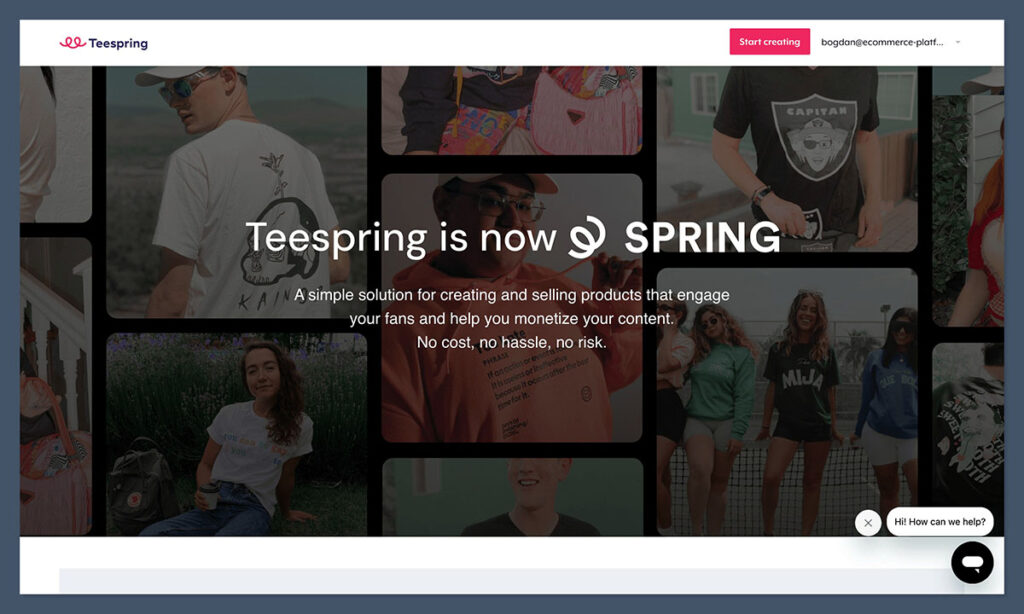
Spring (formerly Teespring) has long been a go-to platform for YouTubers venturing into merchandise. Its primary appeal lies in its accessibility and zero upfront cost. Creators can design and list products without any financial commitment, and Spring handles all aspects of production, inventory, and shipping. This risk-free model is perfect for testing new designs and gauging audience interest.
The platform’s direct integration with YouTube is a significant advantage. Spring allows creators to seamlessly feature their merchandise on their YouTube channel, including product shelves under videos and within the channel’s dedicated store tab. This direct link simplifies the purchasing process for viewers and leverages YouTube’s native discovery features. While its design tools and customization options are more basic compared to platforms like Shopify, Spring’s efficiency and ease of use make it an excellent starting point for any YouTuber looking to offer branded apparel and accessories without the complexities of traditional e-commerce.
Pros:
- Completely free to start, with no upfront investment.
- Handles all production, fulfillment, and customer service for physical products.
- Direct and easy integration with YouTube Shopping features.
- Ideal for creators new to selling merchandise.
- Wide range of customizable products.
Cons:

- Limited design customization options compared to dedicated design software.
- Profit margins can be lower due to production and fulfillment costs.
- Less control over the overall brand experience compared to self-managed stores.
Why Use Spring in 2026?
For YouTubers prioritizing a straightforward path to selling merchandise with full integration into the YouTube platform, Spring remains an unparalleled option. Its “set it and forget it” model, combined with the ability to display products directly on YouTube, makes it exceptionally user-friendly. It’s the ideal solution for creators who want to monetize their audience through merch without the operational overhead.
Spring is suitable for:
- New YouTubers wanting to launch their first merchandise line.
- Creators focused on simple, branded apparel and accessories.
- Those who want to avoid managing inventory and shipping logistics.
- Channels looking to leverage YouTube’s integrated shopping features immediately.
Spring isn’t suitable for:
- Creators selling digital products or services.
- Those requiring extensive customization of their storefront or product offerings.
- Businesses looking to build a comprehensive, multi-product e-commerce brand beyond simple merch.
3. Sellfy: Best for Selling Digital Products with Branding Control
Starting Price: $22 per month (billed annually)
Built For: Digital product sales and light merch
YouTube Shopping Integration: No
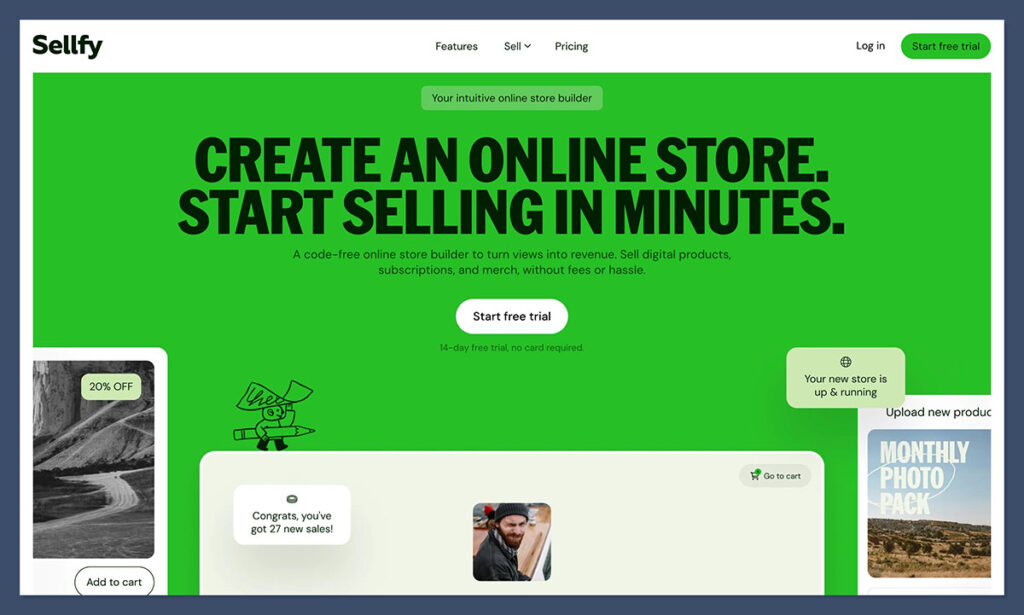
Sellfy emerges as a strong contender for YouTubers focused on selling digital products, offering a blend of ease of use and significant branding control. The platform allows creators to sell a variety of digital goods, such as e-books, presets, software, and even offer subscriptions. While it also supports physical products, its core strength lies in its streamlined digital delivery system.
What sets Sellfy apart is its emphasis on creating a branded storefront. Unlike platforms focused solely on transaction links, Sellfy provides a visually appealing, customizable store where creators can showcase their products professionally. This is crucial for YouTubers who want their sales portal to reflect the same aesthetic and quality as their video content. Built-in features like email marketing tools, discount codes, and product upsells further enhance its utility, allowing creators to run targeted campaigns directly from the platform. Although Sellfy does not offer direct integration with YouTube Shopping, its ability to create a cohesive brand experience makes it a compelling choice for creators prioritizing a polished online presence for their digital offerings.
Pros:
- Excellent for selling digital products with fast delivery.
- Provides significant control over storefront design and branding.
- Includes built-in marketing tools like email and discount codes.
- Subscription and membership options are available.
- Predictable monthly pricing.
Cons:
- No direct integration with YouTube Shopping.
- Less suitable for extensive physical product catalogs compared to Shopify.
- Can be more expensive than transaction-fee based platforms for very low sales volumes.
Why Use Sellfy in 2026?
Sellfy is ideal for YouTubers who want to establish a more professional and branded online presence for their digital products. It strikes a good balance between simplicity and design control, making it an excellent choice for creators who are either already generating consistent sales or are ready to invest in building a more robust digital storefront. Its integrated marketing features empower creators to nurture their audience and drive repeat purchases.
Sellfy is suitable for:
- Creators selling e-books, templates, presets, and software.
- Those who want a visually appealing, branded online store.
- YouTubers offering subscription services or digital memberships.
- Creators looking for integrated email marketing tools.
Sellfy isn’t suitable for:
- Creators who absolutely require native YouTube Shopping integration.
- Those primarily focused on selling a wide range of physical merchandise.
- Beginners who want the absolute simplest way to list a product without any design considerations.
4. Gumroad: Best for Selling Digital Products Fast
Starting Price: Free, 10% platform fee per sale
Built For: Instant digital product delivery
YouTube Shopping Integration: No
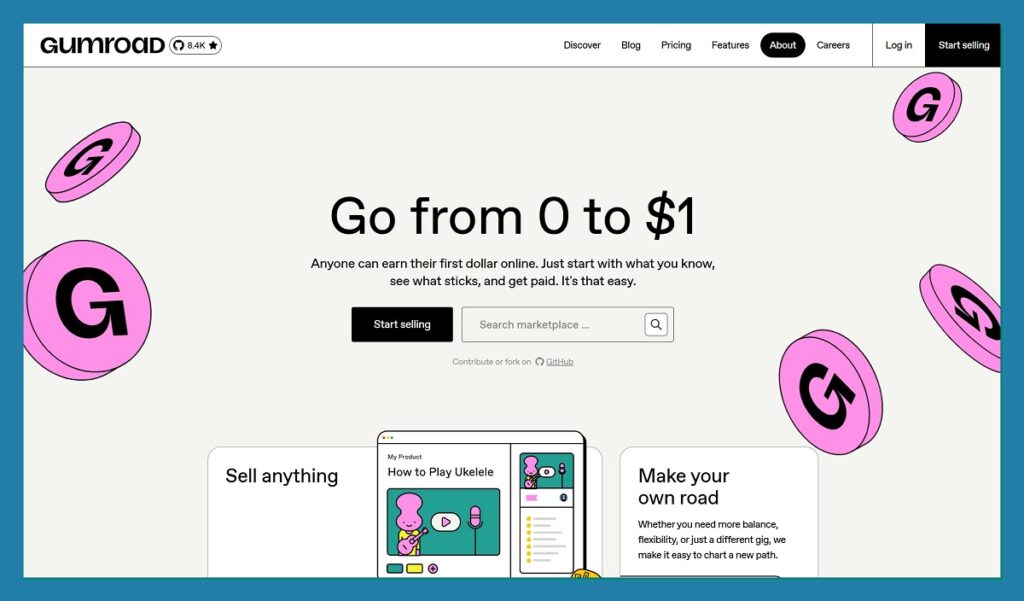
Gumroad is synonymous with speed and simplicity when it comes to selling digital products. Its core proposition is its frictionless setup: creators can upload a file, add a description, set a price, and begin selling within minutes. This makes it an invaluable tool for YouTubers who want to quickly monetize an idea, offer exclusive content to their audience, or test the market for a new digital product.
The platform’s pay-as-you-sell model, with a straightforward 10% transaction fee, eliminates the need for monthly subscriptions, making it incredibly accessible for creators at any stage. While Gumroad doesn’t offer extensive branding customization or direct YouTube Shopping integration, its strength lies in its directness. A link in a YouTube video description or a pinned comment is all that’s needed to direct viewers to a purchase page. This low-friction approach is highly effective for creators with a warm audience ready to buy immediately. For those prioritizing immediate action and minimal setup, Gumroad is hard to beat.
Pros:
- Extremely fast and easy setup for selling digital products.
- No monthly fees; pay only a percentage of sales.
- Ideal for quick product launches and testing ideas.
- Simple, no-frills interface.
- Widely adopted and trusted by creators.
Cons:
- No direct YouTube Shopping integration.
- Limited branding and customization options for the storefront.
- The 10% fee can become significant for high-volume sellers.
- Not suitable for managing complex product catalogs or physical goods.
Why Use Gumroad in 2026?
Gumroad remains the go-to platform for YouTubers who need to sell digital content with minimal fuss. Its speed and simplicity are unmatched, allowing creators to capitalize on timely opportunities and audience engagement without technical hurdles. It’s particularly effective for selling niche digital assets, one-off downloads, or exclusive content to a highly engaged YouTube following.
Gumroad is suitable for:
- Creators selling e-books, guides, templates, and digital art.
- YouTubers wanting to quickly launch and sell a new digital product.
- Those who prefer a pay-as-you-sell model over monthly fees.
- Creators prioritizing speed and ease of use above all else.
Gumroad isn’t suitable for:
- Creators needing native YouTube Shopping integration.
- Those looking to build a highly branded e-commerce store.
- Businesses focused on selling physical merchandise or complex subscription services.
5. Kajabi: Best for Courses, Coaching, and Memberships
Starting Price: $149 per month (billed annually)
Built For: Course creators, coaches, and knowledge-based businesses
YouTube Shopping Integration: No
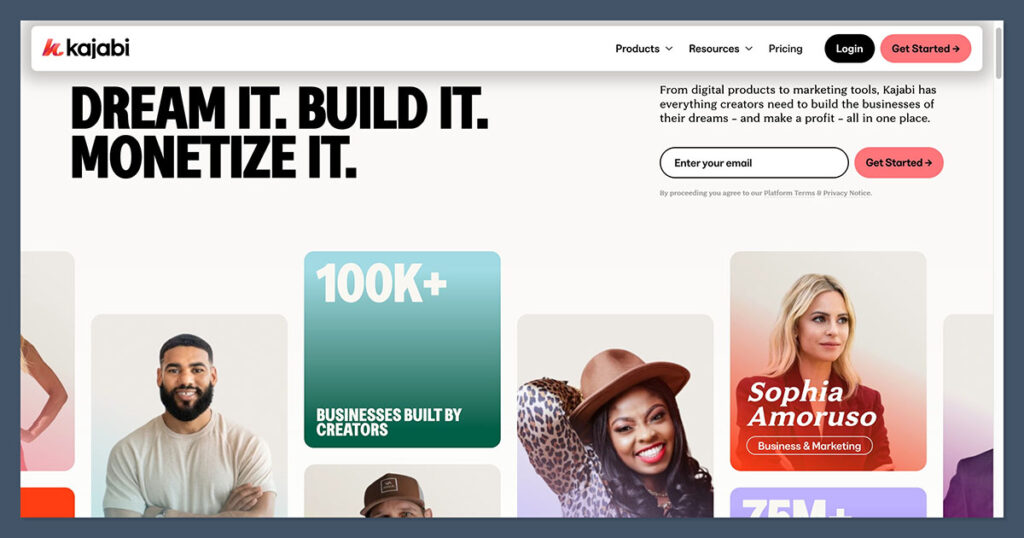
Kajabi represents the premium end of the creator economy, designed specifically for YouTubers who aim to build a business around education, expertise, and community. It is an all-in-one platform that consolidates course creation, website building, email marketing, sales funnel management, and membership portals into a single, cohesive ecosystem. For creators whose primary monetization strategy involves sharing knowledge, such as through online courses, coaching programs, or exclusive membership communities, Kajabi offers unparalleled functionality.
During testing, Kajabi impressed with its integrated approach. Instead of stitching together multiple disparate tools (like a separate video host, email marketing service, and landing page builder), Kajabi provides everything in one place. This not only simplifies operations but also ensures a seamless customer journey, from initial engagement to course completion or membership access. The platform’s robust marketing automation capabilities allow creators to build sophisticated sales funnels, nurture leads, and retain customers effectively. While its price point is higher than many other options, for YouTubers dedicated to building a substantial knowledge-based business, Kajabi’s comprehensive feature set and all-in-one convenience justify the investment.
Pros:
- All-in-one platform for courses, memberships, coaching, and marketing.
- Powerful sales funnel and automation tools.
- Professional website builder and landing page creator.
- Integrated email marketing and CRM capabilities.
- High-quality content hosting and delivery.
Cons:
- Significantly higher price point compared to other platforms.
- No direct integration with YouTube Shopping.
- May be overkill for creators solely focused on simple merchandise sales.
- Steeper learning curve due to the breadth of features.
Why Use Kajabi in 2026?
Kajabi is the definitive platform for YouTubers who are serious about monetizing their expertise through educational content and community building. It empowers creators to deliver transformative experiences to their audience, manage all aspects of their business from a single dashboard, and foster long-term relationships. For those looking to scale a knowledge-based enterprise, Kajabi provides the robust infrastructure needed for sustainable growth.
Kajabi is suitable for:
- Creators offering online courses and educational programs.
- Coaches and consultants building a client base.
- YouTubers managing paid membership communities.
- Businesses focused on selling transformation and expertise.
Kajabi isn’t suitable for:
- Creators primarily selling physical merchandise.
- Those with very limited budgets or looking for a free solution.
- YouTubers who need direct YouTube Shopping integration for immediate product visibility.
6. WooCommerce: Best for WordPress Users Who Want Full Control
Starting Price: Free plugin (extra costs for hosting, extensions, and themes)
Built For: Custom e-commerce on WordPress websites
YouTube Shopping Integration: No
For YouTubers who already maintain a WordPress website or are comfortable with the platform, WooCommerce offers an unparalleled level of control and flexibility. As an open-source plugin, it transforms a WordPress site into a fully functional e-commerce store. This is particularly beneficial for creators who want to centralize their content and sales within a single ecosystem, leveraging their existing website for both blog posts, video embeds, and product listings.
WooCommerce’s strength lies in its extensibility. With thousands of available plugins and themes, creators can customize virtually every aspect of their store, from the checkout process and product display to marketing integrations and shipping options. This granular control is ideal for experienced users who have specific requirements or want to build a highly tailored online shopping experience. However, this flexibility comes with responsibility. Users must manage their own hosting, security, updates, and choose from a vast array of extensions, which can incur additional costs. While WooCommerce does not offer direct integration with YouTube Shopping, its deep customization capabilities make it a powerful choice for those who prioritize ownership and control over their online presence.
Pros:
- Ultimate flexibility and customization for WordPress users.
- Full ownership of your store and customer data.
- Vast library of extensions and themes for tailored functionality.
- Cost-effective if you already manage a WordPress site.
- Strong SEO capabilities.
Cons:
- Requires a WordPress website and self-hosting.
- Can be technically demanding and requires ongoing maintenance.
- No direct integration with YouTube Shopping.
- Additional costs for premium themes and plugins can add up.
- Steeper learning curve than hosted platforms.
Why Use WooCommerce in 2026?
WooCommerce is the definitive solution for YouTubers who are already invested in the WordPress ecosystem and desire maximum control over their e-commerce operations. It allows for seamless integration of content and commerce, offering deep customization that can cater to any business model. For creators who value autonomy and have the technical inclination to manage their own platform, WooCommerce provides a robust and adaptable foundation.
WooCommerce is suitable for:
- YouTubers with an existing WordPress website.
- Creators who want complete control over their store’s design and functionality.
- Those comfortable with website management and plugin integration.
- Businesses with unique product types or complex sales processes.
WooCommerce isn’t suitable for:
- Creators who want a simple, hosted e-commerce solution without website management.
- Those who need immediate YouTube Shopping integration.
- Beginners with no prior experience in website development or management.
How to Choose the Best E-commerce Platform as a YouTuber
The optimal platform for a YouTuber hinges on their specific needs and current stage of growth. Here’s a breakdown to guide your decision:
- For immediate merchandise sales with YouTube integration: Spring offers the quickest and most cost-effective route to get products under your videos, handling all the operational heavy lifting.
- For building a comprehensive e-commerce brand beyond YouTube: Shopify is the industry standard, providing the scalability, features, and app ecosystem necessary for long-term growth and multi-channel selling.
- For selling digital downloads and assets: Begin with Gumroad for its unparalleled speed and simplicity. As your sales volume grows and you desire more brand control, Sellfy offers a more polished storefront and integrated marketing tools.
- For educators, coaches, and community builders: Kajabi is the all-in-one solution, consolidating course creation, membership management, and marketing into a single powerful platform.
- For those already established on WordPress: WooCommerce provides the ultimate control and flexibility, integrating e-commerce directly into your existing website.
Ultimately, the most crucial step is to start. The e-commerce landscape is dynamic, and what serves you at 1,000 subscribers may evolve by the time you reach 100,000. Begin with the platform that best addresses your immediate goals, test your offerings, and gather feedback from your audience. The faster you can get a product in front of your viewers, the quicker you’ll learn what resonates and what drives sales.
Our Testing Methodology
The evaluation of these e-commerce platforms was conducted over a rigorous six-week period, with a specific focus on their suitability for YouTubers rather than general e-commerce applications. Each platform was assessed from a creator’s perspective, encompassing the entire process from initial store setup and YouTube integration (where applicable) to product listing and the end-to-end buyer experience.
| Criteria | What We Evaluated |
|---|---|
| YouTube Integration | Native Product Shelf support, channel store availability, Shorts/livestream tagging, and setup complexity. |
| Creator Fit | How well the platform handles the typical mix of merch, digital products, and memberships YouTubers offer. |
| Pricing Transparency | Actual costs at varying sales volumes (10, 100, 1,000 sales/month), including fees, processing, and add-ons. |
| Setup & Ease of Use | Time from signup to first live product, dashboard clarity, and quality of onboarding. |
| Branding & Control | Design customization, domain options, and overall professional appearance of the storefront. |
| Scalability | Platform’s capacity to support growth from a few thousand to hundreds of thousands of subscribers without forced migration. |
| Support & Operations | Fulfillment handling, customer service quality, and tax compliance (Merchant of Record status where applicable). |
Platforms that did not meet at least two key criteria were excluded, even if they performed well in general e-commerce reviews. The overarching objective was to identify the platforms offering the most direct and sustainable path to revenue for YouTubers, without hindering future growth.
Final Verdict: Which Platform Should You Choose?
There is no single “best” e-commerce platform for every YouTuber. The ideal choice is a personalized decision based on your product offerings, channel size, and desired level of operational involvement.
- For scaling a robust e-commerce brand: Shopify is unparalleled. If your ambitions extend beyond YouTube, its comprehensive feature set and scalability will support your growth into a full-fledged commerce business.
- For an initial merchandise launch with zero upfront cost: Spring remains the simplest and most accessible way to integrate merchandise directly into your YouTube content without initial financial risk.
- For selling digital products: Start with Gumroad for its speed and ease of use. As your business matures and you seek better margins and a more branded presence, transition to Sellfy.
- For knowledge-based businesses (courses, coaching, memberships): Kajabi is the definitive all-in-one solution, consolidating all your needs into a single, powerful platform.
- For creators already operating on WordPress: WooCommerce offers maximum control and integration within your existing digital ecosystem.
For most YouTubers beginning their monetization journey today, a combination of Spring for merchandise and Gumroad for quick digital product sales offers a powerful and low-friction starting point. Remember, you can always migrate or expand your platform usage as your channel and audience evolve. The key is to remove immediate barriers to launching your first product and gain valuable insights into what your audience wants to buy.
Frequently Asked Questions
How many subscribers do I need to sell products on YouTube?
You can link products from your video descriptions at any subscriber count. To unlock native YouTube Shopping features like the product shelf and channel store, you generally need at least 10,000 subscribers, a monetized channel, and to be in an eligible country. Platforms like Spring may offer earlier access for specific integrations, and creators below the threshold can still effectively sell via direct links.
Does YouTube take a cut of my e-commerce sales?
No. YouTube does not charge commission on sales made through your integrated store (e.g., Shopify, Spring). You retain your full profit margin as determined by your chosen platform. YouTube’s revenue sharing applies only to content monetization like ads and channel memberships, not your direct product sales.
Can I use multiple e-commerce platforms simultaneously?
Yes, many YouTubers do. It’s common to use Spring for merchandise, Gumroad for digital downloads, and Kajabi for courses. The primary drawback is fragmented analytics and managing multiple interfaces. For new creators, it’s advisable to focus on one platform initially and expand only when a clear need arises.
What’s the difference between YouTube Shopping and a description link?
A description link directs viewers off YouTube to your external store. YouTube Shopping integrates products directly within the YouTube platform—under videos, on your channel store tab, in Shorts, and during livestreams. This native integration typically leads to higher conversion rates due to reduced friction.
Do I need an LLC to sell merch on YouTube?
Not strictly. You can often operate as a sole proprietor. Platforms like Spring may act as the Merchant of Record for their catalog products, handling tax complexities. However, many established creators form an LLC or equivalent entity for liability protection and to separate personal and business finances. Consulting a local accountant is recommended.
Which platform is cheapest for creators under 10,000 subscribers?
Free-to-start platforms like Spring and Gumroad are the most economical for smaller channels, as costs are only incurred upon making a sale. Subscription-based platforms like Shopify and Kajabi have fixed monthly fees, making them more suitable for channels with predictable revenue. For absolute cost-effectiveness at low volumes, Gumroad excels for digital products, and Spring for merchandise.
Can I switch e-commerce platforms later without losing customers?
Generally, yes. Customer lists, product designs, and digital files can be migrated manually. However, subscription billing history is typically not transferable, meaning active members might need to re-subscribe on the new platform. Clear communication and potential launch discounts can ease this transition. Shopify and Kajabi offer migration support services.
Do I need to handle shipping and customer service myself?
Not necessarily. Platforms like Spring and many print-on-demand services integrated with Shopify manage manufacturing, shipping, and customer service. Spring also acts as the Merchant of Record, handling tax calculations. If your priority is focusing on content creation, choose a platform that offloads operational tasks.