rifanmuazin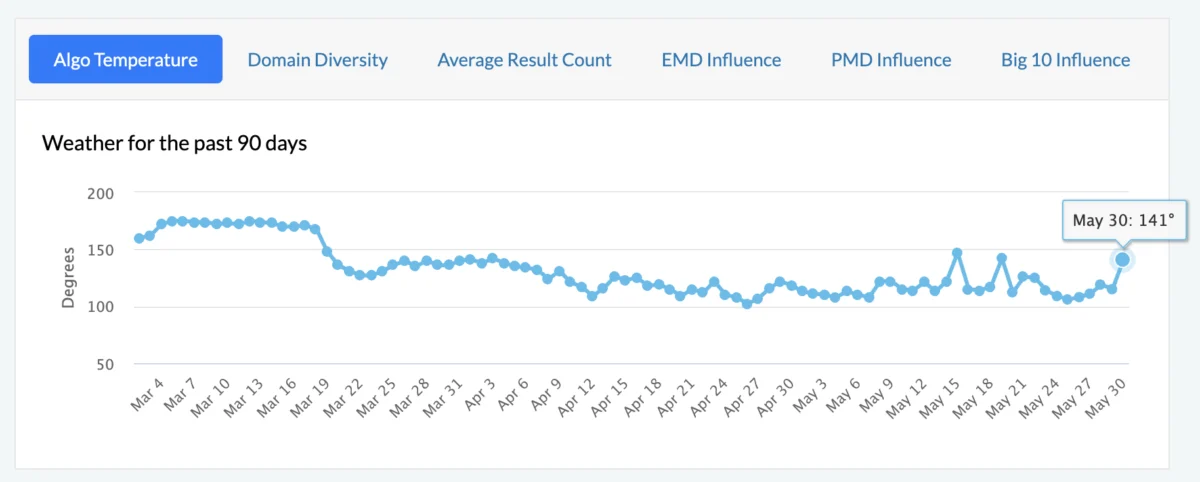
The digital landscape experienced a significant tremor over the past weekend, as the Google May 2026 core update unleashed a potent wave of ranking volatility, particularly striking websites with considerable force on Saturday, May 30, 2026. This latest broad core algorithm adjustment, initially announced by Google on May 21, 2026, has proven to be a substantial event for search engine optimization (SEO) professionals and webmasters worldwide, marking itself as a pivotal moment in the ongoing evolution of search relevance.

Understanding Google’s Core Updates: A Persistent Pursuit of Quality
Google’s core updates are fundamental, wide-ranging changes to the search algorithm and systems. Unlike smaller, more frequent updates that target specific aspects like spam or indexing, core updates are designed to improve the overall relevance and quality of search results across the board. Google consistently states that these updates are not aimed at penalizing specific websites but rather at re-evaluating and recalibrating how content is assessed against evolving quality metrics. The ultimate goal is to better surface authoritative, satisfying, and user-centric content for searchers from all types of sites.

Historically, Google has rolled out several significant core updates each year, often leading to substantial shifts in search rankings. These updates reflect Google’s continuous effort to understand user intent more deeply, identify high-quality information, and combat manipulative SEO tactics. Key principles like E-E-A-T (Experience, Expertise, Authoritativeness, and Trustworthiness) have become cornerstones of Google’s quality guidelines, with each core update often refining the algorithm’s ability to discern these attributes. Websites that align strongly with E-E-A-T tend to fare better over time, while those perceived as lacking in these areas may see declines. The May 2026 update appears to be another iteration of this ongoing commitment to quality, prompting webmasters to critically examine their content strategies and user experience.
A Detailed Chronology of the May 2026 Core Update’s Rollout

The rollout of the May 2026 core update has unfolded in distinct phases, characterized by intermittent but intense periods of volatility:
- May 21, 2026: Official Announcement. Google formally announced the initiation of the May 2026 core update. As is customary, the company indicated that the rollout could take up to two weeks to fully complete, providing a window of anticipation for the SEO community.
- May 22-24, 2026: Initial Volatility. The weekend immediately following the announcement saw the first noticeable spikes in ranking fluctuations. While significant, these initial shifts were perhaps a precursor to the more dramatic movements yet to come, indicating the update was beginning to propagate across Google’s vast data centers.
- Mid-Week Consolidation (May 25-28): Following the initial weekend, there may have been a period of relative calm or more subtle adjustments, as the algorithm continued its evaluation processes without the widespread dramatic swings. This phase often sees localized shifts as Google refines its understanding of various niches and content types.
- May 29, 2026: Escalating Activity. As the subsequent weekend approached, reports from webmasters and preliminary data from tracking tools began to suggest a renewed increase in algorithmic activity. This Friday marked the beginning of what would become a highly volatile period.
- May 30, 2026: The Peak Impact. Saturday, May 30th, emerged as the most volatile day of the update thus far. Across virtually all third-party SEO tracking tools, and overwhelmingly confirmed by webmaster chatter, this day witnessed extreme shifts in search engine results pages (SERPs). This intense activity aligns with what SEO experts often refer to as a “tail-end spike,” where the final, most impactful adjustments of an update are rolled out before stabilization.
- Current Status and Anticipated Completion: While the update is still technically within its two-week rollout window, the intense volatility observed on May 30th suggests it is nearing its conclusion. Experts anticipate Google’s official confirmation of the update’s completion within the next few days, likely by the end of the current week. The rapid and significant changes underscore the broad and impactful nature of this particular core update.
Evident Volatility: Insights from Third-Party Tracking Tools

The severity of the May 2026 core update on May 30th was not merely anecdotal; it was vividly reflected across a comprehensive suite of third-party SEO tracking tools. These platforms monitor daily fluctuations in Google’s search results, providing an objective measure of algorithmic instability. The collective data presented a clear picture of widespread and intense disruption:
- Semrush Sensor: Semrush’s Sensor, known for tracking daily SERP volatility, registered an exceptionally high “temperature” on May 30th, indicating extreme shifts across various industries and keyword sets. Its graph showed a sharp, undeniable spike, highlighting a significant algorithmic event.
- Advanced Web Rankings (AWR): AWR’s Google Algorithm Changes tool also displayed a dramatic increase in volatility. The visual representation clearly illustrated a pronounced upward trend, signifying major ranking movements that impacted a broad spectrum of websites.
- SimilarWeb: SimilarWeb’s SERP volatility index corroborated these findings, showing a considerable jump on Saturday, May 30th. Their data reinforced the notion of a major system-wide adjustment rather than isolated incidents.
- Zutrix Tension: Zutrix, which gauges the “tension” in search results, recorded a peak level of instability. The tool’s graph for May 30th was notably elevated, underscoring the widespread impact on search rankings.
- Wincher: Wincher’s free tools for SERP volatility similarly depicted a sharp upward curve for the day in question. This data point signaled significant shifts that would have been noticeable to webmasters monitoring their keywords.
- SERPstat Search Engine Storm: SERPstat’s “Search Engine Storm” metric roared on May 30th, displaying a high level of turbulence. This metaphorical representation of a “storm” accurately captured the chaotic nature of the search results during this period.
- Sistrix Visibility Index: Sistrix, which tracks the visibility of millions of keywords, also showed marked fluctuations. While often reflecting changes in visibility rather than just volatility, its data on May 30th pointed to substantial shifts in the competitive landscape of search.
- Accuranker Grump: Accuranker’s “Grump” index, designed to visualize algorithmic grumpiness, reached a high point. The tool’s display indicated an agitated algorithm, leading to significant ranking changes for tracked keywords.
- Mozcast: Mozcast, often depicted as a “weather report” for Google’s algorithm, registered a “stormy” forecast with a high “temperature” on May 30th. This widely recognized tool visually confirmed the severe instability across the SERPs.
- Data For SEO: Data For SEO’s SERP volatility index also presented a clear spike, reinforcing the widespread consensus among tracking tools about the intensity of the update on Saturday.
- Algoroo: Algoroo, known for its visual representation of algorithm changes through a “kangaroo” bouncing metric, showed a pronounced leap on May 30th, symbolizing the erratic and significant shifts in rankings.
- Mangools (Reported as “broken”): Interestingly, while most tools displayed heightened activity, Mangools’ insights appeared to show an anomaly, possibly indicating a temporary data issue or a different aggregation methodology that didn’t capture the spike at the time of observation. This highlights the occasional variance in how different tools interpret real-time data.
- Wiredboard’s Aggregator of Tools: This invaluable tool, which aggregates and plots data from multiple tracking services onto a single chart, provided a compelling consolidated view. Its graph for May 30th showed a unified and dramatic spike across the board, unequivocally confirming the broad and impactful nature of the May 2026 core update.
The consistent and dramatic spikes across these diverse tracking tools serve as irrefutable evidence of the May 2026 core update’s powerful impact, particularly on May 30th. This data provides a crucial quantitative foundation for understanding the scale of the algorithmic shifts.

Webmaster and SEO Expert Reactions: Navigating the Aftermath
The significant volatility naturally ignited fervent discussion within the SEO community, with webmasters and experts sharing their experiences and initial analyses across various forums and social media platforms.

On platforms like WebmasterWorld and Black Hat World, the sentiment was a mix of shock, frustration, and cautious observation:
- One webmaster lamented, “We had 2 days of ‘good’ traffic and this night bahm biggest hit ever. For me, it seems that Google is switching between datacenters, because the drop comes within a second.” This comment highlights the suddenness and severity of the impact for some sites, suggesting rapid re-indexing or algorithmic application across Google’s infrastructure.
- Another shared a more nuanced experience: “Here, it hit a little since Monday. I guess the update took some time to kick in. It is not that bad; we are not at zero. But the drop is significant atm. Normally, it comes back when the update is coming to an end. I do follow every guideline, fully transparent, no unusual quirks on our sites, everything clean, no link buying, all organic – I hope G will appreciate it in the future 😀 …” This perspective illustrates the varying degrees of impact, the hope for recovery, and the frustration of those who believe they adhere to best practices yet still suffer losses. It underscores the difficulty in pinpointing specific “fixes” for core updates.
- Further observations noted a fluctuating recovery: “Some of my category pages dropped first, then partially recovered a few days later. Feels like Google is still adjusting things in waves, honestly.” This indicates that the update’s effects might not be static, with sites potentially experiencing multiple shifts as the algorithm refines its evaluations.
Prominent SEO expert Glenn Gabe offered a more targeted analysis on X (formerly Twitter), highlighting a specific niche heavily affected:

- Gabe stated, “Some serious volatility in the gambling niche with the May 2026 broad core update. Definitely a hyper-YMYL category so it can see major volatility during major updates (and outside major updates during what Google calls ‘smaller core updates’).” This insight is crucial. “YMYL” stands for “Your Money Your Life,” a category of topics that could impact a user’s health, financial stability, or safety. Google applies extremely stringent E-E-A-T standards to YMYL content. The “hyper-YMYL” designation for the gambling niche suggests an even higher level of scrutiny due to the significant financial and social implications involved.
- Gabe’s accompanying charts provided concrete visual evidence of the severe fluctuations within this specific niche, showing dramatic drops and gains for various gambling-related websites. This reinforces the idea that while core updates are “broad,” their impact can be disproportionately felt in certain highly sensitive or competitive sectors where Google’s quality bar is exceptionally high. Websites in these categories must demonstrate impeccable trustworthiness, authority, and expertise to maintain or improve their rankings.
The collective chatter and expert analyses paint a picture of an update that is both broad in its reach and specific in its targeted impact, particularly affecting niches where E-E-A-T is paramount.
Google’s Stated Intent and Enduring Guidance for Webmasters

Google’s consistent message regarding core updates remains steadfast: they are designed to enhance the overall quality and relevance of search results. As stated by Google, “This is a regular update designed to better surface relevant, satisfying content for searchers from all types of sites.” This implies an ongoing refinement of what constitutes “quality” and “relevance” in the eyes of the algorithm.
Crucially, Google has never provided a specific checklist or set of actions for webmasters to “fix” issues after a core update. Instead, their guidance revolves around foundational principles of creating excellent websites:

- Focus on Content Quality: Websites should strive to produce original, in-depth, accurate, and valuable content that truly serves user intent. Content should be comprehensive, well-researched, and free from grammatical errors or factual inaccuracies.
- Embrace E-E-A-T: Demonstrate clear Experience, Expertise, Authoritativeness, and Trustworthiness. This involves showcasing credentials, transparent authorship, a strong reputation, and secure, user-friendly website infrastructure. For YMYL sites, this is non-negotiable.
- User Experience (UX): A fast, mobile-friendly, intuitive, and accessible website contributes significantly to user satisfaction, which Google implicitly values. Core Web Vitals, for instance, are measurable aspects of UX that are integrated into ranking signals.
- Avoid Manipulative Tactics: Google actively discourages tactics such as keyword stuffing, cloaking, excessive link buying, and other forms of “black hat” SEO. While these might offer short-term gains, they are ultimately unsustainable and put sites at risk during updates.
- Holistic Site Review: If a site experiences a significant drop after a core update, the recommended course of action is a comprehensive, objective review of the entire website. This includes content quality, technical SEO, user experience, site reputation, and competitive analysis. It’s not about fixing a single “bug” but improving the overall value proposition of the site.
- Understand “Relevance Shift”: A drop in rankings often means that Google has re-evaluated other content as more relevant or of higher quality for specific queries, rather than a direct penalty against the affected site. The competitive landscape is constantly evolving.
The May 2026 core update reiterates that sustainable success in search requires a long-term commitment to quality and user value, rather than chasing algorithmic loopholes.
Broader Implications for the Digital Landscape

The May 2026 core update, like its predecessors, carries significant implications for various stakeholders within the digital ecosystem:
- For Businesses and Publishers: The volatility underscores the perpetual need for adaptability. Businesses reliant on organic search traffic must be agile, continuously auditing their content, investing in genuine value creation, and diversifying their traffic sources where possible. A hit from a core update can severely impact revenue, making a robust SEO strategy focused on long-term quality essential. Publishers, particularly those in YMYL categories, face heightened pressure to maintain rigorous editorial standards and build unquestionable authority.
- For SEO Professionals: These updates present both challenges and opportunities. SEOs must remain at the forefront of algorithmic changes, interpreting complex data, and effectively communicating implications to clients. The role shifts further from technical optimization alone to strategic content guidance, brand building, and reputation management. The ability to conduct thorough site audits and develop sustainable recovery plans becomes paramount.
- The Future of Search Quality: Google’s consistent rollout of core updates solidifies its commitment to improving the quality of its search results. This pushes the entire web towards higher standards of content creation, user experience, and ethical SEO practices. While disruptive in the short term, these updates ultimately aim to foster a search environment where users can more reliably find trustworthy and helpful information. The “tail-end spike” observed on May 30th is a characteristic sign of this dynamic process, often indicating that the most substantial re-rankings occur as the update reaches its final stages of deployment, setting the stage for a new, albeit temporary, equilibrium in the SERPs.
- The Evolving Role of AI: While not explicitly mentioned in the core update announcement, the increasing integration of artificial intelligence and machine learning into Google’s algorithms means that these updates are becoming increasingly sophisticated. AI allows Google to understand nuances of language, user behavior, and content quality at a scale previously unimaginable, making the “black box” nature of updates even more complex and emphasizing the need for fundamental quality.
In conclusion, the Google May 2026 core update has delivered a powerful and broad impact, particularly evident on Saturday, May 30th. The intense volatility recorded by numerous tracking tools and corroborated by widespread webmaster chatter signifies a significant recalibration of Google’s ranking systems. As the update is expected to finalize its rollout in the coming days, webmasters and SEO professionals are urged to closely monitor their analytics, conduct comprehensive site audits focused on E-E-A-T and user experience, and reinforce their commitment to creating truly valuable and satisfying content. Sustained success in the dynamic world of search engine optimization will always hinge on these fundamental principles, regardless of algorithmic shifts.