
 rifanmuazin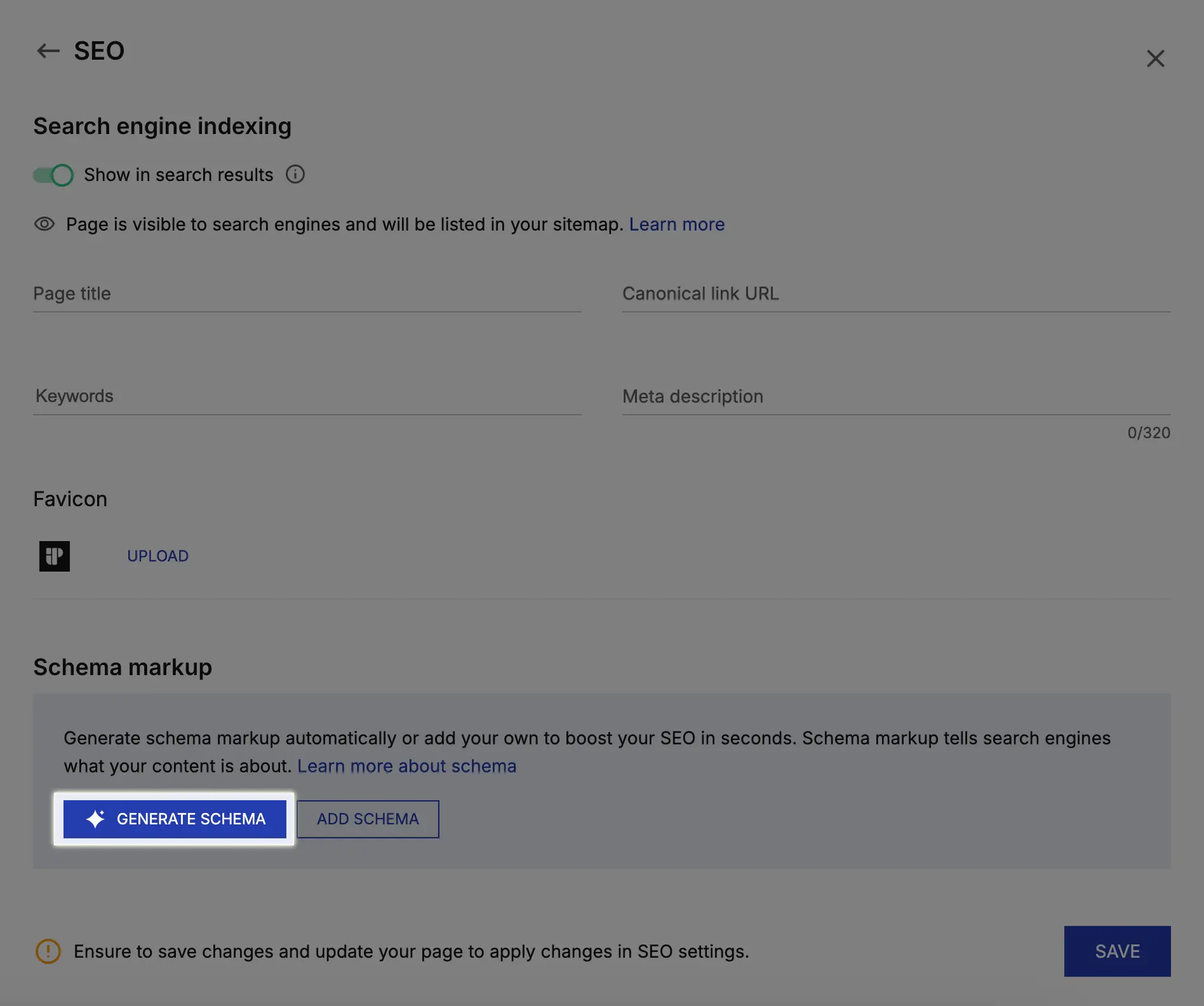
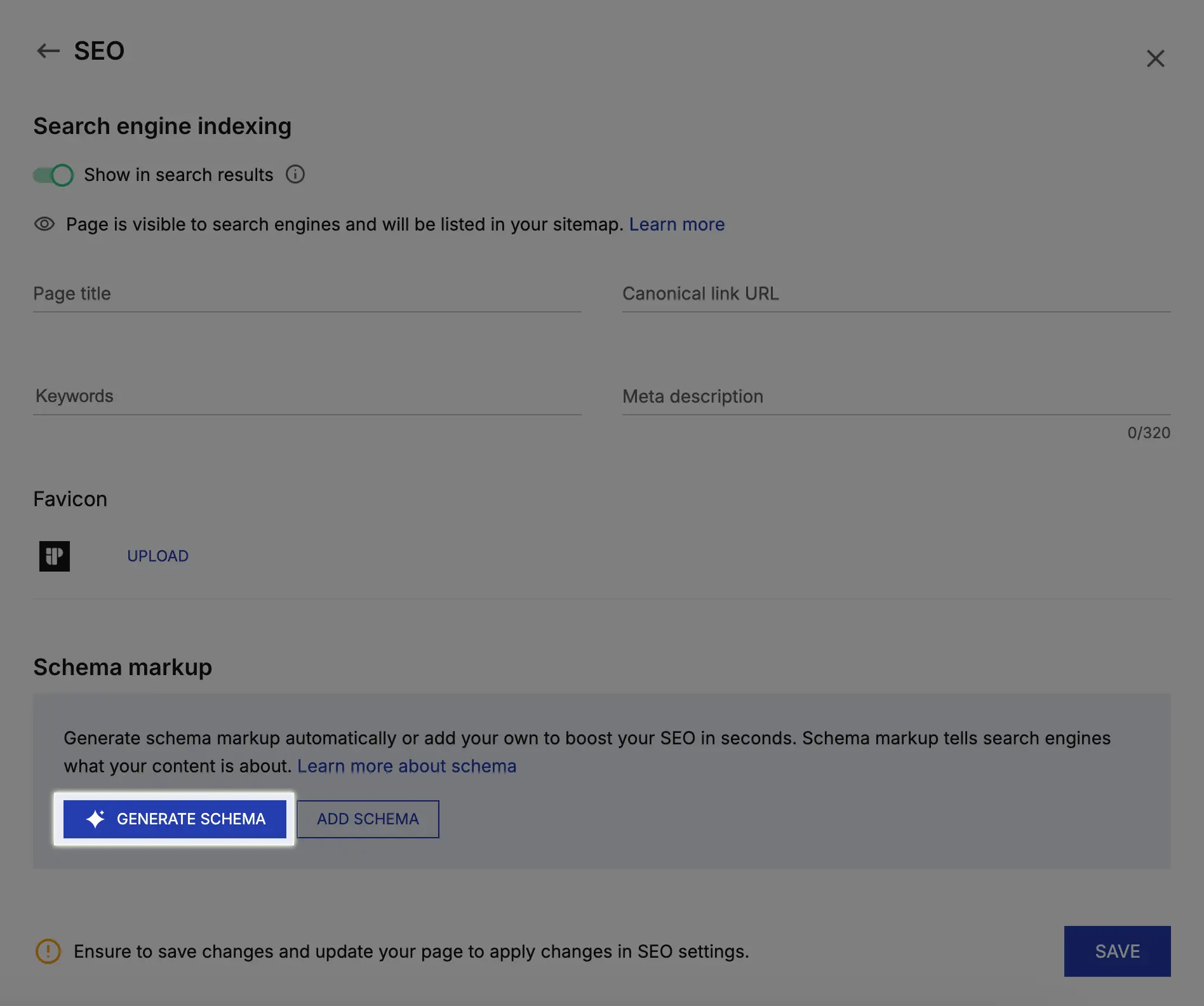
The landscape of digital marketing is undergoing a fundamental transformation as traditional advertising costs escalate and marketing budgets face unprecedented scrutiny. In response to these shifting dynamics, Instapage, a leading landing page platform, has announced the launch of an integrated Schema Markup feature designed to bridge the gap between human-centric design and machine-readable data. This development arrives at a critical juncture where organic search visibility and AI-generated answers have become the primary drivers of sustainable growth for modern brands. As search engines like Google and AI assistants such as OpenAI’s SearchGPT and Google’s Gemini evolve, the criteria for digital prominence have shifted from simple keyword density to the clarity of structured signals. The newly introduced tool allows marketers to generate, validate, and publish structured data directly from their page settings, effectively removing the technical barriers that have historically hindered small to medium-sized enterprises from competing with larger corporations in the search engine results pages (SERPs).
The Evolution of Search and the Necessity of Structured Data
To understand the significance of Instapage’s latest update, one must consider the historical trajectory of Search Engine Optimization (SEO). In the early 2000s, SEO was largely a game of keyword stuffing and backlink quantity. However, as algorithms became more sophisticated, search engines transitioned toward understanding user intent and context. This led to the creation of Schema.org in 2011, a collaborative effort by Google, Bing, Yahoo!, and Yandex to create a universal language for structured data.
Structured data, primarily implemented via JSON-LD (JavaScript Object Notation for Linked Data), acts as a digital translator. While a human visitor sees a well-designed landing page with a product price and customer reviews, a search engine crawler sees a collection of pixels and text. Schema markup provides the underlying code that explicitly tells the crawler: “This text is a price,” “This number is a rating,” and “This name is a brand.” In the current era of Search Generative Experience (SGE) and AI-driven discovery, these signals are no longer optional. AI models require structured data to accurately cite sources and present information in “rich snippets”—the enhanced search results that include images, ratings, and FAQ dropdowns.
Technical Capabilities of the Instapage Schema Integration
The core of Instapage’s new offering is the democratization of technical SEO. Traditionally, implementing schema markup required a developer to manually write JSON-LD code and inject it into the page’s header. This process often led to bottlenecks, errors in syntax, and a lack of synchronization between the visual content and the underlying data.
Instapage’s new interface addresses these challenges through an AI-driven workflow. The system allows users to select from a variety of schema types, including:
- Organization and Person: Establishing brand identity and authority.
- Product: Highlighting pricing, availability, and specifications for e-commerce.
- LocalBusiness: Providing physical addresses, hours of operation, and contact details.
- Event: Streamlining the promotion of webinars, conferences, and workshops.
- FAQPage: Increasing the vertical real estate occupied by a search result by displaying collapsible questions and answers.
For users who are uncertain about which schema type best suits their needs, Instapage has introduced an “Auto-detect” functionality. This feature utilizes artificial intelligence to analyze the existing content on a landing page and automatically generate the most relevant JSON-LD markup. Once generated, the tool provides a built-in validation step to ensure the code meets the rigorous standards of search engine crawlers before the page is published.
Chronology of the Digital Marketing Shift
The release of this feature is the result of a multi-year shift in the digital advertising ecosystem.
2021–2022: The Privacy Pivot. Changes in data privacy laws (such as GDPR and CCPA) and the phasing out of third-party cookies by major browsers led to a spike in Customer Acquisition Cost (CAC). Brands began looking for ways to maximize the efficiency of their “owned” media, such as landing pages.

2023: The AI Explosion. The public release of Large Language Models (LLMs) changed how consumers seek information. Instead of clicking through ten blue links, users began asking AI for direct answers. This forced marketers to prioritize “AI Readiness”—making sure their content was structured in a way that AI could easily ingest and credit.
2024: The Efficiency Mandate. As global economic conditions tightened, CMOs faced pressure to do more with less. The focus shifted from high-spend PPC (Pay-Per-Click) campaigns to high-conversion, SEO-optimized landing pages.
Late 2024: Instapage’s Integration. Recognizing that technical SEO was the “missing link” for many performance marketers, Instapage began developing a no-code solution to automate structured data, culminating in the current launch.
Supporting Data: Why Schema Matters for the Bottom Line
The business case for structured data is supported by significant industry data. According to research from Search Engine Journal, pages with schema markup can see a click-through rate (CTR) increase of up to 30% compared to those without. This is primarily due to the visual dominance of rich snippets in the SERPs. When a product page displays a 4.8-star rating and a “In Stock” badge directly in the search results, it builds immediate trust and encourages the user to click.
Furthermore, a study by Milestone Research found that “zero-click” searches—where the user finds their answer directly on the Google results page—now account for over 50% of all searches. While some marketers fear this reduces traffic, the data suggests that the traffic that does click through from a rich snippet is often more qualified and closer to a purchasing decision. By utilizing Instapage’s FAQ and Product schema, brands can ensure they are the ones providing the answers in those zero-click environments, thereby maintaining brand salience even when a click does not occur.
Industry Reactions and Expert Perspectives
While Instapage has not released official external testimonials for this specific launch, the general consensus among SEO professionals is one of cautious optimism regarding automated schema tools.
“The barrier to entry for technical SEO has always been the hand-off between the marketing team and the dev team,” says Marcus Thorne, a digital strategy consultant. “If a platform can automate the JSON-LD generation while maintaining accuracy, it allows marketers to iterate much faster. In a world where search algorithms change weekly, speed is a competitive advantage.”
Analysts suggest that this move by Instapage is also a defensive maneuver against the rising popularity of AI-first website builders. By integrating AI into the SEO workflow, Instapage retains its position as a high-end tool for performance marketers who need both design flexibility and technical rigor.
Strategic Implications for Business Types
The application of Instapage’s Schema Markup tool varies significantly across different sectors, each deriving unique benefits:
E-commerce and SaaS: For companies selling software or physical goods, Product and Review schema are paramount. These signals allow search engines to display price points and user satisfaction directly, which can significantly lower the cost per acquisition by pre-qualifying leads before they even land on the page.
Professional Services and B2B: For consultants, law firms, or medical practices, the “Person” and “LocalBusiness” schemas are vital for establishing E-E-A-T (Experience, Expertise, Authoritativeness, and Trustworthiness). In the eyes of Google, a landing page that is explicitly linked to a verified professional through structured data is more likely to rank for high-intent searches.
Event Organizers: The “Event” schema allows webinars and live sessions to appear in Google’s dedicated event discovery blocks. This provides a level of visibility that standard organic listings cannot match, particularly for time-sensitive promotions.
The Broader Impact on the Digital Ecosystem
The democratization of schema markup represents a broader trend toward the “semantic web.” As more platforms follow Instapage’s lead in making structured data accessible, the internet as a whole becomes more organized and searchable. For the consumer, this means more accurate search results and more helpful AI responses. For the marketer, it means that the quality of content and the clarity of data are finally becoming more important than the size of the advertising budget.
However, this shift also places a higher burden of accuracy on the marketer. Search engines have become increasingly strict about “schema spam”—the practice of using structured data to represent information that isn’t actually on the page (e.g., faking a 5-star rating). Instapage’s validation feature is a critical safeguard in this regard, helping users avoid manual penalties from search engines that could de-index their pages.
Conclusion: Future-Proofing the Conversion Funnel
As digital marketing enters an era defined by AI-driven discovery and tightening budgets, the ability to communicate effectively with both humans and machines is the new baseline for success. Instapage’s introduction of AI-powered Schema Markup is more than just a feature update; it is a response to the evolving needs of a data-driven economy. By reducing the time required to implement technical SEO from hours of development to less than five minutes of automated generation, the platform enables brands to focus on what truly matters: crafting compelling narratives and building products that solve customer problems.
In the coming months, the impact of this feature will likely be seen in the diversification of organic traffic sources for Instapage users. Those who adopt structured data early will be best positioned to capture the growing volume of queries handled by AI assistants and rich search interfaces. For businesses looking to remain relevant in an increasingly automated world, the message is clear: the pages that are easiest for machines to understand will be the ones that humans are most likely to find.








