rifanmuazin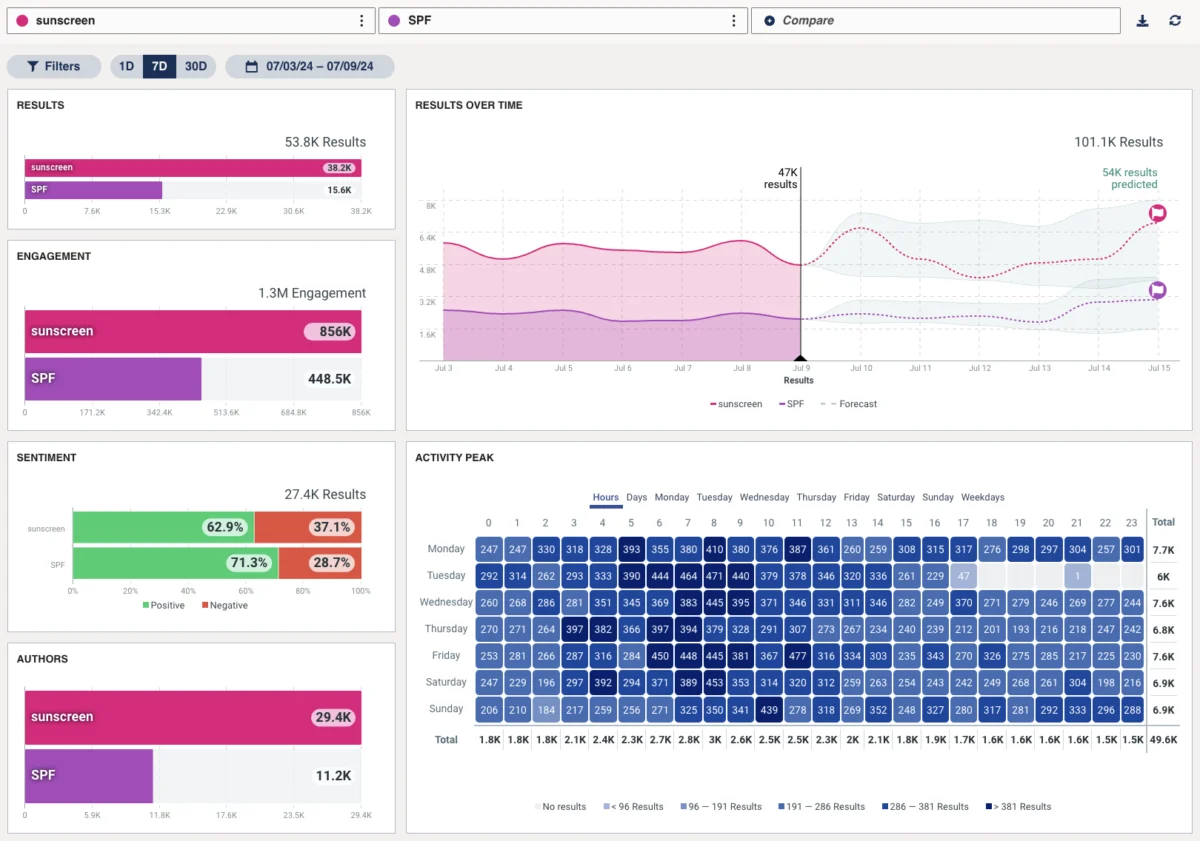
The contemporary digital ecosystem demands that businesses and marketers leverage sophisticated social media tools to effectively manage their online presence, engage with diverse audiences, analyze performance metrics, and foster brand growth. These specialized software solutions transcend the basic functionalities offered by native social media platforms, providing integrated capabilities for content planning, creation, publishing, monitoring, and in-depth analysis. Their primary purpose is to streamline complex workflows, automate repetitive tasks, and unearth actionable insights that would otherwise require extensive manual effort.

The Evolution of Social Media Management
The journey of social media marketing has been one of rapid transformation. In its nascent stages, managing a brand’s presence on platforms like MySpace or early Facebook involved largely manual posting and rudimentary interaction. However, as social media platforms proliferated and audience engagement became more fragmented across an increasing number of channels, the need for centralized management solutions grew exponentially. Industry reports, such as those from Pew Research, consistently highlight that adults are now spread across more platforms than ever before, making a unified approach indispensable for marketers.

This fragmentation catalyzed the development of dedicated social media management platforms in the early 2010s, offering basic scheduling and multi-platform posting. Over the past decade, these tools have evolved dramatically, integrating advanced analytics, sophisticated listening capabilities, and robust collaboration features. The most recent and perhaps most significant evolution has been the widespread adoption of Artificial Intelligence (AI), fundamentally reshaping how content is created, optimized, and analyzed. This technological leap has moved social media management from a reactive, labor-intensive process to a proactive, data-driven strategy.
Understanding the Core Categories of Social Media Tools
The expansive landscape of social media tools can be broadly categorized based on their primary functions, each addressing distinct facets of a comprehensive digital strategy:
1. All-in-One Management Platforms:
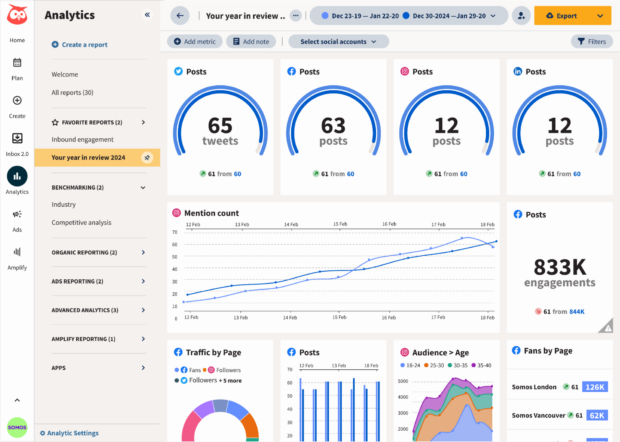
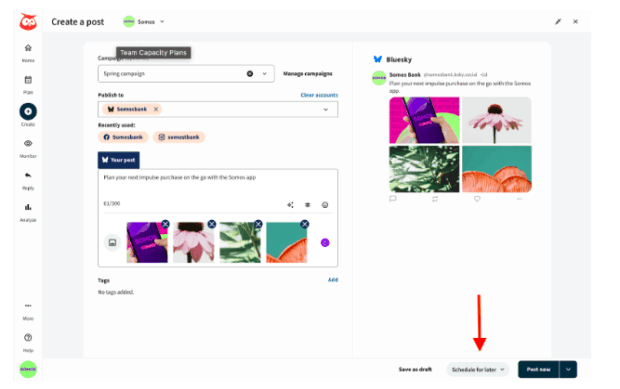
These platforms serve as the central nervous system for social media operations. They consolidate scheduling, publishing, analytics, and engagement functionalities into a single dashboard, enabling teams to manage multiple channels and brands efficiently. For organizations handling a complex web of social accounts, these platforms are indispensable, acting as the backbone of their social media tech stack. Hootsuite stands as a leading example in this category, offering comprehensive tools for planning and sharing across major platforms including Instagram, X (formerly Twitter), LinkedIn, TikTok, Facebook, Pinterest, and YouTube. Its integrated composer allows for bulk scheduling, optimal posting time recommendations, and direct content uploads, significantly reducing the time spent on administrative tasks. Similarly, HubSpot, while primarily a CRM platform, offers robust social media management capabilities, linking social interactions directly to customer records for a holistic view of the customer journey.
2. Social Media Analytics and Listening Tools:
Beyond simply tracking basic metrics, these tools delve into deeper insights concerning brand performance, public sentiment, and competitive landscapes. They are critical for proactive reputation management and identifying emerging trends. Tools like Talkwalker (integrated with Hootsuite) provide AI-powered social listening, analyzing millions of online sources to gauge brand sentiment, identify key influencers, and detect potential issues before they escalate into crises. NetBase Quid offers similar capabilities, focusing on consumer and market intelligence to help businesses understand public perception and manage brand health across various online channels, not just social media. For local businesses, Google Business Profile, while free, plays a crucial role in managing online reviews and local search presence, directly impacting reputation and customer support.
3. Content Creation and Design Tools:
In an increasingly visual social media landscape, the ability to produce high-quality, engaging content is paramount. These tools empower marketers to create professional visuals without requiring a dedicated design team. Canva, with its intuitive interface and extensive library of templates, has democratized graphic design, allowing users to quickly produce on-brand graphics, presentations, and video clips. Its integration with AI features like Magic Studio further accelerates content creation. Adobe Stock complements these efforts by providing a vast library of high-quality stock images and videos, particularly beneficial for teams already entrenched in the Adobe Creative Cloud ecosystem.

4. AI-Powered Social Media Tools:
The integration of Artificial Intelligence is the fastest-growing trend in social media tools. AI algorithms are now capable of generating captions, repurposing long-form content, recommending optimal posting times, and detecting nascent trends. Gartner predicts that AI marketing automation is expected to double by 2028, underscoring the transformative impact of this technology. Hootsuite’s OwlyGPT, for instance, is an AI assistant built directly into the platform, generating captions, repurposing top-performing posts, and suggesting relevant hashtags. Lately AI specializes in transforming long-form content such as blog posts, podcasts, and webinars into optimized social media snippets, leveraging AI to analyze content and audience data for maximum engagement. These tools significantly enhance efficiency, allowing marketers to focus on strategic initiatives rather than repetitive content generation.
5. Influencer and Creator Management Tools:
Influencer marketing has evolved into a significant component of modern marketing strategies. eMarketer reports that U.S. spending on influencer marketing has surpassed $10 billion, highlighting its financial weight. Tools in this category facilitate the discovery, vetting, management, and tracking of partnerships with relevant creators. Upfluence offers a comprehensive platform for identifying influencers across various networks (YouTube, Instagram, TikTok, Twitch, X, Pinterest) and streamlining campaign workflows. Insense focuses on connecting brands, particularly e-commerce and DTC businesses, with creators to produce user-generated content (UGC) and ad campaigns for platforms like Instagram and TikTok, managing the entire process from creator matching to content briefs.
6. Collaboration and Workflow Tools:
Effective social media marketing requires seamless coordination across internal teams and often with external stakeholders. Collaboration and workflow tools integrate social media initiatives into broader project management frameworks. Monday.com provides flexible visual boards and automation features for campaign planning and content calendar management. Airtable combines database functionality with spreadsheet simplicity, making it ideal for tracking content calendars, managing creator partnerships, and organizing asset libraries. Notion serves as an all-in-one workspace for documentation, content ideation, and maintaining a centralized knowledge base, allowing teams to create custom workflows tailored to their specific needs.
7. Link and Bio Tools:
Given the often-limited link real estate on social media profiles, especially Instagram and TikTok, specialized tools help maximize this space. Linktree allows users to create a single landing page featuring multiple links, directing followers to various destinations such as websites, blog posts, or product pages. It also provides analytics to track click-through performance. Bit.ly is a widely used URL shortening service that not only makes long links more shareable but also offers valuable click data, enabling marketers to gain insights into which content drives the most traffic and optimize their campaigns.

8. Customer Service Tools:
Social media has become a primary channel for customer inquiries and support. Dedicated customer service tools integrate with social platforms to manage incoming messages, comments, and mentions, ensuring that no customer query goes unaddressed. Zendesk, a prominent customer service platform, can integrate with social media channels to convert social interactions into support tickets, allowing support teams to systematically track and resolve issues. This integration is crucial for maintaining brand reputation and providing timely customer assistance in a multi-channel environment.
Key Criteria for Strategic Tool Selection

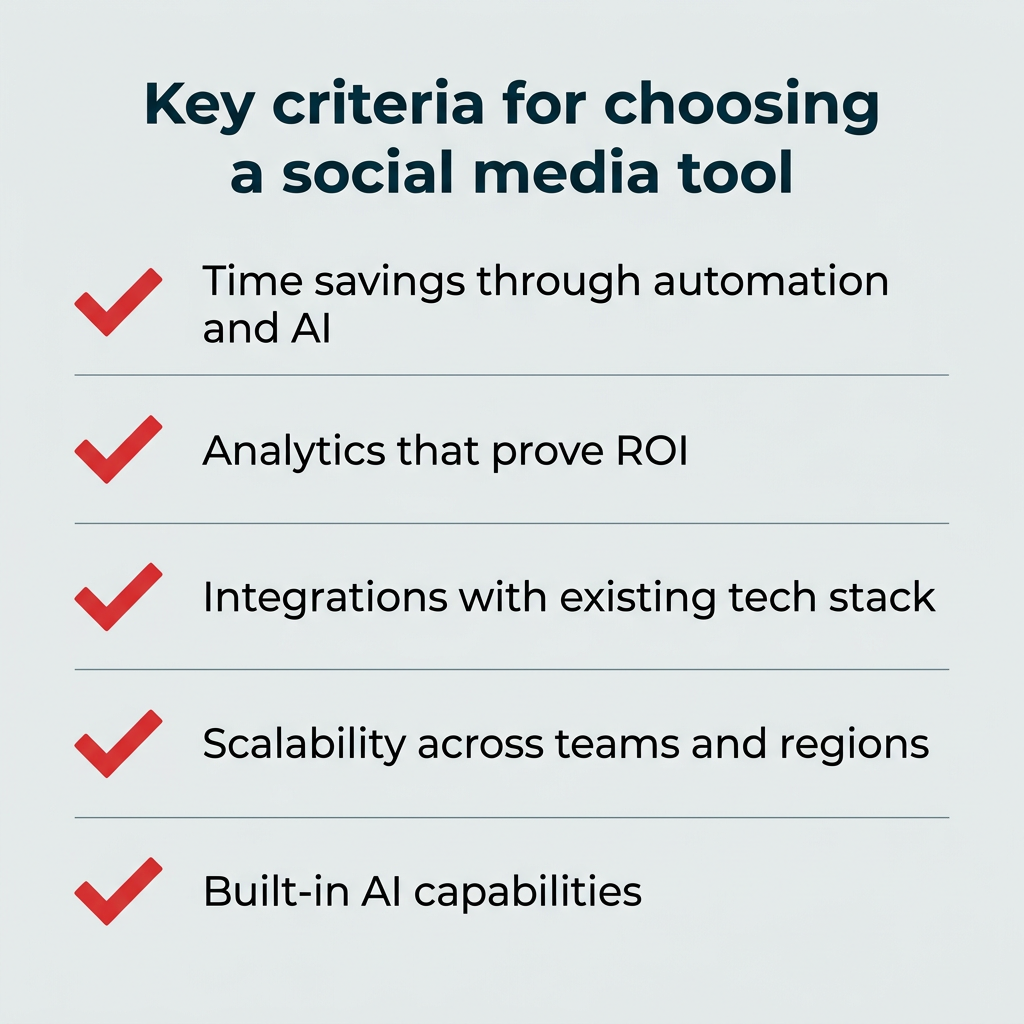
Choosing the right social media tools is a critical strategic decision that can significantly impact a marketing team’s efficiency, effectiveness, and ability to demonstrate ROI. Organizations must evaluate tools against several key criteria:
1. Time Savings and Automation: The most impactful tools automate repetitive tasks, such as bulk scheduling, AI-generated captions, and approval workflows. This frees up valuable time for marketers to focus on higher-level strategic planning, creative content development, and audience engagement, rather than administrative overhead. The goal is to minimize time spent switching between applications and maximize time dedicated to activities that genuinely move the business forward.

2. Analytics and ROI Measurement: Understanding content performance is foundational, but proving its tangible business impact to leadership is paramount. The best social media tools offer in-depth analytics, custom reporting, executive dashboards, and attribution models that link social media activity to concrete business outcomes like leads, sales, or website traffic. This capability is crucial for justifying marketing investments and optimizing future strategies.
3. Seamless Integration with Existing Tech Stack: A social media tool should augment, not complicate, an organization’s existing technological infrastructure. Compatibility with CRM systems (e.g., Salesforce, Microsoft Dynamics), Business Intelligence (BI) platforms, Digital Asset Management (DAM) systems, and internal communication tools like Slack is vital. Native integrations ensure seamless data flow, reduce manual data transfers, and improve the reliability and accuracy of reporting.

4. Scalability and Governance: For large enterprises managing multiple brands, regions, or business units, scalability and robust governance features are non-negotiable. Tools must offer role-based permissions, multi-brand dashboards, centralized content libraries, and compliance controls. These features ensure brand consistency, adherence to regulatory requirements, and efficient team collaboration without hindering agility.
5. Robust AI Capabilities: In 2026, AI is no longer a luxury but a necessity. Effective social media tools incorporate AI for various functions, including content creation, post optimization (e.g., best time to post), trend detection, and automated recommendations. The most valuable AI integrations are those built directly into existing workflows, seamlessly enhancing productivity rather than requiring separate management.

6. Brand Reputation Protection: The real-time nature of social media means online conversations can rapidly impact brand reputation. A robust social media monitoring tool helps teams stay abreast of every comment, mention, tag, and message across platforms. This constant vigilance allows for rapid response to customer inquiries, swift addressing of negative sentiment, and proactive crisis management, safeguarding the brand’s image.
Broader Impact and Future Outlook

The strategic selection and deployment of social media tools have profound implications for modern marketing. They foster unprecedented efficiency, enabling smaller teams to achieve broader reach and impact. The shift towards data-driven decision-making, powered by advanced analytics, allows marketers to move beyond intuition, optimizing campaigns based on concrete evidence. AI-driven personalization capabilities promise to deliver highly tailored content experiences at scale, further deepening audience engagement.
However, the rapid integration of AI also raises considerations around authenticity and potential biases in algorithms, requiring careful human oversight. Ultimately, while these tools offer immense power, they serve to augment, not replace, human creativity, strategic thinking, and the nuanced understanding of audience psychology. The future of social media marketing will undoubtedly be characterized by increasingly sophisticated, integrated, and intelligent tools, further empowering marketers to navigate the dynamic digital landscape and achieve measurable business success. The imperative for organizations is to continuously assess their needs, embrace technological advancements, and strategically invest in a toolkit that aligns with their overarching business objectives.