
 rifanmuazin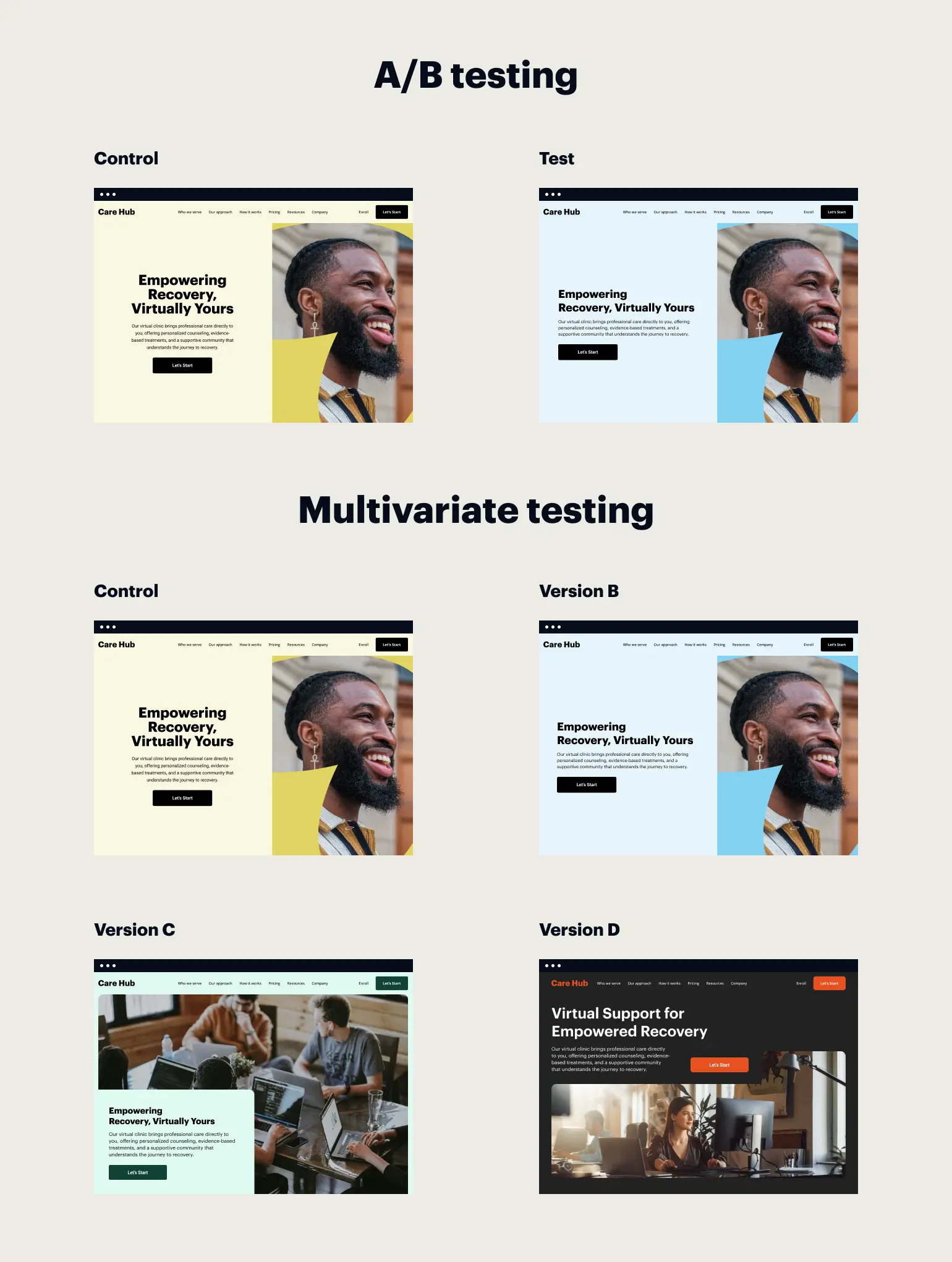
The digital advertising landscape has undergone a seismic shift over the last decade, evolving from a realm of creative intuition into a rigorous, data-driven discipline. As global spending on digital advertising surpasses $600 billion annually, the margin for error in user experience and conversion path design has narrowed significantly. In this high-stakes environment, marketing experiments have become the cornerstone of successful campaigns, providing the empirical evidence necessary to distinguish high-performing assets from those that fail to resonate with audiences. While basic split testing remains a staple for many organizations, the rise of Multivariate Testing (MVT) has introduced a sophisticated methodology for understanding complex user interactions.

The Mechanics of Multivariate Testing
Multivariate testing, commonly referred to as MVT, represents an advanced form of experimentation that evaluates multiple variables simultaneously to determine how they interact and influence overall user behavior. Unlike traditional testing methods that isolate a single change, MVT allows marketers to analyze the synergy between various on-page elements, such as headlines, imagery, call-to-action (CTA) buttons, form fields, and navigational links.
The primary objective of MVT is to identify the specific combination of elements that maximizes a desired outcome, typically a conversion or a click-through. By systematically modifying selected variables, analysts can observe how different components work in tandem. This holistic approach is particularly valuable for optimizing complex landing pages where the relationship between a headline and a hero image may be more significant than the impact of either element in isolation.
The mathematical foundation of MVT is rooted in a simple but powerful formula: the total number of combinations is the product of the number of variations for each element. For instance, if a marketer decides to test three different headlines and two distinct images, the test will yield six unique page versions. If a third variable, such as two different CTA colors, is added, the number of combinations jumps to twelve. This exponential growth in variations highlights both the power and the primary challenge of the multivariate approach.
The Strategic Divide: A/B Testing vs. Multivariate Testing
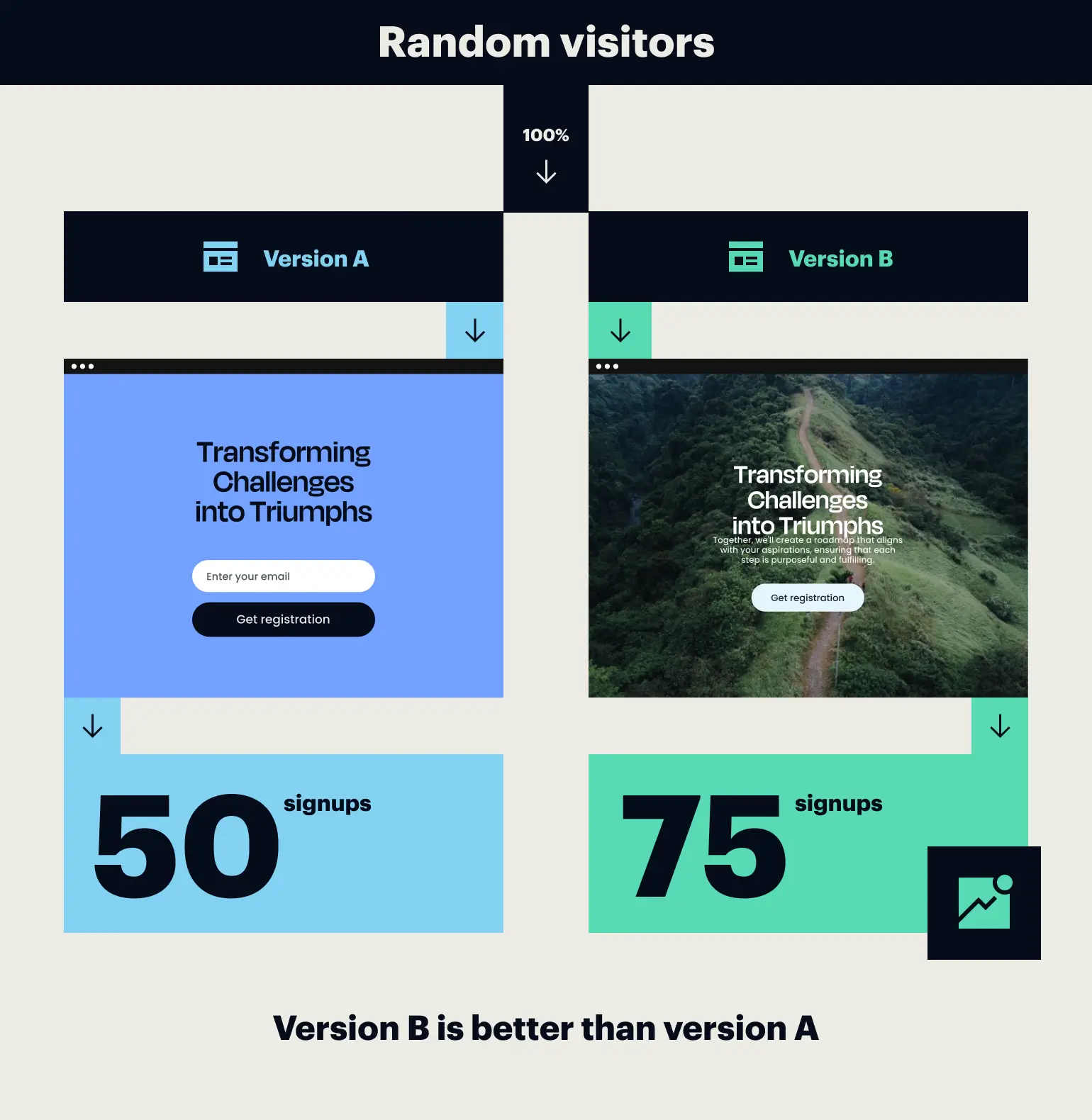
While both A/B testing and MVT are designed to enhance performance and user experience, they operate on different principles and serve distinct strategic goals. A/B testing, or split testing, is a linear process where two versions of a web page—the control (A) and the variation (B)—are compared. This method is highly effective for pinpointing the impact of a single, major change, such as a completely different page layout or a radical shift in messaging.
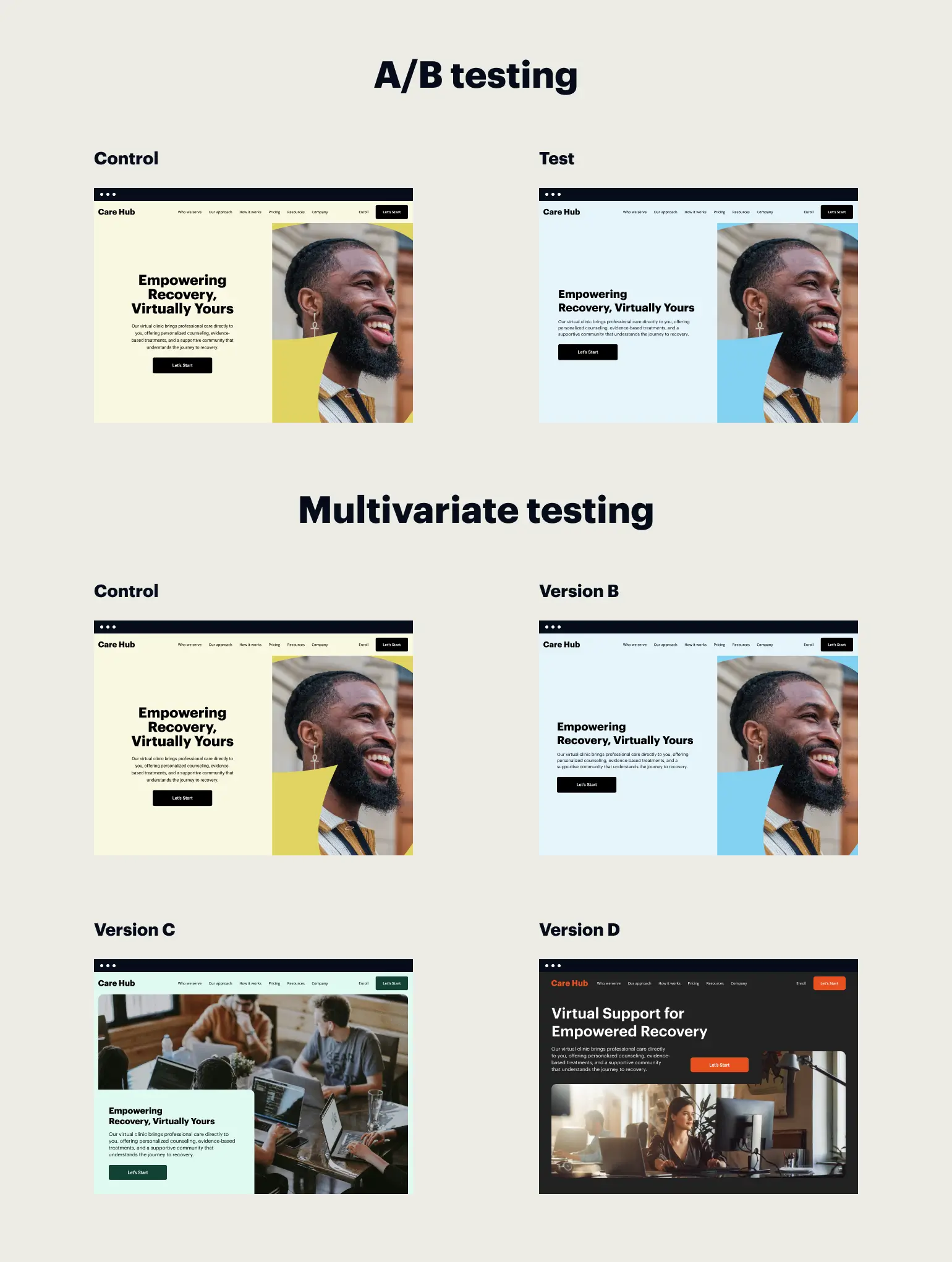
In contrast, MVT is a multi-dimensional approach. It is best utilized when a page design is already relatively stable, and the goal is to fine-tune the interactions between existing elements. The choice between the two often depends on the maturity of the product and the volume of traffic available for testing.
Industry analysts often categorize the differences across several key pillars:

- Experiment Complexity: A/B testing is relatively simple to set up and interpret, whereas MVT requires complex design and rigorous statistical analysis.
- Speed to Results: Because A/B testing focuses on fewer variables, it typically reaches statistical significance faster than MVT.
- Insight Depth: MVT provides a comprehensive view of user behavior by revealing “interaction effects”—instances where a specific headline only performs well when paired with a specific image.
- Resource Requirements: MVT demands higher traffic volumes and more significant technical resources to implement and monitor.
The History and Chronology of Web Optimization
The journey toward modern MVT began in the early 2000s, as the first generation of web analytics tools allowed businesses to track basic user movements.
- 2000–2005: The Era of Intuition. Web design was largely driven by aesthetic preference and “HiPPO” (Highest Paid Person’s Opinion). Testing was rare and often manual.
- 2006–2012: The Rise of Split Testing. Tools like Google Website Optimizer (later integrated into Google Analytics) democratized A/B testing. Marketers began to realize that small changes, like the color of a “Buy Now” button, could yield double-digit increases in revenue.
- 2013–2019: The Sophistication of MVT. As traffic grew and data science became integrated into marketing departments, MVT became the standard for enterprise-level optimization. Platforms began offering automated “Full Factorial” and “Fractional Factorial” testing methods.
- 2020–Present: AI-Driven Experimentation. Today, the focus has shifted toward using machine learning to predict winning combinations and even personalize pages in real-time based on user data, further evolving the concepts established by MVT.
Data Requirements and the “Traffic Tax”
The most significant hurdle for multivariate testing is the requirement for a large sample size. In a standard A/B test, traffic is split 50/50. In a multivariate test with 16 combinations, each version receives only 6.25% of the total traffic. To achieve statistical significance—the point at which a marketer can be 95% confident that the results are not due to chance—the page must receive thousands, if not tens of thousands, of visitors.

For websites with lower traffic, A/B testing remains the more viable option. Attempting MVT with insufficient data leads to “noise,” where random fluctuations in user behavior are mistaken for meaningful trends. Consequently, digital strategists recommend a “traffic-first” assessment before committing to a multivariate framework.
Case Studies in Optimization Excellence
Several high-profile case studies illustrate the practical application of these methodologies.

AliveCor: The Power of Visual Cues
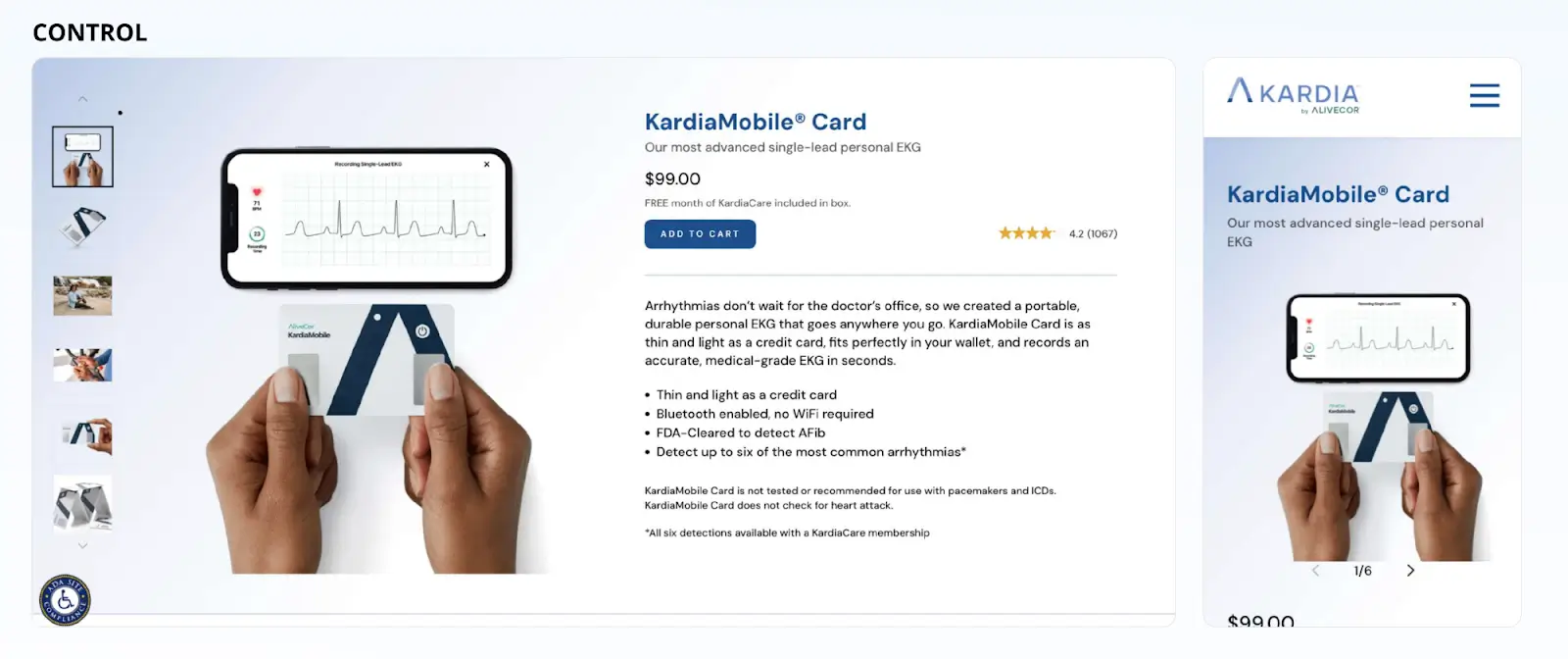
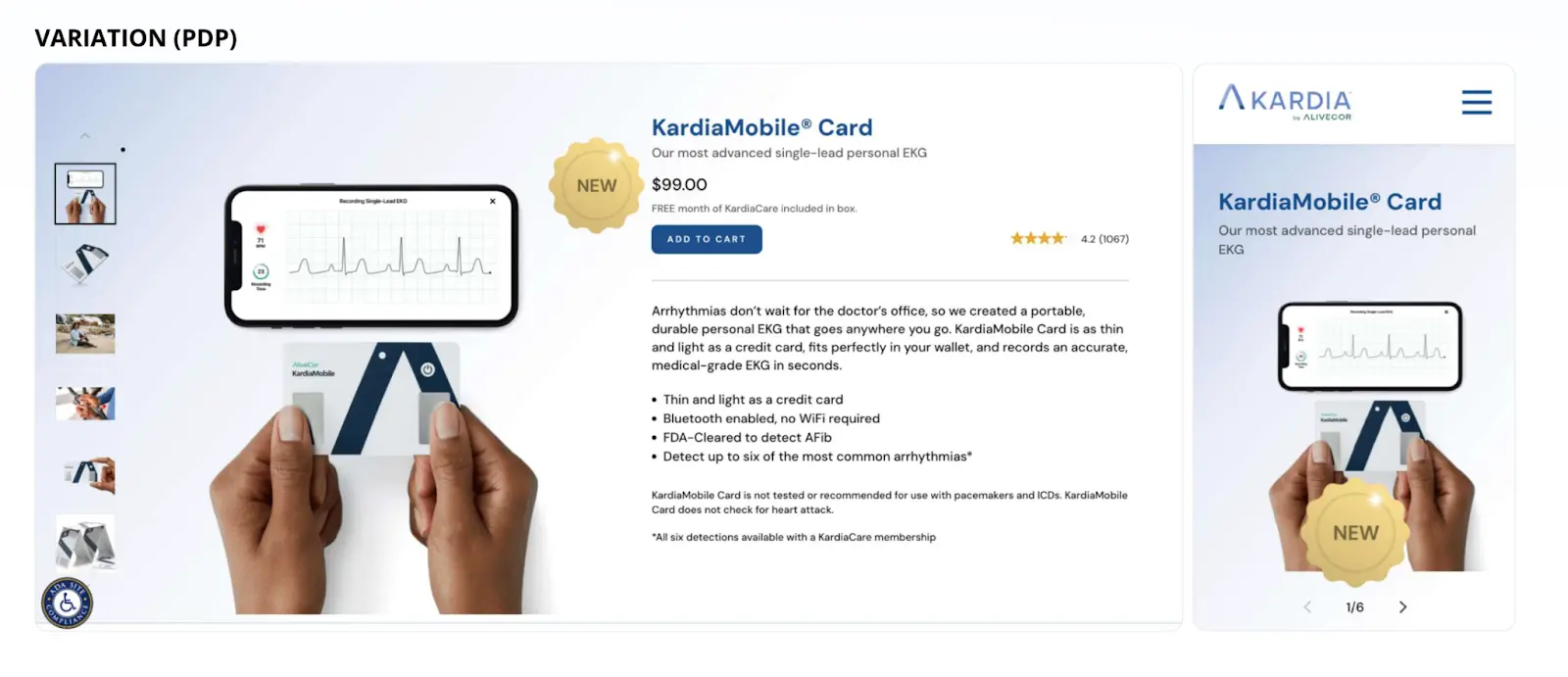
AliveCor, a leader in personal EKG technology, sought to launch its KardiaMobile Card without cannibalizing the sales of its existing product line. The company hypothesized that visitors would interact more with products that featured prominent visual badges. By testing variations of their product page—some with a “New” badge in different sizes and positions—they observed a 25.17% increase in conversion rates and a 29.58% increase in revenue per user. This experiment demonstrated how even a minor visual element, when validated through testing, can significantly impact the bottom line.
Groove: The “Copy-First” Revolution
Groove, a SaaS platform for customer support, faced stagnant conversion rates on their landing pages, hovering around 2.3%. Instead of minor tweaks, they performed a radical overhaul of the entire page layout, shifting to a “copy-first” narrative that prioritized user benefits over technical features. By testing different long-form narratives and headline combinations, they nearly doubled their conversion rate to 4.3%. This case underscores the value of testing entire page structures when incremental element changes fail to move the needle.

Methodology: Full Factorial vs. Fractional Factorial
When implementing MVT, practitioners generally choose between two primary statistical approaches:
- Full Factorial Testing: This is the “gold standard” of MVT. It tests every possible combination of variables. While it requires the most traffic, it provides the most accurate data regarding element interactions.
- Fractional Factorial Testing: This method tests only a subset of the total combinations. It uses mathematical models to “fill in the blanks” and predict how the untested combinations would have performed. This is a popular choice for marketers who want the insights of MVT but have limited traffic.
- Taguchi Method: Originally derived from industrial manufacturing, this method is a highly specialized form of fractional testing. While less common in digital marketing today, it remains a foundational concept in the history of experimental design.
Broader Implications for the Marketing Industry
The shift toward multivariate and A/B testing has profound implications for the structure of marketing teams. The traditional silo between “Creative” and “Analytical” departments is dissolving. Modern designers must understand data, and data analysts must understand user experience (UX) principles.
Furthermore, the rise of these testing methodologies has led to a culture of “continuous optimization.” Rather than launching a website and leaving it static for years, brands now view their digital presence as a living lab. This iterative process ensures that the user experience evolves in lockstep with changing consumer preferences and market conditions.
From a technical perspective, the integration of these tests into landing page builders and Content Management Systems (CMS) has lowered the barrier to entry. Platforms like Instapage have streamlined the process, allowing marketers to create experiments, define hypotheses, and split traffic without requiring deep coding knowledge. This democratization of data ensures that even mid-sized businesses can compete with global enterprises in terms of user experience quality.

Conclusion and Future Outlook
As artificial intelligence continues to permeate the marketing sector, the future of multivariate testing likely lies in automated, real-time optimization. We are moving toward an era where “Multivariate Personalization” will become the norm—where a page doesn’t just find the best combination for the average user, but dynamically assembles the best combination for each specific visitor based on their browsing history, location, and intent.
However, the core principles of testing remain unchanged. Success in digital marketing still requires a clear hypothesis, a rigorous methodology, and a commitment to following where the data leads. Whether an organization utilizes a simple A/B split or a complex 24-combination multivariate test, the goal remains the same: to remove the guesswork from the user journey and build a digital experience that is both intuitive for the consumer and profitable for the business.
In the final analysis, multivariate testing is more than just a technical tool; it is a strategic mindset. It acknowledges that the digital world is too complex for any single person to have all the answers and that the most reliable path to growth is paved with constant, empirical experimentation. For brands looking to maximize their return on ad spend and cultivate lasting customer relationships, mastering these testing methodologies is no longer optional—it is a fundamental requirement for survival in the digital age.








