
 rifanmuazin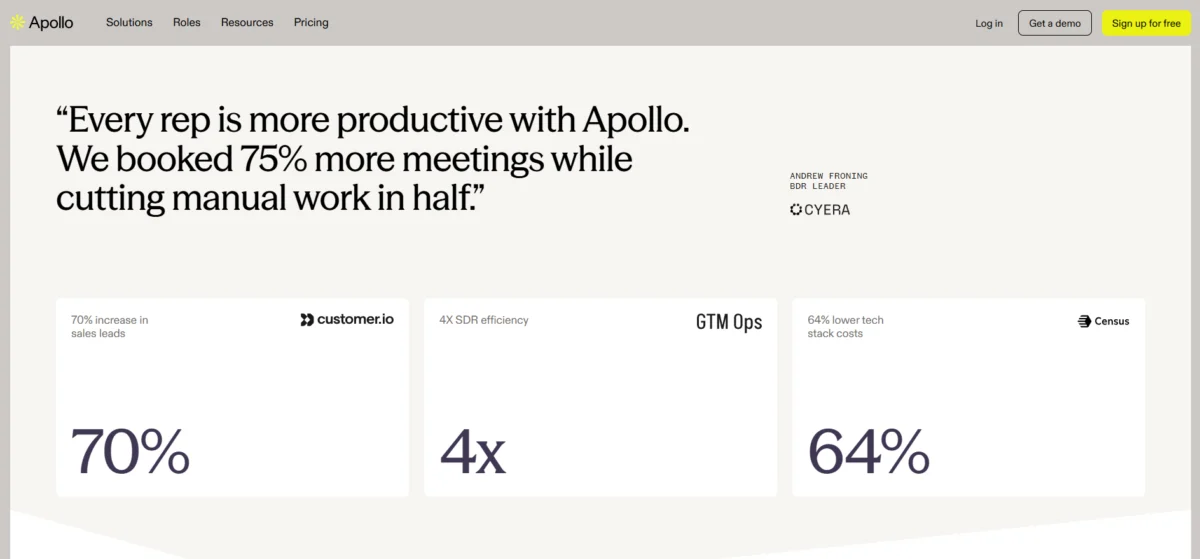
The practice of purchasing email lists remains one of the most contentious subjects in the digital marketing and sales landscape, presenting a complex intersection of immediate lead generation needs and long-term brand equity risks. While the allure of instant access to thousands of potential customers is significant for growing enterprises, industry experts and regulatory bodies increasingly warn that the practice often results in diminished deliverability, legal complications, and irreparable damage to domain reputation. For organizations navigating the dichotomy between mass marketing and personalized outreach, understanding the technical, legal, and economic implications of third-party data acquisition is essential for maintaining a sustainable digital presence.
The Evolution of Email Marketing and the Regulatory Environment
To understand the current risks associated with purchased lists, one must look at the evolution of digital privacy laws over the last two decades. The landscape changed significantly with the introduction of the CAN-SPAM Act of 2003 in the United States, which established the first national standards for the sending of commercial email. This was followed by more stringent international regulations, most notably the General Data Protection Regulation (GDPR) in the European Union and the United Kingdom, and the Canadian Anti-Spam Legislation (CASL).
Under the GDPR, the legal threshold for “consent” is exceptionally high, requiring a clear affirmative act from the individual. Consequently, using a purchased list to contact EU residents is technically a violation of privacy law because the recipients have not provided “opt-in” consent to the specific entity sending the email. While some B2B organizations attempt to rely on “legitimate interest” as a legal basis for outreach, this requires a rigorous balancing test that most purchased lists fail to meet. In contrast, the US CAN-SPAM Act focuses more on “opt-out” mechanisms, requiring senders to provide a clear way to unsubscribe and a physical postal address, though it does not strictly prohibit the initial unsolicited contact if these conditions are met.
The Technical Hazards: Domain Reputation and Deliverability
From a technical perspective, the risks of using purchased lists often outweigh the potential rewards. Modern Inbox Service Providers (ISPs) such as Google (Gmail) and Microsoft (Outlook) employ sophisticated machine learning algorithms designed to protect users from unsolicited communications. These algorithms monitor several key metrics to determine whether an email should reach the inbox or be relegated to the spam folder.
A primary hazard is the presence of “spam traps.” These are email addresses created by ISPs and anti-spam organizations specifically to identify list scrapers and buyers. Because these addresses have never opted into any communication, any mail sent to them is a definitive signal that the sender is using unauthorized data. Landing in a single high-quality spam trap can result in an immediate blacklisting of the sender’s IP address and domain.
Furthermore, purchased lists are notorious for high bounce rates. Industry data suggests that B2B contact information decays at a rate of approximately 22.5% to 30% annually. As professionals change jobs, get promoted, or leave the workforce, the data becomes obsolete. When a sender attempts to reach these non-existent addresses, it triggers a “hard bounce.” Most Email Service Providers (ESPs) like Mailchimp, HubSpot, and Klaviyo maintain a zero-tolerance policy for high bounce rates, often suspending accounts that exceed a 2% threshold. This is because high bounce rates from one customer can negatively impact the shared IP reputation of the ESP’s entire infrastructure.
The Economic Reality: ROI and Brand Perception
While proponents of purchased lists argue for the “speed to market,” the return on investment (ROI) frequently underperforms when compared to organic lead generation. Recipients of unsolicited emails are statistically less likely to engage with the content. According to marketing benchmarks, cold outreach to purchased lists typically sees open rates below 5% and click-through rates (CTR) often hovering near 0.1%. In contrast, permission-based lists—where users have actively signed up for newsletters or downloaded gated content—often enjoy open rates exceeding 25% and significantly higher conversion rates.
Beyond the metrics, there is the unquantifiable cost of brand erosion. In an era where consumer trust is a primary currency, being labeled as a “spammer” can alienate potential high-value clients before a relationship even begins. Once a domain is flagged by users as “spam” multiple times, it becomes increasingly difficult to reach even those customers who have actually opted into communications, as the domain’s overall “sender score” remains depressed.
Strategic Alternatives to Data Purchasing
Given the inherent risks, many successful organizations are shifting toward a hybrid model that prioritizes long-term list health while utilizing legitimate data tools for targeted sales outreach.
- In-House List Building: This remains the gold standard for marketing. By utilizing lead magnets—such as white papers, webinars, and industry reports—companies can trade valuable insights for contact information. While this process is slower, the resulting database consists of individuals who have expressed genuine interest in the brand’s offerings.
- List Rental and Sponsorships: For companies needing immediate reach, list rental offers a safer alternative. In this model, a company pays a publisher (such as an industry trade journal) to send a message to the publisher’s own opted-in audience. The advertiser never sees the data, ensuring compliance with privacy laws, while benefiting from the publisher’s established trust.
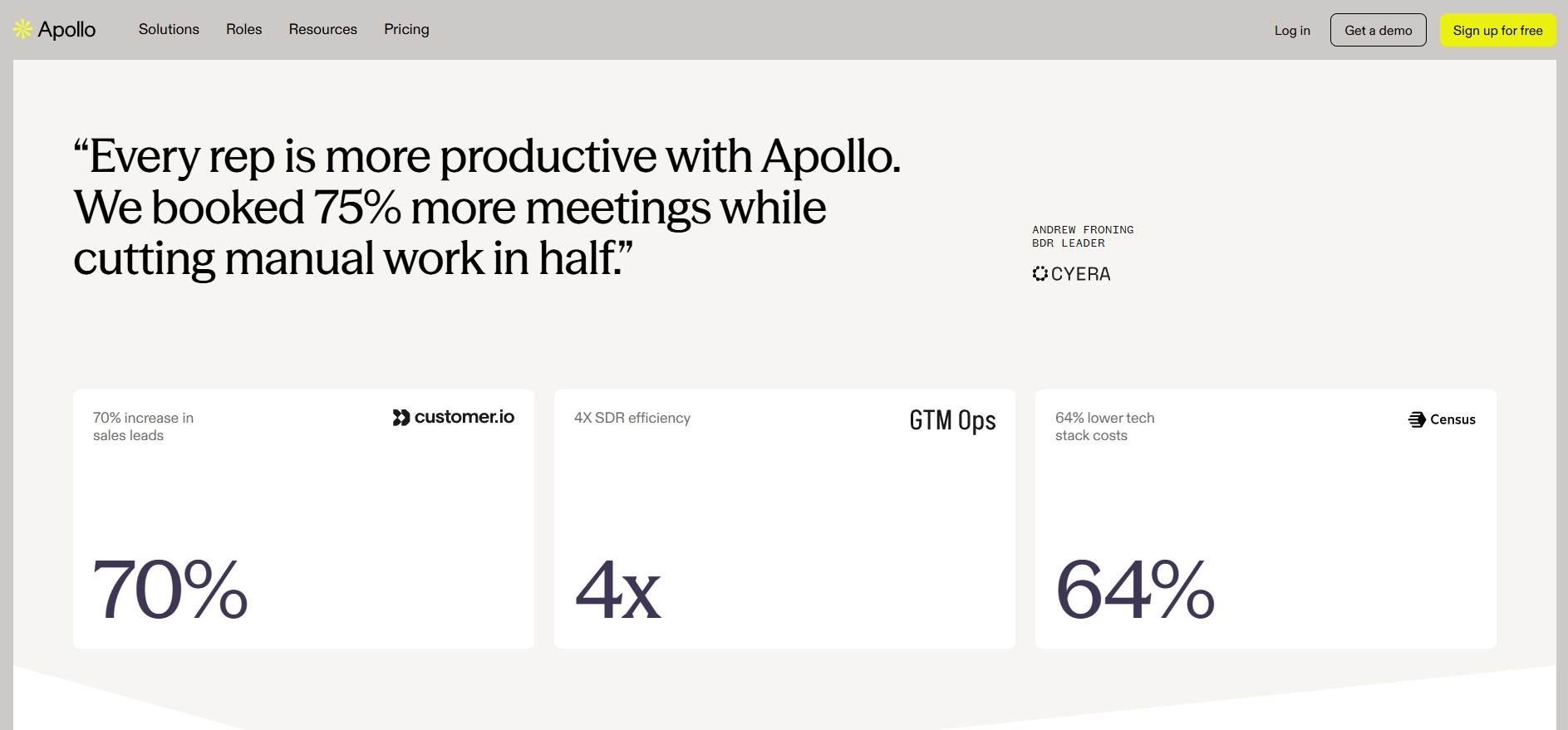
- Database Subscriptions: Unlike purchasing a static CSV file, subscribing to a live database (e.g., ZoomInfo or Apollo) allows sales teams to access frequently updated information. These platforms often use a combination of AI and human verification to mitigate data decay, though they are primarily intended for one-to-one sales outreach rather than mass marketing blasts.
Comparative Analysis of Leading Data Providers
For organizations that determine a need for third-party data for personalized sales prospecting, selecting a reputable vendor is critical. The market is currently dominated by several key players, each with specific geographic and functional strengths:
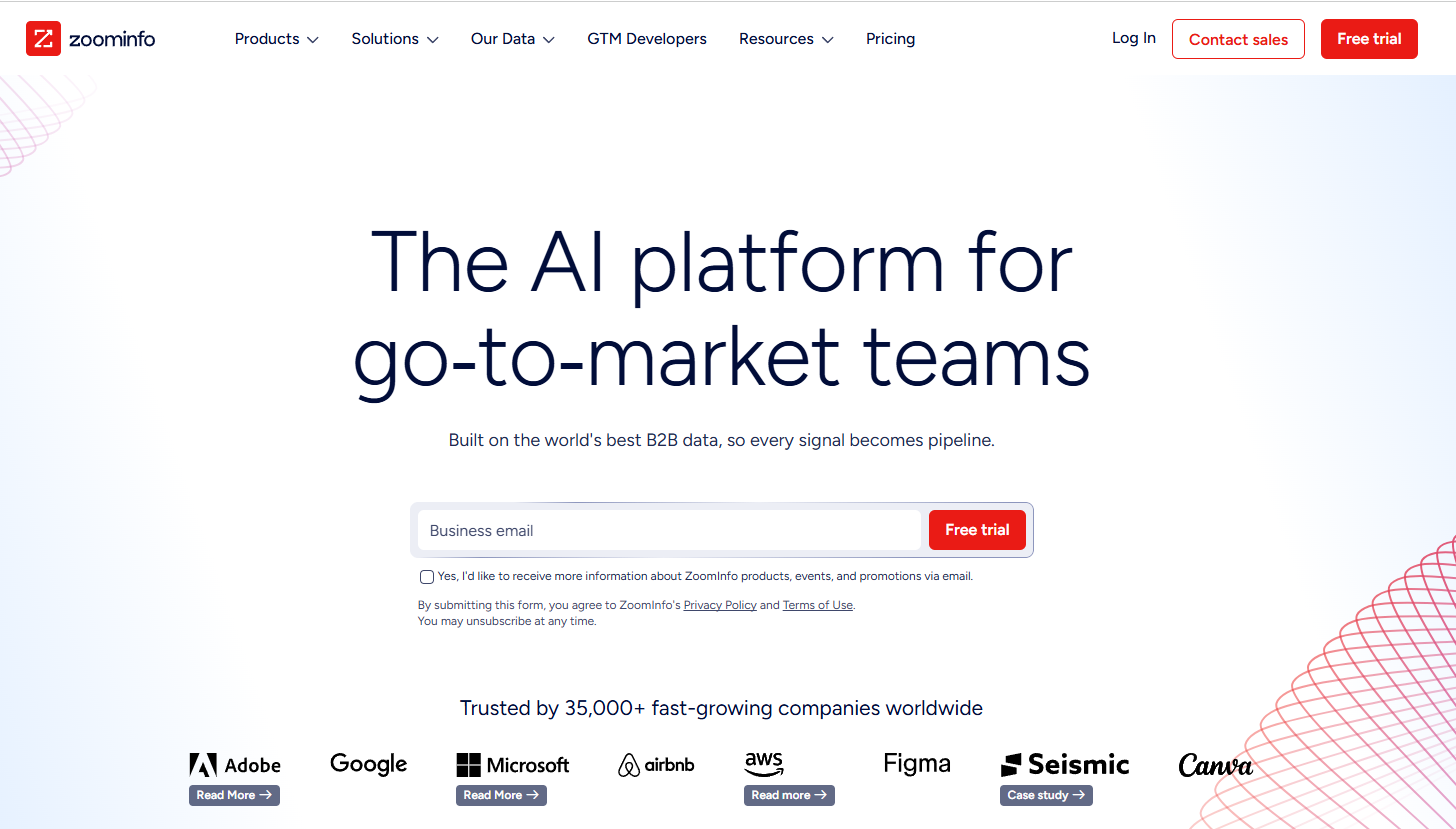
- ZoomInfo: Widely considered the enterprise standard for the North American market, ZoomInfo offers an extensive database of over 420 million contacts. Its strength lies in its “buyer intent” data, which tracks signals indicating that a company may be in the market for specific services.
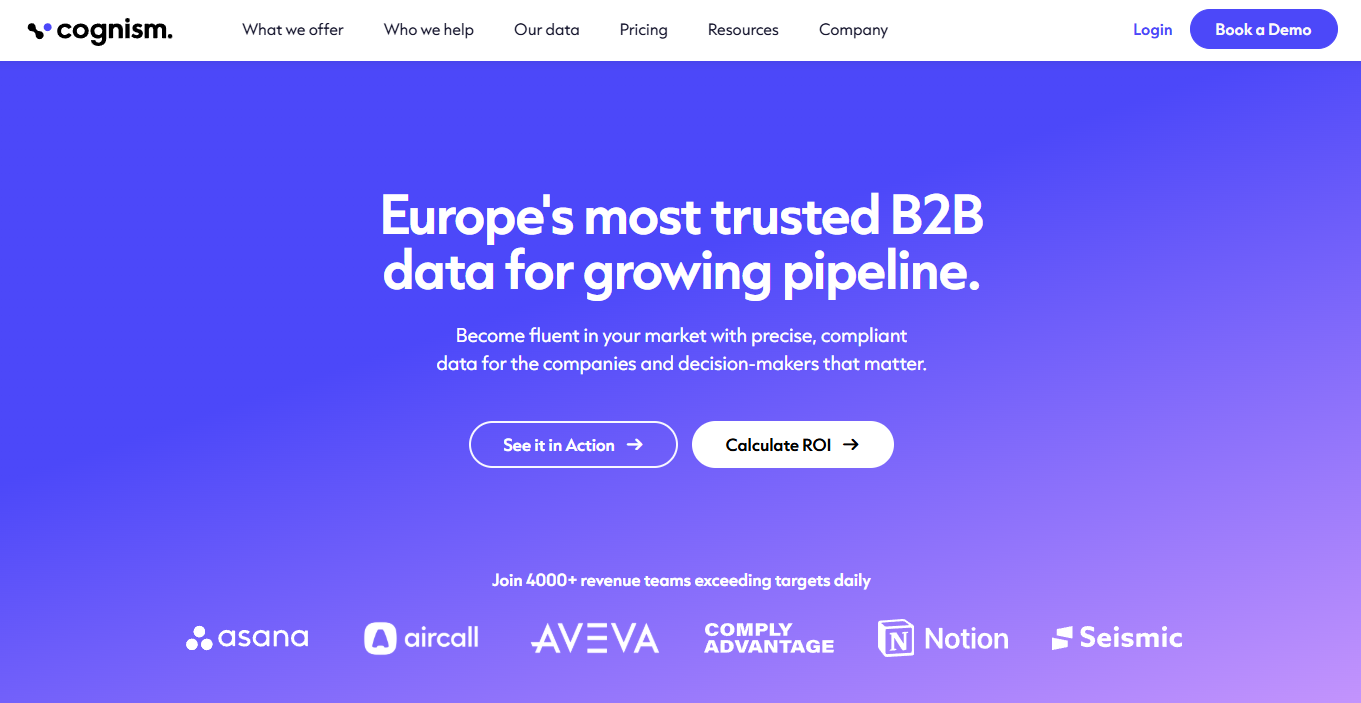
- Cognism: For businesses operating within the European Union, Cognism is often the preferred choice. The company places a heavy emphasis on GDPR compliance and provides “Diamond Data”—mobile numbers that have been manually verified by human researchers.
- Apollo.io: Popular among small to mid-sized businesses, Apollo integrates data access with a sales execution platform. Its transparent pricing and generous free tier have made it a favorite for startups looking to scale their outreach without the five-figure contracts often required by enterprise peers.
- Lusha: This tool is frequently utilized by individual recruiters and sales representatives. It operates primarily as a browser extension that reveals contact information on LinkedIn profiles, making it a “lightweight” alternative to full-scale database platforms.
Due Diligence: What to Demand from Vendors
When engaging with a data provider, corporate governance requires a rigorous vetting process. Organizations should demand documented proof of sourcing and consent. In the context of GDPR and UK-GDPR, it is vital to know whether the data was collected via “co-registration” or if it was scraped from public profiles—the latter being much harder to justify under privacy laws.
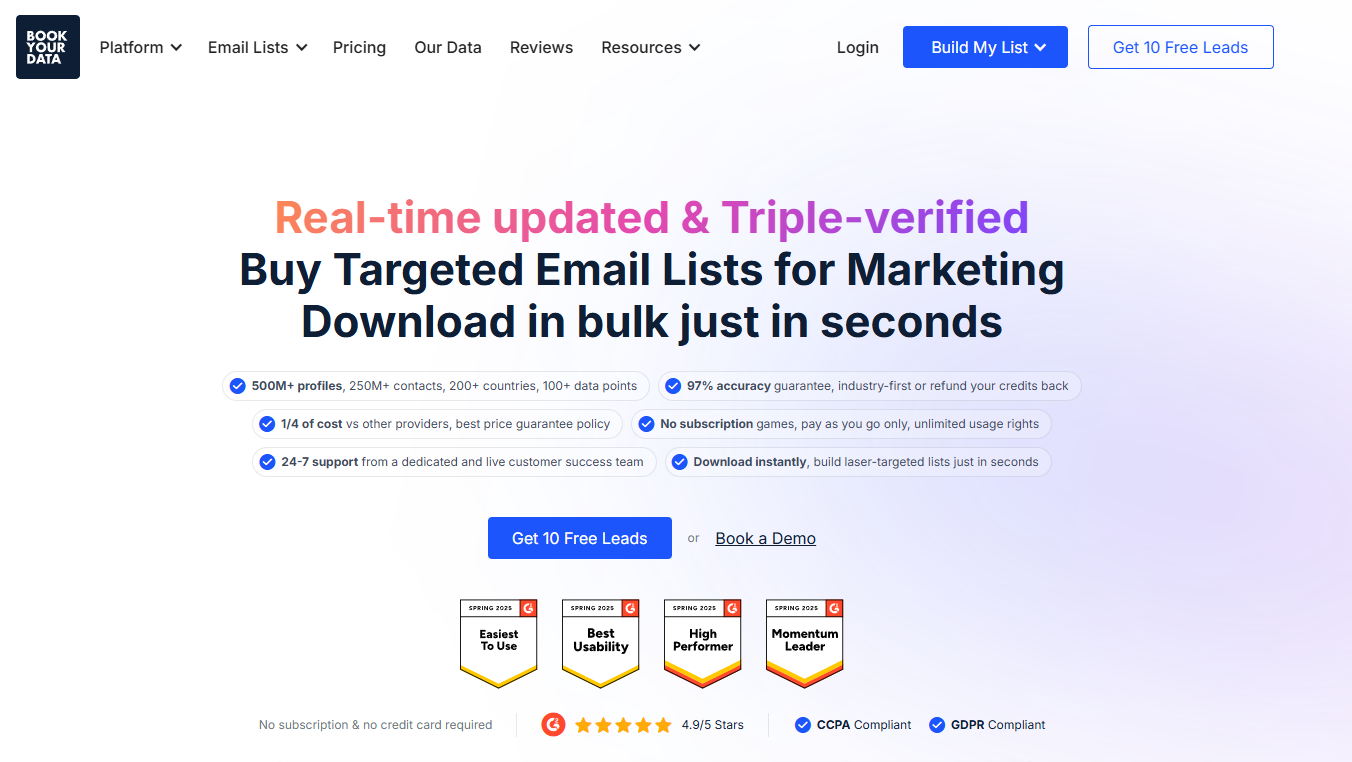
Furthermore, companies should insist on real-time verification. A reputable vendor should be able to demonstrate that their records are checked against SMTP (Simple Mail Transfer Protocol) servers at the time of export to ensure the email address is currently active. Financial protections are also a factor; organizations should look for money-back guarantees on bounce rates rather than “record replacement” guarantees, which often just provide more low-quality data.
Chronology of Data Integrity and the Future of Outreach
The timeline of the last decade shows a clear trajectory toward “permission-based” marketing.
- 2014: CASL (Canada) goes into effect, introducing some of the world’s toughest anti-spam penalties.
- 2018: GDPR (EU) transforms global data handling practices, forcing companies worldwide to rethink their email strategies.
- 2023: Major ISPs like Google and Yahoo announce new requirements for bulk senders, including mandatory DMARC (Domain-based Message Authentication, Reporting, and Conformance) adoption and a strict spam rate threshold of 0.3%.
These developments suggest that the window for using purchased lists for mass marketing is rapidly closing. The future of digital outreach lies in “hyper-personalization”—where data is used not to blast thousands of recipients, but to identify the specific individuals who would benefit from a tailored, one-to-one conversation.
Impact Analysis: The Shift Toward Quality over Quantity
The long-term impact of these changes is a fundamental shift in the role of the digital marketer. The “batch and blast” era is being replaced by a sophisticated ecosystem of content-led growth and account-based marketing (ABM). For organizations, the cost of acquiring a single high-quality lead through organic means may be higher upfront, but the lifetime value (LTV) of that customer is significantly greater.
In conclusion, while the purchase of an email list may offer a temporary surge in activity, it represents a significant strategic risk. The potential for legal penalties, the technical reality of domain blacklisting, and the negative impact on brand perception create a high-stakes environment. Companies that prioritize building their own audiences and using data platforms only for highly targeted, compliant sales outreach are those most likely to thrive in the increasingly regulated and protective digital landscape.








