rifanmuazin
In the complex landscape of Business-to-Business (B2B) marketing and sales, a persistent challenge plagues many teams: inconsistent pipeline generation despite the diligent application of seemingly “all the right things.” This article, drawing insights from marketing consultants and industry analysis, posits that the root cause often lies not in the selection of communication channels, but in the critical element of timing. A sophisticated understanding of when to deploy digital versus human outreach, a concept termed “marketing orchestration,” is emerging as the key differentiator for enhancing buyer engagement and cultivating a robust sales pipeline.
The traditional approach to addressing flagging engagement typically involves an additive strategy. Marketing and sales departments, accustomed to employing a diverse toolkit of paid campaigns, email nurturing sequences, direct sales development representative (SDR) outreach, and retargeting efforts, often find themselves in a cycle of adding more of these tactics. The underlying, often unstated, theory is that a lack of engagement is a problem solvable by sheer volume or technological sophistication. However, this perspective overlooks a fundamental truth: digital fatigue is less a consequence of the technology itself and more a symptom of its uncoordinated deployment. When these powerful tools are activated at the wrong moments in the buyer’s journey, they risk alienating prospects and creating a suboptimal customer experience.
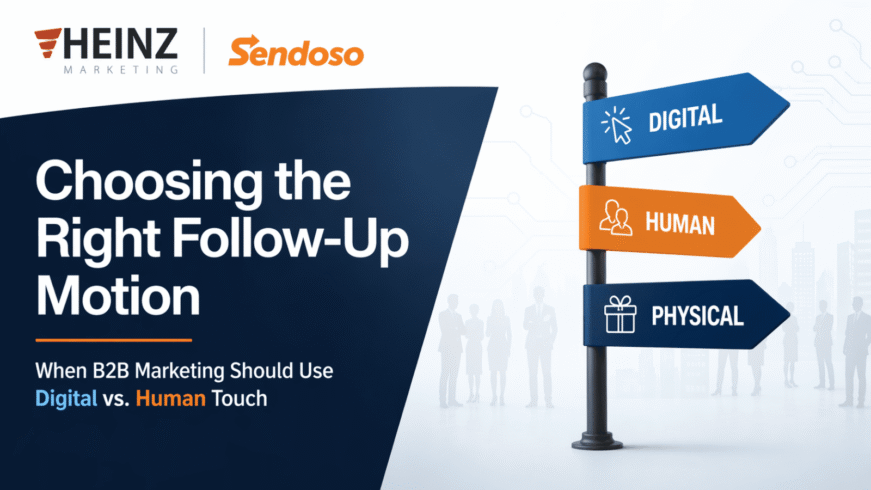
Sarah Threet, a Marketing Consultant at Heinz Marketing, articulates this core issue, stating, “Most B2B teams aren’t facing a channel problem—they’re facing a timing problem. Understanding when to deploy digital versus human outreach is paramount to improving engagement and pipeline.” This sentiment underscores a shift in focus from the what of outreach to the when.
The Orchestration Deficit: Beyond Channel Mix
The common response to declining engagement metrics—lower open rates, reduced click-throughs, and stalled conversions—is often to increase the frequency or diversity of communication. This can manifest as launching new social media campaigns, expanding email nurture streams, hiring more SDRs for outbound calls, or intensifying retargeting efforts across digital platforms. While each of these tactics has its merits in isolation, their effectiveness is severely hampered when they are not synchronized with the buyer’s readiness to engage.
This lack of coordination leads to several detrimental outcomes. For instance, a highly personalized email, crafted with meticulous attention to detail and buyer persona, can still be perceived as intrusive if sent at a stage where the prospect has not yet developed sufficient awareness of their need or the potential solutions available. Conversely, an automated follow-up message that arrives too late, after a period of silence, can foster a sense of disconnect and disinterest, suggesting a lack of attentiveness on the part of the vendor.
The Pitfalls of Personalization Without Context
Many organizations attempt to overcome engagement challenges by doubling down on personalization. While personalization is undoubtedly a crucial component of effective B2B communication, it cannot compensate for a fundamental misalignment in timing. A message that is personally relevant but delivered prematurely will likely fall on deaf ears, or worse, be perceived as an unwelcome interruption. The buyer’s journey is not a linear path; it is a dynamic process influenced by evolving needs, market research, internal evaluations, and competitive pressures.
The critical factor that truly resonates with buyers, and drives meaningful engagement, is not just relevance, but context and timing. Buyers are more receptive to outreach when it aligns with their current stage of consideration, their demonstrated intent, and their perceived readiness to act. This nuanced understanding requires a move beyond simply personalizing content to orchestrating the entire buyer experience across multiple touchpoints and over time.
A Data-Driven Approach to Engagement Timing
To move beyond assumptions and toward a more strategic approach, marketing and sales teams are being encouraged to shift their fundamental question. Instead of asking, “What message or channel should we use next?” the more impactful inquiry becomes, “What do we actually know about this account’s current situation and engagement level?” This foundational shift requires a deeper understanding of account intelligence and buyer behavior.
At a high level, this involves assessing:
- Awareness of Need: Has the prospect demonstrated an understanding of a problem or opportunity that your solution addresses? This can be indicated by their search queries, content consumption patterns, or participation in webinars discussing industry challenges.
- Consideration of Solutions: Is the prospect actively researching potential solutions, comparing vendors, or evaluating different approaches to address their needs? Evidence of this might include website visits to product pages, downloads of comparison guides, or engagement with case studies.
- Intent to Purchase: Is there a clear signal of intent to make a purchasing decision in the near future? This could be indicated by requests for demos, pricing inquiries, or engagement with sales enablement content specifically designed for decision-makers.
Consistently answering these questions for individual accounts provides a data-driven basis for aligning outreach efforts with genuine buyer behavior, rather than relying on generalized assumptions or rigid campaign schedules.
Identifying Common Timing Missteps
Several recurring errors in timing plague B2B engagement strategies:
Human Outreach Deployed Too Early
Initiating direct human outreach, such as a cold call or personalized email from an SDR, before a prospect has developed even a nascent awareness of their need is a common and costly mistake. This premature engagement often results in low response rates, negative first impressions, and a significant drain on valuable sales resources with minimal return. The prospect is not yet in a receptive mindset, making the effort feel intrusive rather than helpful.
Automation Deployed Too Late
Conversely, relying on automated nurturing sequences for extended periods can lead to missed opportunities. High-intent accounts, those actively seeking solutions, can become “stuck” in generic nurture streams while competitors engage them directly with more timely and personalized human interaction. Automation can be highly effective for nurturing lower-priority accounts or for initial awareness building, but the transition to human touch needs to be triggered by specific engagement thresholds.
Lack of Prioritization in Effort Allocation
A significant operational flaw is treating all engaged accounts identically, regardless of their strategic importance or potential value. This “one-size-fits-all” approach dilutes resources and fails to capitalize on the most promising opportunities. High-performing teams understand that not all engagement signals are equal and that differentiated outreach strategies are necessary to maximize impact.
The Evolution of B2B Engagement: Aligning Effort with Signal
The shift towards more effective B2B engagement hinges on aligning outreach efforts with observable buyer signals. High-performing teams are increasingly adopting strategies that:
- Leverage Digital Channels for Early Awareness and Nurturing: Utilizing content marketing, social media engagement, and targeted digital advertising to build initial awareness and educate prospects about potential solutions.
- Transition to Human Outreach Based on Engagement Triggers: Employing SDRs and account executives for personalized outreach once prospects demonstrate a higher level of interest, research activity, or specific intent signals.
- Utilize Data and AI for Intelligent Orchestration: Implementing marketing automation platforms and AI-driven tools to track buyer behavior, identify intent signals, and trigger the appropriate next step in the engagement process, whether digital or human.
- Prioritize High-Value Accounts: Focusing intensive human engagement efforts on accounts that represent the greatest strategic value and have demonstrated strong buying intent.
This approach is particularly relevant in the current climate, where the rapid scaling of AI execution necessitates even greater precision and thoughtfulness in how human and digital interactions are integrated. AI can amplify outreach, but its effectiveness is maximized when guided by a strategic understanding of timing and buyer context.
A Practical Framework for Timing Engagement
To operationalize this strategic shift, a clear framework is needed to guide decisions on when to deploy digital versus human touchpoints. In collaboration with industry partners like Sendoso, resources are being developed to provide actionable guidance. A well-defined framework helps teams to:
- Identify Buyer Intent Signals: Recognize the specific digital and behavioral cues that indicate a prospect’s readiness for different types of engagement.
- Map Channels to Buyer Stages: Understand which communication channels are most effective at each stage of the buyer’s journey, from initial awareness to post-purchase engagement.
- Optimize Resource Allocation: Ensure that valuable human resources are directed towards prospects who are most likely to convert, while leveraging automation for broader reach and nurturing.
- Create Seamless Buyer Journeys: Design experiences where digital and human interactions complement each other, providing a consistent and personalized experience for the prospect.
The Broader Impact on Pipeline Generation
The implications of mastering engagement timing are profound for B2B organizations. By moving beyond a “more is better” mentality and embracing a “smarter is better” approach, teams can expect to see:
- Increased Pipeline Velocity: Prospects move through the sales funnel more efficiently as outreach is timed to their readiness to engage.
- Higher Conversion Rates: More relevant and timely interactions lead to a greater likelihood of conversion.
- Improved Customer Experience: Buyers feel understood and supported throughout their journey, fostering stronger relationships.
- Enhanced Sales and Marketing Alignment: A shared understanding of buyer signals and engagement triggers strengthens collaboration between teams.
- Optimized Resource Utilization: Sales and marketing efforts are focused on the most impactful activities, leading to greater ROI.
Conclusion: The Strategic Imperative of Timing
In conclusion, the persistent challenge of inconsistent B2B pipeline generation is rarely a symptom of having too few channels or too little content. Instead, it is a direct consequence of suboptimal timing in outreach efforts. The true strategic advantage lies not in the sheer volume of activity, but in the intelligence and precision with which those activities are orchestrated.
By shifting focus from “what to do next” to “what do we know about this account and their readiness to engage,” B2B teams can unlock significant improvements in engagement and pipeline development. The journey toward more effective outreach is an ongoing process of learning, adapting, and refining the application of both digital and human touchpoints, ensuring that every interaction is not just relevant, but critically, timely.
For organizations seeking to deepen their understanding and implement these strategies, comprehensive guides are available that offer practical frameworks for choosing the right follow-up motion. By downloading these resources and focusing on intelligent orchestration, businesses can transform their engagement strategies from reactive tactics to proactive, impactful drivers of growth.