rifanmuazin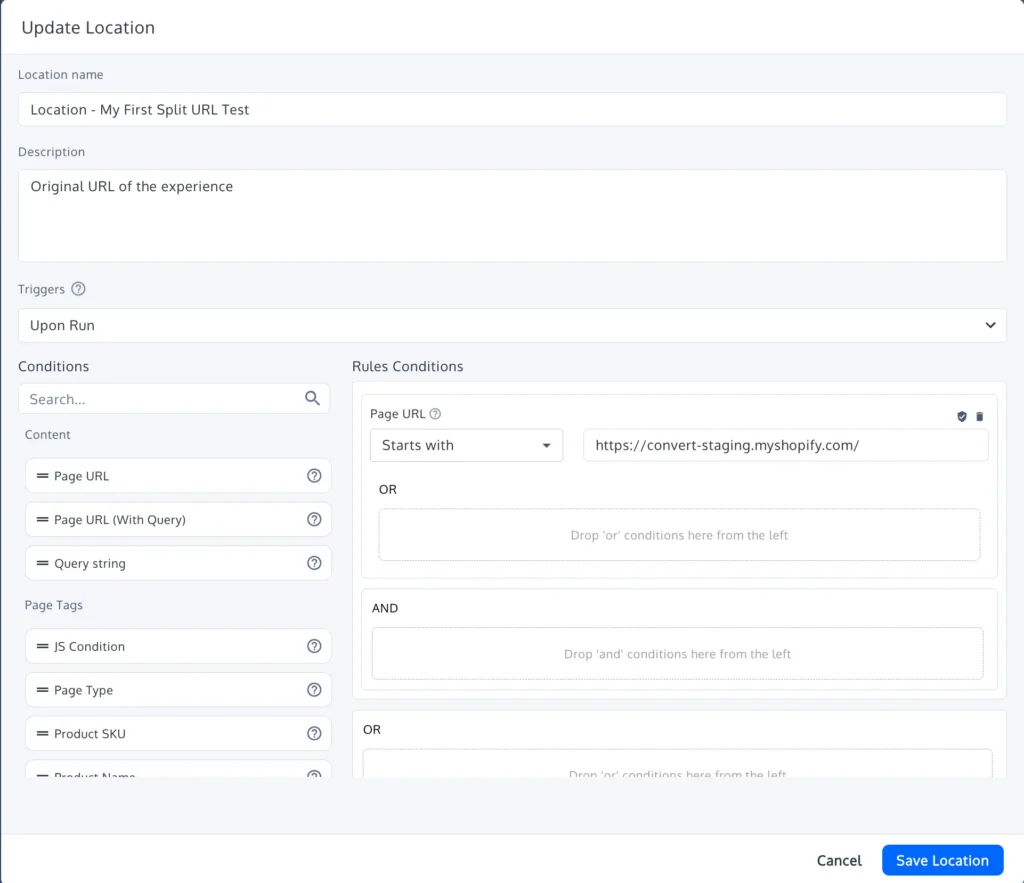
In the rapidly evolving landscape of digital experience optimization, practitioners frequently encounter a glass ceiling with traditional A/B testing methodologies. While standard A/B testing is highly effective for iterative changes—such as modifying headlines or button colors—it often proves insufficient for large-scale structural overhauls or backend migrations. This is where split URL testing emerges as a critical tool for enterprise-level experimentation. Unlike standard A/B tests where variations are rendered via a visual editor on a single URL, split URL testing compares two or more distinct versions of a webpage hosted on different URLs. This technique is specifically engineered to handle significant architectural changes, including full-page redesigns, migrations to new tech stacks, and fundamental changes to the user journey.

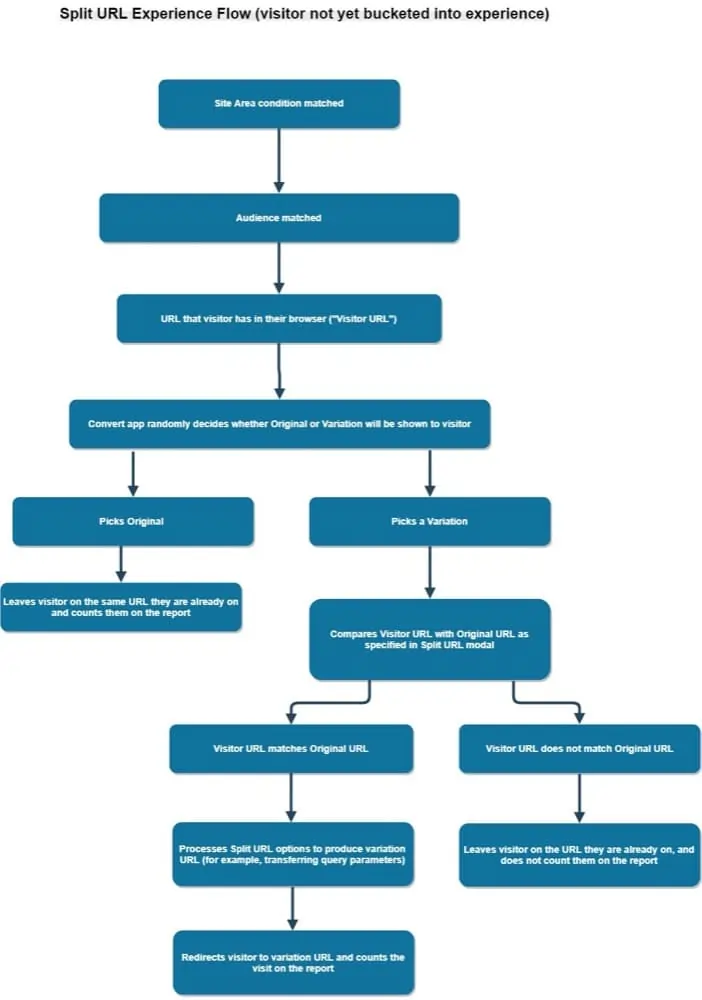
The mechanics of a split URL test involve a sophisticated redirection process. When a visitor arrives at the original URL, the experimentation engine assigns them to a specific “bucket” or group. If the visitor is assigned to the control group, they remain on the original page; however, if they are assigned to a variation group, the tool executes a server-side or client-side redirect to the alternative URL. This ensures that the user experience is seamless and that the performance data remains siloed for accurate analysis. Industry leaders such as VWO, Kameleoon, and Optimizely agree on the fundamental necessity of split URL testing for structural changes, though the framing often diverges between conversion-centric goals and broader behavioral analysis.
The Strategic Framework of Split URL Experimentation
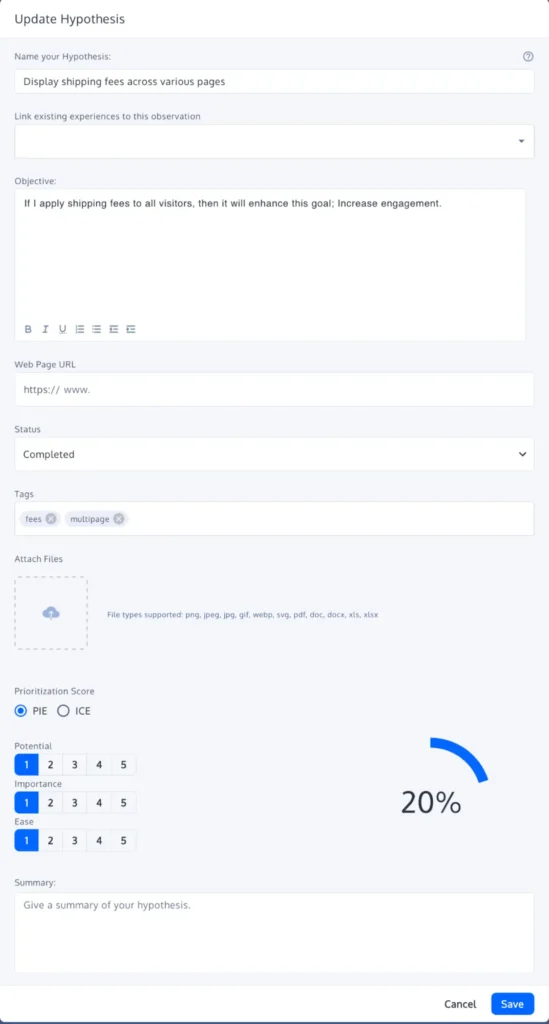
To execute a successful split URL test, organizations must move beyond simple trial and error and adopt a rigorous scientific framework. The process begins with the development of a robust hypothesis. Experimentation experts, including Ben Labay, CEO of Speero, emphasize that a hypothesis must be grounded in behavioral evidence rather than mere opinion. In the modern era, Artificial Intelligence (AI) tools like ChatGPT and Claude are increasingly utilized to synthesize research and surface patterns from session data. However, Labay cautions that AI-generated insights must be filtered through human scrutiny to avoid building expensive tests on shaky foundations.
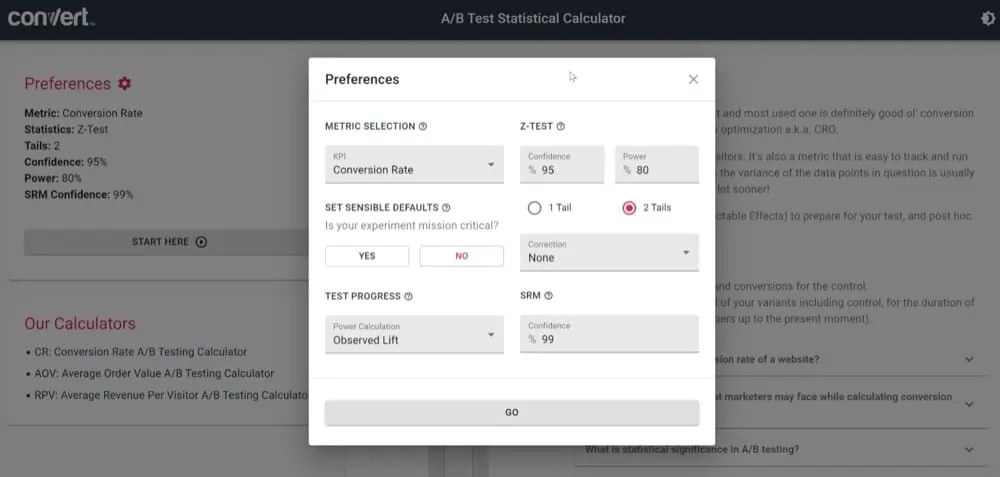
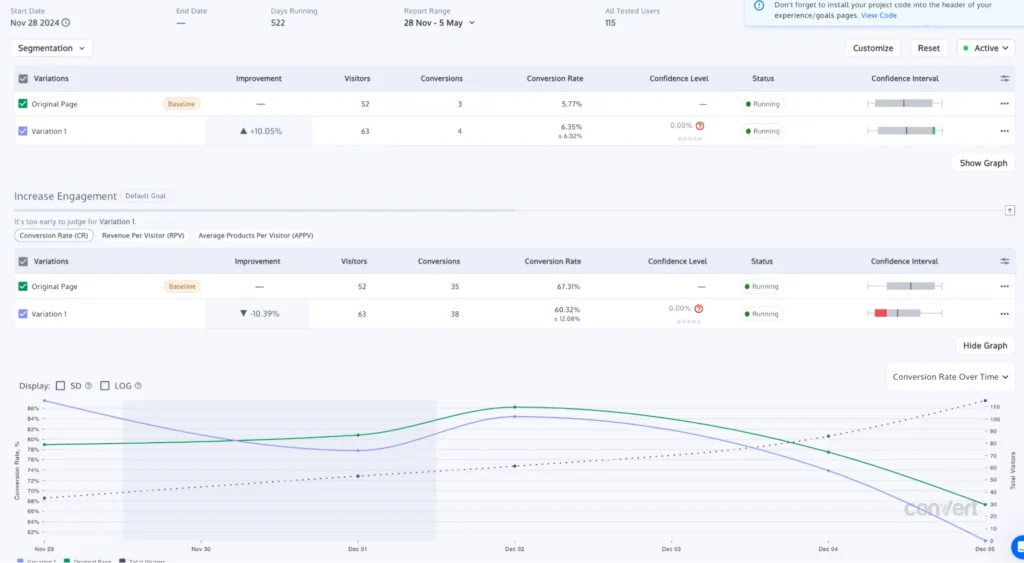
Once a hypothesis is established, determining the necessary sample size is the next critical hurdle. Statistical significance is the bedrock of reliable testing, and reaching a confidence level of at least 90% to 95% is generally required to ensure that results are not the product of random variance. Using specialized calculators, teams can estimate the traffic volume required to detect a meaningful lift in conversion rates. Without this preparatory step, organizations risk running “underpowered” tests that yield inconclusive or misleading data.
Technical Execution and Workflow Integration
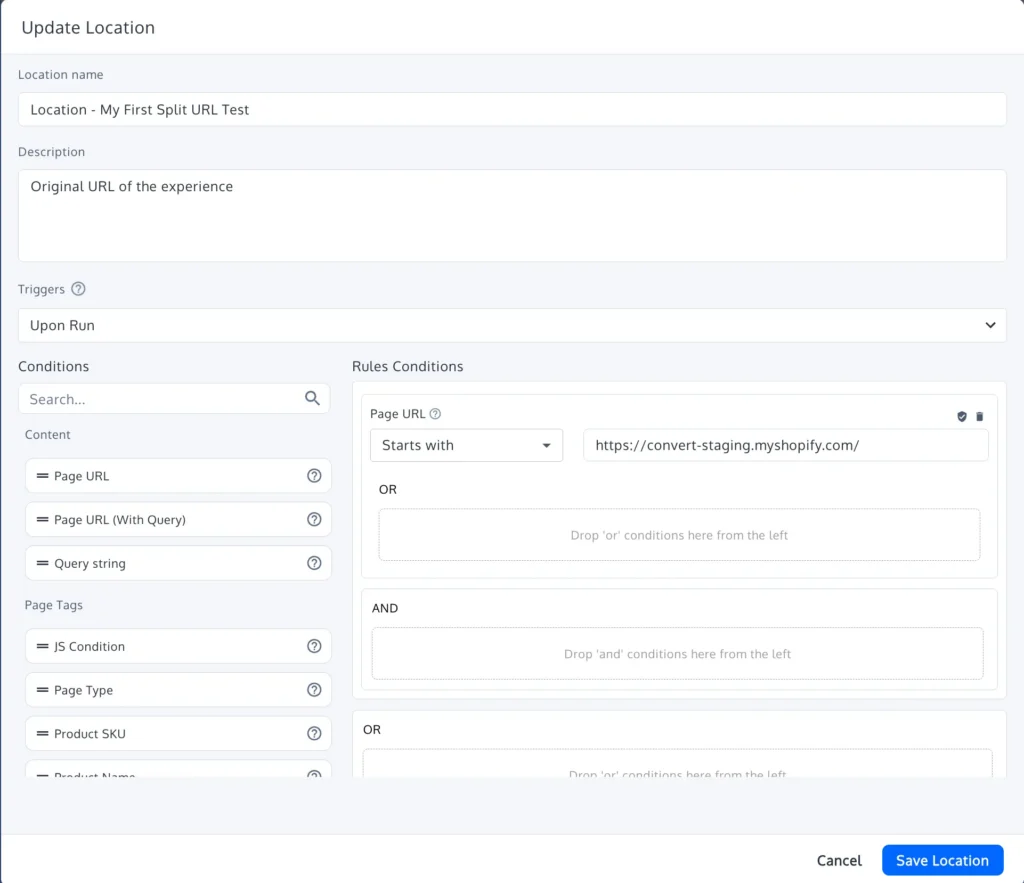
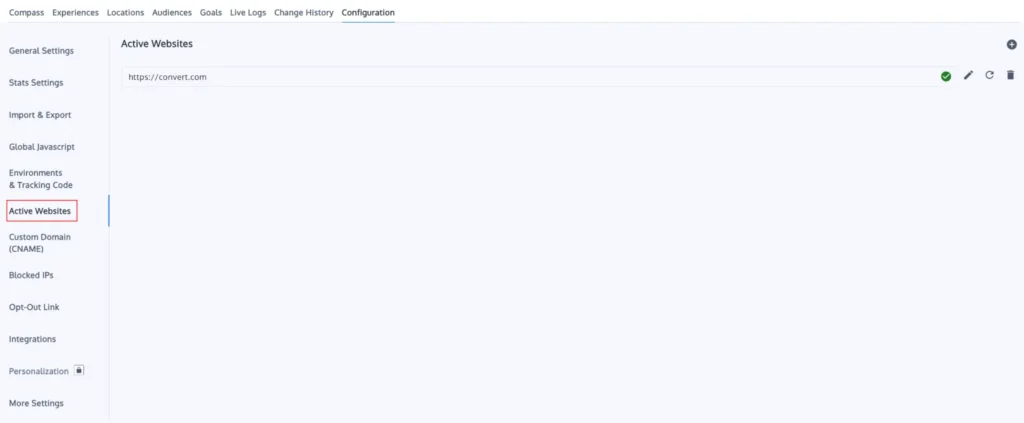
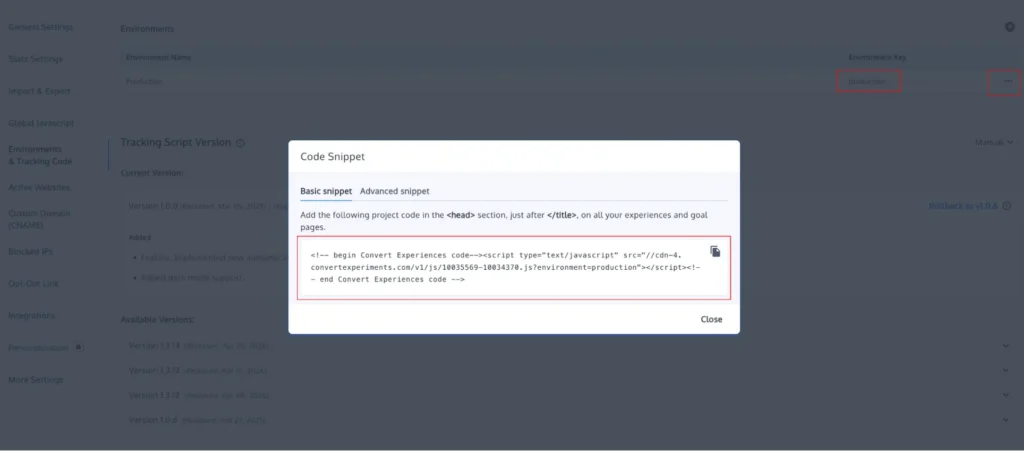
The creation of variations for split URL testing often requires a collaborative effort between design, UX, and development teams. Because these tests involve distinct URLs, variations are typically built directly within a Content Management System (CMS) or via a staging environment. Johann Van Tonder, CEO of AWA Digital, notes that modern workflows often incorporate “vibe coding” and AI-assisted development to rapidly iterate on these page versions. Once the variations are hosted at publicly accessible URLs, the experimentation platform—such as Convert Experiences—can be configured to manage traffic distribution.
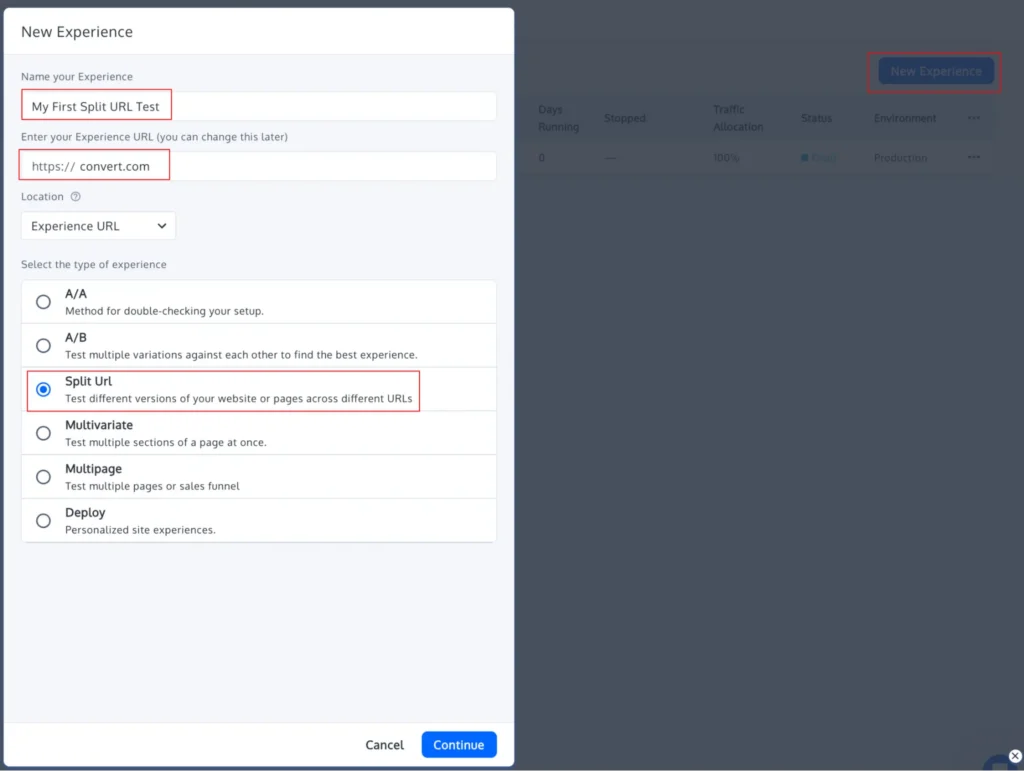
The configuration process involves several technical nuances:
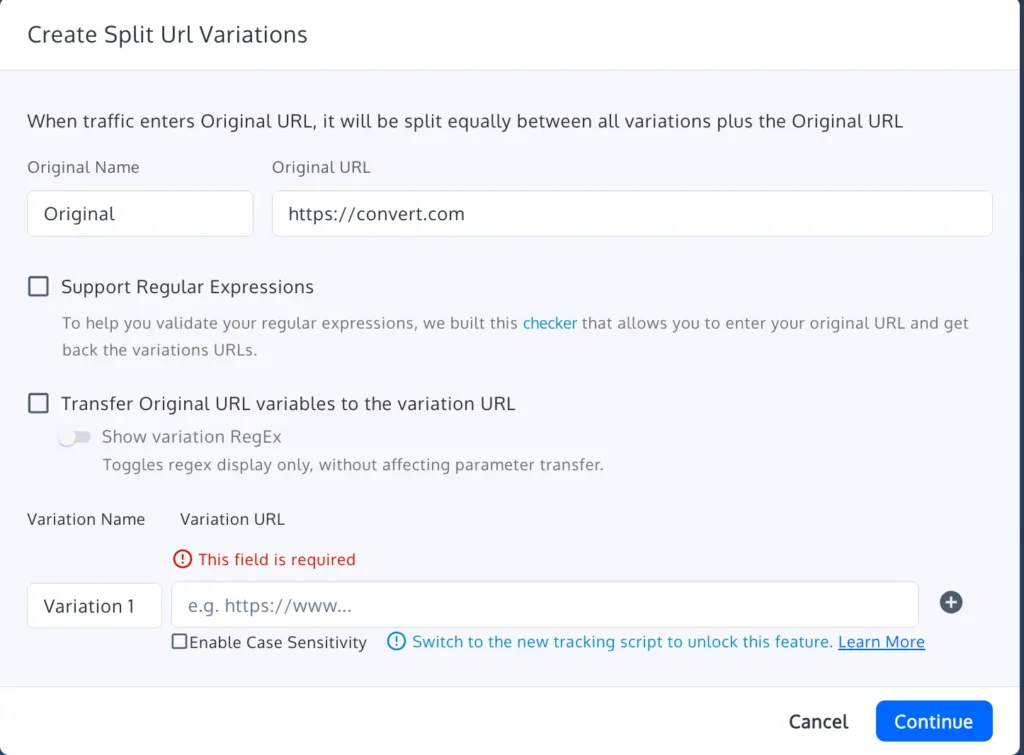
- URL Mapping: Defining the original and variation URLs within the experimentation dashboard.
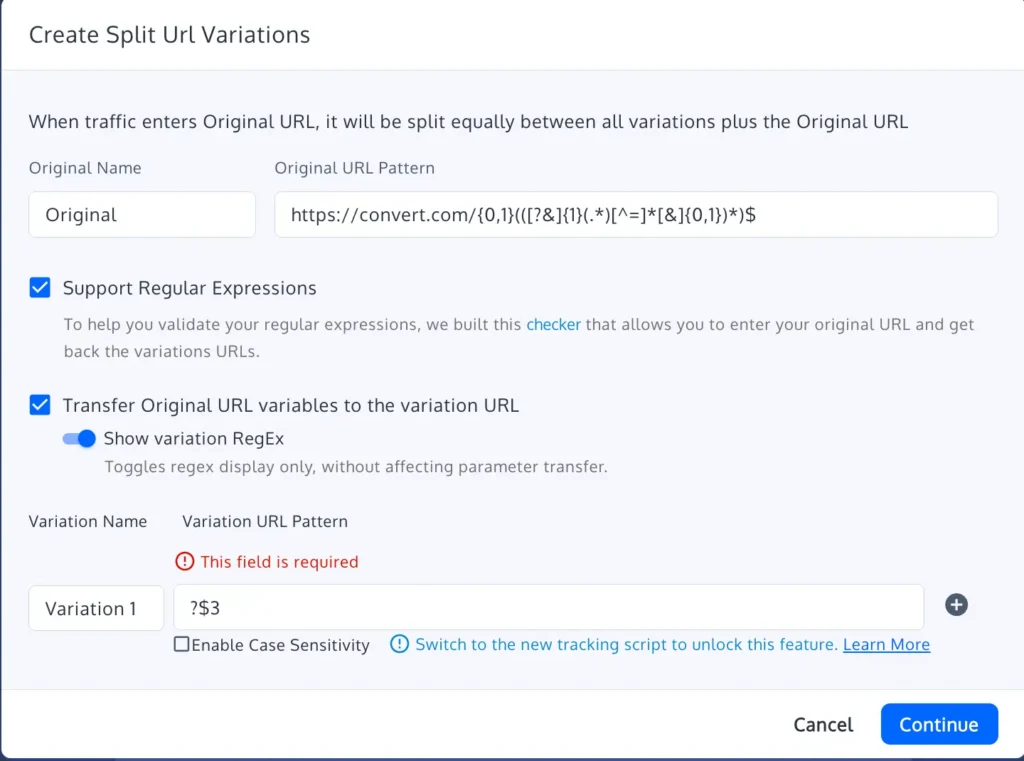
- Variable Transfer: Utilizing Regular Expressions (Regex) to ensure that UTM parameters and query strings (e.g., Google Ads tracking) are passed from the original URL to the variation.
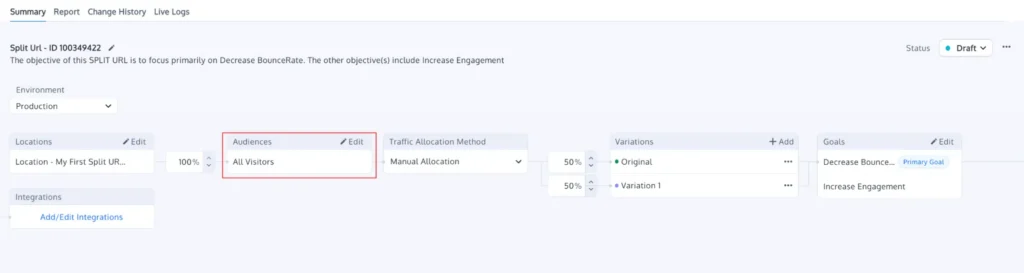
- Audience Targeting: Specifying the criteria for the test, such as geographic location, device type, or referral source.
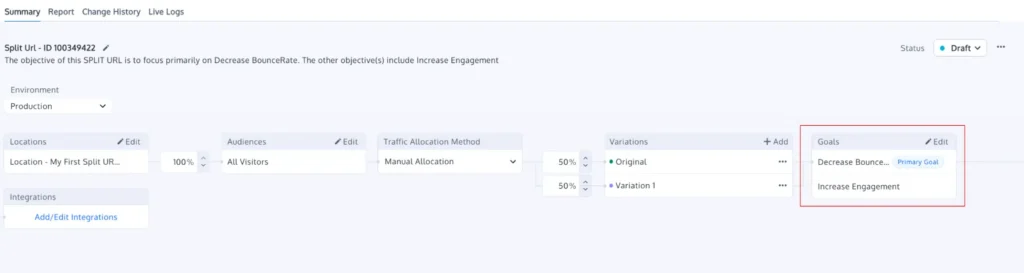
- Goal Setting: Aligning the test with Key Performance Indicators (KPIs), such as revenue per visitor, add-to-cart rates, or form completions.
A critical, yet often overlooked, component of the execution phase is Quality Assurance (QA). Craig Sullivan, a prominent experimentation consultant, advocates for testing across real devices rather than relying solely on emulators. A single bug in the redirection logic or a tracking script omission can invalidate weeks of data collection. Sullivan’s rigorous QA process involves verifying that redirects fire correctly, goals trigger appropriately, and data is accurately reflected in the reporting interface before the test goes live to the general public.
Advanced Methodologies: Hybrid and Multipage Testing
As experimentation programs mature, they often transition into more complex territory, such as hybrid testing. A hybrid experiment combines split URL logic with “deploy” features, allowing teams to use a visual editor to style pages that have already been redirected. This is particularly useful for fine-tuning the aesthetic of a new page architecture without needing to return to the development environment.
Furthermore, multipage split URL tests allow for the experimentation of entire funnels rather than isolated pages. For example, an e-commerce brand might test two different checkout flows. In this scenario, the visitor is bucketed at the entry point (the landing page) and remains within that specific funnel architecture throughout their entire session. This provides a holistic view of how structural changes impact the long-term user journey, rather than just immediate click-through rates.
Mitigating Data Integrity Risks: SRM and Bot Traffic
One of the most significant threats to the validity of a split URL test is Sample Ratio Mismatch (SRM). SRM occurs when the observed traffic distribution deviates significantly from the expected allocation (e.g., a 50/50 split resulting in a 60/40 reality). This imbalance is often a symptom of underlying technical issues, such as a missing tracking script on one variation or a redirect loop.
Modern platforms have introduced automated SRM detection, utilizing Chi-square goodness-of-fit tests to flag statistically improbable variances. Additionally, bot traffic presents a unique challenge for split URL testing. Advanced bots can sometimes target specific variations, skewing data and triggering false positives. Organizations must implement robust bot-filtering headers and exclude known user-agents to maintain the integrity of their experiment results.
SEO Considerations and Search Engine Compliance
A common concern among digital marketers is the potential impact of split URL testing on Search Engine Optimization (SEO). Because split URL tests involve hosting similar content on multiple URLs, there is a perceived risk of “duplicate content” penalties. However, Google and other major search engines have provided clear guidelines to mitigate these risks.
To remain compliant, practitioners should:

- Use Rel=”canonical” Tags: Each variation page should include a canonical tag pointing back to the original URL. This informs search engine crawlers that the original page is the authoritative version.
- Implement 302 Redirects: Unlike 301 redirects, which signify a permanent move, 302 redirects are temporary. This tells search engines to keep the original URL indexed while the experiment is active.
- Avoid “Cloaking”: Traffic should not be split based on whether the visitor is a human or a bot (such as Googlebot). Search engines require that their crawlers see the same experience that a random human visitor would see.
- Limit Duration: Tests should only run for the duration necessary to achieve statistical significance. Keeping variation URLs live indefinitely can lead to indexing complications.
Expert Perspectives on Methodology Selection
The decision to choose between a standard A/B test and a split URL test depends heavily on the scope of the project. Marcella Sullivan, a leading CRO expert, suggests that A/B testing is ideal for element-level refinements where the goal is to isolate the impact of a specific change, such as a headline or a CTA. “I get a cleaner read on what actually moved the needle,” she notes.
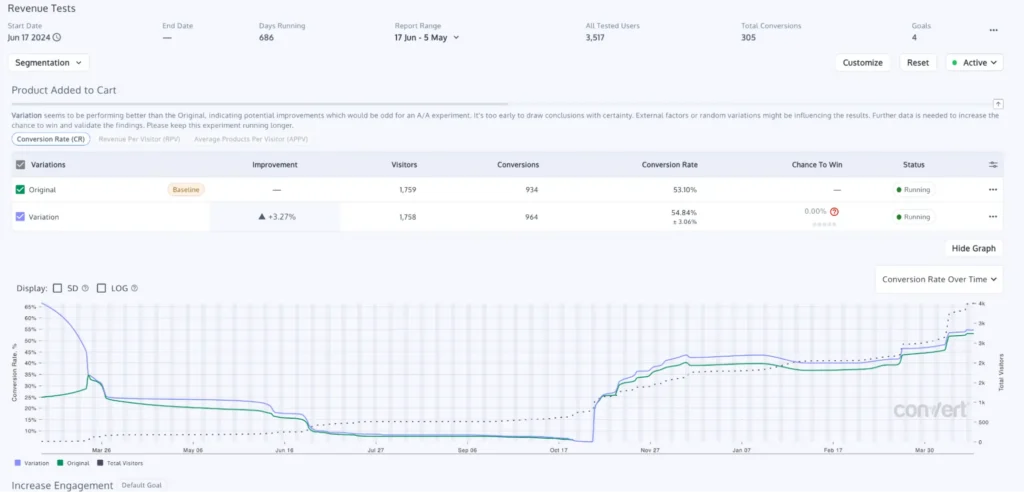
Conversely, Daphne Tideman of Growth Waves argues that split URL testing is the superior choice when the “whole approach” is being questioned. This includes testing fundamentally different value propositions or page structures. Ruben de Boer, owner of Conversion Ideas, adds that the rise of fast development and server-side experimentation will likely increase the prevalence of split URL tests. He emphasizes that if a seamless client-side experience cannot be guaranteed, the split should be handled server-side to prevent “flicker”—the brief flash of the original content before the redirect occurs.
Conclusion: The Path to Evidence-Based Growth
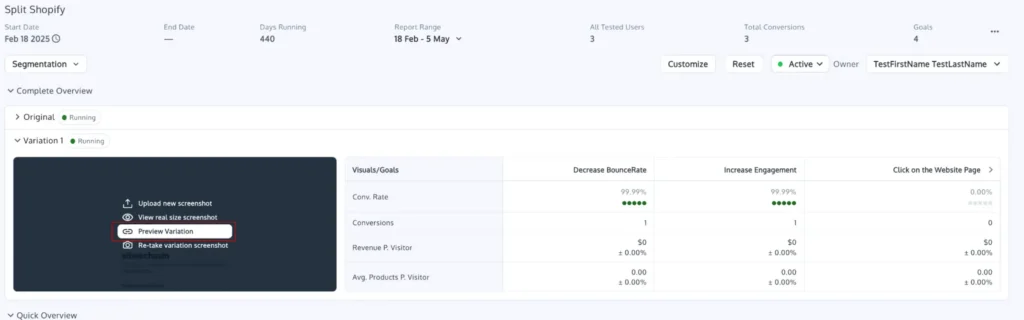
Split URL testing represents the frontier of evidence-based web development. By allowing organizations to test radical changes with the same statistical rigor as minor tweaks, it facilitates a culture of continuous innovation. Whether it is comparing Shopify themes for an e-commerce store or validating a complete backend migration for a SaaS platform, the ability to split traffic across distinct URLs is indispensable.
As digital landscapes become more competitive, the organizations that succeed will be those that prioritize data integrity, adhere to SEO best practices, and leverage advanced experimentation frameworks. Split URL testing is not merely a technical tactic; it is a strategic necessity for any brand looking to optimize the user experience at scale. Through careful hypothesis building, rigorous QA, and an understanding of the complex interplay between redirection and analytics, teams can unlock profound insights that drive long-term business growth.