rifanmuazin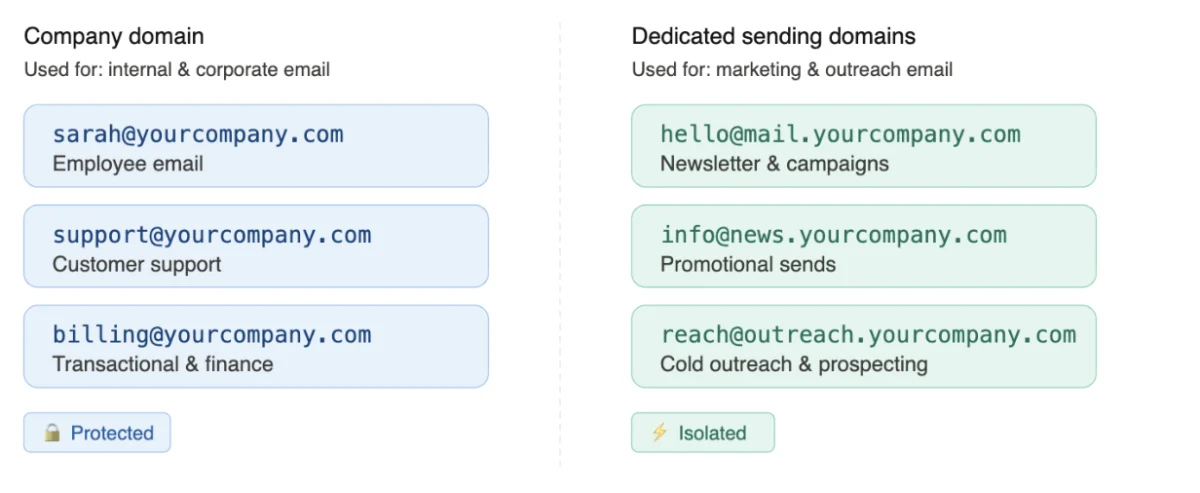
In an era where digital communication reigns supreme, the meticulously crafted email campaign—with its sharp copy, engaging visuals, and compelling calls to action—stands as a cornerstone of marketing strategy. Yet, the efficacy of even the most brilliant campaign hinges entirely on a critical, often overlooked element: its underlying email infrastructure. This unseen plumbing dictates whether an email reaches its intended recipient’s inbox or vanishes into the digital abyss of spam folders, a distinction that frequently separates a high-performing campaign from a costly failure.
Defining the Digital Plumbing: What Exactly is Email Infrastructure?
At its core, email infrastructure encompasses the entire technical ecosystem responsible for the transmission, routing, and ultimate delivery of digital messages. This complex system is far more than just an email service provider (ESP); it includes the sending domain itself, the dedicated servers facilitating delivery, the intricate security protocols that verify sender legitimacy, and the sophisticated monitoring tools designed to track performance and preempt issues. Without a meticulously constructed and maintained foundation in these areas, even the most innovative email content is destined for obscurity.
The importance of this infrastructure has grown exponentially over the past two decades. What began as a relatively straightforward process of sending messages has evolved into a highly regulated and technically demanding endeavor, driven by the dual forces of burgeoning email marketing and the relentless fight against spam and cyber threats. Early email systems were largely trusting, but the rise of unsolicited commercial email (UCE) in the late 1990s and early 2000s necessitated the development of robust countermeasures. Mailbox providers, striving to protect their users, implemented increasingly sophisticated filtering algorithms and introduced stringent authentication requirements, transforming email deliverability from a mere technicality into a strategic imperative.
The Shifting Landscape: Why Infrastructure Matters More Than Ever
The year 2024 marked a pivotal moment in email deliverability, with major mailbox providers like Google (Gmail) and Yahoo (now part of Kumo/AOL) implementing stricter authentication and sending requirements for bulk senders. These mandates, which went into effect early in the year, effectively transformed email authentication from a “best practice” into a mandatory prerequisite. Senders failing to comply with these updated standards face significant deliverability challenges, including increased likelihood of messages being routed directly to spam or blocked entirely. This shift underscores a broader industry trend towards greater accountability and verification in email sending, pushing marketers to prioritize infrastructure like never before.
Industry data consistently highlights the value of email marketing. Reports frequently cite an impressive return on investment (ROI), with figures often ranging from $38 to $42 for every dollar spent. However, these promising statistics only materialize if emails actually reach the inbox. Validity’s 2026 Email Deliverability Benchmark report, for instance, revealed a stark reality: approximately one in seven legitimate, permission-based marketing emails never reaches the inbox. This alarming statistic, representing a significant portion of potential customer engagement and revenue, directly correlates with the robustness of a sender’s email infrastructure. The implications are clear: neglecting infrastructure translates directly into lost opportunities, wasted resources, and diminished brand impact.

Key Pillars of Robust Email Infrastructure: Building It the Right Way
Establishing a resilient email infrastructure involves several critical steps, each contributing to a sender’s reputation and ultimately, deliverability.
1. Choosing the Right Email Service Provider (ESP)
The ESP serves as the operational engine of any email program. Selecting an unsuitable provider can lead to a cascade of problems, from poor deliverability to limited scalability and inadequate support. Before committing to an ESP, organizations must conduct thorough due diligence, evaluating platforms based on their long-term strategic needs. Key considerations include:
- Deliverability Track Record: Investigate the ESP’s overall deliverability rates and their proactive measures to maintain high standards. Do they have strong relationships with major mailbox providers?
- Scalability and Features: Can the platform accommodate current and future sending volumes? Does it offer advanced segmentation, automation, and analytics capabilities relevant to your marketing goals?
- Authentication Support: Does the ESP fully support and simplify the implementation of critical authentication protocols like SPF, DKIM, and DMARC?
- Reputation Management Tools: Does the ESP provide insights into sender reputation, feedback loops, and tools to diagnose and resolve deliverability issues?
- Customer Support and Expertise: What level of technical and deliverability support is offered? Access to experts can be invaluable when troubleshooting complex issues.
- Compliance and Security: Ensure the ESP adheres to relevant data privacy regulations (e.g., GDPR, CCPA) and employs robust security measures.
The ESP market is dynamic, with players ranging from enterprise-level solutions like Salesforce Marketing Cloud and Adobe Campaign to more SMB-focused platforms such as Mailchimp, Constant Contact, and SendGrid. Each offers varying degrees of sophistication and support, making the choice dependent on an organization’s specific requirements and budget. Industry analysts often highlight that while features are important, an ESP’s commitment to deliverability best practices and its ability to help clients navigate the complex email ecosystem are paramount.
2. Setting Up a Dedicated Sending Domain
A foundational principle of sound email infrastructure is the segregation of marketing email traffic from core corporate communications. Sending marketing emails from the main company domain (e.g., yourcompany.com) exposes the entire business to unnecessary risk. Should a marketing campaign trigger a spam complaint spike, a blocklisting event, or other deliverability issues, the reputation of the primary domain—used for critical business operations—could be severely compromised.
The recommended practice is to establish a dedicated domain or, more commonly, a subdomain specifically for marketing outreach. For example, if the primary domain is yourcompany.com, a marketing-specific subdomain could be marketing.yourcompany.com or news.yourcompany.com. Alternatively, some organizations opt for an entirely separate, but related, domain like yourcompany-updates.com. This strategy creates an insulated environment, allowing marketers to build and manage a sender reputation from scratch without endangering the main corporate domain. It also provides a buffer, ensuring that any deliverability challenges with marketing emails do not disrupt crucial business communications, email security, or internal operations.
3. Configuring Authentication Protocols: A Non-Negotiable Imperative
Email authentication has transitioned from a recommended best practice to an absolute requirement, particularly for bulk senders. The 2024 mandates from Gmail and Yahoo underscore this shift, making robust authentication non-negotiable for anyone sending significant volumes of email. Failure to properly configure these protocols no longer just impacts performance; it almost guarantees outright blocking or severe inbox placement degradation.
These protocols act as digital signatures, verifying that an email genuinely originates from the stated sender and has not been tampered with in transit. The three primary authentication protocols are:
- Sender Policy Framework (SPF): Introduced in the early 2000s, SPF allows a domain owner to publish a list of authorized sending IP addresses in their domain’s DNS records. When an email server receives an email, it checks the SPF record to ensure the sending IP address is on the approved list. If not, the email may be flagged as suspicious.
- DomainKeys Identified Mail (DKIM): Developed in the mid-2000s, DKIM adds a digital signature to outgoing emails. This signature is encrypted and associated with the sender’s domain. Receiving mail servers can use the sender’s public key (published in DNS) to verify the signature’s authenticity, ensuring the email’s content and headers haven’t been altered since it was signed.
- Domain-based Message Authentication, Reporting, and Conformance (DMARC): Emerging in the early 2010s, DMARC builds upon SPF and DKIM, providing a policy framework for domain owners. It instructs receiving mail servers on how to handle emails that fail SPF or DKIM authentication (e.g., quarantine, reject) and provides reporting mechanisms to senders, offering valuable insights into authentication failures and potential spoofing attempts. The 2024 mandates specifically emphasize DMARC implementation for bulk senders.
Implementing these protocols typically requires collaboration with an IT team or domain administrator to correctly update DNS records. For organizations, ensuring DMARC is set up with a policy of p=quarantine or p=reject (rather than p=none) is now considered critical for compliance and optimal deliverability, especially for those sending over 5,000 emails per day to Gmail or Yahoo addresses.
4. Warming Up Your Domain: The Art of Patience
A new sending domain or IP address begins with a neutral reputation. Attempting to send a large volume of emails immediately from a fresh domain is one of the quickest ways to trigger spam filters and damage sender reputation irrevocably. Mailbox providers interpret sudden, large bursts of email from an unknown source as highly suspicious, often indicative of spamming behavior.
The solution is a systematic and patient domain warm-up process. This involves gradually increasing email volume over several weeks, allowing mailbox providers to assess sending patterns and build trust. A typical warm-up strategy involves:
- Starting Small: Begin with a modest volume, perhaps 500-1,000 emails per day, focusing on the most engaged segments of your audience—subscribers who have recently opened or clicked your emails. These engaged recipients are less likely to mark emails as spam, sending positive signals to mailbox providers.
- Gradual Increase: Every few days, incrementally increase the sending volume, often by roughly doubling it. This slow and steady approach mimics natural email growth.
- Constant Monitoring: Throughout the warm-up, meticulously monitor key metrics: bounce rates, spam complaint rates, and open/click-through rates. If any of these metrics spike negatively, it’s a clear signal to reduce volume and diagnose the issue before proceeding.
- Patience is Key: This process is not a race; it typically takes several weeks, sometimes months, to establish a robust sender reputation. Rushing it risks long-term damage that can be difficult to reverse.
The goal of domain warm-up is to demonstrate consistent, legitimate sending behavior, thereby earning the trust of internet service providers (ISPs) and mailbox providers. A strong sender reputation, built through this careful process, is the bedrock upon which all future email marketing success rests.
5. Monitoring Your Deliverability: Beyond the “Sent” Status
A common misconception among marketers is that an email listed as “delivered” by their ESP has successfully reached the recipient’s inbox. The reality is far more nuanced. An email can be technically accepted by a mailbox provider’s gateway but still end up in a spam folder, a promotions tab, or be silently dropped without the recipient ever seeing it. This hidden problem of “delivered but unseen” emails is a significant drain on marketing resources and a source of missed opportunities. As highlighted by the Validity report, a substantial portion of legitimate emails never achieve true inbox placement.
Active, continuous monitoring of deliverability metrics is therefore paramount. Key indicators to track include:
- Spam Complaint Rate: This is arguably the most critical metric. Mailbox providers typically impose very low thresholds, often around 0.1% to 0.3%. Exceeding these limits can quickly lead to severe reputation damage and blocklisting. Efforts should be made to keep this rate as close to zero as possible.
- Hard Bounce Rate: These indicate permanent delivery failures (e.g., invalid email address). A high hard bounce rate signals poor list hygiene and can negatively impact sender reputation. Regular list cleaning is essential.
- Blocklisting Status: Monitor whether your sending IP or domain has been listed on any major public blocklists (e.g., Spamhaus, Barracuda). Tools exist to check this status.
- Engagement Metrics: Open rates, click-through rates, and conversion rates provide indirect indicators of inbox placement and content relevance. Low engagement can signal poor deliverability, even if complaints are low.
Beyond internal ESP reporting, marketers should leverage external tools and feedback loops provided by major mailbox providers. These free resources offer invaluable insights into how ISPs perceive your sending reputation:
- Google Postmaster Tools: Provides data on IP reputation, domain reputation, spam rate, feedback loop data, and DMARC authentication status for emails sent to Gmail users.
- Microsoft Smart Network Data Services (SNDS): Offers insights into IP reputation, spam complaints, and other metrics for emails sent to Outlook.com and other Microsoft-hosted mailboxes.
- Yahoo Sender Hub: Provides similar data for emails sent to Yahoo Mail users, including reputation and complaint metrics.
Integrating data from these diverse sources provides a comprehensive view of deliverability performance, allowing marketers to proactively identify and address potential issues before they escalate into major problems.
The Broader Impact and Future Implications
Investing in robust email infrastructure is not merely a technical checkbox; it’s a strategic business decision with far-reaching implications. Poor deliverability leads to:
- Lost Revenue: Undelivered emails mean missed sales, abandoned carts, and unengaged customers.
- Damaged Brand Reputation: Emails consistently landing in spam folders can erode trust and negatively impact how customers perceive a brand.
- Wasted Marketing Spend: Resources allocated to content creation, design, and list acquisition are squandered if emails don’t reach their audience.
- Compliance Risks: While not directly tied to infrastructure, consistently poor deliverability can also hint at underlying list hygiene issues that could, in extreme cases, raise questions about CAN-SPAM or GDPR compliance.
Conversely, a well-managed infrastructure unlocks significant advantages:
- Enhanced ROI: Higher inbox placement directly translates to better engagement, conversions, and ultimately, a stronger return on email marketing investment.
- Stronger Customer Relationships: Consistent, reliable delivery fosters trust and keeps customers informed and engaged.
- Improved Brand Perception: A brand that consistently reaches the inbox signals professionalism and reliability.
- Competitive Advantage: As authentication requirements tighten, organizations with robust infrastructure will stand out, while competitors neglecting these aspects will struggle to reach their audience.
The trend towards stricter authentication, smarter inbox algorithms, and increased focus on sender reputation is only accelerating. The gap between senders who strategically invest in their infrastructure and those who do not is widening rapidly. For marketers navigating this evolving landscape, prioritizing the foundational elements of email delivery is no longer optional; it is the cornerstone of sustainable digital marketing success. By meticulously building the right foundation, patiently warming up sending domains, and diligently monitoring performance, organizations can ensure their valuable messages consistently reach the people they intend to reach, driving engagement and fostering growth in the competitive digital arena.