rifanmuazin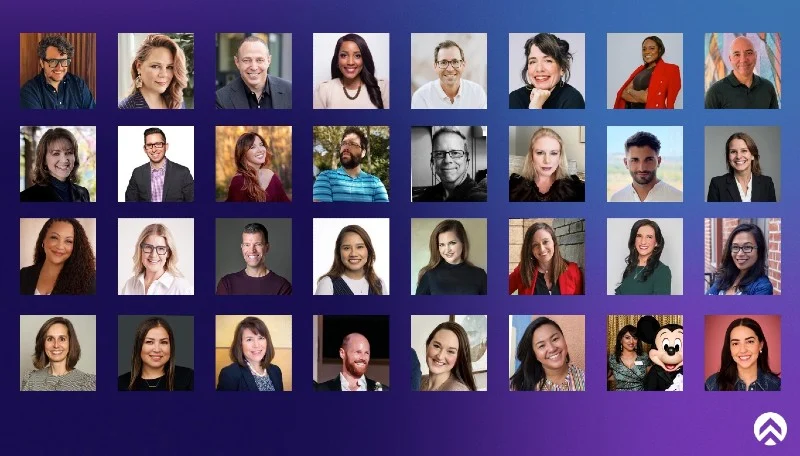
Social media has irrevocably transformed from a mere distribution channel into a foundational pillar of influence, credibility, and discovery within the business-to-business (B2B) marketing ecosystem. Recent research underscores this seismic shift, with a significant 56% of B2B marketers identifying social media posts as the most effective content type within their influencer marketing programs. This data point, emerging from comprehensive studies on B2B influencer marketing trends, highlights a critical evolution in how brands connect with their target audiences.
The pervasive integration of influencer-driven content across various marketing touchpoints is now a top priority, cited by 49% of marketers as a key trend. This indicates a departure from siloed campaign execution, positioning social networks as a crucial connective tissue linking broader campaign strategies, content creation, and the overarching customer experience. This strategic realignment mirrors a broader transformation in how B2B buyers conduct their research and discovery processes. Notably, 32% of buyers are now leveraging generative AI tools to unearth thought leadership content, further emphasizing the evolving digital pathways to expertise. Platforms like LinkedIn, YouTube, and established peer networks continue to play a pivotal role in how expertise is identified, validated, and disseminated.

By 2026, it is undeniable that social media will be the primary arena where influence is cultivated, where thought leadership is rigorously tested in real-time, and where critical signals that impact search engine optimization (SEO), app store optimization (AEO), and artificial intelligence (AI) visibility are generated. The “Best Answer Marketing” philosophy, which prioritizes multi-channel discovery and the indispensable role of credible voices—including influencers and industry practitioners—in establishing brand visibility and trust, directly reflects these evolving dynamics. As AI systems increasingly become the initial point of discovery for buyers, they rely on established patterns of authority, engagement, and consistency. These foundational elements are often built and validated on social platforms long before they are cited or integrated into broader search and discovery algorithms.

Navigating the Evolving B2B Marketing Frontier

The current B2B marketing landscape is characterized by an accelerated pace of change, driven by technological advancements and evolving buyer behaviors. The traditional marketing funnel, once a linear progression, has fragmented into a complex web of interactions, with social media platforms serving as central hubs for information gathering, relationship building, and validation. This shift necessitates a strategic reorientation for B2B marketers, moving beyond transactional messaging to focus on building enduring trust and credibility through authentic engagement and valuable content.

The rise of AI in B2B marketing is not merely a technological upgrade but a fundamental alteration in how information is processed and disseminated. Generative AI tools are democratizing access to information and empowering buyers with sophisticated research capabilities. Consequently, brands that can consistently provide high-quality, insightful content that resonates with subject matter experts and establishes authority are better positioned to be discovered and trusted by these AI-powered search mechanisms. This underscores the critical importance of social media as a testing ground and amplification channel for such content.

The Rise of Social Media as a Credibility Engine

Historically, social media in B2B was often viewed as an add-on, a platform for broadcasting press releases or company news. However, its evolution has been profound. It is now a dynamic environment where industry leaders share candid insights, engage in nuanced discussions, and collectively shape the narrative around complex business challenges. This organic dissemination of expertise builds credibility far more effectively than traditional advertising methods.

Research from sources like the B2B Influencer Marketing Study consistently shows that buyers turn to social media not just for product information but for authentic perspectives and solutions to their business problems. When 56% of marketers report social media posts as their most effective influencer content, it signals a clear mandate: invest in creating compelling, shareable content that resonates within these digital communities. This also means that the quality and authenticity of social media interactions directly impact brand perception and, ultimately, purchasing decisions.

Integrating Influencer Content: A Multi-Channel Imperative

The observation that nearly half of marketers (49%) identify integrating influencer content across channels as a top trend is a testament to the recognition that B2B buyers are not confined to a single platform. Their journey involves a confluence of online and offline touchpoints, and influencer content, when strategically deployed, can bridge these gaps.

This integration means that a thought leadership piece shared on LinkedIn should be echoed in relevant industry forums, potentially highlighted in an influencer’s newsletter, and even referenced in webinars or virtual events. The goal is to create a consistent and pervasive presence, reinforcing key messages and building familiarity and trust through multiple credible touchpoints. This approach not only enhances reach but also caters to diverse learning preferences and information consumption habits within the B2B audience.

The AI Influence on Discovery and Authority

The statistic that 32% of buyers now use generative AI tools for thought leadership discovery is a wake-up call. These AI systems are trained on vast datasets, and their algorithms are designed to identify patterns of authority, engagement, and consistency. This means that the content and interactions a brand and its key personnel have on social media directly influence how they are perceived and surfaced by AI-powered discovery engines.

Platforms like LinkedIn, with its emphasis on professional networking and content sharing, have become particularly vital. The endorsements, shares, and discussions that occur on LinkedIn contribute to an individual’s or a brand’s perceived expertise. Similarly, YouTube’s role in surfacing educational and thought leadership videos, and the influence of peer networks in validating solutions, all contribute to this complex web of discovery. Marketers who understand these dynamics are actively working to build strong, consistent, and authentic presences across these platforms.

The “Best Answer Marketing” Paradigm

The “Best Answer Marketing” approach, as articulated in the source material, directly addresses these evolving realities. It emphasizes the need for brands to be not just visible but also credible and trusted wherever potential buyers are seeking solutions. This involves:

- Multi-channel Discovery: Recognizing that buyers engage across numerous platforms and touchpoints, and ensuring a consistent and relevant presence across all of them.
- Credible Voices: Leveraging the power of influencers and practitioners who have established trust and authority within their respective fields.
- Building Authority: Actively participating in conversations, sharing valuable insights, and demonstrating expertise to build a strong reputation that AI systems can recognize.
This paradigm shift moves away from a purely transactional view of marketing towards a relationship-centric model, where building trust and demonstrating value are paramount.

Spotlight on B2B Social Media Marketing Leaders

The identification of leading B2B social media marketers is crucial for understanding current best practices and future trends. These individuals are not just executing campaigns; they are actively shaping the very definition of influence and engagement in the B2B space. Their work provides a roadmap for other organizations seeking to navigate the complexities of the modern marketing landscape.

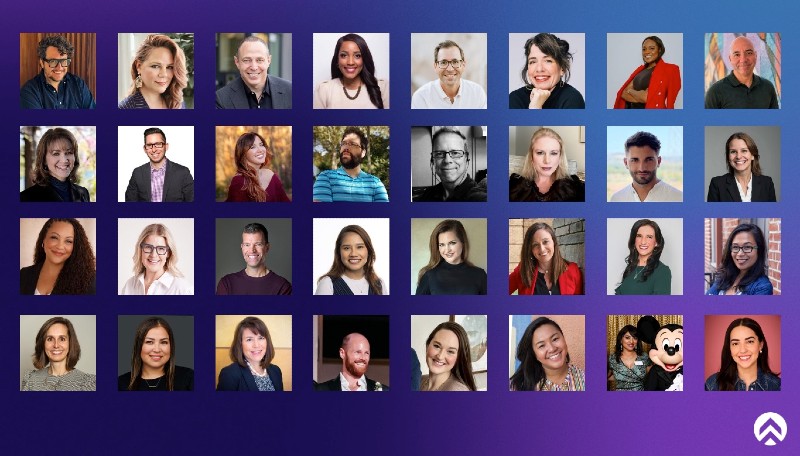
The individuals featured in the “Best Answer Marketing Leaders List: B2B Brand Social Media Marketing” represent a cohort of professionals who are at the forefront of this evolution. Their roles, spanning major technology, healthcare, and enterprise companies, demonstrate a deep understanding of how to translate complex business offerings into compelling narratives that resonate with target audiences.

Key Themes and Strategies from Leading Marketers

A review of the profiles of these B2B social media leaders reveals several recurring themes and strategic priorities:

- Storytelling and Humanization: Many leaders, such as Marc Meyer of Revvity, emphasize making complex topics “feel human” on social media. This involves translating technical jargon into relatable narratives that connect with the audience on an emotional level.
- Data-Driven Approaches: Professionals like Debbie Curtis-Magley at SAP and Shaily Pasi at Intel highlight the importance of data and AI-powered analytics. They focus on metrics that truly reflect business impact rather than vanity metrics, using data to inform strategy and optimize performance.
- Building Communities and Engagement: Leaders like Terra Walker at Comcast Advertising and Katelyn Brower at First Advantage focus on fostering authentic employee advocacy and building engaged communities around brands, recognizing that genuine connections drive impact.
- Navigating AI and Emerging Technologies: With the rapid advancement of AI, many marketers are actively exploring its integration into their strategies. This includes using AI for content generation, audience analysis, and enhancing discovery. Jared Carneson at Adobe, for instance, is deeply invested in understanding AI’s impact on brand relationships.
- Cross-Channel Integration: The need to seamlessly integrate social media efforts with broader marketing campaigns is a consistent thread. This ensures a cohesive brand experience across all touchpoints, from social platforms to websites and email marketing.
- Focus on Business Outcomes: A common thread among these leaders is their commitment to demonstrating tangible business results. They aim to move beyond simple engagement metrics to show how social media efforts contribute to lead generation, brand loyalty, and revenue growth.
- Brand Voice and Consistency: Maintaining a consistent and authentic brand voice across all social media channels is paramount. This requires a deep understanding of the brand’s identity and its target audience’s preferences.
- Strategic Vision and Scalability: Many of these leaders are responsible for global social media operations, requiring them to build scalable systems and strategies that can be implemented effectively across diverse markets and teams. Kirsten Hamstra at Lenovo is a prime example of this, managing a large global team.
Notable Examples and Their Contributions

- Renee D. Edwards (Hewlett Packard Enterprise): Her focus on transforming strategy and creativity into multi-platform stories that drive affinity and measurable growth exemplifies a holistic approach to social media. Her 15+ years of experience across B2B and B2C underscore the transferable skills in connecting content, community, and performance.
- Rob Wolf (Salesforce): His utilization of technology to craft stories that resonate with buyers and businesses highlights a forward-thinking approach. His ability to scale global social programs while maintaining a human touch is a key differentiator.
- Elida Solis (Vizient): Her success in growing audience reach by over 280% in the B2B healthcare space demonstrates a potent combination of ambition and strategic execution. Her continuous pursuit of new tools and tactics keeps her at the cutting edge.
- Marc Meyer (Revvity): His dedication to making health science relatable on social media, and his current leaning into AI for thought leadership, showcase adaptability and a commitment to engaging audiences in meaningful ways.
- Jackie Ortiz (GeneDx): Her skill in translating complex ideas into clear, human stories across diverse industries like tech, SaaS, and biotech, is vital for brands aiming to simplify their messaging and connect with a broader audience.
- Debbie Curtis-Magley (SAP): Her emphasis on understanding what truly influences enterprise buyer perception, rather than chasing vanity metrics, reflects a mature and business-oriented approach to social media strategy.
- Lisa Marcyes (Cohesity): Her expertise in making complex subjects like cybersecurity and AI compelling, coupled with her success in building advocacy programs and growing large subscriber bases for newsletters, showcases a multifaceted skill set.
- Shaily Pasi (Intel): Her leadership in driving significant year-over-year growth through AI-powered analytics and data-driven storytelling, blending experience from entertainment and tech giants, positions her as a visionary in the field.
- Kirt Zimmer (Marvell Technology): His proven track record of building high-performing social programs from the ground up for complex B2B brands in AI, fintech, and semiconductors demonstrates a strong operational and strategic capability.
- Virginette Acacio (Anthropic): Her focus on turning storytelling and social engagement into tangible business impact for B2B tech brands, with experience at leading companies like Snowflake and New Relic, highlights her ability to drive meaningful connections.
- Mageida Sopon (Insperity): Her client-success-focused approach, building programs and earning trust through consistent delivery, underscores the importance of operational strength and empathy in B2B social media management.
- Michael Pranikoff (Equinix): His ability to extract compelling narratives from social data and apply those insights to B2B strategy, alongside managing editorial vision for a global blog, showcases a blend of analytical and content expertise.
- Terra Walker (Comcast Advertising): Her focus on empowering employees to authentically represent brands online and drive B2B brand equity demonstrates a deep understanding of human-centered social media strategies.
- Kirsten Hamstra (Lenovo): Her mastery of building scalable systems for global social media operations, managing a large team across international markets, highlights exceptional leadership and strategic infrastructure development.
- Emanuele Breccia (Adobe): His success in building social-first brands that connect culture to business results, leveraging creator-led strategies, points to a modern approach that blends creativity with measurable outcomes.
- Mike Delgado (Experian): His ability to make complex information accessible through a leadership podcast and multilingual campaigns underscores the importance of clear communication and audience understanding.
- Paul Harrer (AMD): His storytelling approach, combined with strategic execution to move audiences from awareness to action, and his keen eye for cultural relevance, make him a dynamic force in B2B social.
- Suzanne Doughty (Broadcom): Her unique blend of technical understanding (computer science) and business acumen (MBA), combined with extensive B2B tech experience, allows her to bridge governance and creative execution effectively.
- Karla Turntine (Oracle): Her leadership in social media across multiple Oracle industry verticals, translating complex enterprise narratives into measurable ROI, exemplifies strategic thinking focused on business impact.
- Katie Yun (Nationwide): Her ability to connect social data directly to business outcomes across both B2B and B2C, managing large ambassador programs and influencer initiatives, highlights exceptional strategic oversight.
- Meghan Meeker (Cision): Her focus on organic growth that has real meaning, rather than just superficial numbers, and her background in storytelling and photography, inform a content strategy that prioritizes substance.
- Sabrina Barekzai (Slack): Her 12+ years of experience in deciphering what makes social media truly effective for brands, bridging creative and analytical skills, make her a valuable asset in this complex field.
- Toni Bird (MongoDB): Her experience at Amazon and Stanford, followed by her focus on building scalable storytelling infrastructure in B2B social, demonstrates a commitment to operational excellence and long-term impact.
- Mark Bilotta (AlphaSense): His belief that the best content earns attention rather than buying it, coupled with his experience building B2B programs for major tech brands, emphasizes a principled and effective content strategy.
- Desirée Porcaro (UKG): Her leadership in managing social media and influencer marketing, alongside her role chairing the board at SocialMedia.org, positions her as a key figure in advancing the industry’s collective knowledge.
- Jared Carneson (Adobe): His fascination with the intersection of culture, content, and community, and his deep thinking on AI’s role in brand relationships, demonstrate a forward-looking and insightful approach.
- Leslie Douglas (Intel): Her award-winning leadership in global B2B campaigns and influencer partnerships, while maintaining brand integrity, showcases a balanced approach to paid strategy and creative storytelling.
- Benjamin French Cobb (Dropbox): His experience at powerhouse brands like LinkedIn and Fidelity, focusing on influencer partnerships and intentional storytelling, ensures Dropbox maintains a distinctive and trusted voice.
- Nicole-Michele Traycoff (Comcast Business): Her pioneering work in building social-selling programs and integrating AI tools, at the nexus of PR, sales enablement, and cybersecurity, highlights an innovative and powerful approach to B2B growth.
- Amanda Gebhard (Boston Scientific): Her 14 years navigating highly regulated industries like healthcare and MedTech, and her ability to craft compliant yet compelling B2B stories, demonstrate exceptional strategic and creative resilience.
- Emily Vonakis (RTX): Her dedication to building culture-first social strategies that transform brands into communities and conversations into measurable growth, alongside her commitment to mentoring, showcases a holistic and impactful approach.
The Future of B2B Social Media Marketing: Beyond Visibility to Belief

The insights gleaned from these leaders paint a clear picture of the future of B2B social media marketing. It is no longer sufficient to simply be present or visible. The true differentiator lies in building genuine trust and compelling belief. This requires a strategic shift towards creating content and fostering interactions that are not only informative but also authentic, empathetic, and aligned with the evolving needs and expectations of B2B buyers.

The “Complexity Crisis,” a term often used to describe the overwhelming volume of information and options available to buyers, can only be navigated effectively by brands that offer clarity, credibility, and a consistent source of valuable insight. This is achieved not through isolated tactical plays but through the development of enduring strategies that compound results over time. The marketers who embrace this connected, trust-centric approach will be the ones who not only survive but thrive in the increasingly dynamic B2B marketing landscape.

As artificial intelligence continues to reshape how information is discovered and validated, the emphasis on earned authority, consistent engagement, and authentic storytelling on social media will only grow in importance. The B2B marketers featured in this compilation are exemplary in their ability to navigate this complex environment, setting a high standard for the industry and paving the way for future innovations in how brands connect, influence, and grow in the digital age. Their collective efforts underscore the profound and lasting impact of social media on the B2B marketing landscape, transforming it into a critical engine for influence, credibility, and ultimately, business success.