
 rifanmuazin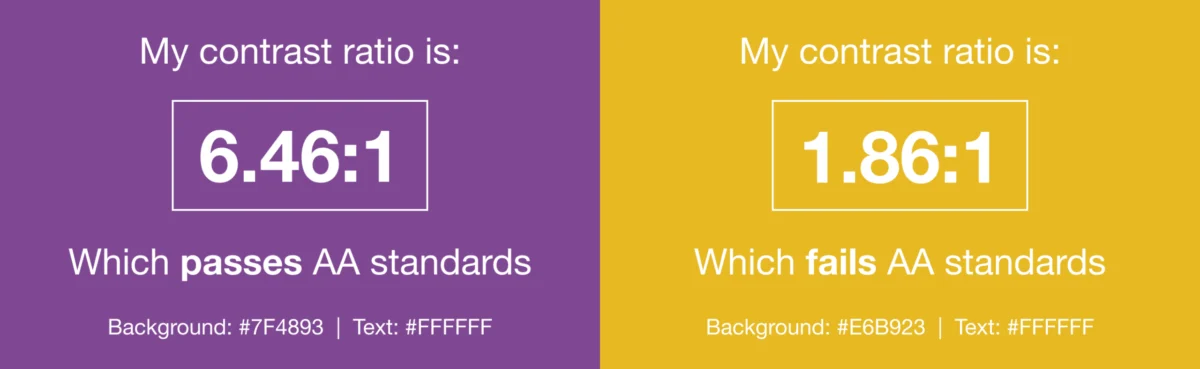
The pursuit of the perfect email experience for subscribers often overlooks a critical dimension: accessibility. Ignoring email accessibility risks alienating a significant portion of the audience, including individuals with visual, physical, cognitive, and neurological disabilities. As digital communication becomes increasingly ubiquitous, ensuring that emails are designed, developed, and delivered to be inclusive of all users is not merely an ethical consideration but a strategic imperative, supported by evolving legal frameworks and offering substantial business advantages.
Understanding Email Accessibility: A Cornerstone of Inclusive Design
Email accessibility is fundamentally about ensuring that every individual can effectively perceive, understand, navigate, and interact with an email message, regardless of their abilities or the assistive technologies they employ. This principle extends beyond merely accommodating permanent disabilities; it also addresses situational and temporary impairments, such as a user trying to read an email in bright sunlight, someone with a broken arm, or a person experiencing fatigue. It is an integral component of robust user experience (UX) and design, paralleling the efforts email marketers make to ensure messages render correctly across a myriad of email clients with varying levels of support. By integrating workarounds and fallbacks, marketers can guarantee a consistent, positive experience for a broader audience, thereby fostering trust and loyalty.

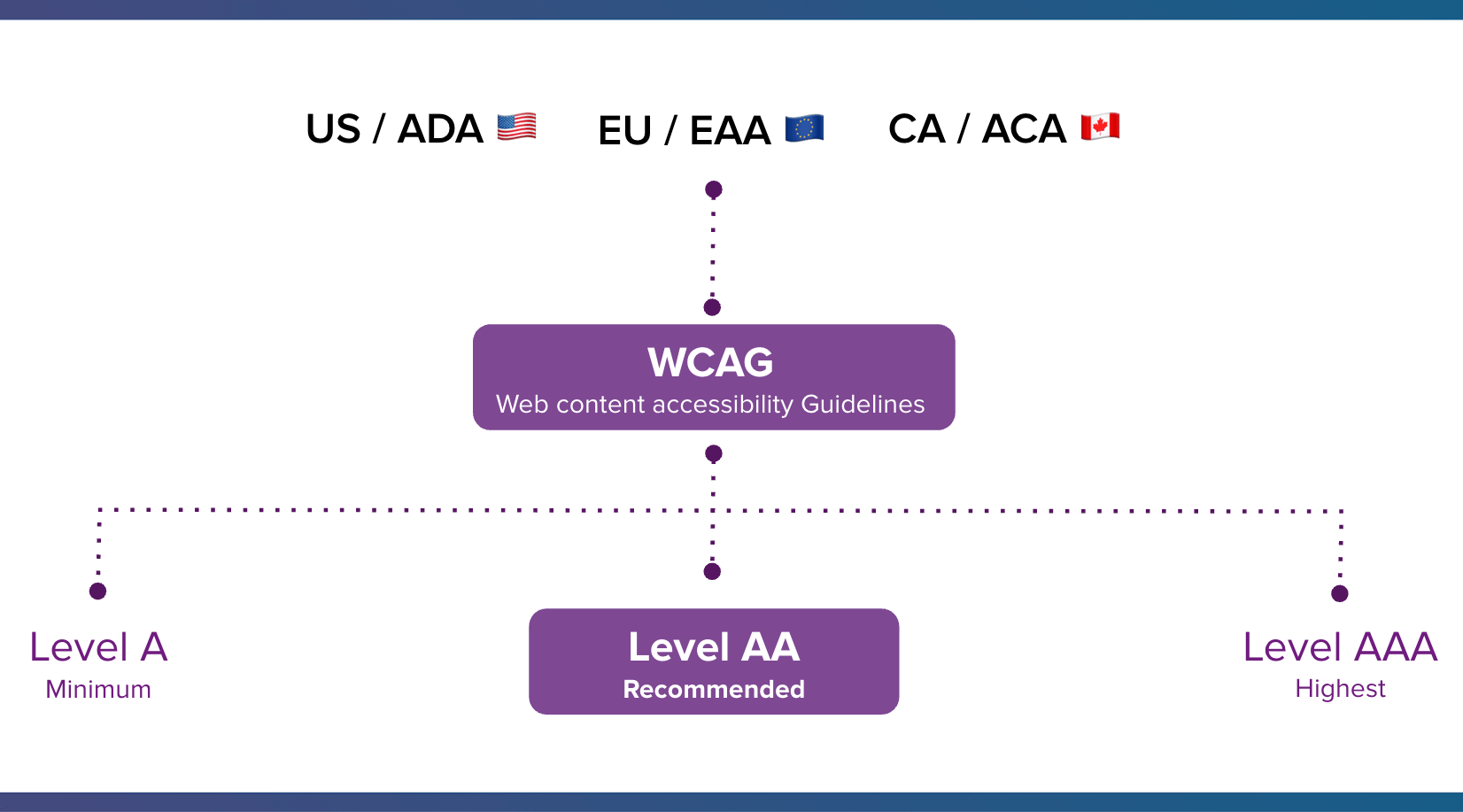
The primary benchmark for digital accessibility, including email, is the Web Content Accessibility Guidelines (WCAG). Developed by the World Wide Web Consortium (W3C) under its Web Accessibility Initiative (WAI), WCAG provides internationally recognized standards for making digital content accessible to people with disabilities. These guidelines are regularly updated to reflect new technological advancements and accessibility considerations. While WCAG itself is not a law, its conformance is widely accepted as the standard for meeting U.S. and international accessibility legislation, offering businesses a clear roadmap for compliance.
WCAG principles are built upon four foundational pillars, often summarized by the acronym POUR:
- Perceivable: Information and user interface components must be presentable to users in ways they can perceive. This means content cannot be invisible to all their senses. For example, providing alt text for images allows screen readers to convey visual information to users with visual impairments.
- Operable: User interface components and navigation must be operable. Users must be able to interact with all controls and interactive elements. This includes ensuring sufficient clickable areas for buttons and links, and keyboard navigability.
- Understandable: Information and the operation of user interface must be understandable. Content should be clear, concise, and predictable. This encompasses readability of text, logical organization of information, and predictable navigation patterns.
- Robust: Content must be robust enough that it can be interpreted reliably by a wide variety of user agents, including assistive technologies. This emphasizes using valid HTML, semantic markup, and ensuring compatibility with future technologies.
WCAG outlines three levels of conformance: Level A (the minimum standard for accessibility), Level AA (the recommended and most commonly adopted level for legal compliance), and Level AAA (the highest level, often difficult to achieve for an entire digital property but aspirational for specific content). Achieving Level AA conformance typically satisfies most legal requirements in various jurisdictions worldwide.

The Imperative for Inclusivity: Why Accessibility is Non-Negotiable
Email remains one of the most pervasive communication channels, with projections indicating 4.89 billion email users worldwide by 2027. Despite its expansive reach, accessibility is frequently an afterthought. This oversight carries significant repercussions, impacting user engagement, legal standing, and ultimately, business performance.
The Global Scale of Disability and Its Impact on Email Users
Disabilities affect a substantial segment of the global population. In the United States and the European Union, approximately one in four adults lives with a disability. Globally, this figure rises to one in six, representing over a billion people. As Lauren Castady, a Design Leader and Accessibility Advocate, aptly notes, “Too often accessibility is framed as designing for someone, if that’s an edge case or a small segment. But the truth is it’s one of the largest audiences we design for.” This vast demographic includes email users who may face significant barriers if accessibility is not prioritized.
Common disabilities and their implications for email engagement include:
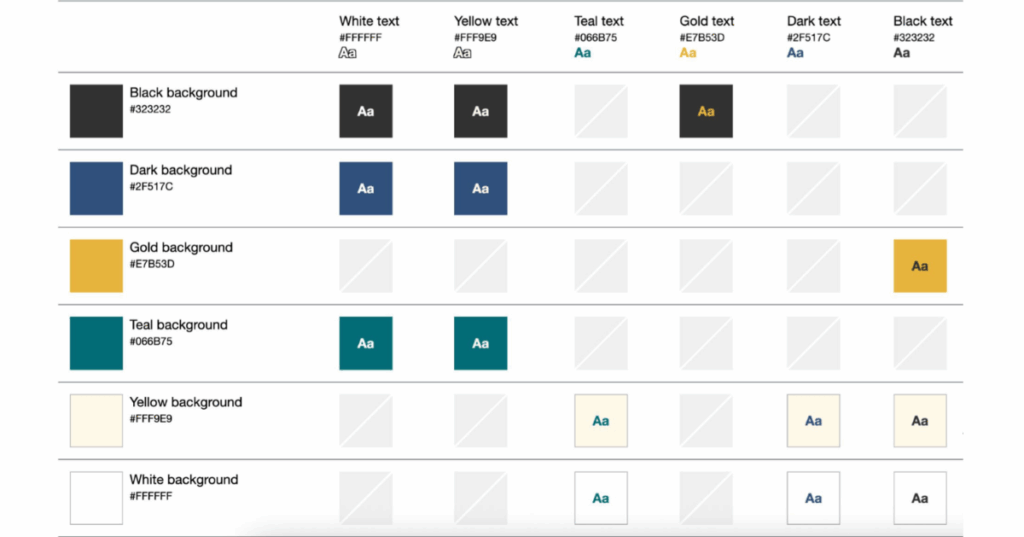
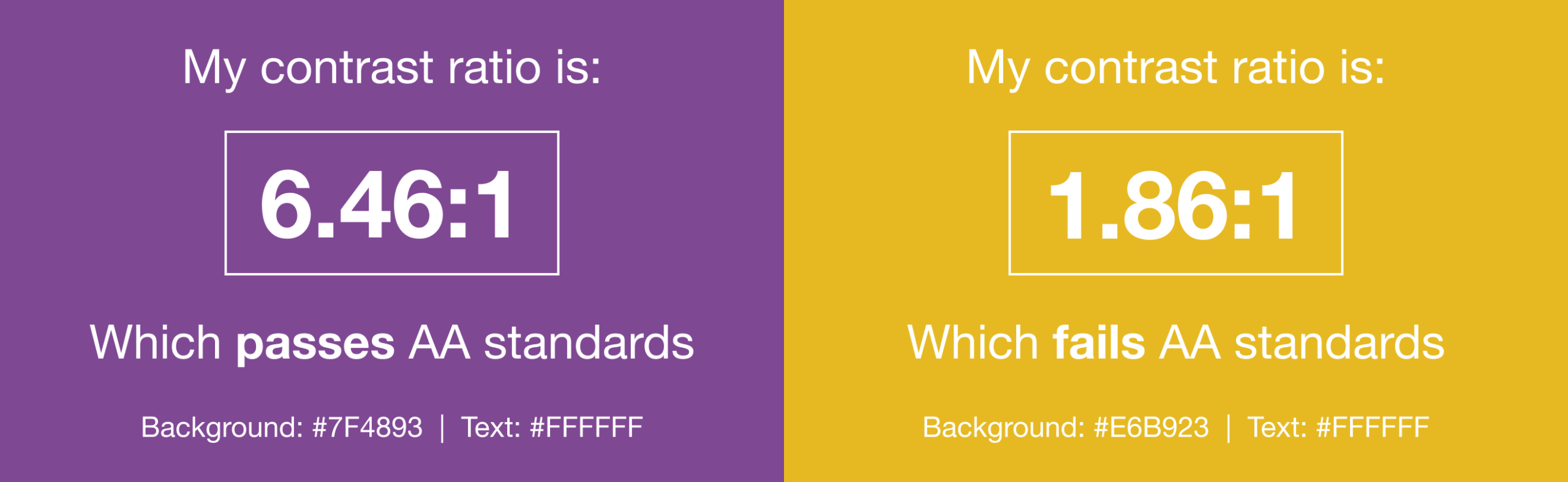
- Visual Impairments: Ranging from low vision to complete blindness, these users rely on screen readers that vocalize content, or screen magnifiers. Poor color contrast, lack of alt text for images, small font sizes, or complex layouts can render emails unreadable.
- Physical/Motor Disabilities: Individuals with limited dexterity may struggle with small clickable areas or require keyboard navigation instead of a mouse. Emails designed with large, clearly defined buttons and logical tab order are crucial.
- Cognitive and Neurological Disabilities: Conditions like dyslexia, ADHD, or autism can impact a user’s ability to process complex information, focus, or understand dense text. Overly long paragraphs, jargon, inconsistent layouts, or distracting animations can lead to cognitive overload and disengagement.
- Hearing Impairments: While less directly impactful for text-based emails, any embedded video content without captions or transcripts would be inaccessible.
Beyond recognized disabilities, accessible design also significantly benefits individuals experiencing situational or temporary impairments. For instance, someone with a temporary eye injury, a parent holding a child, or a user on a slow internet connection with an older device will all find an accessible email easier to engage with. This broadens the scope of “accessible” to encompass practical usability for virtually everyone.

Legal Mandates and the Cost of Non-Compliance
The past few decades have seen a global acceleration in the establishment and enforcement of accessibility laws, reflecting a growing recognition of digital rights.
- United States: The Americans with Disabilities Act (ADA) prohibits discrimination against individuals with disabilities in all areas of public life, including commercial websites and, by extension, digital communications like email. While specific email accessibility guidelines are not explicitly detailed in the ADA, courts have increasingly interpreted Title III of the ADA to apply to digital platforms, leading to a surge in lawsuits against businesses whose online content, including emails, is not accessible.
- European Union: The European Accessibility Act (EAA), fully enforced by June 2025, sets common accessibility requirements for a range of products and services, including e-commerce and certain digital content. This mandates that businesses operating within the EU/EEA ensure their digital offerings, including marketing emails, are accessible.
- Canada: The Accessible Canada Act (ACA), passed in 2019, aims to create a barrier-free Canada by 2040,









