rifanmuazin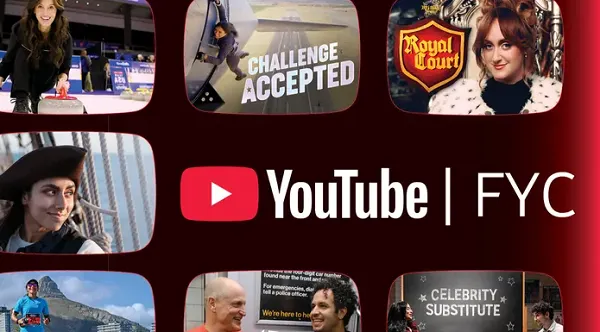
YouTube has officially put forward a selection of its prominent platform creators and their programs for consideration in the 2026 Emmy Awards, a move that starkly highlights the ongoing evolution of the entertainment industry and YouTube’s increasingly pivotal role within the modern media ecosystem. This strategic push reflects a broader ambition by the digital video giant to solidify its position not merely as a dominant online video platform, but as a legitimate and formidable contender against traditional television networks and streaming services for mainstream critical acclaim and industry accolades.
The landscape of entertainment has undergone a radical transformation over the past two decades, with YouTube at the forefront of this seismic shift. What began as a nascent platform for user-generated content in 2005 has burgeoned into a global media powerhouse, fundamentally reshaping how audiences consume video content and how creators produce it. Today, YouTube is not just a hub for viral videos and music clips; it is a sophisticated ecosystem hosting everything from professional-grade documentaries and educational series to intricate unscripted shows and variety specials, often boasting production values that rival those of established broadcasters. This evolution has positioned YouTube as a genuine rival to traditional television, a status underscored by its consistently reported leadership in streaming viewership. Nielsen’s Gauge Report, a key industry metric, has frequently indicated YouTube’s supremacy in total TV usage among streaming platforms, often surpassing the combined viewership of many linear television channels and individual subscription services.
The Professionalization of the Creator Economy
The journey from amateur video sharing to Emmy contention mirrors the professionalization of the creator economy itself. In its early years, YouTube was primarily known for individual personalities filming content in their bedrooms. Over time, however, successful creators have scaled their operations, establishing production teams, securing brand partnerships, and investing significantly in equipment, post-production, and talent. Many top-tier YouTubers now operate as mini-studios, employing dozens of staff and producing content with budgets that can range from tens of thousands to millions of dollars per project. This level of investment and commitment to craft has naturally led to an increase in the quality and complexity of content available on the platform, making it increasingly indistinguishable from traditional television programming in terms of narrative depth, technical execution, and cultural impact.
YouTube’s decision to formally submit creators for Emmy consideration in 2026 is a direct acknowledgment of this maturation. While the specific list of channels and programs put forward remains under wraps, the platform’s blog post indicated that these submissions represent content that has already garnered significant cultural relevance and critical attention within their respective niches. Categories typically targeted for such submissions might include Outstanding Documentary or Nonfiction Series, Outstanding Variety Special, Outstanding Structured or Unstructured Reality Program, and various technical and craft categories, reflecting the diverse range of high-quality content now flourishing on YouTube. This initiative is not merely about prestige; it is a strategic maneuver to validate the platform’s content creators and to attract further investment and talent, both from within the digital space and from traditional media.
A History of Digital Content at the Emmys
The Television Academy, the organization behind the Emmy Awards, has gradually adapted to the rise of digital content over the past decade. The Creative Arts Emmy Awards, which recognize technical and craft achievements, as well as outstanding programs in specialized categories, have seen digital-first content and web series gain traction. For instance, shows originally distributed solely online have secured nominations and wins in categories such as Outstanding Short Form Comedy or Drama Series, Outstanding Interactive Program, and various individual achievement categories for directing, writing, and acting in digital series. These wins marked early recognition of the artistic merit and innovative storytelling emerging from the online sphere.
However, a critical distinction remains: while YouTube stars and digital series have indeed celebrated Emmy wins, no creator-led show originating from YouTube has ever secured a Primetime Emmy Award in a major televised category. This is the ultimate barrier YouTube aims to breach in 2026. A win in a marquee category—such as Outstanding Comedy Series, Outstanding Drama Series, or a major variety or reality category—would represent a landmark achievement, signaling full acceptance and parity with the output of traditional broadcast and cable networks, as well as established streaming giants like Netflix, HBO, and Amazon Prime Video. It would move YouTube content beyond the “niche” or “short-form” perception and firmly into the mainstream conversation about top-tier television programming.
The Battle for Mainstream Legitimacy: YouTube vs. Hollywood
YouTube executives have consistently articulated their belief that the quality and cultural impact of their platform’s content warrant recognition on par with traditional media. In statements, they often emphasize the vast global reach of their creators, the deep engagement they foster with audiences, and the innovative storytelling approaches that often push the boundaries of conventional television. They argue that the medium of distribution should not dictate the artistic merit of a program, advocating for a merit-based evaluation regardless of whether content originates from a linear channel, a subscription service, or an ad-supported digital platform.
Industry analysts largely concur that the lines between “traditional” and “digital” entertainment have become increasingly blurred. Data frequently shows that younger demographics, in particular, spend significantly more time consuming content on platforms like YouTube than on linear television. This generational shift in viewing habits underscores the imperative for awards bodies to evolve their criteria and categories to remain relevant and representative of the current entertainment landscape.
However, the path to mainstream Emmy recognition is not without its challenges. Some veteran television producers and traditional Hollywood figures have, at times, expressed skepticism regarding the consistent production quality, budget scales, and traditional narrative structures often associated with YouTube content. While acknowledging the platform’s massive audience and cultural influence, there can be an underlying perception that digital content, by its very nature, might lack the institutional rigor or consistent professional standards of network or studio productions. This perception, whether fair or not, represents a hurdle that YouTube and its creators must overcome. The sheer volume of content on YouTube also presents a unique challenge, as judges accustomed to evaluating a curated selection from established networks might struggle with the breadth and diversity of submissions from a platform that hosts billions of videos.
Implications for the Media Landscape and Creator Economy
Should YouTube creators achieve a major Primetime Emmy win in 2026, the implications for the broader media landscape would be profound and far-reaching:
-
Redefining “Television”: A major Emmy win would accelerate the ongoing redefinition of what constitutes “television content.” It would further cement the idea that compelling, high-quality programming can originate from any platform, challenging the historical exclusivity of broadcast and cable networks. This shift would compel awards bodies, advertisers, and even audiences to view YouTube content through a different, more elevated lens.
-
Validation for the Creator Economy: Such recognition would serve as a powerful validation for the entire creator economy. It would elevate the perceived legitimacy of being a full-time content creator, potentially attracting even more talent, investment, and infrastructure to the digital space. Brands might reallocate advertising budgets to better reflect viewership trends, further empowering creators financially and artistically. This could lead to a virtuous cycle where increased recognition drives more investment, which in turn leads to even higher quality content.
-
Pressure on Awards Ceremonies: The Television Academy and other awards bodies would face increased pressure to continue evolving. This could involve creating new categories that specifically acknowledge innovative digital storytelling, broadening their membership to include more digital-first professionals, or revising judging criteria to better accommodate the unique characteristics of online content. The goal would be to ensure that the Emmys remain a comprehensive reflection of excellence across all forms of television.
-
Audience Behavior Reinforcement: For audiences, especially younger generations who have grown up with YouTube as their primary entertainment source, a major Emmy win would simply confirm what they already know: that some of the most engaging and culturally relevant content is found online. It could further solidify their loyalty to digital platforms and diminish the perceived hierarchy between “traditional” and “digital” entertainment.
-
New Talent Pipelines: Traditional studios and networks, already scouting YouTube for emerging talent, would likely intensify these efforts. A major Emmy win could make YouTube an even more attractive proving ground for writers, directors, and performers looking to break into mainstream entertainment, blurring the lines between career paths in digital and traditional media.
Conclusion
YouTube’s assertive move to put its creators forward for major Emmy recognition in 2026 is more than just a quest for trophies; it is a strategic declaration of intent. It signifies the platform’s unwavering commitment to positioning itself and its content creators at the apex of the global entertainment industry. As viewer behaviors continue to shift and the digital landscape matures, the distinction between “online video” and “television” becomes increasingly arbitrary. The potential for a landmark Primetime Emmy win for a YouTube-native show represents not just a significant moment for the platform and its creators, but a pivotal inflection point for the entire entertainment world, signaling a future where merit and cultural impact transcend traditional distribution channels. The 2026 Emmy Awards could very well mark the dawn of a new era, fundamentally altering how we perceive, create, and celebrate televised excellence.