
 rifanmuazin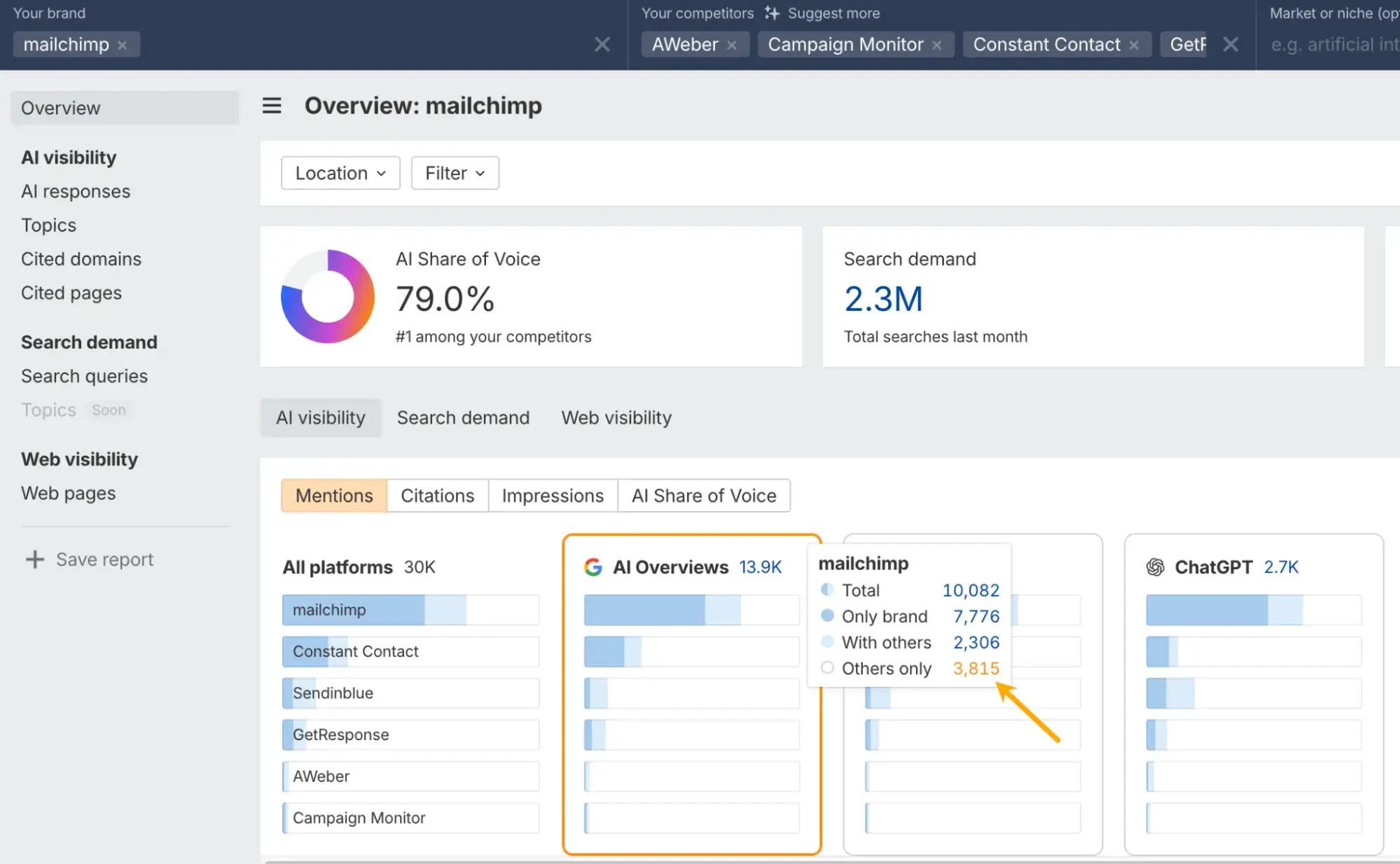
The concept of brand mentions, online references to a company, product, or spokesperson, has long been a cornerstone of public relations and marketing. However, the advent of Answer Engine Optimization (AEO) is fundamentally altering their significance and demanding a sophisticated, multi-channel approach to monitoring. What was once primarily a measure of traditional media coverage or social buzz has expanded dramatically, now encompassing mentions within dynamic AI-generated answers from platforms like ChatGPT, Perplexity, and Gemini, alongside a burgeoning ecosystem of forums, review sites, and podcasts. This shift transforms brand mentions from mere vanity metrics into critical indicators of reputation, SEO value, and direct revenue attribution, compelling businesses to adopt comprehensive monitoring strategies or risk operating in the dark.
The Evolving Landscape of Brand Visibility
For decades, tracking brand mentions meant sifting through newspaper clippings, magazine articles, and broadcast media. The digital revolution, particularly with the rise of the internet in the late 1990s and early 2000s, introduced websites, blogs, and online news portals, expanding the sphere of influence. The subsequent explosion of social media platforms in the 2010s further democratized content creation, making every user a potential publisher and dramatically increasing the volume and velocity of brand references. Businesses quickly realized the importance of social listening and web monitoring tools to keep pace. However, the current era presents an even more profound transformation: the emergence of AI-powered answer engines. These systems don’t just point users to content; they synthesize information to provide direct answers, often citing brands within these summaries. This represents a significant paradigm shift, as brand visibility is no longer solely about ranking on a search engine results page (SERP) but about being credibly cited within an AI’s definitive response.
Industry analysts suggest that the increasing reliance on AI for information discovery—with a growing percentage of search queries now being handled by AI models—underscores the urgency for brands to adapt. According to recent reports, AI-powered interactions are projected to grow exponentially, with some estimates suggesting that over 50% of online searches could involve AI components within the next few years. This technological progression creates both challenges and unprecedented opportunities for brands to shape their narrative directly within these influential AI environments.
The Rise of Answer Engine Optimization (AEO)

Answer Engine Optimization (AEO) is the strategic discipline of optimizing content and brand presence to appear favorably in AI-generated answers. Unlike traditional Search Engine Optimization (SEO), which focuses on ranking web pages, AEO aims for authoritative citation within conversational AI outputs. This means understanding how large language models (LLMs) ingest, process, and synthesize information, and then proactively ensuring that accurate, positive, and relevant brand information is readily available and contextually appropriate for AI to cite.
The distinction is crucial. A linked mention on a blog post, while valuable for SEO, might be overlooked by an AI model if the brand’s overall digital footprint isn’t coherent and highly cited across diverse, credible sources. Conversely, a brand consistently mentioned positively in high-authority articles, reviews, and industry discussions is more likely to be featured in an AI’s answer to a related query, even without a direct link to the brand’s website in that specific AI output. This dynamic nature of AI-generated responses, which are not tied to static URLs, makes AEO a complex but essential frontier for brand management. Marketing strategists emphasize that a proactive AEO strategy requires not only monitoring but also a systematic approach to content creation, reputation management, and digital presence that caters specifically to AI’s interpretative capabilities.
Categorizing Modern Brand Mentions
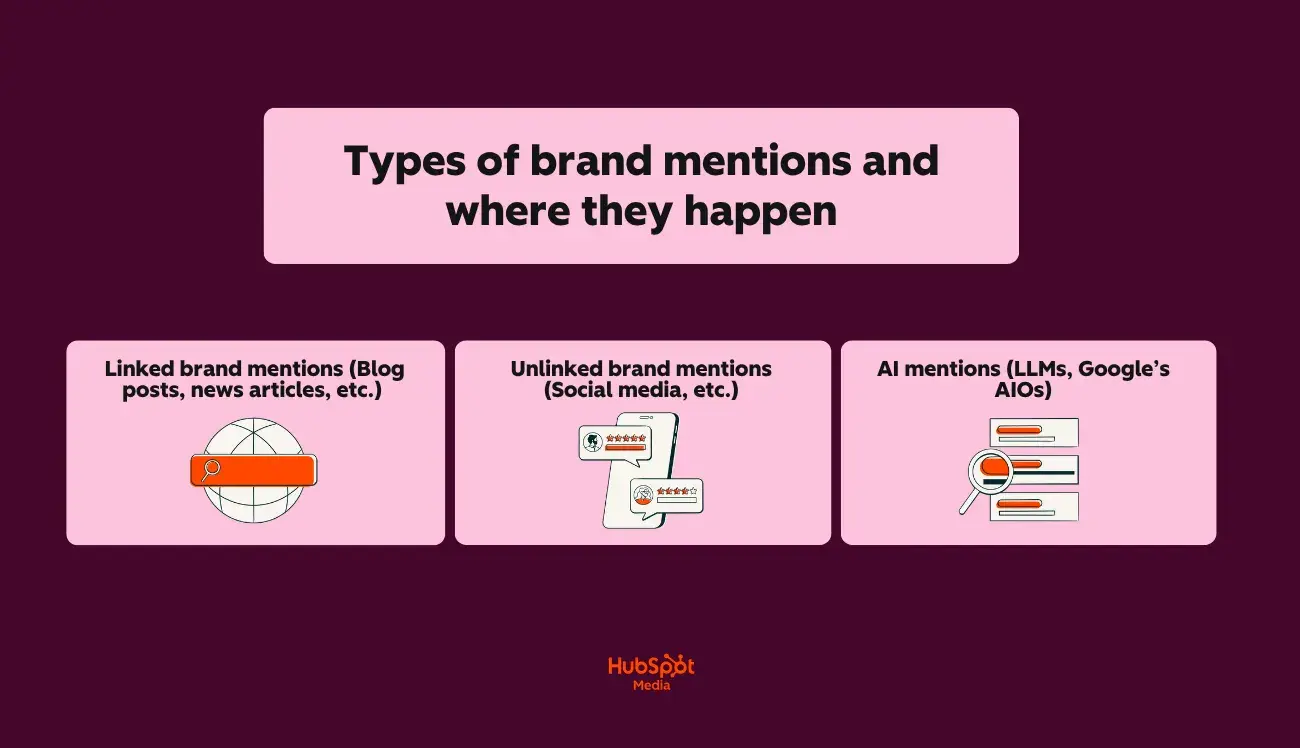
To effectively navigate this new landscape, a nuanced understanding of mention types is essential:
-
Linked Brand Mentions: These are direct references to a brand, product, or company name that include a hyperlink back to the brand’s website. They remain foundational for traditional SEO, driving direct referral traffic and building domain authority. Common sources include news articles, blogs, industry publications, and partner websites. While their direct SEO impact is well-established, their role in AI citation is indirect, contributing to the overall authority and credibility that AI models might recognize.
-
Unlinked Brand Mentions: These occur when a brand, product, or spokesperson is mentioned online without a corresponding hyperlink to the brand’s site. Historically, these were seen as missed opportunities. However, in the context of both traditional SEO and emerging AEO, they represent significant potential. For SEO, an unlinked mention from a high-authority site can be converted into a backlink through targeted outreach, offering a high-conversion link-building tactic. For AEO, a high volume of positive, unlinked mentions across credible sources signals to AI models that the brand is relevant and trustworthy, increasing the likelihood of its inclusion in AI answers. These frequently appear in forums (like Reddit), social media discussions, certain review sites, and even in podcast transcripts.
-
AI Mentions: This newest category refers to instances where a brand is referenced within an AI-generated answer or summary, such as those produced by ChatGPT, Perplexity, Gemini, or Google’s AI Overviews. These mentions are unique because they are dynamically generated, lack static URLs, and are highly dependent on the AI model’s training data, real-time information retrieval, and internal ranking algorithms. Their value lies in direct visibility within the "answer layer" of search, often bypassing traditional search results. Monitoring these requires specialized tools that can query AI models and analyze their responses for brand mentions, sentiment, and contextual relevance.
The Imperative of Comprehensive Brand Monitoring
In this fragmented digital ecosystem, flying blind on brand mentions is no longer viable. A comprehensive brand monitoring strategy is crucial for several interconnected reasons:
- Brand Awareness: Tracking mentions across all channels provides a holistic view of where and how often the brand is discussed, revealing true reach beyond owned media.
- Reputation Management: Real-time monitoring allows for rapid detection and response to negative sentiment or misinformation, mitigating potential crises before they escalate.
- SEO Value: Identifying linked and unlinked mentions enables proactive link-building efforts, bolstering search engine rankings and organic traffic.
- Market Intelligence: Analyzing mention data offers insights into market trends, competitive positioning, and consumer perceptions.
- AI Visibility: Understanding how AI models perceive and cite a brand is paramount for future-proofing digital strategy and ensuring presence in emerging information pathways.
Key Performance Indicators (KPIs) for Modern Brand Monitoring
Effective brand monitoring hinges on tracking specific KPIs that transcend traditional metrics:
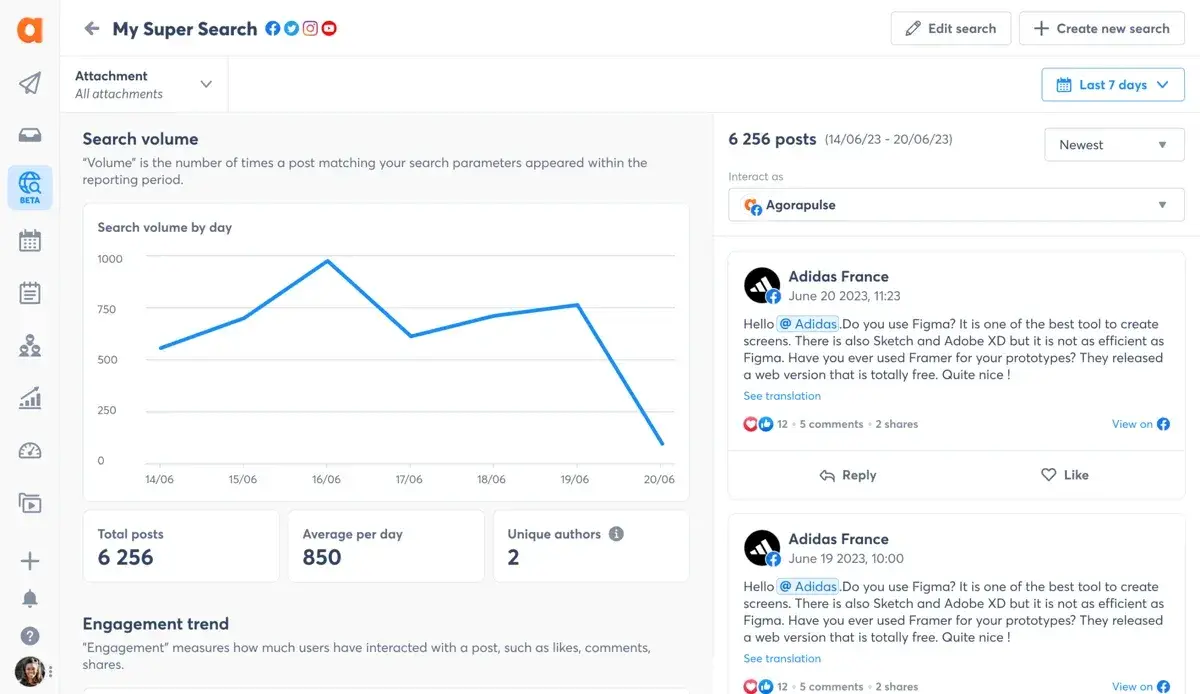
- Total Mentions: The raw count of all online references, segmented by channel (social, web, review, AI).
- Reach/Impressions: The estimated audience size exposed to brand mentions, providing a measure of visibility.
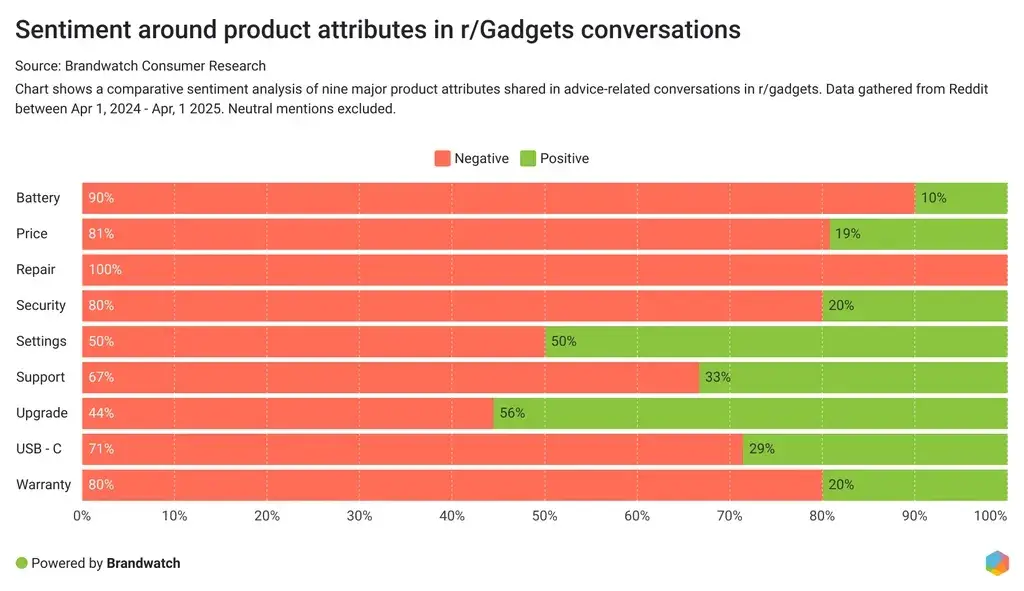
- Sentiment: The emotional tone (positive, neutral, negative) associated with mentions, crucial for reputation management.
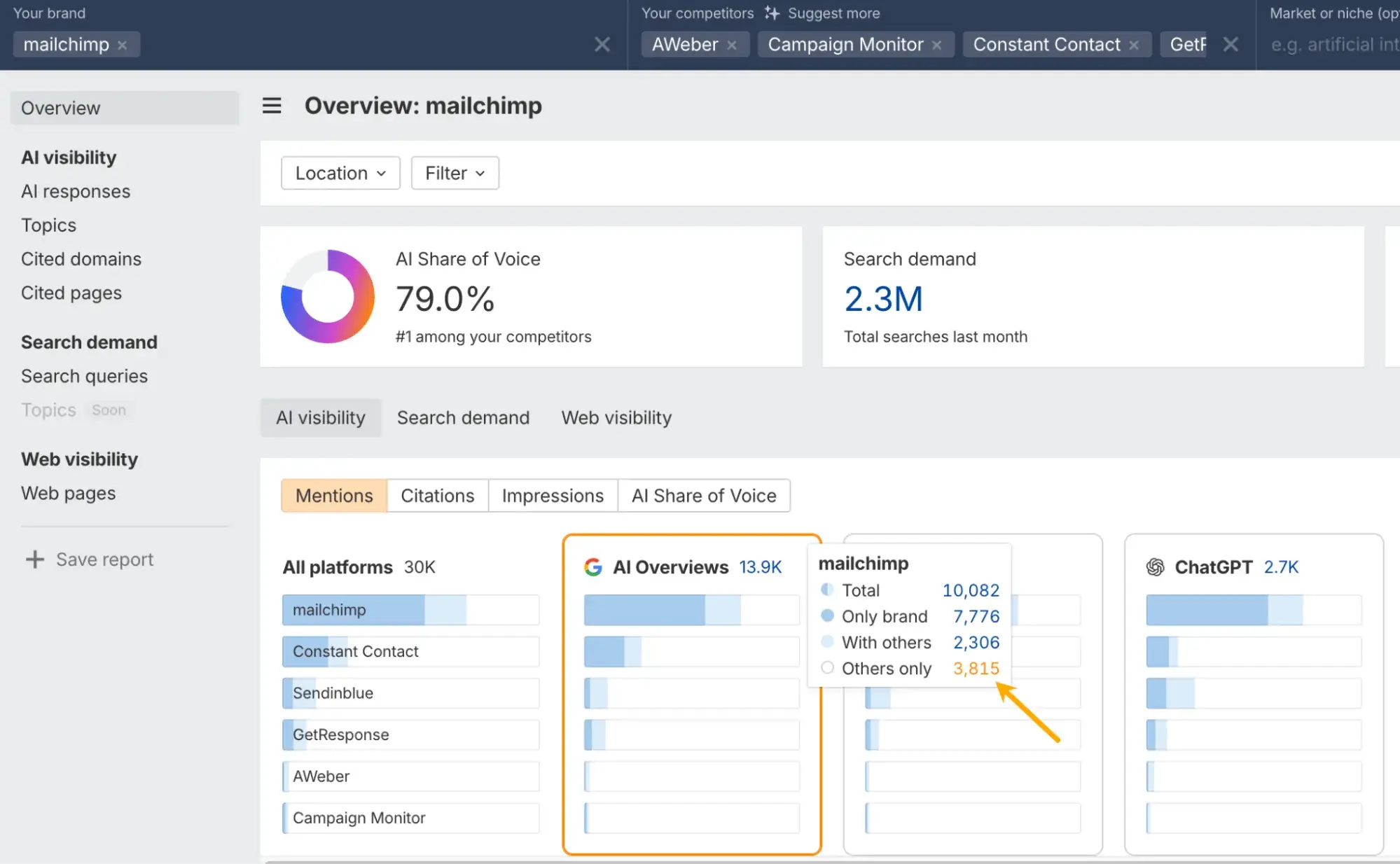
- Share of Voice (SoV): The brand’s percentage of total mentions within its industry or competitive landscape, indicating market presence.
- Backlink Conversions: The number of unlinked mentions successfully converted into valuable backlinks, quantifying SEO impact.
- AI Citation Rate/Prominence: The frequency and prominence of brand mentions within AI-generated answers for relevant queries, a direct measure of AEO success.
Connecting these metrics to tangible business outcomes, particularly revenue, is the ultimate goal. A well-defined brand monitoring workflow—complete with term lists, automated alerts, clear routing protocols, service level agreements (SLAs), and response playbooks—transforms fragmented data into actionable intelligence, enabling faster responses, higher backlink conversion rates, and clearer attribution of brand visibility to pipeline generation.
Strategic Framework for Actionable Insights
Moving beyond mere data collection, a strategic approach converts mention data into compounding value. This involves:
-
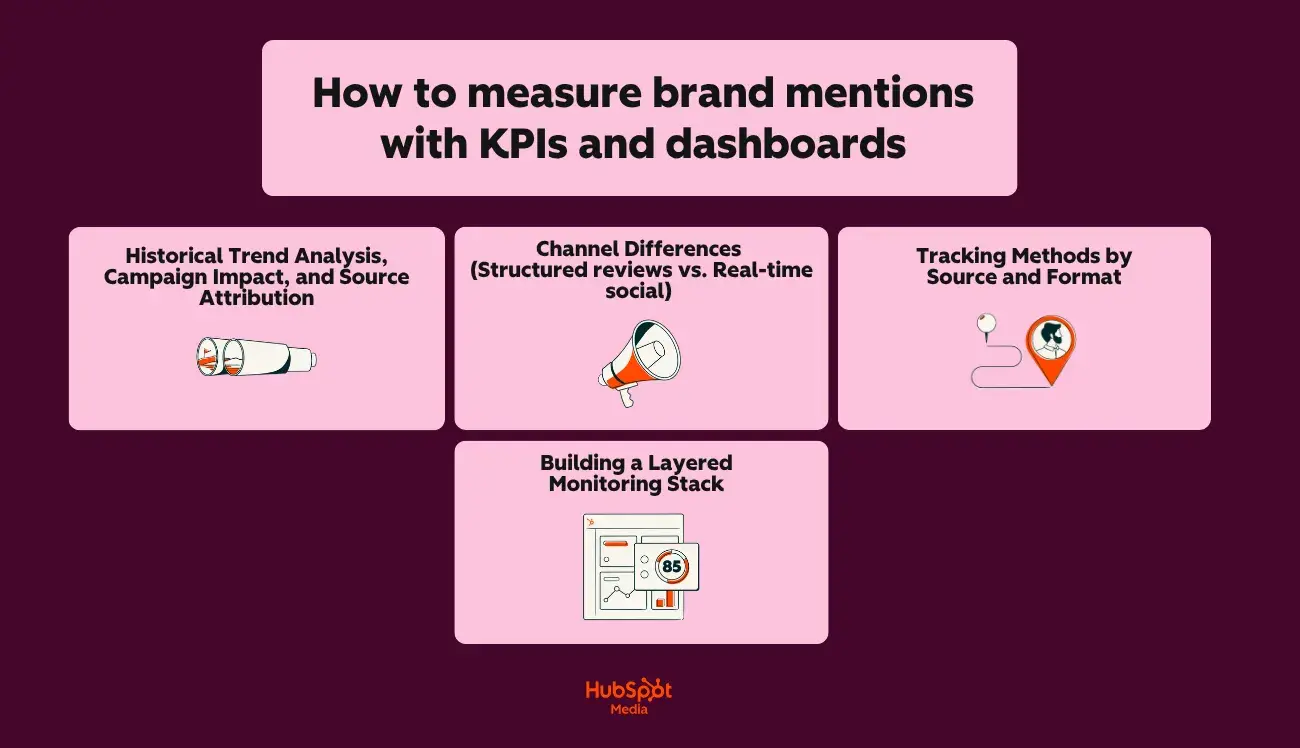
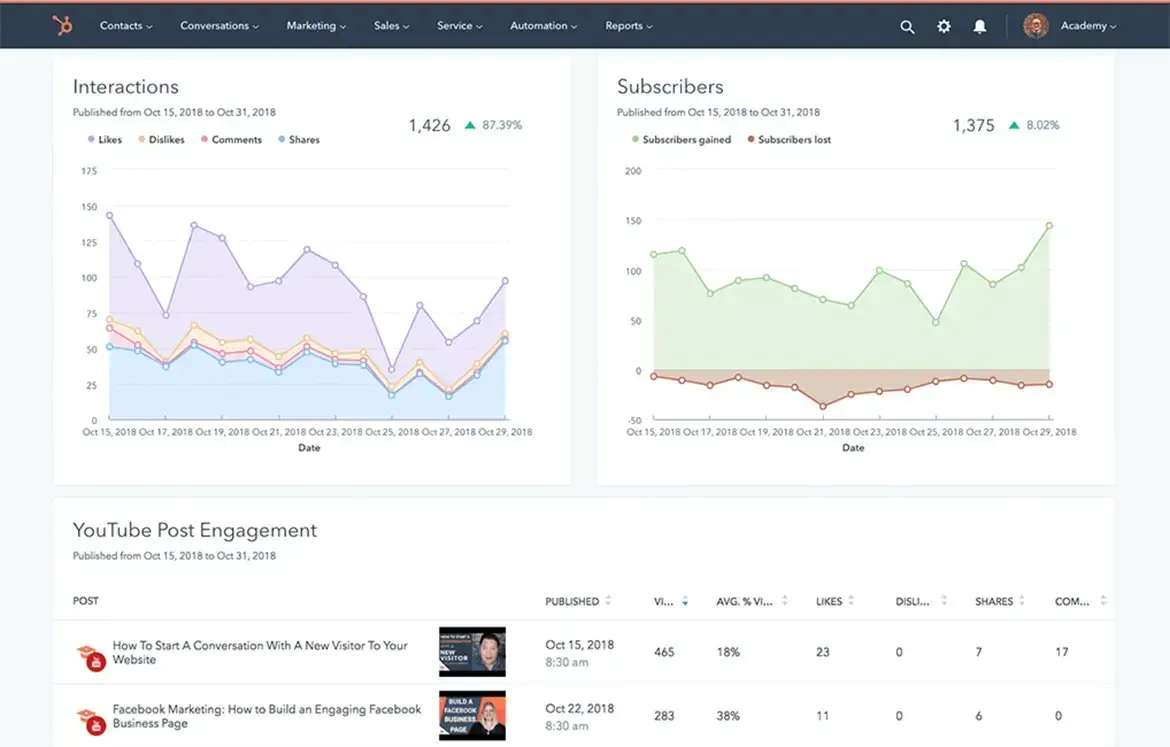
Historical Trend Analysis: Tracking mention volume, sentiment, and source over time reveals patterns, identifies the impact of marketing campaigns, and attributes shifts in visibility to specific events or strategies. For AI mentions, this necessitates specialized tools or consistent manual prompting to log and analyze AI responses over time, as their ephemeral nature makes historical tracking challenging.
-
Channel-Specific Measurement: Different channels demand tailored monitoring and response strategies. Structured review sites (G2, Capterra, Trustpilot) offer clean, quantifiable data but move slowly, requiring a focus on overall ratings, review volume, and key themes. Real-time social channels (X, Reddit, TikTok) generate high-volume, unstructured, and often ambiguous data, necessitating rapid response mechanisms for sentiment shifts and crisis management. Each channel’s unique characteristics must inform monitoring cadences and analytical approaches.
-
Layered Monitoring Stack: No single tool can cover the entire spectrum of modern brand mentions. The most effective strategy involves a layered approach:
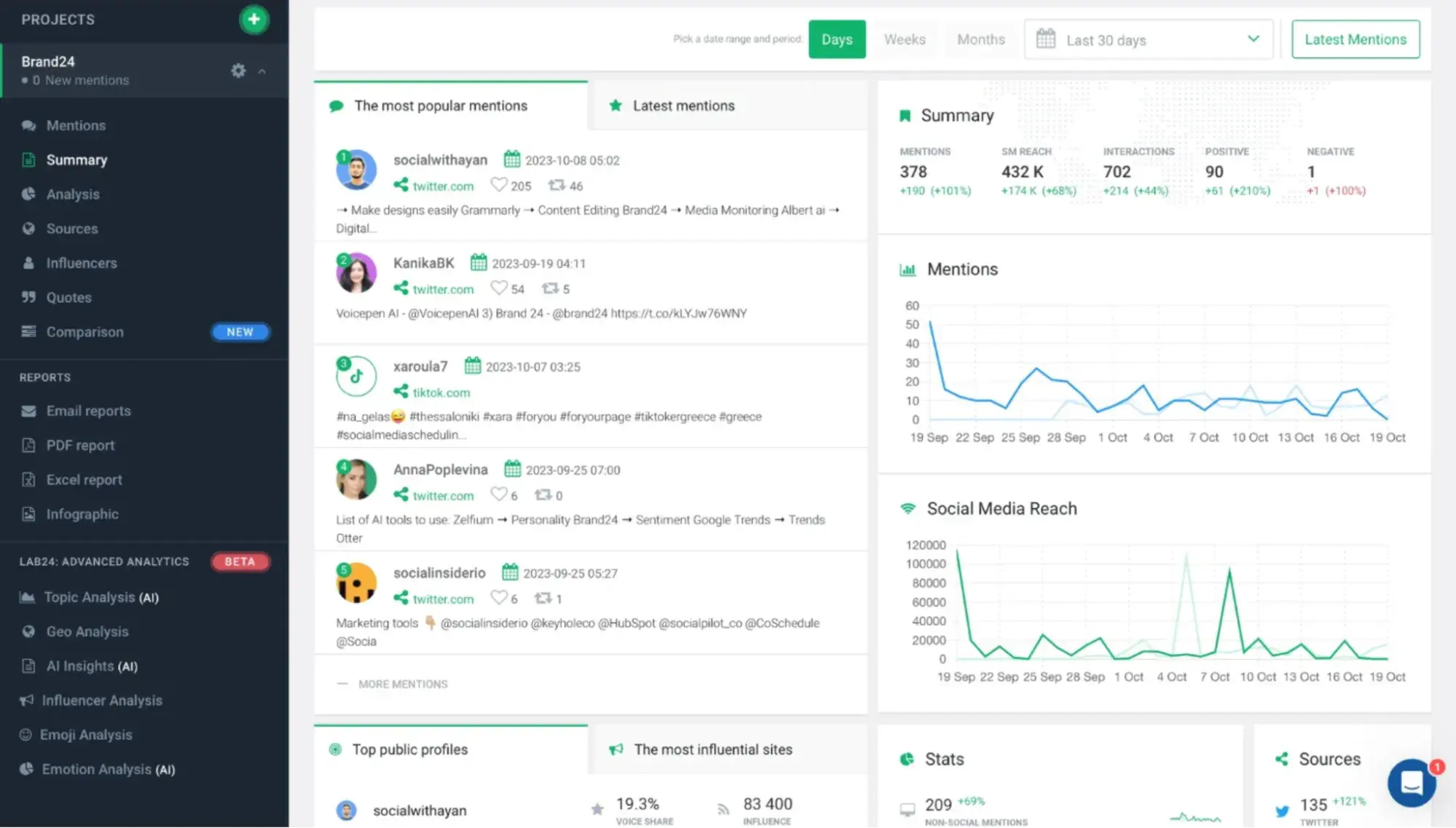
- Social Listening Platforms: For real-time social media monitoring and sentiment analysis (e.g., Brandwatch, Mention, Brand24).
- Web Crawlers/SEO Tools: For identifying web mentions, particularly unlinked ones, and analyzing backlink profiles (e.g., Ahrefs).
- Review Management Systems: For aggregating and responding to customer reviews across various platforms.
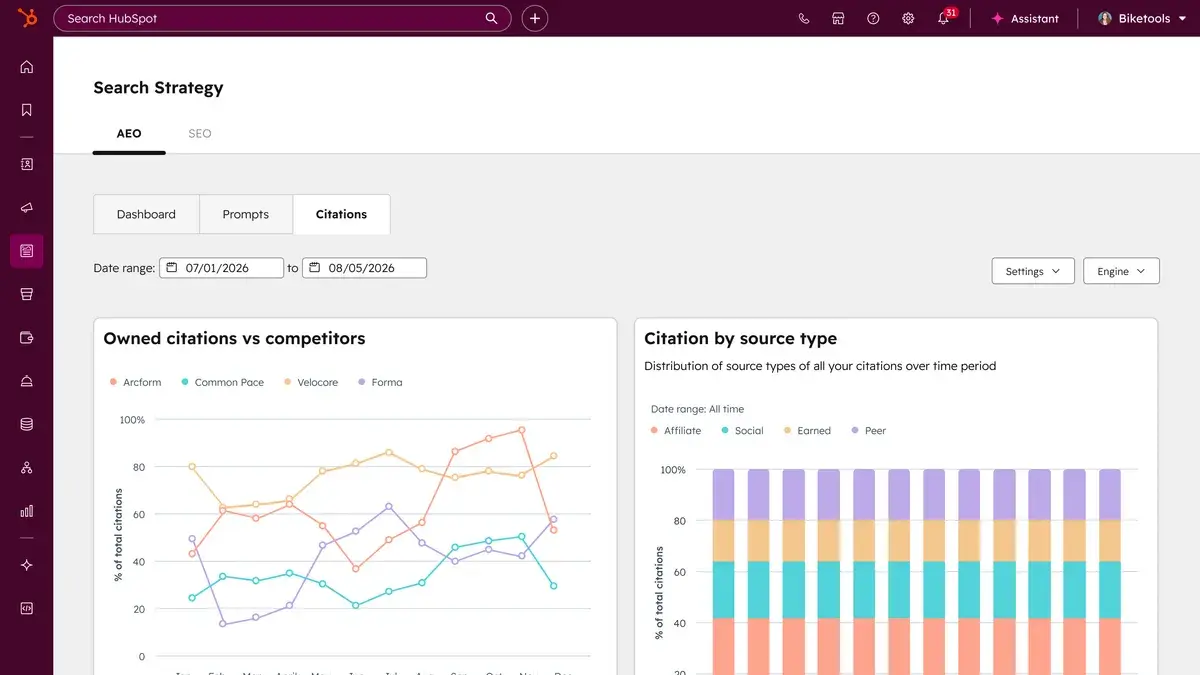
- AI Visibility Tools: A nascent but critical category for tracking brand mentions within AI-generated answers (e.g., HubSpot AEO, Peec.ai).
- Free Tools: Google Alerts serves as a valuable baseline for general web mentions.
-
Manual Checks and CRM Integration: Even with advanced tools, manual audits are essential for catching blind spots in closed communities or emerging platforms. Critically, integrating mention data into a CRM system allows for deduplication, prioritization, and connecting mentions directly to customer journeys and sales pipelines. This ensures that every mention, whether a sales lead or a customer service issue, is routed to the appropriate team member with clear ownership and an SLA.
Leveraging Mentions for Compounding Value
The true power of brand mentions lies in their conversion into active assets that drive long-term growth:
-
Converting Unlinked Brand Mentions to Backlinks: Each unlinked mention on a reputable website represents a pre-qualified link-building opportunity. Prioritizing outreach based on the referring page’s domain authority, estimated traffic, and relevance significantly boosts conversion rates. A structured outreach workflow—identifying the mention, finding contact information, crafting a personalized request, and following up—can systematically transform passive mentions into powerful SEO assets, enhancing domain authority and driving organic traffic.
-
Repurposing User-Generated Content (UGC): Positive brand mentions are invaluable UGC. These authentic endorsements carry more credibility than any marketing copy. Systematically repurposing quotes from reviews, social posts, or forum discussions across email campaigns, social media, website testimonials, and even sales enablement materials amplifies their impact. Establishing a tagging system within a CRM or monitoring tool helps categorize UGC by sentiment, format, and potential use, creating a searchable library of compelling content.
-
Nurturing Journalist and Creator Relationships in CRM: Sustained visibility, both in traditional media and increasingly within AI answers, stems from ongoing relationships with journalists, industry analysts, and influential content creators. Tracking these interactions within a CRM allows brands to nurture these relationships strategically, moving beyond one-off coverage to consistent, positive mentions. AI systems are more likely to cite brands that are frequently and consistently referenced by credible third parties, underscoring the convergence of PR, SEO, and AEO strategies. Identifying which relationships drive AI citations and addressing gaps in AI visibility through targeted relationship building is becoming a crucial aspect of modern brand strategy.
Challenges and Future Outlook
The rapid evolution of AI poses ongoing challenges for brand monitoring. The dynamic nature of AI-generated answers, the proprietary algorithms of different AI models, and the sheer volume of online content require continuous adaptation. Tools are still catching up, and the industry is grappling with standardization for AI visibility metrics. Brands must remain agile, investing in flexible monitoring stacks and fostering cross-functional collaboration between marketing, PR, SEO, and even product teams.
However, the implications for brands that master this new landscape are profound. Those that can effectively monitor, analyze, and leverage brand mentions—including the critical new dimension of AI citations—will gain a significant competitive advantage in terms of reputation, market share, and direct customer engagement. This strategic mastery will differentiate market leaders in an increasingly AI-driven information environment.
In conclusion, brand mentions are no longer a simple metric but a complex, multi-faceted indicator of digital health, profoundly impacted by the rise of Answer Engine Optimization. By embracing comprehensive monitoring strategies, leveraging advanced tools, and fostering a proactive approach to turning mentions into tangible assets, businesses can ensure their brand not only appears but thrives across the entire spectrum of online visibility, from traditional web pages to the cutting-edge of AI-generated answers.









