
 rifanmuazin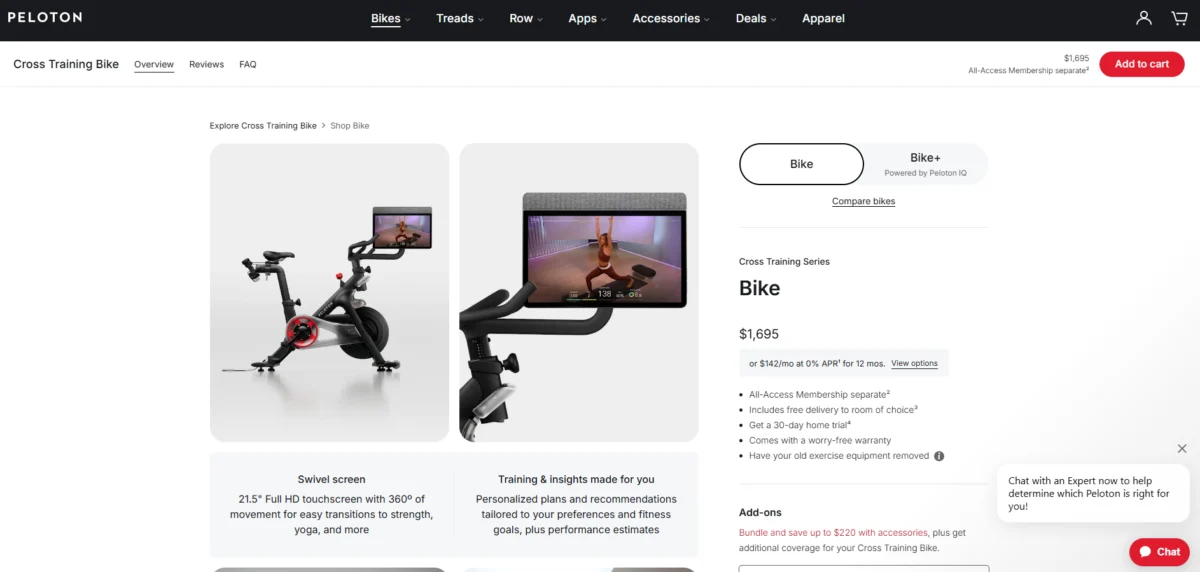
Perceived value represents the psychological evaluation a consumer makes regarding the worth of a product or service in relation to its cost and available alternatives, serving as the primary driver for pricing power and market positioning. In the contemporary global economy, where product specifications are often easily replicated by competitors, the ability to cultivate a high perceived value has become the definitive factor separating market leaders from generic providers. This metric does not rely on the objective utility or the raw manufacturing cost of an item; rather, it is constructed through a complex interplay of brand messaging, social proof, and consumer psychology. By understanding the mechanics of perceived value, enterprises can transcend the limitations of “actual value” and establish profit margins that reflect the emotional and status-oriented needs of their target demographic.
Understanding the Dichotomy Between Perceived and Actual Value
The distinction between actual value and perceived value is the foundation of modern marketing theory. Actual value refers to the objective performance, technical specifications, and durability of a product. It is the “floor” of a product’s worth—the minimum utility it provides. Conversely, perceived value is the “ceiling,” representing the maximum amount a customer is willing to pay based on their belief in the product’s ability to satisfy their specific desires.

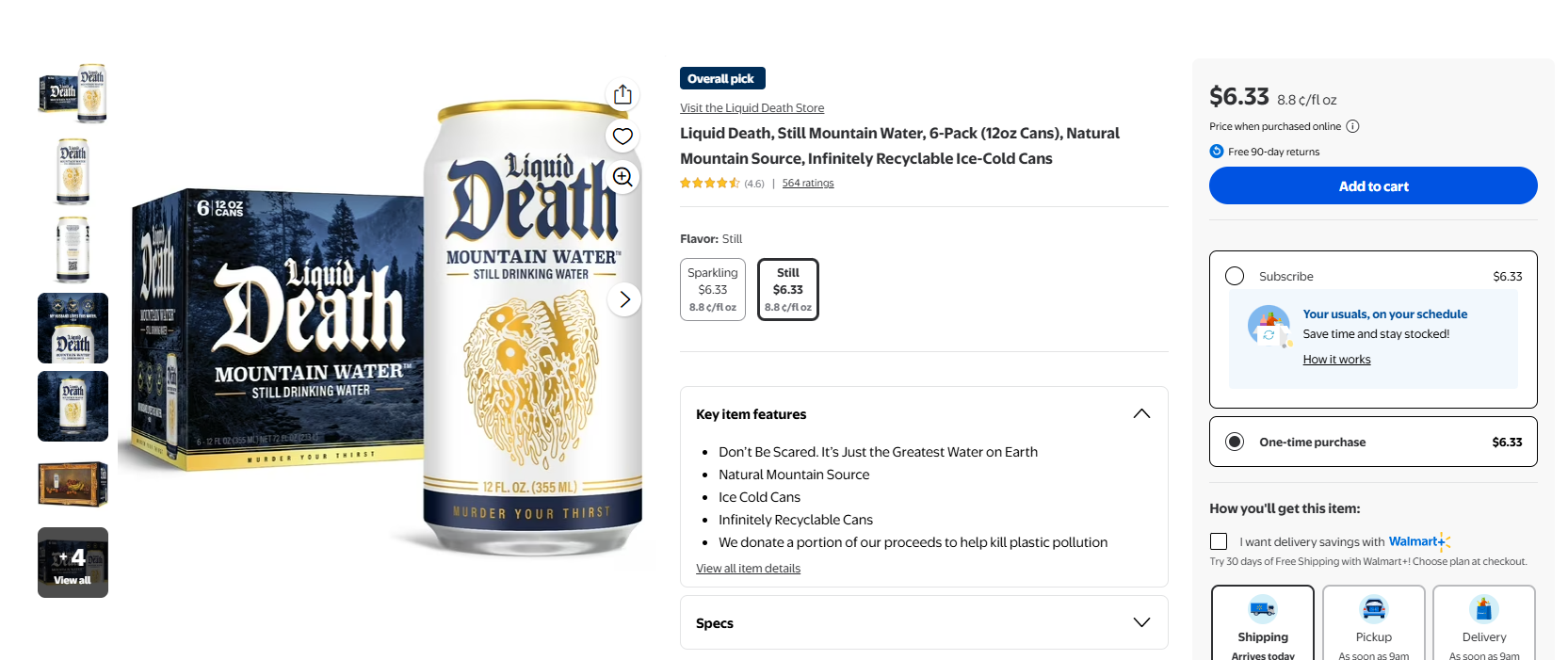
A prominent example of this disparity is found in the beverage industry, specifically with the brand Liquid Death. From an objective standpoint, the actual value of Liquid Death is identical to any other source of purified still water; its primary function is hydration. However, through aggressive, non-traditional branding and a “punk rock” aesthetic, the company has elevated its perceived value to a level where consumers are willing to pay significantly higher prices than they would for traditional bottled water. This phenomenon demonstrates that when the perceived value is successfully inflated, the product’s physical attributes become secondary to the brand experience.
Furthermore, a critical distinction must be made between perceived value and perceived price. Perceived price is the consumer’s subjective reaction to a cost based on the context of the purchase. A standard bottle of water may be perceived as “expensive” at $5.00 in a local supermarket but viewed as “reasonable” within the confines of an international airport or a high-end music festival. In these instances, the actual value remains constant, but the shifting reference point of the consumer—driven by availability and environment—alters their willingness to pay.
The Evolution of Value Theory: A Brief Chronology
The concept of value in commerce has undergone a significant transformation over the last century. In the early industrial era, value was largely tied to labor and materials, a concept known as the Labor Theory of Value. As markets became more saturated, the focus shifted toward Utility Theory, which prioritized the functional benefits a product offered the user.
By the mid-20th century, the rise of mass media allowed brands to begin shaping consumer “belief” through advertising, marking the birth of Perceived Value as a strategic tool. In the 21st century, with the advent of the digital economy and social media, perceived value has evolved further to include “Social Value” and “Epistemic Value.” Today, consumers do not merely buy products for what they do; they buy them for what they say about the consumer’s identity, ethics, and social standing. This chronological shift highlights why modern corporations invest more heavily in brand strategy and user experience than in incremental hardware improvements.
Methodologies for Measuring Consumer Perception
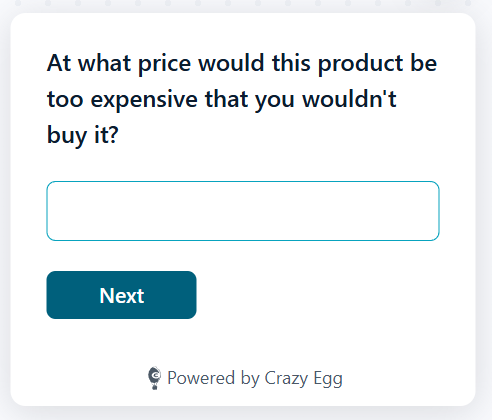
Because perceived value is subjective, businesses must employ a combination of qualitative and quantitative research methods to measure it accurately. One of the most enduring frameworks is the Van Westendorp Price Sensitivity Meter. This model utilizes four specific questions to identify the “Optimal Price Point” and the “Range of Acceptable Prices” based on consumer perception:
- At what price would the product be so expensive that you would not consider buying it? (Too expensive)
- At what price would the product be priced so low that you would feel the quality couldn’t be very good? (Too cheap)
- At what price would the product start to get expensive, but you would still consider buying it? (Expensive/High Side)
- At what price would the product be a bargain—a great value for the money? (Cheap/Good Value)
Beyond pricing surveys, corporations utilize behavioral analytics to gauge value. Web analytics tools, such as heatmaps and scroll maps, provide objective data on how users interact with value propositions. If a high percentage of users abandon a shopping cart at the shipping information stage, it indicates that the perceived value of the product does not outweigh the added “perceived cost” of delivery. Similarly, monitoring customer reviews on third-party platforms like G2, Capterra, or Reddit allows brands to identify “value gaps”—discrepancies between what the marketing promised and what the customer experienced.
Strategic Levers to Elevate Perceived Value
Increasing perceived value requires a multi-faceted approach that touches every aspect of the customer journey. Market analysts identify six primary levers that organizations can pull to enhance how their offerings are viewed by the public.
1. Optimization of Pricing Strategy
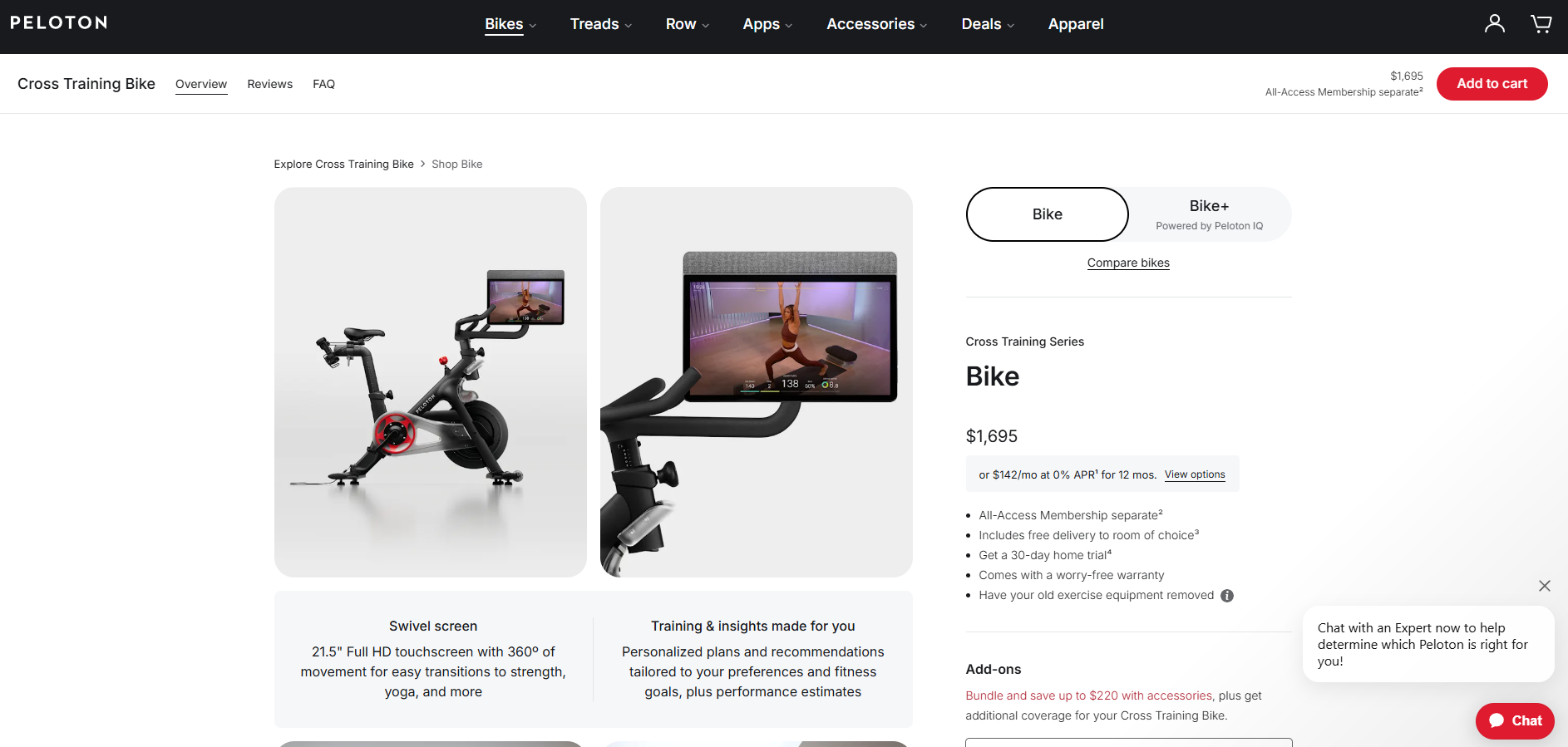
Pricing is a powerful signal of quality. Research indicates that consumers often use price as a heuristic for excellence, especially in categories where they lack deep technical expertise. A premium price can actually increase demand by signaling exclusivity and superior craftsmanship. Conversely, pricing a product too low can trigger “quality suspicion,” where the consumer assumes that corners were cut during production. Strategies such as “anchoring”—placing a high-priced item next to a standard one—can make the standard item appear to be a high-value bargain.
2. Brand Equity and the Halo Effect
A strong brand acts as a psychological shortcut for the consumer. When a company like Mercedes-Benz or Apple releases a new product, the “Halo Effect” ensures that the reputation of the parent brand is automatically transferred to the new item. This allows these companies to command prices that are often 20% to 50% higher than competitors with identical technical specs. Investing in brand mission and values, such as Patagonia’s commitment to environmental sustainability, further solidifies this perception by aligning the product with the consumer’s personal identity.
3. Leveraging Social Proof
In an era of information overload, consumers look to their peers to validate their purchasing decisions. Social proof, including expert endorsements, celebrity partnerships, and high-volume user ratings, serves to diminish the perceived risk of a purchase. When a potential buyer sees that a product has thousands of five-star reviews or is used by industry leaders, the perceived value of the item increases because the “social cost” of making a mistake is reduced.
4. Risk Mitigation
Perceived risk is the greatest enemy of perceived value. Studies in the automotive and tech sectors have shown that as the perceived risk of a product increases—due to concerns about reliability or obsolescence—the perceived value plummets. Brands can counter this by offering robust warranties, money-back guarantees, and free trial periods. By moving the risk from the consumer to the corporation, the brand effectively increases the “net value” of the transaction in the eyes of the buyer.
5. Enhancement of Customer Experience (CX)
The modern consumer is increasingly willing to pay a “convenience premium.” Data from the Qualtrics XM Institute (2025) suggests that 72% of consumers are prepared to pay higher prices if the buying experience is seamless and personalized. This includes everything from the speed of a website to the quality of post-purchase support. A poor experience during the onboarding process can negate even the most high-quality product, leading to “value destruction” and high churn rates.

6. Aesthetic Design and Presentation
The visual “craft” of a product tells a story about its worth. High-quality packaging, sophisticated typography, and intentional product design signal to the buyer that the item is a premium offering. This is why luxury stationery brands can charge ten times the price of a generic notebook; the tactile and visual experience of the product creates a perception of artistry that transcends functional utility.
Data-Driven Analysis of Market Implications
The economic impact of perceived value is quantifiable. According to a 2025 PwC Customer Experience Survey, approximately 29% of consumers globally abandoned a brand they previously liked due to a single bad experience, highlighting that perceived value is fragile and must be maintained throughout the entire lifecycle of the customer relationship.
In the SaaS (Software as a Service) sector, companies that focus on perceived value rather than just feature sets see significantly higher Lifetime Value (LTV) from their customers. When a user perceives a tool as “essential” to their workflow—regardless of whether a cheaper alternative exists—their price sensitivity decreases. This allows companies to implement price increases with minimal churn, provided the perception of value remains high.

The broader implication for global trade is a shift toward “Brand-Led Growth.” As manufacturing becomes increasingly commoditized, the competitive advantage shifts to those who can master the “narrative of value.” This is particularly evident in the rise of Direct-to-Consumer (DTC) brands that utilize storytelling and community-building to bypass traditional retail barriers, creating high-value perceptions in crowded markets like skincare, apparel, and home goods.
Final Assessment: Perception as the Ultimate Reality
In the final analysis, while actual value provides the necessary foundation for a product’s existence, perceived value dictates its commercial success. A product that performs perfectly but is perceived poorly will fail in the marketplace, whereas a product with average performance and exceptional perceived value can dominate an industry.
For modern enterprises, the objective must be to bridge the “value gap” by ensuring that the actual delivery of the product meets or exceeds the high expectations set by marketing. By utilizing data-driven insights from surveys, behavioral tracking, and social monitoring, businesses can continuously refine their value propositions. Ultimately, in the mind of the consumer, perception is reality; the brands that understand and influence that reality are the ones that will secure long-term profitability and market relevance.








