rifanmuazin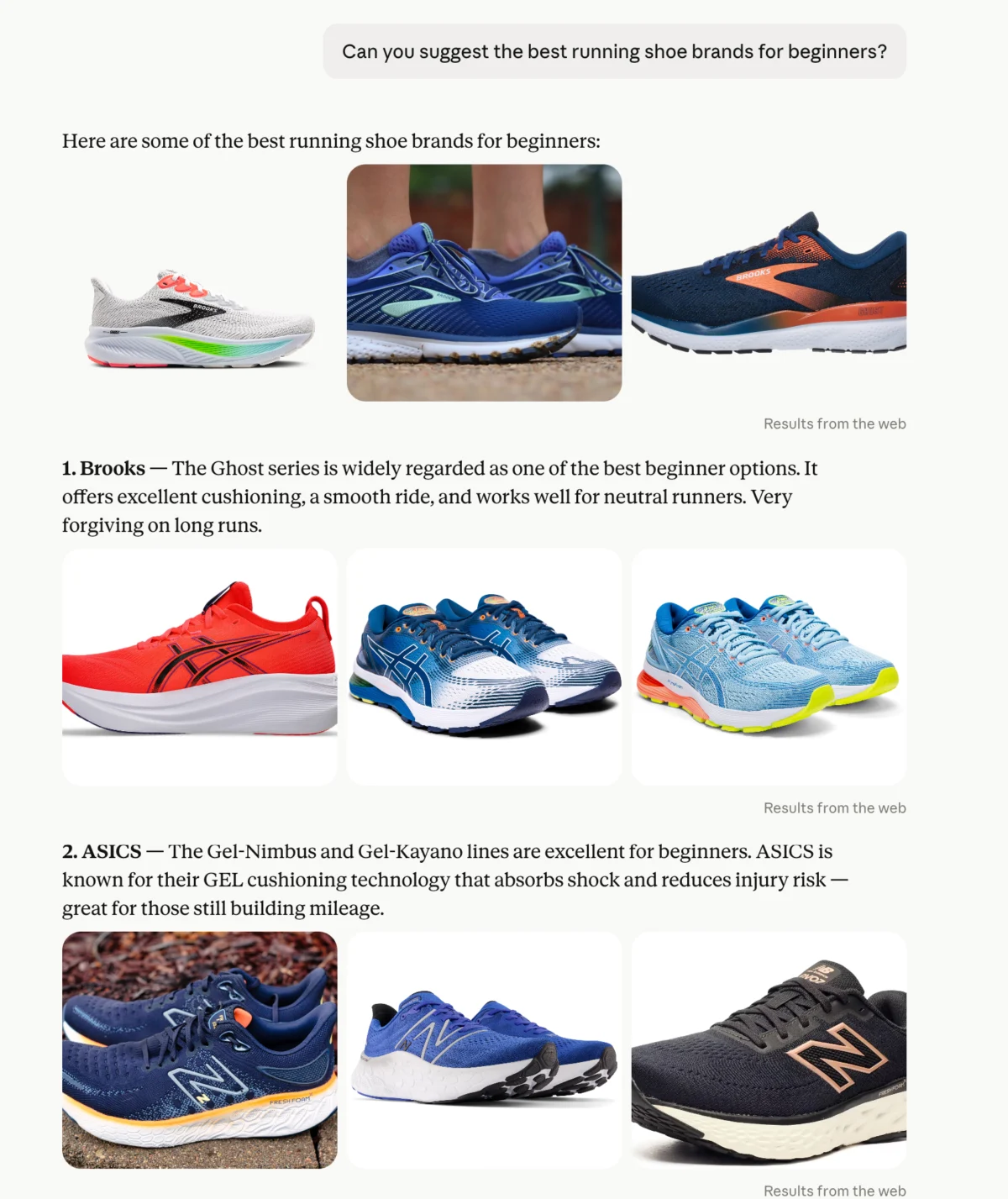
The rapidly evolving landscape of artificial intelligence, particularly the proliferation of large language models (LLMs) and AI-powered search, has introduced new paradigms for brand visibility and digital marketing. A critical distinction now facing businesses is the difference between an AI brand mention and an AI citation, each carrying unique implications for search engine optimization (SEO) and overall brand strategy. While seeing a brand name appear in an AI-generated response might initially seem like an unequivocal win, understanding the underlying mechanism—whether it’s a casual mention or a deliberate citation—is paramount for strategic planning in the burgeoning AI economy.
The Rise of AI and the Shift in Information Discovery
The advent of generative AI, spearheaded by models like OpenAI’s ChatGPT and Google’s Gemini, has fundamentally altered how users access and process information. Traditionally, SEO focused on ranking websites high in conventional search engine results pages (SERPs), driving traffic through clicks. However, as AI assistants become primary interfaces for information retrieval, users are increasingly receiving synthesized answers directly, often without needing to click through to original sources. This shift, which has rapidly accelerated over the past 18-24 months since the mainstreaming of LLMs in late 2022, necessitates a re-evaluation of established digital marketing tactics. Industry projections suggest that AI-powered search could account for a significant portion of information queries, potentially impacting traditional organic traffic by up to 25% for some sectors within the next five years, according to a recent report by marketing analytics firm, BrightEdge. This makes understanding AI visibility crucial for future-proofing brand presence.
Defining AI Brand Mentions
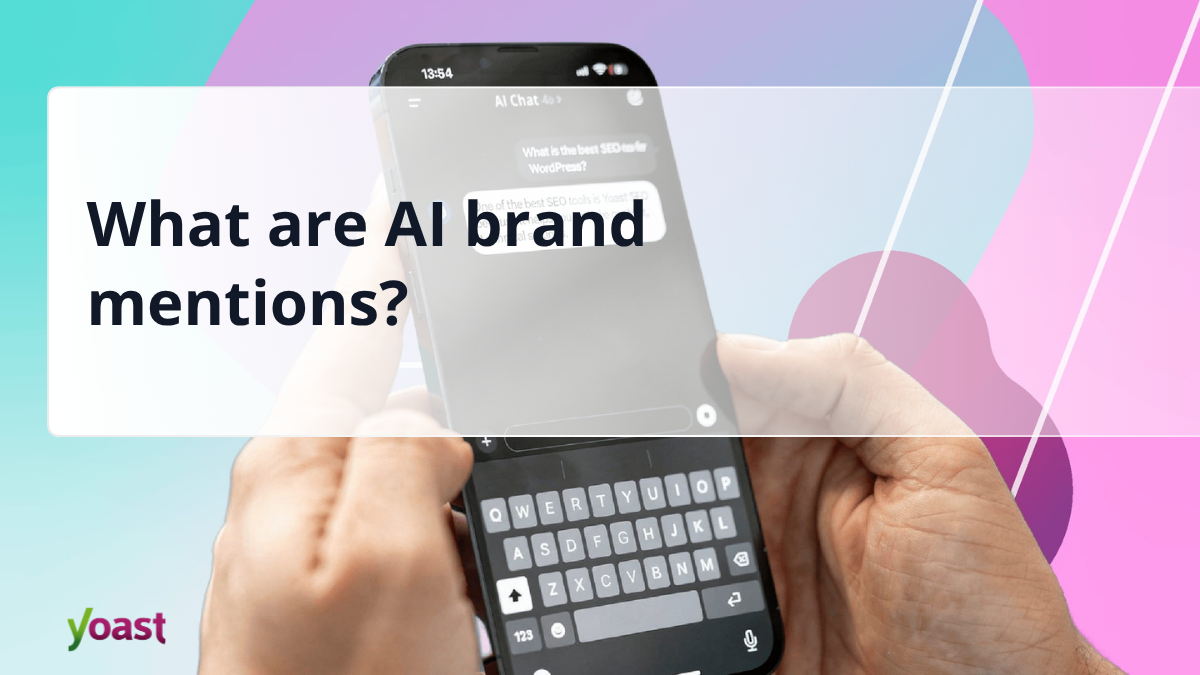
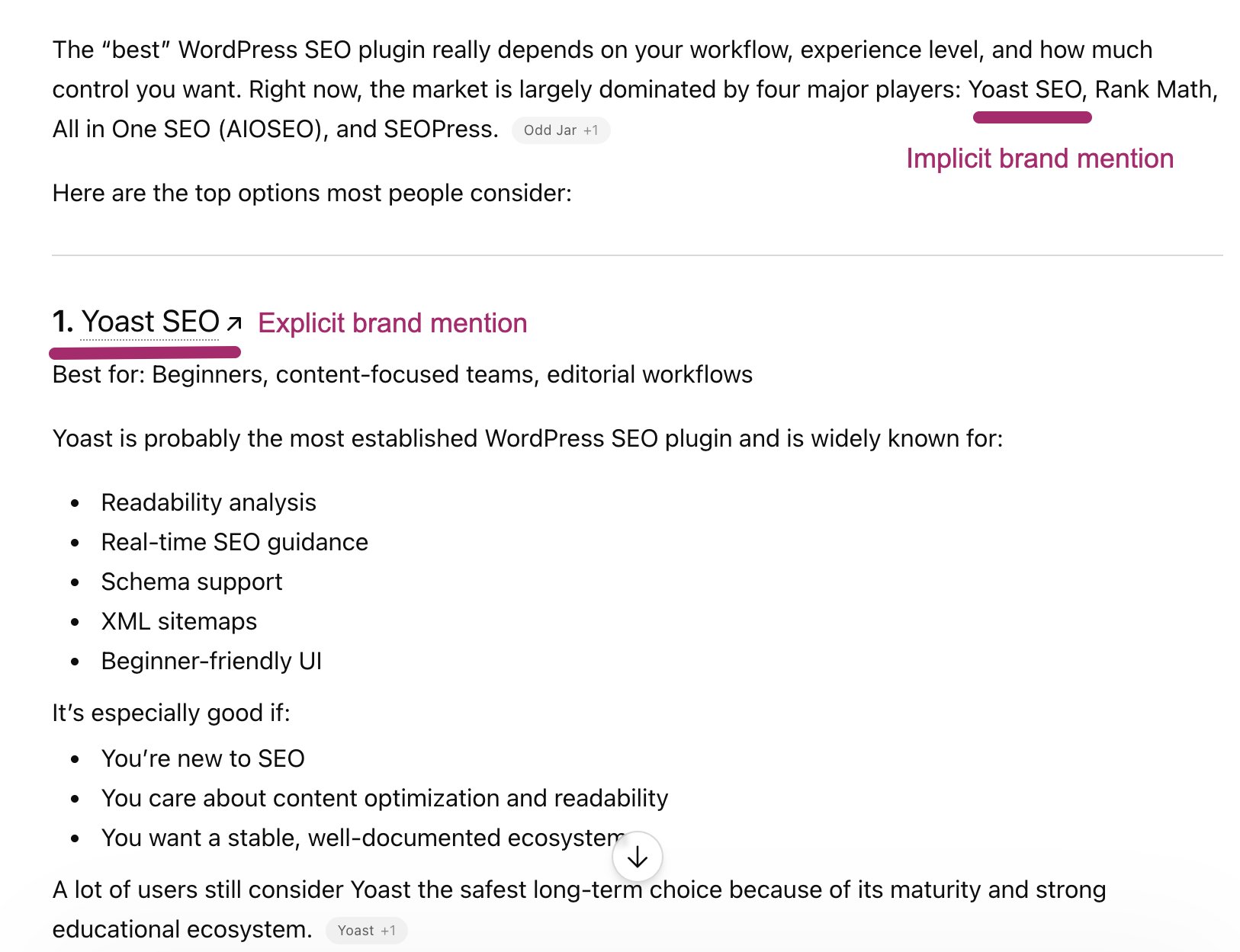
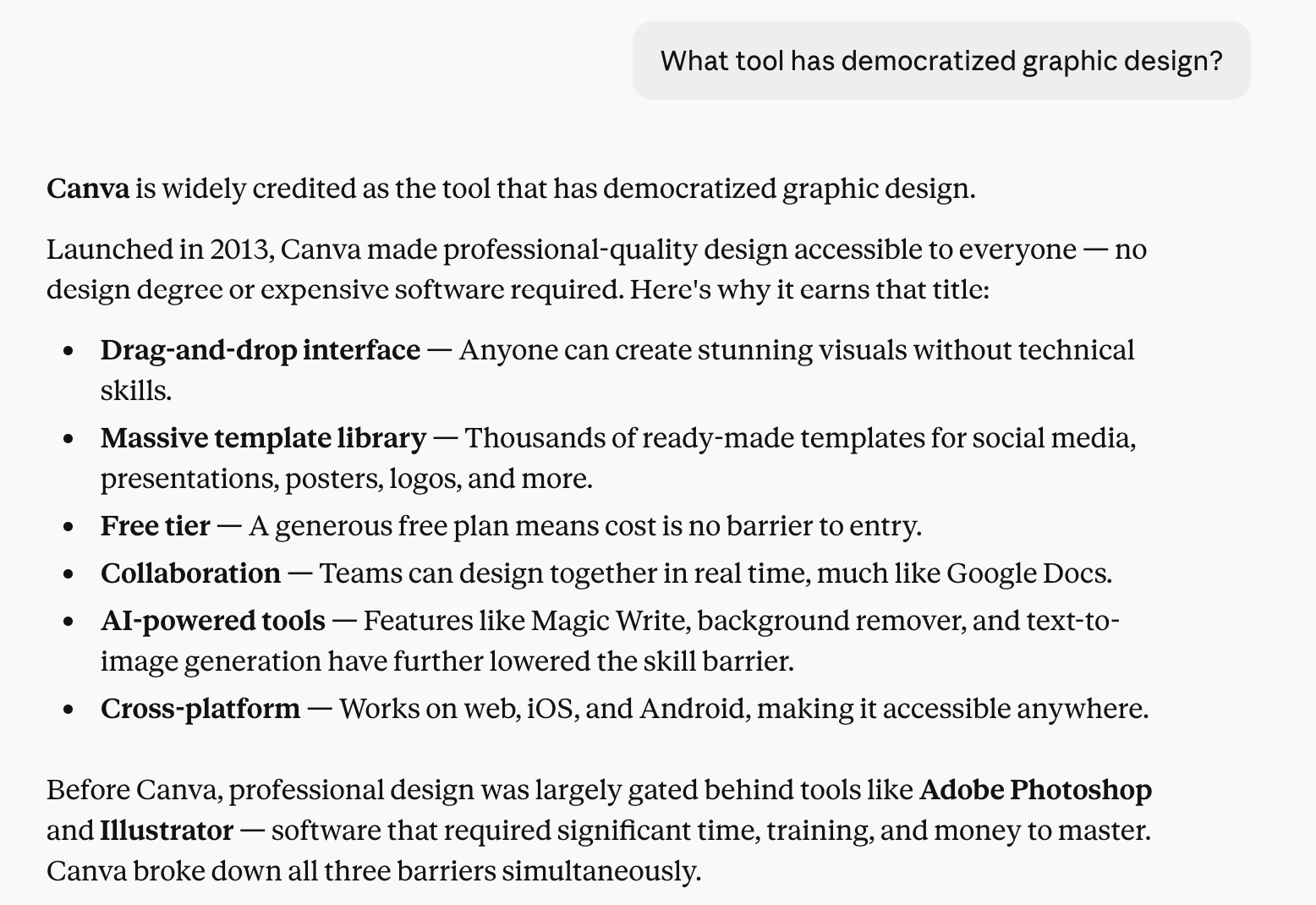
An AI brand mention occurs when an artificial intelligence tool, such as an LLM, includes a brand name within its generated response. These mentions can manifest in various forms, from direct recommendations to contextual references, and can be either linked (explicit) or unlinked (implicit). The core characteristic of a mention is the appearance of the brand name itself, signifying a degree of recognition and relevance within the AI’s knowledge base.
Common contexts for AI brand mentions include:
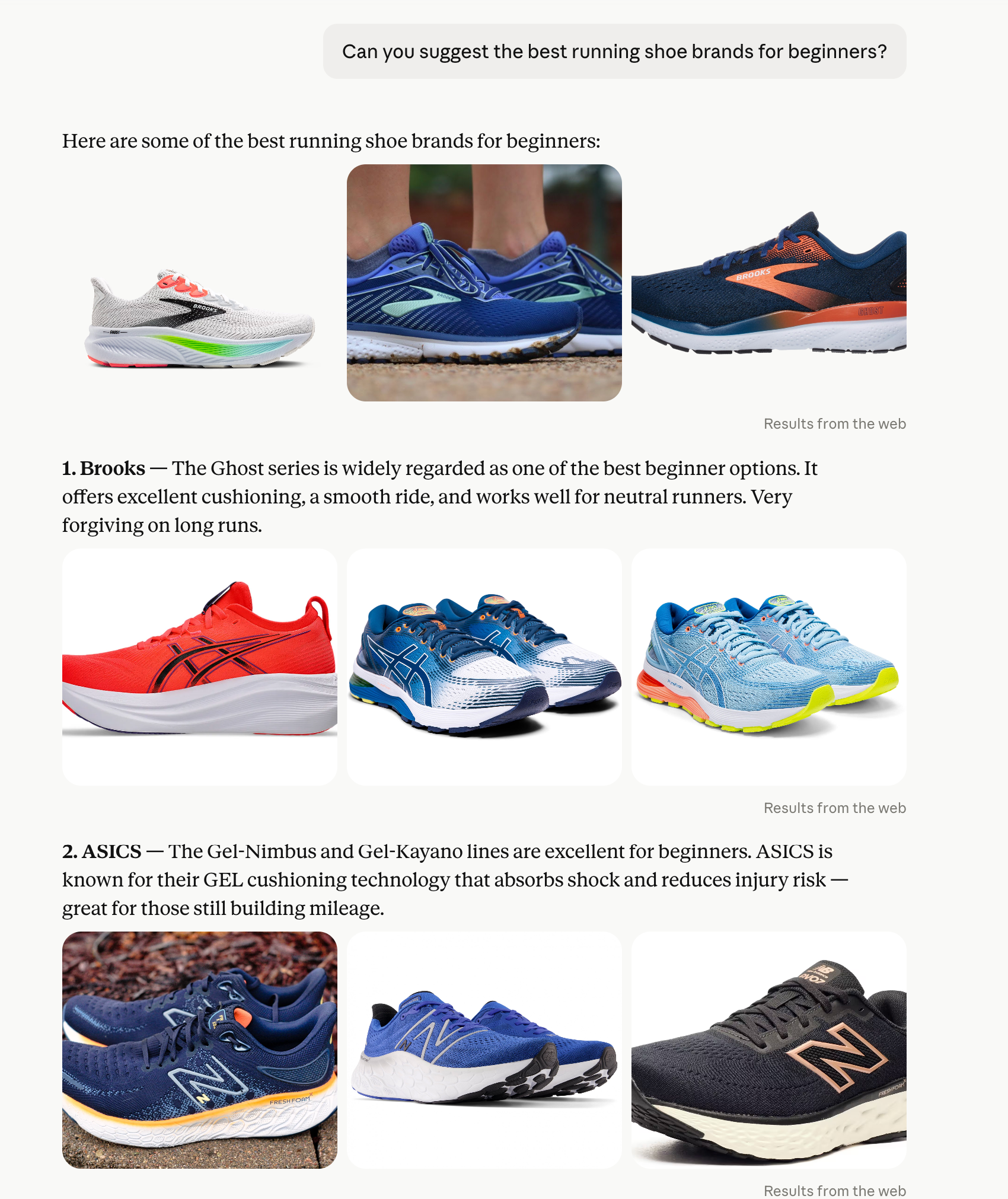
- Direct Recommendations: When a user prompts an AI for suggestions (e.g., “What are the best project management tools?”), the AI might list specific brands like “Asana,” “Monday.com,” or “Jira” as viable options. This is a powerful form of mention, placing the brand directly into the user’s consideration set.
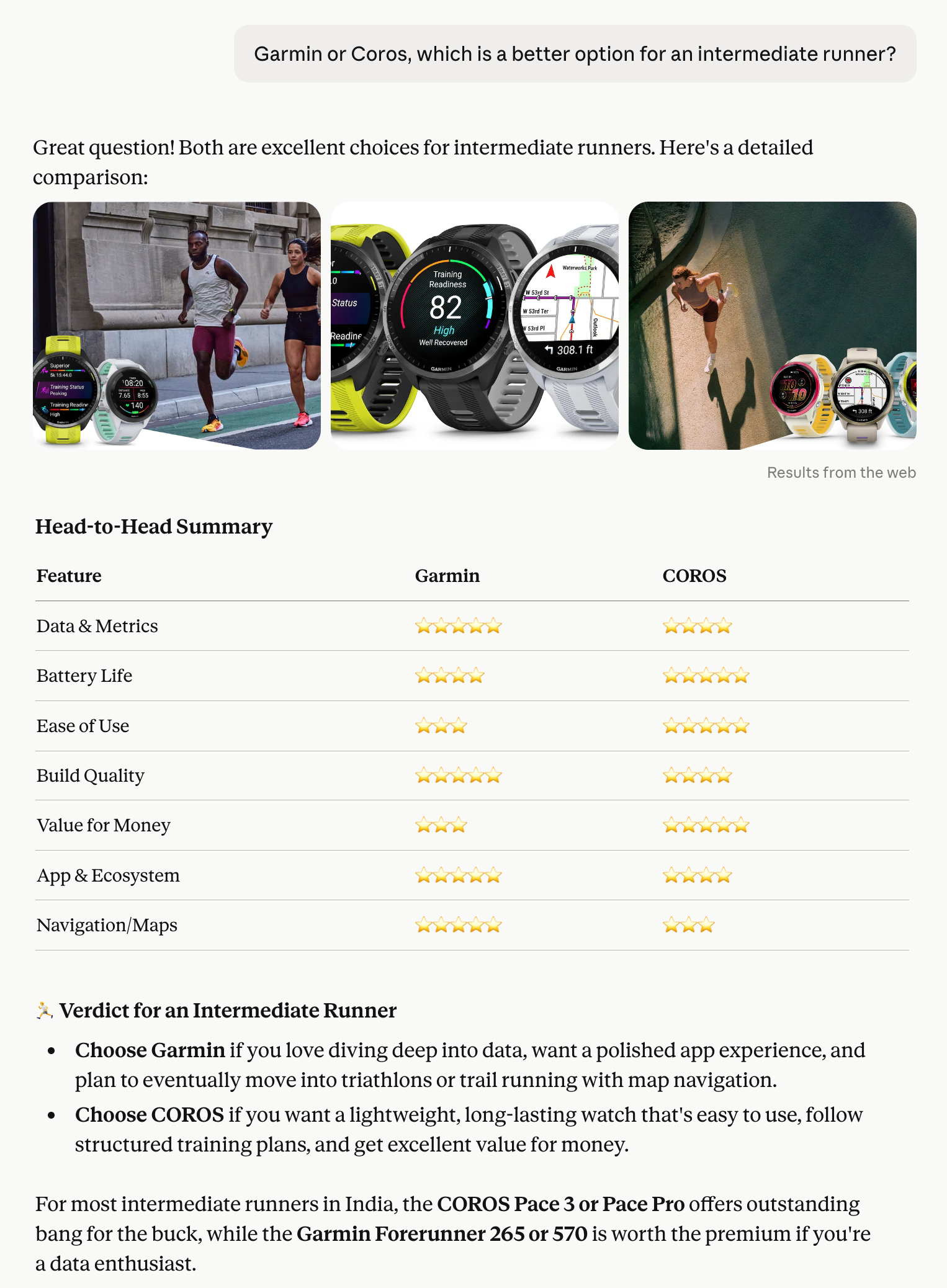
- Comparisons: AI often facilitates comparisons between products or services. For instance, a query like “Compare Adobe Photoshop and Canva” would lead to the AI mentioning both brands in an evaluative context, highlighting features, pricing, or use cases.
- Examples within Answers: To illustrate concepts or industry practices, AI might use brands as concrete examples. Explaining “e-commerce platforms” could involve mentioning “Shopify” or “WooCommerce.” These mentions serve to provide clarity and context.
- Contextual References: Brands can also appear naturally in broader discussions about an industry or topic, establishing their topical relevance. Discussing “content management systems” might lead to mentions of “WordPress” or “Drupal,” reinforcing their established position in the ecosystem.
How Large Language Models Determine Mentions
The process by which LLMs “decide” to mention a brand is complex, relying on intricate algorithms that interpret patterns, probabilities, and learned signals from vast datasets. It’s not a conscious choice but rather an outcome of multiple factors aligning within the model’s architecture.
-
Training Data Patterns: LLMs are trained on enormous datasets comprising text and code from the internet. Brands that frequently appear alongside specific topics, keywords, and use cases within this data build strong associations. The more consistently a brand is discussed in a particular context across diverse sources, the higher the probability of it being mentioned in relevant AI responses. This goes beyond mere frequency; the context of these mentions is critical. A brand mentioned consistently as a “leader in CRM software” will develop a more robust association than one only mentioned in niche, isolated discussions.
-
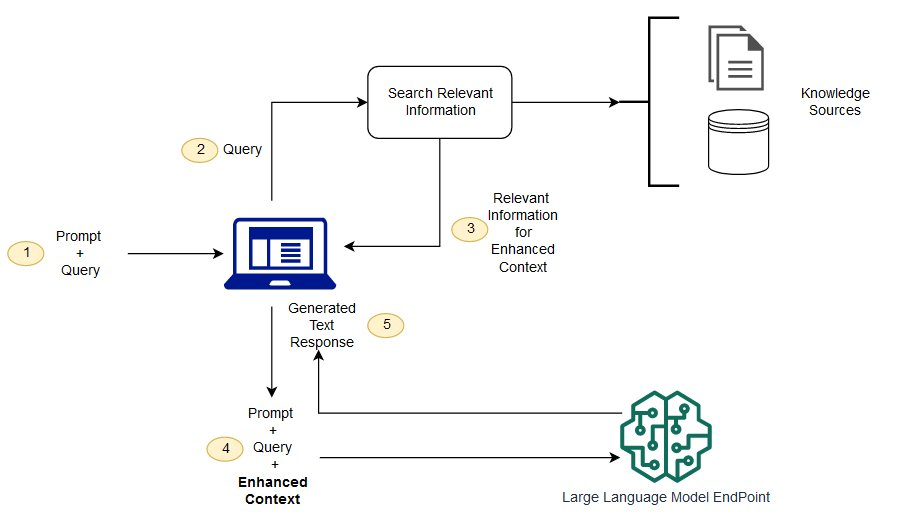
Retrieval-Augmented Generation (RAG): Many advanced AI systems leverage RAG, enabling them to go beyond their static training data. When a user submits a query, the RAG component retrieves relevant, up-to-date information from external sources (e.g., web pages, databases, news articles) in real-time. This retrieved information is then synthesized with the LLM’s existing knowledge to generate a more current and accurate response. For brands, this means that real-time web presence and content discoverability become crucial. If a brand’s content ranks well in traditional search for relevant queries, it’s more likely to be retrieved by RAG systems and subsequently mentioned by the LLM.
-
Context and Semantic Understanding: LLMs employ sophisticated Natural Language Processing (NLP) to interpret user intent rather than just matching keywords. They map queries to broader semantic concepts and surface brands that align with those meanings. A query about “collaboration tools for hybrid teams” might trigger mentions of brands associated with “remote work,” “team communication,” or “project tracking,” even if those exact phrases aren’t used in the query. Brands must therefore ensure their online presence semantically links them to a wide array of relevant concepts and use cases to maximize their discoverability.
-
Authority and Cross-Source Validation: AI systems evaluate the trustworthiness and authority of information by cross-referencing patterns across multiple sources. A brand mentioned consistently by credible, independent platforms (e.g., industry publications, reputable news outlets, academic papers) is deemed more authoritative. This “cross-source validation” is vital; if a claim or brand association appears across numerous high-authority domains, the AI’s confidence in including it in a response increases significantly. This underscores the enduring importance of public relations (PR), earned media, and third-party endorsements in the AI era.
-
Relevance to the Query: Fundamentally, an AI will only mention a brand if it is highly relevant to the user’s intent, problem, or use case. Even a highly authoritative or frequently mentioned brand will not appear if it does not directly address the query. Modern AI models parse nuances such as target audience, specific functionalities, industry applications, and pricing tiers to ensure the mentioned brands are genuinely suitable for the user’s needs. This means brands must clearly articulate their unique selling propositions and target markets across their digital footprint.
-
Sentiment and Human Feedback (RLHF): LLMs are continuously refined through Reinforcement Learning from Human Feedback (RLHF). Human evaluators assess AI responses for accuracy, helpfulness, and safety. If a brand is consistently associated with negative sentiment or unreliable information, the AI model learns to deprioritize or avoid mentioning it. Conversely, brands appearing in neutral or positive contexts across credible sources are more likely to be included. RLHF thus serves as a critical quality control layer, ensuring brand mentions align with user expectations and trust.
Strategies for Increasing AI Brand Mentions
Optimizing for AI brand mentions is a facet of what many now term “LLM SEO,” building upon foundational SEO principles.
- Create AI-Friendly Content: Develop content that is clear, concise, and structured for easy understanding and reuse by AI. This includes direct answers to common questions, well-defined terms, and structured data formats where appropriate. For example, a detailed “What is X?” page with bullet points and clear headings is more digestible for AI than dense paragraphs.
- Address Evaluative Queries Directly: Proactively create content that directly answers “best of,” “how to choose,” or “X vs. Y” type queries. Comparison pages and product reviews that position your brand effectively within its competitive landscape provide AI with clear contexts for recommendation.
- Strengthen Authority Signals: Cultivate a strong external presence through PR, earned media, and collaborations. Being featured in reputable industry reports, expert roundups, or prominent publications enhances your brand’s perceived authority and trustworthiness in the eyes of AI.
- Maintain Content Freshness: Regularly update cornerstone content, especially for rapidly evolving topics. Current data and insights signal reliability to AI systems, increasing the likelihood of retrieval by RAG components.
- Broaden Entity Clarity: Ensure consistent messaging about your brand across all digital touchpoints. Clearly define your product/service, target audience, and unique value proposition. The more consistently AI can identify “what you do,” the better it can connect your brand to relevant queries.
Understanding AI Citations
Distinct from a mere mention, an AI citation occurs when an AI system attributes a piece of information directly to a specific source, often including a link or clear reference. Citations are typically provided to support factual claims, statistical data, or unique insights, lending credibility and transparency to the AI’s response. While a response can include both a brand mention and a citation simultaneously, the citation specifically points to the source of the information, not just the appearance of a brand name.
AI Brand Mentions vs. AI Citations: A Comparative Analysis
The nuances between mentions and citations are critical for brand strategy:
| Aspect | AI Brand Mention | AI Citation |
|---|---|---|
| Definition | Brand name appears within AI response | AI attributes information to your content, often with a link |
| Format | Natural language text, no link required | URL, footnote, inline source reference, or attributed statement |
| Signal | Brand awareness, category relevance, general recognition | Authority, credibility, trustworthiness, factual backing |
| Impact | Builds mindshare, keeps brand in consideration set | Establishes expertise, can drive direct referral traffic |
| Traffic Potential | Indirect, through increased brand recall and search | Direct, via clickable links or attributed sources |
| Frequency | Generally more common across AI responses | Less common, more competitive, requires specific content |
| Appearance | Across most LLMs, even without live web access | More common in systems with retrieval or web access |
| Optimization Focus | PR, earned media, community presence, consistent branding | Creating citation-worthy content, original research, structured data |
| Example | “X is a popular project management tool.” | “According to [Your Brand’s] 2024 Industry Report…” |
The primary takeaway is that while mentions build broad recognition and contextual relevance, citations provide concrete evidence of expertise and trustworthiness. Mentions are about being known and relevant, whereas citations are about being trusted and authoritative.
Do Citations Still Matter in the AI Era?
Yes, citations unequivocally still matter, though their role has evolved. In an environment saturated with AI-generated content, the ability to trace information back to credible human-created sources is more important than ever for validating accuracy and combating misinformation. AI systems rely on citations as supporting signals to confirm credibility, validate facts, and identify reliable sources. When multiple reputable websites reference the same brand’s research or data, it significantly reinforces trust in that brand’s expertise.
While brand mentions currently carry substantial weight for immediate AI visibility and relevance, citations play a crucial long-term role in reinforcing authority and trust. Mentions help AI understand where a brand fits within a topic, but citations provide the deeper contextual signals about why that brand’s information is reliable and valuable.
Achieving Both Mentions and Citations
An optimal AI visibility strategy integrates efforts to secure both brand mentions and citations.
- Create Mention-Worthy and Citation-Worthy Content: This dual approach involves publishing content that is both highly referencable and highly credible.
- Mention-worthy content: Thought leadership, trend analysis, practical guides, opinion pieces that spark discussion and position your brand as an industry voice.
- Citation-worthy content: Original research, proprietary data, in-depth reports, expert analyses, case studies, and definitive “ultimate guides” that offer unique, verifiable insights. This type of content becomes a go-to source for factual information.
- Focus on Contextual Brand Mentions: Actively participate in and contribute to relevant online communities, industry discussions, podcasts, forums, and social media. The goal is to ensure your brand appears consistently in meaningful, context-rich conversations across the web, beyond just your own platforms.
- Build Credibility for Citations: Prioritize the E-E-A-T (Experience, Expertise, Authoritativeness, and Trustworthiness) principles. Ensure your content is produced by recognized experts, demonstrates deep understanding, and is backed by evidence. Transparently cite your own sources where applicable, and maintain a high standard of factual accuracy. Third-party endorsements and reviews also contribute significantly to perceived credibility.
Broader Impact and Implications
The distinction between AI brand mentions and citations heralds a strategic shift for businesses. Marketing and SEO teams must now expand their focus beyond traditional keyword ranking to encompass “AI discoverability.” This requires a holistic approach that integrates content strategy, public relations, technical SEO, and brand reputation management.
Businesses face the challenge of adapting to a search ecosystem where direct clicks may diminish in favor of synthesized answers. This necessitates a greater emphasis on brand building and thought leadership. If AI consistently mentions a brand as a top solution or cites its content as an authoritative source, the brand’s perceived value and trust increase, even if direct website traffic from those specific AI interactions isn’t always measurable in the same way as traditional clicks.
Moreover, the ethical implications of AI attribution are still being defined. As AI models become more sophisticated, the demand for transparent sourcing will likely grow, making citations even more crucial for maintaining user trust and avoiding potential issues related to intellectual property or misattribution. Companies that proactively build a strong foundation of both mentions and citations will be better positioned to thrive in this new era of AI-driven information discovery. Tools like advanced AI monitoring platforms are becoming indispensable for tracking brand presence across AI interfaces, offering insights into mention frequency, citation instances, and overall brand sentiment.
In conclusion, while the thrill of seeing a brand name in an AI response is understandable, a nuanced understanding of mentions versus citations is critical. By strategically optimizing for both—cultivating broad contextual relevance through mentions and establishing deep authoritative trust through citations—businesses can unlock new avenues for digital visibility and cement their position as trusted entities in the age of artificial intelligence.