rifanmuazin
The landscape of digital marketing is undergoing a fundamental transformation as the industry moves toward 2026, characterized by a widening gap between platform usage and actual profitability. According to a comprehensive survey of 1,440 marketing professionals conducted by Instapage, a significant disconnect has emerged: while 87% of advertisers continue to rely on the “duopoly” of Google and Meta Ads, only 44% identify Google as their top-performing channel, and a mere 25% say the same for Facebook. This discrepancy suggests that while these platforms remain the foundation of digital reach, the efficiency of the capital deployed on them is under unprecedented pressure.

The Economic Shift: Rising Costs and the Conversion Crisis
The primary challenge facing advertisers in the mid-2020s is a dual-front economic squeeze. First, the cost of acquisition is rising globally. Industry data indicates that the average cost per lead (CPL) climbed from $66.69 in 2024 to $70.11 in 2025, with projections suggesting further increases as competition for premium digital real estate intensifies. Second, the technical efficiency of the “post-click” experience has become a critical point of failure.
Research into consumer behavior confirms that mobile users are increasingly intolerant of latency. A landing page that takes four seconds to load is now considered a significant liability; statistics show that even a one-second delay in page load time can reduce conversion rates by up to 20%. For many brands, this means they are paying a premium for high-intent clicks only to lose the prospect before the page fully renders. The focus for 2026 is shifting away from simply “winning the click” and toward “securing the conversion.”
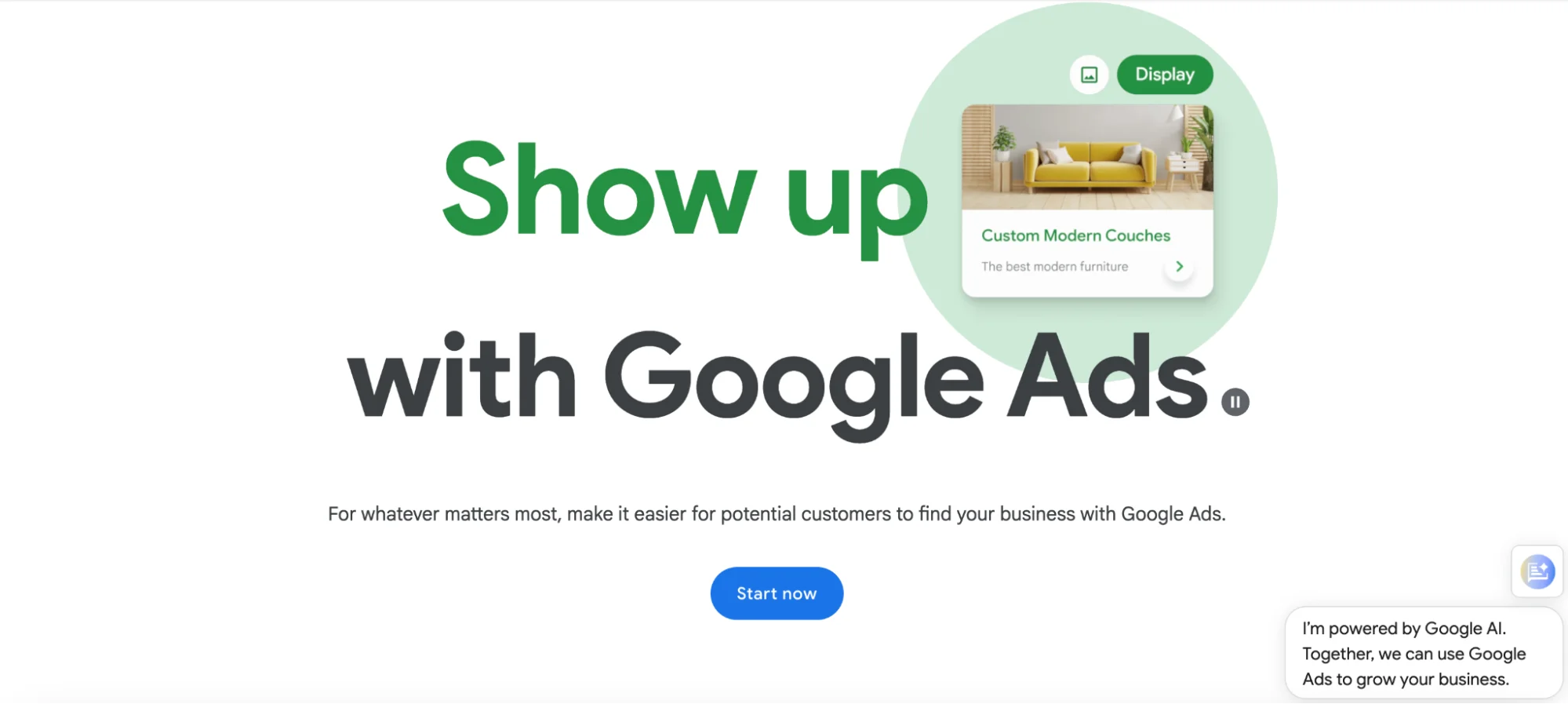
The Evolution of Search: Google and Microsoft Advertising
Despite the entry of new competitors, search advertising remains the highest-intent channel available to marketers. Google Ads continues to dominate the market, providing access to over 90% of global search traffic. Its ecosystem—comprising Search, Display, YouTube, and Performance Max—allows for a full-funnel approach. However, the platform’s complexity has grown, and the “Quality Score” metric has become more influential than ever. This score, which evaluates the relevance of an ad to its destination landing page, directly dictates the cost per click (CPC) and ad positioning.
Simultaneously, Microsoft Advertising (formerly Bing Ads) has emerged as a high-value alternative. While Bing holds less than 10% of the global search market share, it often delivers CPCs that are 30% to 50% lower than Google’s for identical keywords. This platform is particularly effective for B2B marketers and those targeting an older, more affluent demographic that utilizes default Windows browser settings. The ability to import campaigns directly from Google Ads to Microsoft has lowered the barrier to entry, allowing brands to diversify their search spend with minimal overhead.
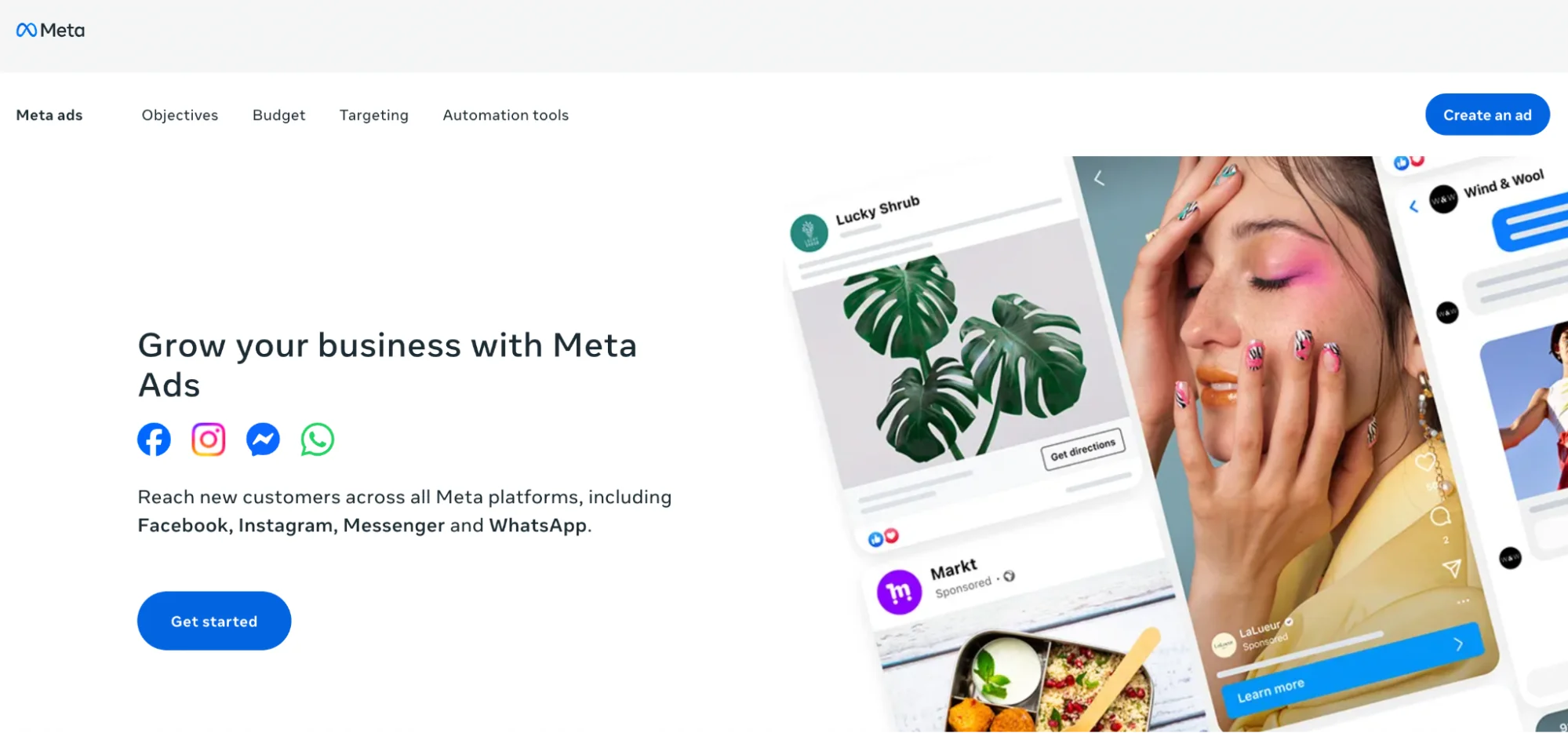
Social Advertising: The Meta Legacy and the TikTok Surge
Meta Ads, encompassing Facebook and Instagram, remains the gold standard for audience targeting based on demographics and interests. However, the platform has had to pivot significantly following the privacy changes introduced by Apple’s iOS App Tracking Transparency (ATT). Meta’s response has been the introduction of “Advantage+” automation, which utilizes artificial intelligence to identify audiences when traditional pixel tracking falls short. While 80% of marketers use Instagram, the survey results indicate a lower satisfaction rate for top performance, suggesting that visual-first platforms require higher creative investments to remain profitable.
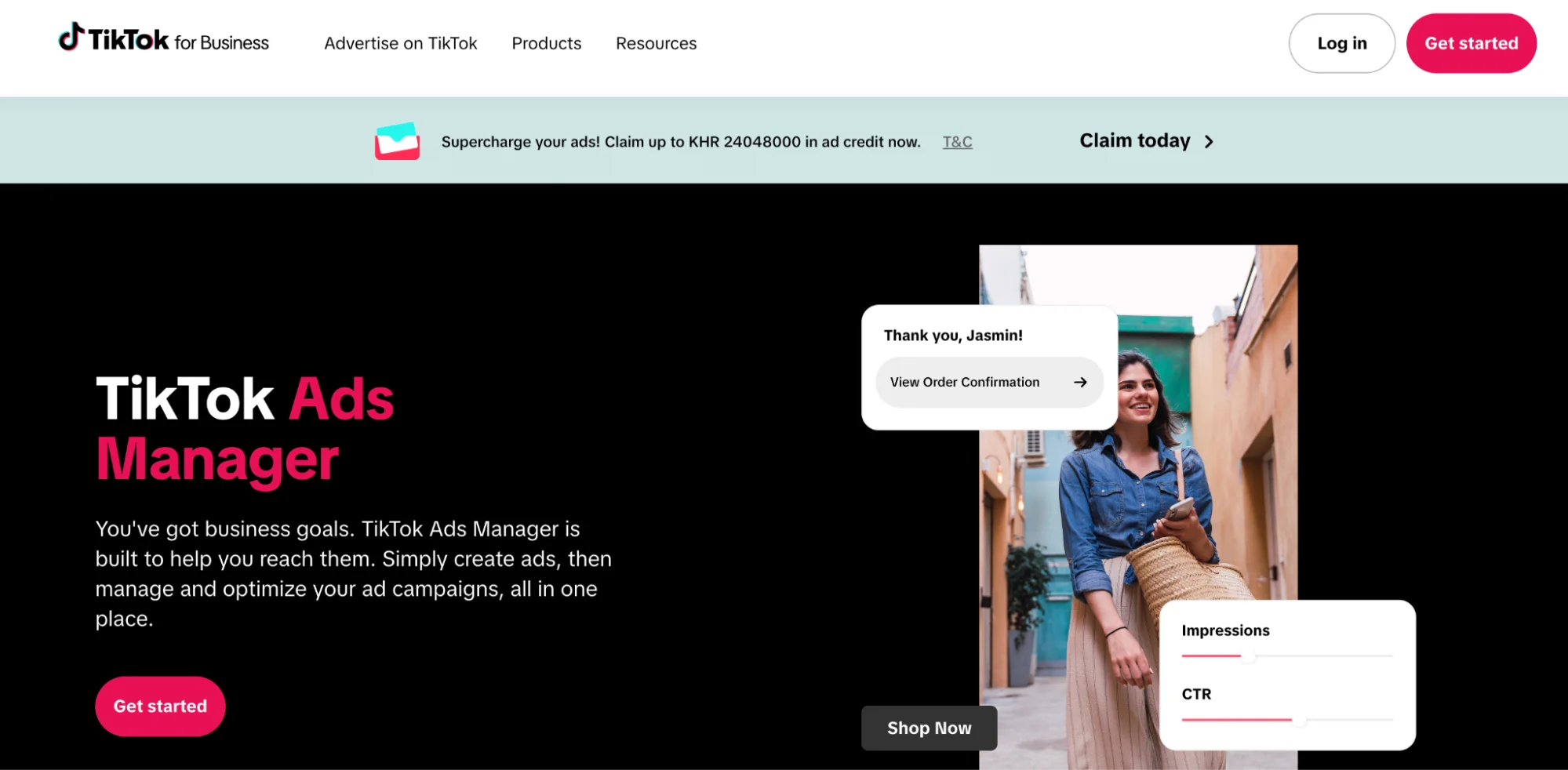
The fastest-growing contender in this space is TikTok. The survey found that 25% of marketers plan to adopt TikTok advertising in the immediate future. TikTok’s algorithm, which prioritizes engagement over follower counts, offers a unique “organic-plus-paid” synergy. For brands targeting Gen Z and Millennials, the platform has become essential. However, the journalistic consensus among marketing analysts is that TikTok requires a “native-first” creative strategy. Traditional, highly produced television-style commercials typically underperform compared to content that mirrors the raw, authentic aesthetic of the platform’s user-generated content.
The Rise of Niche and Retail Media
As the open web becomes more fragmented, advertisers are turning toward specialized platforms:
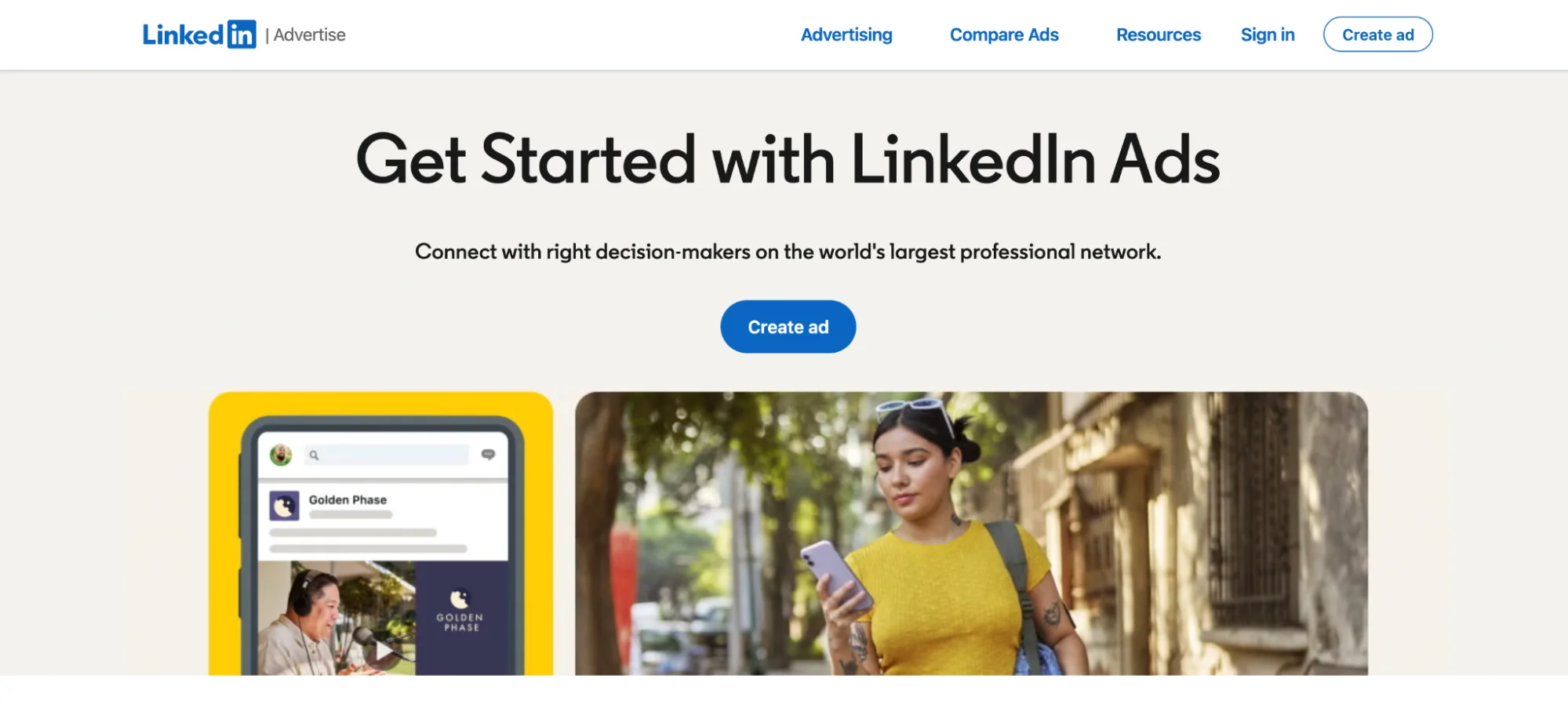
- LinkedIn Ads: For B2B lead generation, LinkedIn remains unparalleled. Its ability to target users by job title, company size, and industry seniority justifies its higher CPC. In 2026, LinkedIn is expected to remain the primary vehicle for high-ticket professional services and enterprise software.
- Pinterest Ads: This platform serves a unique “planning” intent. Users visit Pinterest to curate ideas for weddings, home renovations, and fashion. This discovery-oriented mindset allows brands to capture consumers early in the buyer’s journey, often resulting in a longer content lifespan compared to the ephemeral nature of a Facebook feed.
- Amazon Ads: Retail media is the third wave of digital advertising. Amazon reported that advertisers often see 34% more sales growth within the first month of launching sponsored product campaigns. By reaching shoppers at the very bottom of the funnel, Amazon has bypassed the “intent” gap that plagues social media.
Privacy, Regulation, and the First-Party Data Mandate
The regulatory environment of 2026 is defined by the end of the “third-party cookie” era. Google Chrome’s long-delayed phase-out of tracking cookies, combined with existing restrictions in Safari and Firefox, has forced a shift toward first-party data.
Compliance with the General Data Protection Regulation (GDPR) in Europe and the California Consumer Privacy Act (CCPA) in the United States is no longer optional but a core component of ad tech infrastructure. Advertisers are now required to implement robust Consent Management Platforms (CMPs). Marketing analysts suggest that the most successful brands in 2026 will be those that build their own data moats—using newsletters, gated content, and loyalty programs to collect email addresses and behavioral data directly from their customers. This data is then fed back into ad platforms via Conversion APIs (CAPIs) to maintain targeting accuracy in a cookieless world.
The Post-Click Optimization Framework
The broader implication of these rising costs and privacy hurdles is that the “landing page” has become the most important variable in the ROAS (Return on Ad Spend) equation. The “message mismatch” phenomenon—where an ad promises one thing and the landing page delivers another—is cited as a leading cause of budget waste.
To combat this, enterprise teams are adopting a three-pillar strategy:
- Dedicated Landing Pages: Moving away from sending paid traffic to a generic homepage. A homepage is designed for navigation; a landing page is designed for a single action.
- Personalization: Using dynamic text replacement to ensure the headline on the landing page exactly matches the keyword the user searched for.
- Continuous Experimentation: Implementing A/B testing as a standard operating procedure. By testing different calls to action (CTAs), layouts, and social proof, brands can incrementally lower their cost per acquisition even if the platform CPC remains high.
Chronology of Digital Advertising Milestones (2024–2026)
- Early 2024: Average CPL recorded at $66.69; industry begins preparing for the “death of the cookie.”
- Late 2024: Meta and Google accelerate AI-driven campaign types (Performance Max and Advantage+) to compensate for data loss.
- Mid-2025: CPL rises to $70.11; TikTok reaches a critical mass of B2B and older demographic users.
- 2026 Outlook: Digital ad spend is projected to become 100% reliant on first-party data and server-side tracking. Conversion optimization tools become as standard as the ad platforms themselves.
Conclusion and Strategic Outlook
As we look toward the remainder of 2026, the “best” advertising platform is no longer a static choice but a dynamic decision based on specific goals. High-intent sales will continue to favor Google and Amazon, while brand discovery will live on TikTok and Meta. However, the common thread across all channels is the necessity of a seamless post-click experience.
The marketers who will thrive in this environment are those who view advertising not just as a way to buy traffic, but as a holistic journey from the first impression to the final confirmation page. With costs rising and privacy regulations tightening, the margin for error has disappeared. The winning strategy for 2026 is clear: diversify the platform mix, prioritize first-party data, and optimize the post-click experience with the same rigor previously reserved for the ads themselves.