rifanmuazin
The increasing reliance on Google Ads’ Smart Bidding strategies, particularly for YouTube campaigns, necessitates a deeper understanding of its intricacies and optimal implementation for success. While familiarizing oneself with the available options is a foundational step, the true key to unlocking campaign potential lies in strategic setup and thoughtful execution. This article delves into the nuances of YouTube Smart Bidding, offering actionable insights for advertisers aiming to maximize their return on investment.
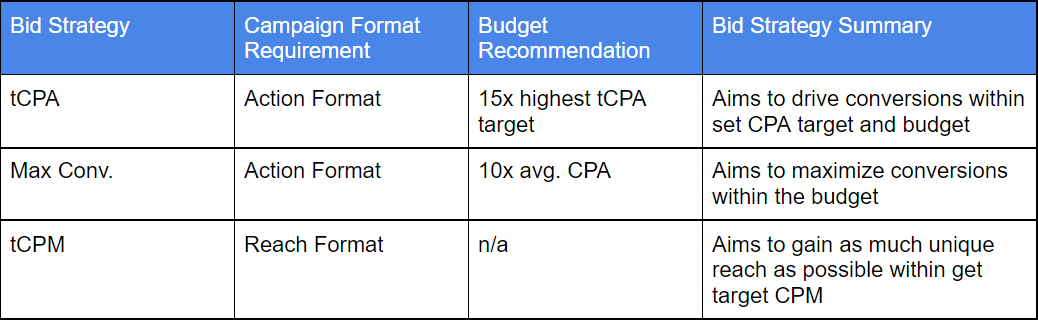
At its core, Smart Bidding is an automated bidding strategy that uses machine learning to optimize for conversions or conversion value in every auction. For YouTube campaigns, this powerful tool is primarily available for “Action Format” campaigns, such as Video Action Campaigns (VACs), which are designed to drive specific user actions like sales, leads, or sign-ups. These campaigns leverage tCPA (Target Cost Per Acquisition) and Max Conv. (Maximize Conversions) bidding strategies to achieve these goals. However, there is also a valuable option for “Reach Formats,” including bumper ads, when the primary objective is to build brand awareness, demonstrating the versatility of Smart Bidding across diverse campaign objectives.
Understanding the core Smart Bidding options available on YouTube is crucial. These strategies are built to adapt in real-time, analyzing a vast array of signals – from device and browser to demographics and time of day – to predict the likelihood of a conversion. By automating this complex decision-making process, advertisers can focus on higher-level strategy and creative development, leaving the granular optimization to Google’s algorithms.

The efficacy of Smart Bidding is intrinsically linked to the synergy between bids and budgets. Google Ads generally recommends setting daily budgets that are between 10 to 15 times the desired Cost Per Acquisition (CPA) when utilizing tCPA. For instance, if an advertiser aims for a $85 CPA on a tCPA campaign, the recommended daily budget would be at least $1,275 to provide the algorithm with sufficient data and flexibility to find conversions at the target cost. Similarly, for a Maximize Conversions strategy, the budget should be at least $850 in this scenario. While these figures might initially appear substantial, experience has repeatedly shown that adhering to these budget-to-bid ratios is often essential for enabling campaigns to gather the necessary data and achieve optimal performance.
A strategic recommendation for advertisers new to Smart Bidding on YouTube is to commence with the Maximize Conversions strategy. This approach allows the campaign to establish a baseline CPA by focusing on acquiring as many conversions as possible within the allocated budget, without a specific cost target. Once a stable CPA is achieved and the campaign has entered a period of predictable performance, advertisers can then consider transitioning to the tCPA strategy. This phased approach ensures that the algorithm has a solid foundation of data to work with, increasing the likelihood of success when a specific cost target is introduced.
To illustrate the impact of budget adjustments on Smart Bidding performance, consider a mini case study. A campaign operating on a tCPA strategy was flagged as “Limited By Budget” (LBB). This status indicates that the campaign’s budget is restricting its ability to gather more data and achieve its full potential. The initial bid-to-budget ratio was approximately 10 times the current CPA. Following a strategic decision to increase the budget to 15 times the current CPA, the campaign experienced significant improvements. After accounting for the initial two-week learning period inherent in many Smart Bidding strategies, the advertiser observed both substantial growth in conversions and enhanced efficiency, demonstrating the direct correlation between adequate budgeting and algorithmic performance.
This case study underscores a critical principle: Smart Bidding strategies, while automated, are not magic bullets. They require adequate fuel in the form of budget to operate effectively. When a campaign is “Limited By Budget,” it means the algorithm is encountering opportunities to bid on auctions that could lead to conversions, but it cannot do so because the daily budget has been exhausted. This constraint prevents the algorithm from learning and optimizing further, thereby hindering its ability to meet or exceed campaign goals. By increasing the budget, advertisers empower the algorithm to explore a wider range of targeting and bidding opportunities, leading to more data collection and ultimately, improved results.

Beyond bid and budget considerations, several other factors play a role in optimizing YouTube Smart Bidding campaigns. One crucial aspect is the quality and relevance of the ad creatives. High-performing video ads are essential for capturing viewer attention and driving engagement, which in turn fuels the Smart Bidding algorithm. Compelling calls to action, clear value propositions, and audience-specific messaging are paramount. Poorly performing creatives can lead to low click-through rates and engagement, providing the algorithm with suboptimal data to learn from.
Audience targeting is another cornerstone of successful Smart Bidding. While Smart Bidding automates bid adjustments, the initial audience selection remains a critical human element. Advertisers must leverage Google Ads’ robust audience solutions, including custom intent, in-market, and affinity audiences, as well as detailed demographic targeting, to ensure their ads are reaching the most relevant viewers. Combining precise audience segmentation with Smart Bidding can create a powerful synergy, driving highly qualified traffic that is more likely to convert.
Furthermore, the conversion tracking setup must be accurate and comprehensive. For Smart Bidding to optimize effectively, it needs reliable data on what constitutes a conversion. This means ensuring that conversion actions are correctly implemented in Google Ads and that they accurately reflect the desired outcomes, whether it’s a purchase, a lead submission, or a sign-up. Inaccurate or incomplete conversion tracking can lead the algorithm to optimize for the wrong actions, resulting in wasted ad spend.
The learning period for Smart Bidding strategies, typically lasting around two weeks, is a vital phase. During this time, the algorithm gathers data, analyzes performance, and begins to establish patterns. It’s crucial for advertisers to avoid making significant changes to campaign settings, creatives, or targeting during this period, as this can disrupt the learning process and reset the algorithm’s progress. Patience and consistent monitoring are key to allowing Smart Bidding to reach its full potential.
The broader implications of effectively leveraging YouTube Smart Bidding extend beyond individual campaign performance. For businesses, it can translate into more efficient customer acquisition, a higher return on ad spend, and a deeper understanding of their target audience. As video content continues to dominate the digital landscape, mastering platforms like YouTube becomes increasingly important for brand visibility and growth. Smart Bidding provides a powerful, data-driven approach to navigating this complex environment.
In conclusion, while the landscape of digital advertising is constantly evolving, the principles of strategic planning, data-driven optimization, and continuous learning remain constant. YouTube’s Smart Bidding strategies offer advertisers a sophisticated toolset to achieve their marketing objectives. By understanding the available options, adhering to recommended bid-to-budget ratios, carefully selecting creatives and audiences, and ensuring accurate conversion tracking, businesses can unlock the full potential of their YouTube ad campaigns, driving meaningful results in an increasingly competitive digital marketplace. For those seeking further guidance on navigating the complexities of YouTube Smart Bidding and optimizing their campaigns for peak performance, engaging with experienced digital marketing professionals can provide invaluable expertise and tailored strategies.