rifanmuazin
The digital marketing landscape in 2026 has reached a critical inflection point where the distinction between a “polished” professional presence and a cluttered interface can determine the success or failure of multi-million dollar advertising campaigns. As consumer attention spans continue to fragment, the “landing page”—a standalone web page created specifically for a marketing or advertising campaign—has evolved into the most vital tool for converting traffic into tangible leads and revenue. Recent industry benchmarks indicate that while a standard homepage serves as a general hub, a specialized landing page with a single, clear call to action (CTA) can outperform general site navigation by a significant margin.

The Strategic Framework of Conversion-Centered Design
The fundamental principle of modern conversion-centered design (CCD) rests on the belief that a professional landing page is the primary driver of conversion rates. Conversely, a disorganized or “messy” page actively detracts from brand trust. Marketing experts Luke Bailey, Colin Loughran, and Paul Park of Unbounce have identified a set of “magical x-factors” that separate exceptional marketers from the rest of the field. These include the psychological use of color, the strategic placement of social proof, and the elimination of “exit points” that lead visitors away from the intended goal.
Supporting data suggests that implementing video elements on landing pages can increase conversion rates by as much as 86%. Furthermore, the speed of implementation has become a competitive advantage; the shift toward drag-and-drop builders has allowed firms to bypass traditional development bottlenecks, enabling the creation of high-performing pages in minutes rather than weeks.
Industry Benchmarks: SaaS and Subscription Models
The Software-as-a-Service (SaaS) sector continues to lead the way in landing page innovation. Analysis of industry giants reveals a trend toward extreme simplification and value-driven messaging.

Netflix and the Power of Minimalism
Netflix, which currently maintains a global subscriber base exceeding 300 million, utilizes a minimalist landing page strategy. By focusing on a singular value proposition—unlimited movies and TV shows starting at a low price point—the company eliminates cognitive load for the user. The success of this approach is evidenced by the company’s ability to dominate the streaming market while maintaining one of the lowest churn rates in the industry.

LinkedIn and Targeted Professional Services
LinkedIn Premium’s landing page serves as a primary example of benefit-oriented design. By targeting job seekers with specific promises of standing out in a crowded market, the page addresses the user’s direct pain points. The strategy moves beyond features to focus on outcomes, a hallmark of professional-grade copywriting in 2026.

Spotify and Audio Streaming Dominance
Spotify’s landing page strategy relies heavily on universal brand recognition. Because the platform’s service is well-understood, the company avoids lengthy descriptions. Instead, the page immediately launches into the core desire of the user: streaming audio. This “low-friction” entry point is designed to convert visitors into listeners within seconds.

E-commerce and the Experience Economy
In the e-commerce sector, the focus has shifted from simply displaying products to selling an “experience” or a “lifestyle.”

Wellness and Health: Calm and Goby
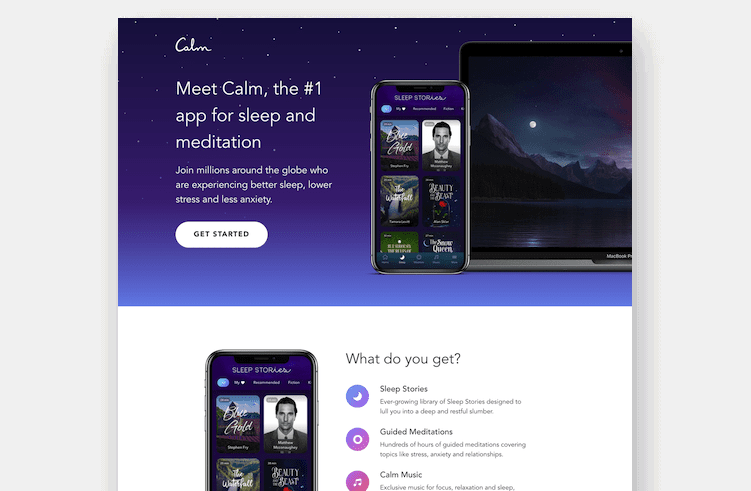
The health and wellness sector, led by apps like Calm and hardware companies like Goby, utilizes tranquility and aesthetic perfection to drive sales. Calm’s landing page encourages immediate engagement through a calming interface, while Goby uses award-winning design and money-back guarantees to build trust in the dentistry space. These pages often boast conversion rates far above the industry average of 3-5%, with some niche wellness brands reporting rates as high as 39%.

Apparel and Furniture: Western Rise and Branch Furniture
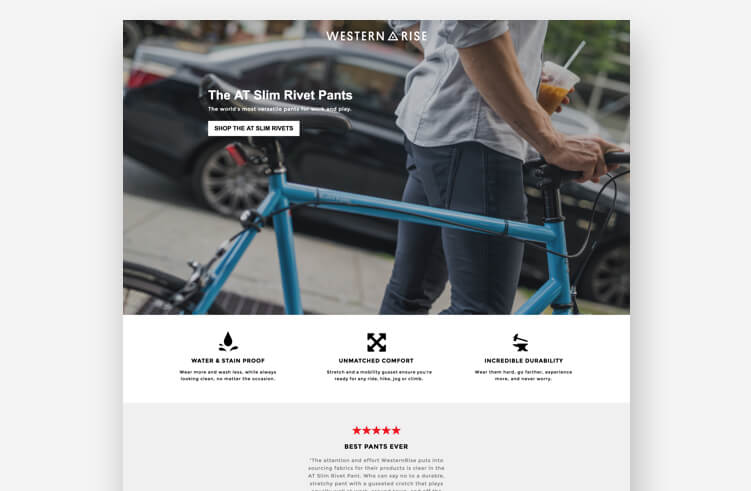
Western Rise and Branch Furniture demonstrate the importance of high-resolution visuals and benefit-driven copy. For Western Rise, the use of “elevated” terminology and sharp visuals establishes the product as a premium necessity. Branch Furniture addresses the logistical “pain” of office management by promising fast design, shipping, and installation, effectively solving a complex business problem through a simple digital interface.

The Rise of Niche Service and Social Commerce
As the service economy expands, specialized platforms for pet care, real estate, and food delivery are refining their lead generation tactics.

Pet Services: Rover and Jet Pet
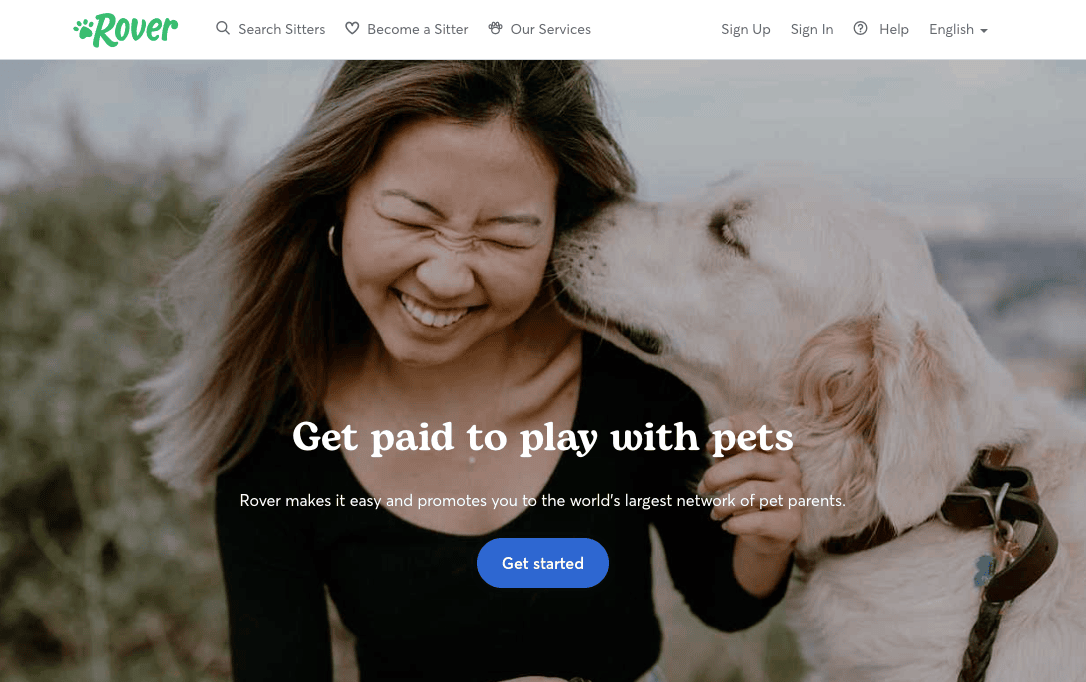
The “humanization of pets” trend has led to a surge in high-quality pet service landing pages. Rover’s driver-signup page is a masterclass in benefit-driven design for the gig economy, while Jet Pet uses localized landing pages to target specific geographic regions—a strategy that has proven essential for brick-and-mortar services looking to capture local search traffic.

Real Estate and Finance: Sundae and Panda7
In high-stakes industries like real estate and insurance, trust is the primary currency. Sundae’s landing page simplifies the complex process of selling dated or damaged property, while Panda7 (developed by the agency Webistry) streamlines the car insurance quote process. Both examples show that reducing the number of steps to a “quote” or “offer” is the most effective way to prevent lead abandonment.
Chronology of Landing Page Evolution (2000–2026)
To understand the current state of the art, one must look at the timeline of digital conversion:
- 2000–2010: The Era of Information. Early landing pages were often long-form sales letters, heavy on text and light on design, following the “direct response” print model.
- 2010–2018: The Rise of Flat Design. With the advent of mobile browsing, pages became cleaner, utilizing “flat” icons and responsive grids. The focus shifted to page load speed.
- 2018–2023: Personalization and Video. Marketers began using dynamic text replacement to match landing page headlines to specific ad keywords. Video backgrounds became a standard for high-end brands.
- 2024–2026: AI Integration and Social Commerce. Modern pages now feature AI-generated copy and layout optimizations. Social commerce platforms like Snackpass have integrated viral social elements directly into the conversion funnel, targeting Gen Z and Gen Alpha demographics through TikTok and Instagram-centric aesthetics.
Technical Analysis of High-Performing Elements
A deep dive into the “40 Best Examples” reveals several recurring technical elements that contribute to high conversion rates:
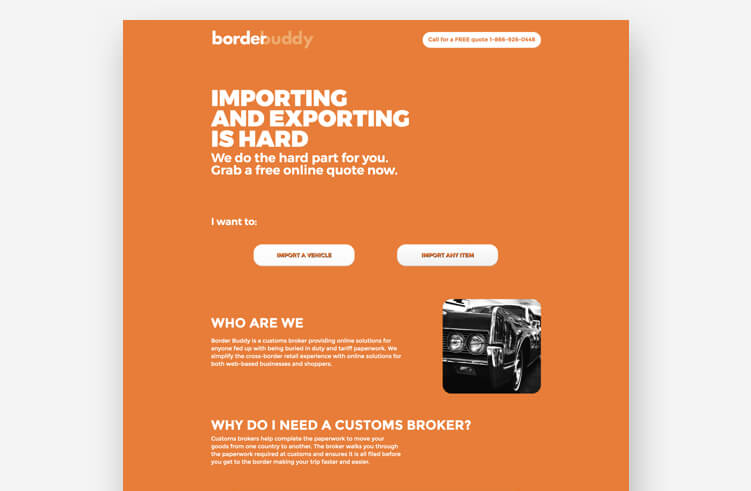
- Above the Fold Clarity: The most successful pages place their primary value statement and CTA in the initial viewable area. This ensures that the 50% of visitors who do not scroll still receive the core message.
- Message Match: Matching the headline of the landing page to the text of the referring ad or email reduces “bounce” by confirming to the user that they have landed in the right place.
- Friction Reduction: Short forms and “one-click” social logins (as seen on Netflix and Spotify) are essential. Every additional form field can decrease conversion rates by an average of 10%.
- Social Proof: Authentic testimonials, “as seen on” media logos, and real-time user activity notifications build the “herd mentality” necessary for trust.
Official Perspectives and Expert Analysis
Industry analysts suggest that the democratization of design tools has leveled the playing field. Luke Bailey, a senior writer at Unbounce, notes that most of the top-performing pages in 2026 began as simple templates. “The ‘Michael Jordan’ of landing pages isn’t born; they are built through iterative testing,” Bailey stated.
The consensus among digital strategists is that A/B testing—the process of comparing two versions of a page to see which performs better—is no longer optional. It is the only scientific method to determine what resonates with a specific target audience. Colin Loughran, a content specialist, emphasizes that “descriptive grammar and clear value propositions” are the bedrock of the profession, even in an era of flashy AI visuals.

Broader Impact and Future Implications
The implications of these landing page strategies extend beyond individual company profits. As the digital economy becomes more efficient, the cost of customer acquisition (CAC) is increasingly tied to the quality of the landing page experience. Companies that fail to optimize their conversion funnels will find themselves priced out of the competitive PPC (Pay-Per-Click) and social advertising markets.
Looking forward to the late 2020s, the industry expects a move toward “hyper-personalization,” where landing pages will dynamically alter their imagery and tone based on the user’s previous browsing history and demographic profile. For now, the “starting principle” remains unchanged: a polished, professional landing page is the single most effective way to improve conversion rates and grow a business in an increasingly digital world.

The takeaway for modern marketers is clear: no page is ever truly finished. The best landing pages are living documents, constantly refined by data, tested against new ideas, and designed with a singular focus on the user’s journey from “click” to “customer.”