rifanmuazin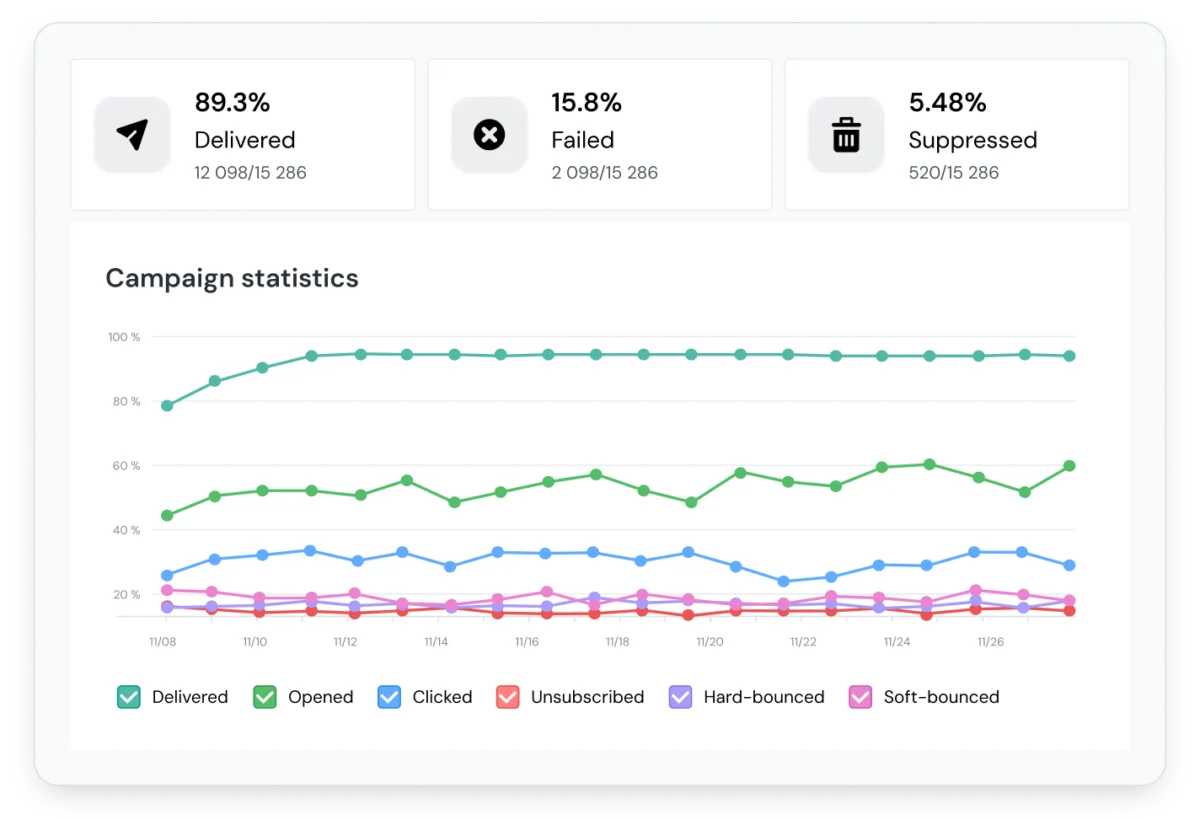
The perpetual quest for email marketers centers on a critical question: what is the unequivocally best time to dispatch a newsletter? This seemingly simple query underpins the success of entire digital marketing strategies, directly influencing crucial metrics such as open rates and click-through rates (CTR). In an increasingly crowded digital landscape, where attention is a scarce commodity, the timing of an email campaign can be as vital as its content, subject line, or call-to-action. This detailed analysis delves into the multifaceted factors that determine optimal email send times, drawing on extensive research and industry best practices to provide a strategic roadmap for enhanced email engagement.
The Science of Send Times: Beyond Simplistic Advice
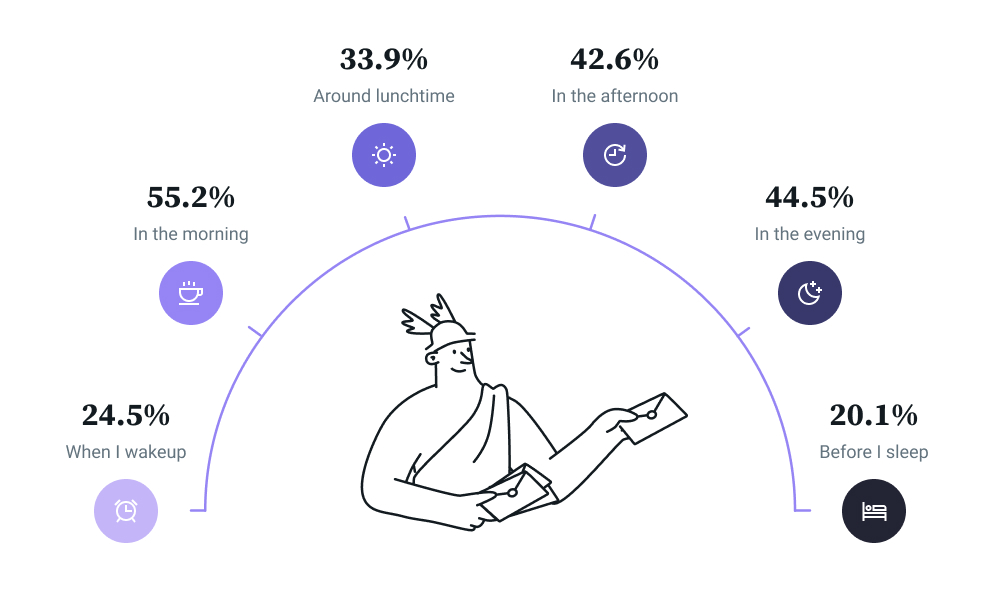
While many sources frequently recommend a blanket sending window between 9 AM and 12 PM, this advice, while a useful starting point, often oversimplifies the complex dynamics of user behavior. The reality is far more nuanced. Research, including insights from the Mailjet Email Engagement Report, reveals that a significant 63.3% of users interact with their personal inboxes multiple times throughout the day. This constant checking, however, does not automatically translate into active engagement. A user might glance at their inbox during a commute, but lack the time or context to fully absorb or act upon a marketing email. Therefore, identifying moments when recipients not only check their email but also possess the capacity and inclination to engage is paramount.
The strategic imperative is to align send times with periods of peak receptivity. This requires a deeper understanding of audience routines, digital habits, and even psychological states throughout the day. For instance, early mornings might catch users clearing their inboxes before the workday begins, while late mornings could coincide with a coffee break. Afternoons might offer a window when professional tasks wind down, and evenings could be ideal for more leisure-oriented content. The art lies in moving beyond generic recommendations to data-backed decisions tailored to specific audiences and campaign objectives.

Global Engagement Patterns: A UTC-Based Perspective
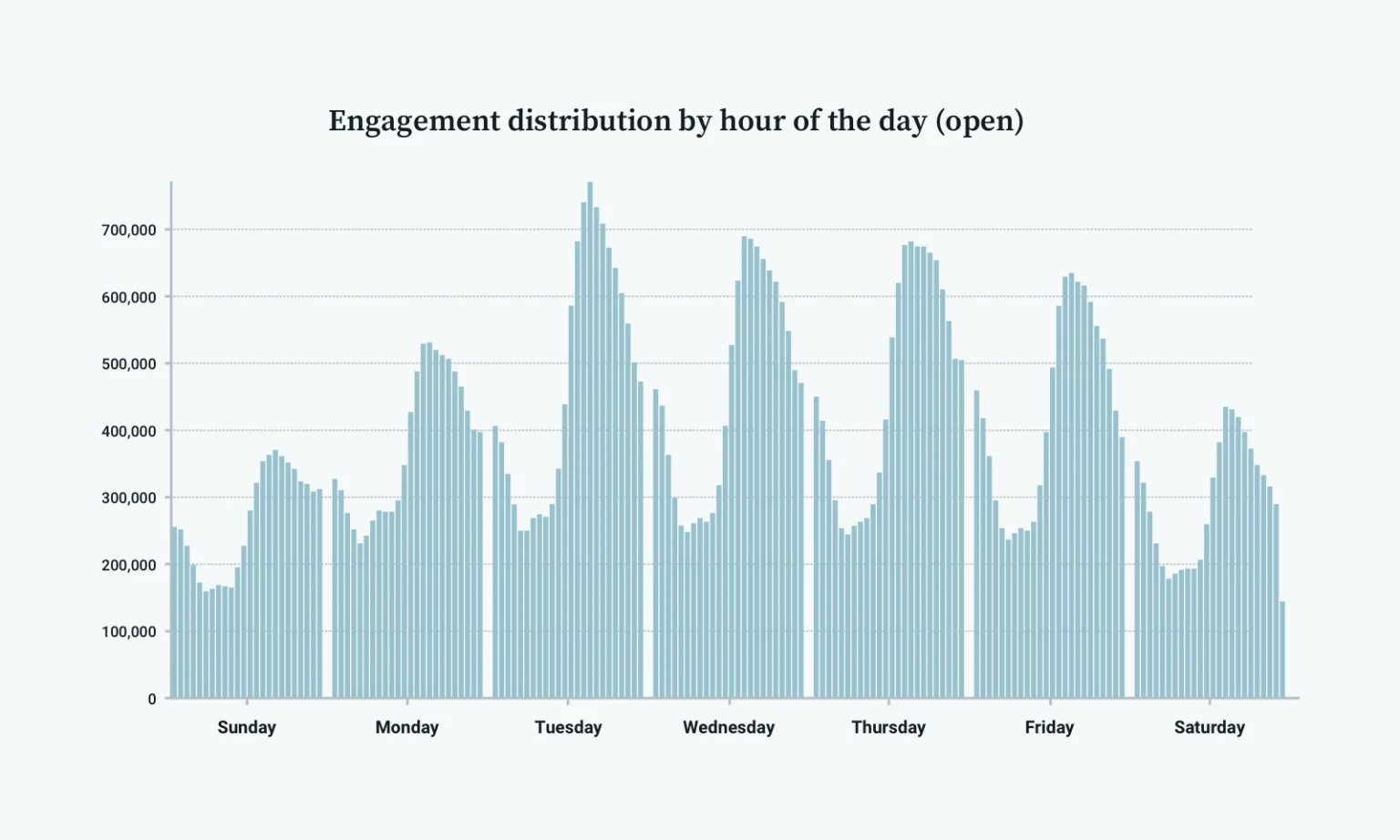
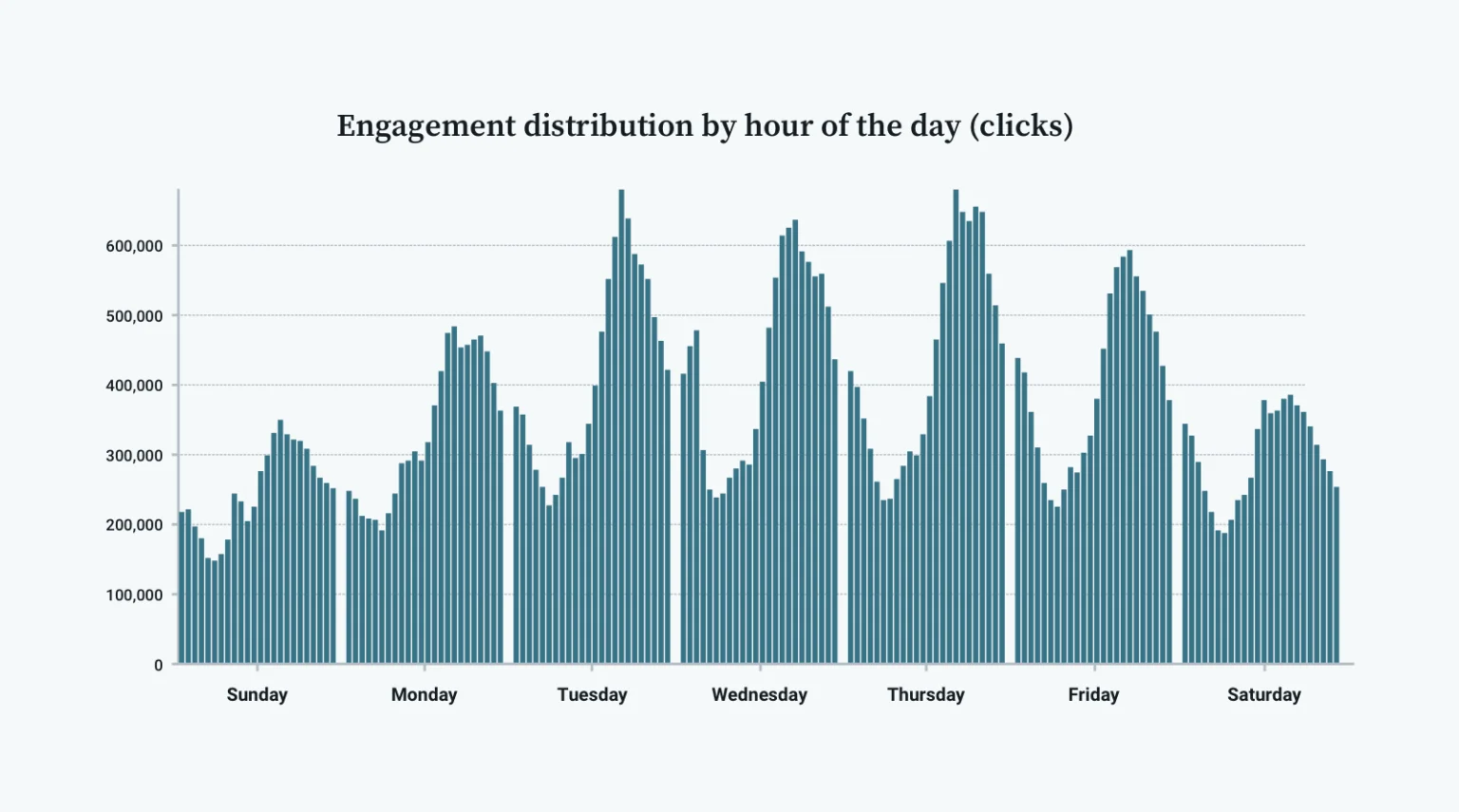
To provide more definitive, data-driven guidance, extensive studies have been conducted on email engagement across vast datasets. Sinch Mailgun, leveraging billions of emails sent by its customers, performed a comprehensive analysis to pinpoint optimal times for email interaction. This research, examining engagement hour by hour, identified a global peak around 15:00 Coordinated Universal Time (UTC) for click-to-open ratios. This signifies a period where emails are not only opened but also actively clicked, indicating a higher level of engagement and potential conversion.
It is crucial for marketers to accurately convert this UTC benchmark to their target audience’s local time zones. For example, during summer months, 15:00 UTC translates to 11 AM Eastern Standard Time (EST), a popular and often recommended sending hour within the North American market. Conversely, for a European audience, 15:00 UTC might correspond to 4 PM or 5 PM Central European Time, suggesting a late-afternoon window. The global nature of digital marketing necessitates this precise time zone conversion, as a campaign sent at 11 AM EST might reach an audience in Sydney, Australia, in the middle of the night, rendering it largely ineffective. This highlights the critical role of geographic segmentation in maximizing campaign performance.
Geographic Variations: Tailoring to Cultural Habits
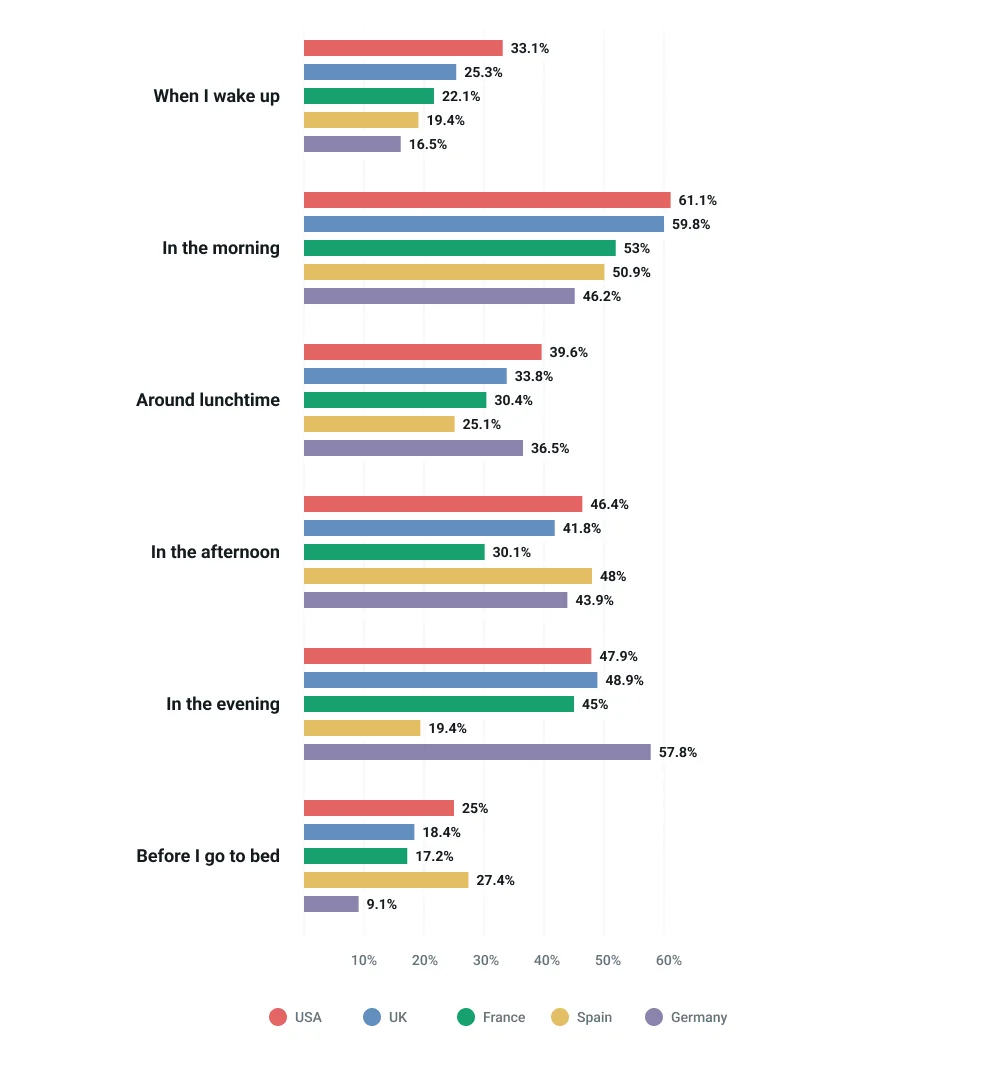
Beyond mere time zone differences, cultural and national habits significantly influence email engagement. The Mailjet Email Engagement Report underscores these fundamental disparities. For instance, German customers show a strong propensity to open emails in the early evening, with 57.8% engaging during this period. In stark contrast, only 19.4% of Spanish recipients open emails at the same time. Conversely, a substantial 27.4% of Spanish participants reported checking emails in the late evening before bed, a window that captures only 9.1% of German attention.
These findings underscore a vital principle: a universal sending strategy is inherently flawed. Marketers must invest in robust audience segmentation, not just by demographics or purchase history, but by geographical location and the associated cultural norms around digital communication. Understanding when different nationalities and cultures are most receptive to marketing messages allows for localized sending schedules that dramatically improve relevance and impact. Ignoring these variations risks delivering messages at times when they are least likely to be seen or acted upon, effectively diminishing the return on investment for email campaigns targeting diverse international audiences.
Weekly Dynamics: Navigating the Calendar for Optimal Reach
The day of the week is another pivotal factor in email campaign success, often dictating the competitive landscape of the inbox. General industry consensus, bolstered by the Sinch Mailgun study, points to the middle of the week—specifically Tuesdays through Thursdays—as yielding the highest open rates and click-through rates. Tuesdays and Thursdays often exhibit slightly superior engagement, with Wednesday remaining a very strong contender. This mid-week preference can be attributed to several factors: Monday is often consumed by catching up on weekend emails and planning the week, while Friday attention typically wanes as individuals transition into weekend mode.
However, marketers employing a twice-weekly sending schedule within this optimal window should exercise caution. Sending on consecutive days, such as Tuesday and Wednesday, or Wednesday and Thursday, risks overwhelming subscribers, potentially leading to lower engagement for the second email or even unsubscribes. A more strategic approach might involve spacing out campaigns, for example, sending on Tuesdays and Thursdays.
Conversely, some marketers explore less competitive days, like Friday afternoons, to stand out in a less crowded inbox. While Fridays traditionally show lower engagement than mid-week, the Mailjet research indicates that Friday actually outperforms Monday in both open and click-through rates. Mondays are often characterized by inbox fatigue and the mental burden of starting a new work week, making recipients less receptive to marketing messages. Weekends, particularly Saturdays and Sundays, consistently rank as the worst days for email engagement. During these times, people are typically engaged in leisure, social activities, or errands, making marketing emails a low priority. The exception to this rule might be highly relevant, lighthearted content designed for weekend consumption, such as travel deals or recreational activity suggestions.
B2B vs. B2C: Divergent Engagement Ecosystems
The distinction between Business-to-Business (B2B) and Business-to-Consumer (B2C) email marketing is paramount, as professional and personal email habits differ significantly. Users interact with work inboxes with a different mindset and at different times compared to their personal accounts. B2B recipients are typically most active during standard business hours, Monday to Friday, often checking emails in bursts around meeting schedules or project deadlines. B2C recipients, on the other hand, might engage with emails more sporadically throughout the day, including evenings and weekends, depending on the nature of the content and their personal schedules.
To accurately determine the best send times, marketers must ask crucial questions:
- Who is your target audience? (e.g., busy professionals, stay-at-home parents, students)
- What type of content are you sending? (e.g., industry news, promotional offers, lifestyle tips)
- What is the objective of the email? (e.g., lead generation, direct sales, brand awareness)
- What industry are you in? (e.g., SaaS, retail, healthcare, media)
These questions help define marketing personas, which are invaluable for understanding how specific subscriber segments engage with emails. A detailed understanding of these personas—their daily routines, pain points, and preferred communication channels—enables the creation of highly targeted sending schedules. For instance, a B2B SaaS company might find success sending educational content on Tuesday mornings when professionals are settled into their work week, whereas a B2C fashion retailer might see better results with promotional offers sent on Friday evenings, anticipating weekend shopping. The core takeaway is that optimal times for B2C and B2B emails are often distinct, necessitating tailored strategies derived from customer insights and rigorous testing.
The Criticality of Timing: Why Every Minute Counts
Even the most compelling email content, crafted with powerful copy, an irresistible subject line, and clear calls-to-action, can fail to achieve its potential if delivered at the wrong moment. The email inbox is a fiercely competitive arena, where visibility is fleeting. Emails that appear at the top of the inbox generally garner significantly more attention and engagement than those buried beneath a deluge of later arrivals. This phenomenon underscores why sending time is not merely a tactical consideration but a strategic imperative in planning key email marketing campaigns.
Sending campaigns at the optimal time can yield a cascade of benefits, directly impacting the overall effectiveness and return on investment of email marketing efforts:
- Improved Open Rates: Emails land when recipients are most likely to check and open them.
- Higher Click-Through Rates (CTR): Engagement extends beyond opening to active interaction with content.
- Enhanced Conversion Rates: Timely delivery increases the likelihood of desired actions, such as purchases or sign-ups.
- Stronger Brand Presence: Consistent and well-timed communication builds anticipation and strengthens brand recall.
- Reduced Unsubscribe Rates: Relevant and timely emails are less likely to be perceived as intrusive.
- Better Sender Reputation: High engagement signals positive user experience to internet service providers (ISPs), improving future deliverability.
The profound impact of timing is succinctly captured by research indicating that 86.4% of respondents cite “having time to read an email” as a critical factor in their decision to open it. This statistic highlights that the best email is one that meets the recipient not just where they are, but when they are ready to engage. By understanding customer behavior, habits, and geographical time zones, marketers can strategically position their messages to be seen first and acted upon during these crucial windows of opportunity.
Mastering Your Schedule: Data-Driven Determination
While generalized data provides a valuable starting point, the ultimate “best time” is unique to each business, its specific audience, and the nature of its email content. Fortunately, marketers already possess a rich reservoir of data within their email service provider’s (ESP) analytics dashboard. This treasure trove of information can reveal precise engagement patterns. By analyzing past campaigns, marketers can identify days and hours with the highest open and click-through rates for their specific subscriber list. This granular, first-party data is often the most accurate predictor of future performance.
However, reliance on past data alone is not sufficient; continuous experimentation is key. Rigorous A/B testing is the scientific method applied to email marketing. For instance, to determine the peak time for a weekly newsletter, a marketer could run a three-week test: sending the newsletter at 10 AM in the first week, 1 PM in the second, and 9 PM in the third. Alternatively, a single campaign could be split, sending to half the list in the morning and the other half in the afternoon, then comparing the results. This iterative process of hypothesis formulation, testing, and analysis allows for continuous refinement of sending schedules.
Moreover, while consistency in sending schedule builds trust and anticipation among subscribers, flexibility is also crucial. During holidays, special events, or significant industry shifts, marketers should not hesitate to deviate from their regular schedule. Prioritizing higher open rates and engagement over strict adherence to a calendar can significantly boost campaign performance during these atypical periods. The goal is always to maximize the chances of the message being seen and acted upon, even if it means adjusting the standard routine.
Tools for Precision: How Modern Platforms Empower Marketers
The complexities of optimizing email send times are significantly simplified by modern email marketing platforms. Services like Mailjet offer a suite of features designed to empower marketers in their quest for perfect timing. With intuitive Email Editors and responsive templates, marketers can efficiently create engaging newsletters. Crucially, integrated tools such as Segmentation, A/B Testing, Campaign Comparison, and Email Statistics provide the analytical backbone necessary for data-driven decision-making.
Segmentation allows marketers to divide their audience into distinct groups based on demographics, behavior, geography, or time zone, enabling tailored sending schedules for each segment. A/B testing capabilities facilitate systematic experimentation with different send times and days. Campaign Comparison offers a clear view of performance trends over time, helping to identify successful patterns. And robust Email Statistics dashboards provide real-time insights into open rates, CTRs, and other critical engagement metrics, allowing marketers to quickly assess the impact of their timing adjustments. These sophisticated tools transform the challenge of finding the “best time” into a manageable, data-driven process, ensuring that email campaigns are not only well-crafted but also perfectly timed for maximum impact.
In conclusion, there is no universal “best time” to send email campaigns. The optimal schedule is a dynamic variable influenced by the type of business, the characteristics of its customers, the nature and volume of emails sent, and the specific campaign objectives. However, by embracing a data-driven approach—leveraging comprehensive research, understanding audience behavior, segmenting effectively, and continuously A/B testing—marketers can unlock significantly higher engagement, conversion rates, and overall return on investment for their email marketing efforts. The continuous pursuit of this optimized timing is an ongoing process of learning and adaptation, critical for maintaining relevance and effectiveness in the ever-evolving digital communication landscape.