rifanmuazin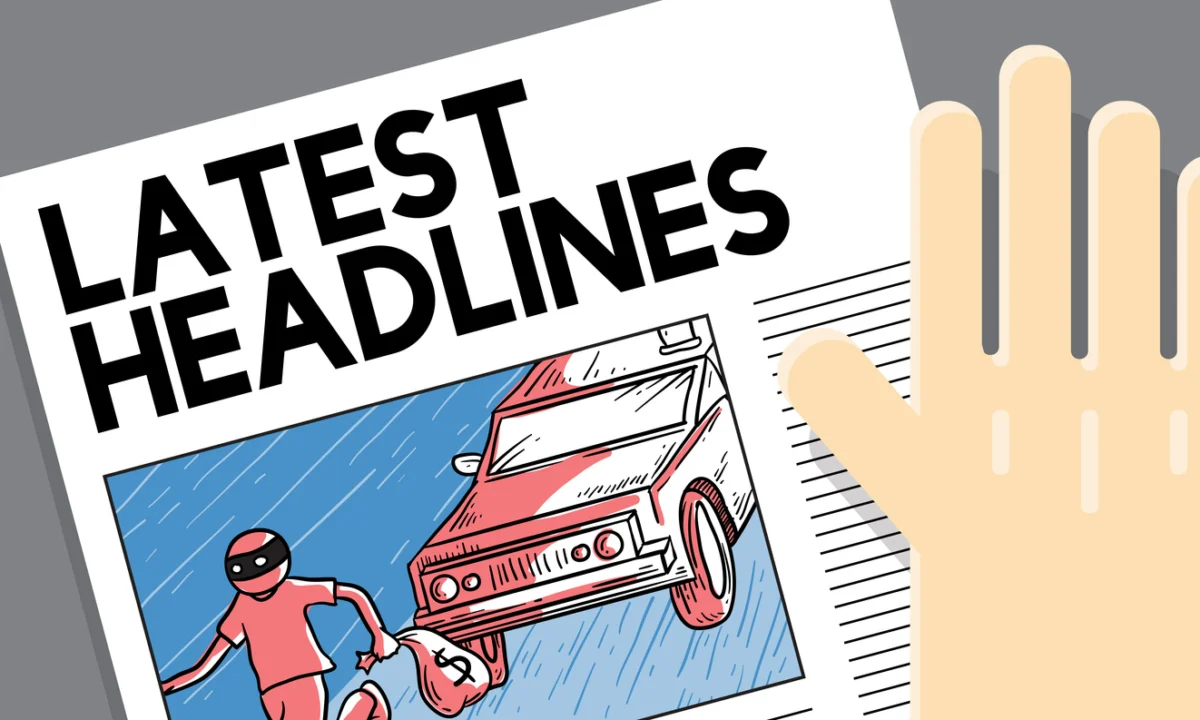
In the high-stakes world of corporate communications, the moment of publication is often met with a mix of relief and anticipation. For public relations (PR) professionals, securing a placement in a top-tier outlet is the culmination of weeks, sometimes months, of pitching, relationship building, and message crafting. However, a common and often distressing phenomenon occurs when the body of the article is accurate and positive, but the headline—the most visible element of the story—is framed in a way that creates internal tension or fails to reflect the desired corporate narrative. This disconnect between the content of a media “hit” and its primary framing device presents a complex challenge that requires a blend of diplomatic internal management and strategic external engagement.
The Mechanics of Modern Newsroom Production
To understand why headlines often deviate from the expectations of PR teams and their clients, it is necessary to examine the internal structure of modern digital newsrooms. A common misconception among corporate executives is that the journalist who conducted the interview and wrote the story is also the individual who penned the headline. In reality, the editorial process is highly segmented.
In most professional news organizations, headlines are the domain of copy editors, section editors, or specialized SEO (Search Engine Optimization) teams. These individuals are tasked with a specific objective: maximizing the story’s reach and engagement. In an era where digital advertising revenue is tied to page views and click-through rates (CTR), editors often prioritize “hooky,” provocative, or SEO-heavy headlines over the nuanced, often drier titles preferred by corporate communications departments.
Research from the American Press Institute and other media watchdogs suggests that a significant majority of news consumers—up to 80% in some digital cohorts—read only the headline before sharing or moving on to the next piece of content. This reality places immense pressure on newsrooms to create “click-worthy” entry points, even if those entry points occasionally sacrifice the subtle context found within the article’s body. Consequently, a PR professional may find themselves in a position where a fair, balanced interview is topped by a headline that leans into a controversial angle to drive traffic.
Determining the Threshold for Action: Accuracy vs. Optics
When a headline misses the mark, the first task for a PR professional is to conduct a dispassionate analysis of the situation. Industry experts suggest a binary classification: is the headline factually incorrect, or is it simply “unwanted”?
Ryan Richert, global head of media at Golin, emphasizes that factual inaccuracy is the only clear-cut ground for requesting a post-publication change. “I have successfully requested a headline change if there’s a factual inaccuracy,” Richert noted. Examples of factual errors include incorrect dates, wrong job titles, misattributed quotes, or the misstatement of financial figures. In these instances, journalists and editors are generally receptive to corrections, as their own credibility is linked to the accuracy of their reporting.
However, if the grievance is based on tone, framing, or a perceived lack of “positivity,” the situation becomes more delicate. Marc Sausa, senior vice president at Berk Communications, argues that these decisions must be handled strategically rather than reactively. “PR pros have to evaluate the full context—what the pitch process looked like, the relationship with the reporter, whether the headline is factually misleading, and even the potential SEO or reputational impact,” Sausa said.
Pushing back on a headline that is factually accurate but tonally “off” can be perceived as an overreach into editorial independence. Such actions can damage long-term relationships with journalists, who may view the PR professional as “difficult” or “controlling,” potentially leading to a blacklisting of the client for future opportunities.
A Chronology of Post-Publication Crisis Management
When a disappointing headline goes live, the internal reaction within a corporation is often immediate and visceral. The following timeline outlines the standard progression of these events and the recommended strategic intervention at each stage:
0–60 Minutes: The Internal Flare-up
The article is published and circulated via internal Slack channels or email threads. Executives may express frustration that the “key message” isn’t front and center. During this hour, the PR lead must act as a buffer, acknowledging the frustration while preventing impulsive outreach to the journalist.
1–3 Hours: The Substance Audit
The PR team performs a line-by-line audit of the article. Are the quotes accurate? Is the company’s positioning represented in the middle and concluding paragraphs? Sarah Evans, partner at Zen Media, suggests that if the body of the text is fair, the mission was largely successful. “If the piece is fair, the quotes are accurate, and your positioning lands in the body, that’s a win,” Evans noted.
3–6 Hours: The SEO and Social Assessment
The team evaluates how the story is traveling on social media. Often, the “headline problem” is localized to the outlet’s homepage, while social media shares may use different captions or highlight different pull-quotes. This is the stage where the team decides if the headline is truly “damaging” or merely “annoying.”
6–24 Hours: The Strategic Pivot
Instead of fighting the headline, the team begins to amplify the positive aspects of the coverage through owned channels. This includes sharing the article on the company’s LinkedIn or X (formerly Twitter) accounts with a caption that refocuses the narrative on the desired key messages.
Data-Driven Insights into Headline Impact
The anxiety surrounding headlines is not without merit. Data from digital analytics firms like Chartbeat indicates that while “clickbait” headlines drive initial traffic, articles with more substantive, accurate headlines often see higher “engaged time,” meaning readers stay on the page longer.
Furthermore, the rise of “Dark Social”—the sharing of content through private channels like WhatsApp, Slack, and email—means that the headline is often the only part of the story many people see. A 2023 study on digital news consumption found that approximately 60% of people who share a link on social media have not actually read the full article. For PR professionals, this data reinforces the importance of the headline but also highlights the need for “pre-emptive” PR: ensuring that the pitch and the interview are so tightly focused that it becomes difficult for an editor to find a “negative” or “distorted” angle to lead with.
Internal Stakeholder Management and Education
One of the most critical roles of a PR professional in these moments is educating the C-suite. Kristi Piehl, founder of Media Minefield, suggests that PR pros must help clients understand the broader goals of a media strategy. “It’s our job as PR pros to help clients understand why the article is still a win and still helps accomplish the business’s goals,” Piehl said.
A “win” in PR is rarely a 100% positive, brand-controlled advertisement. Instead, it is a credible, third-party validation that places the company within a relevant industry conversation. If an executive expects total control over the headline, they are seeking advertising, not earned media. Managing these expectations before an interview takes place is essential to avoiding friction after publication.
Sarah Evans notes that a surprising headline is often a post-mortem indicator of a process failure. “The framing you wanted is your job, not the outlet’s,” she said. “If a headline surprises you, that usually means the pitch wasn’t tight enough or the spokesperson didn’t land the key message on the call.”
Implications for Long-Term Media Relations
The long-term implication of how a PR professional handles a headline “miss” cannot be overstated. The media landscape is shrinking, with fewer journalists covering more beats. Maintaining a “collaborative, not adversarial” relationship, as Marc Sausa puts it, is a form of professional currency.
Reporters remember the PR people who provide great sources and then “go away” once the story is published. They also remember the PR people who send “nasty-grams” about a headline the reporter didn’t even write. By choosing to focus on the positives and using the situation as a learning opportunity, PR pros can build a reputation for being professional and media-savvy.
Brooke Bryant of The Point Group suggests that these moments should be used to strengthen future prep. If a specific phrase or minor point was plucked for a headline, the team should analyze why that happened. Was it the most “colorful” thing said? Was it a deviation from the talking points? This analysis turns a perceived “loss” into a strategic asset for the next media opportunity.
Conclusion: The Persistence of the Narrative
While a disappointing headline can feel like a significant setback in the moment, the digital news cycle moves with incredible velocity. Ryan Richert provides a perspective of resilience: “Reading a bad client headline is one of the worst feelings you can experience in PR… but they are unavoidable if you work in PR long enough. The good news about the way we consume news today is that there’s always another opportunity to tell a better story.”
In the final analysis, a headline is merely a doorway. While the PR professional cannot always control the color of the door, they are responsible for the substance of the room the reader enters. By focusing on accurate quoting, strong positioning in the body of the text, and professional conduct during the “headline crisis,” communicators can ensure that their organization’s long-term credibility remains intact, regardless of the temporary sting of an imperfect title.