rifanmuazin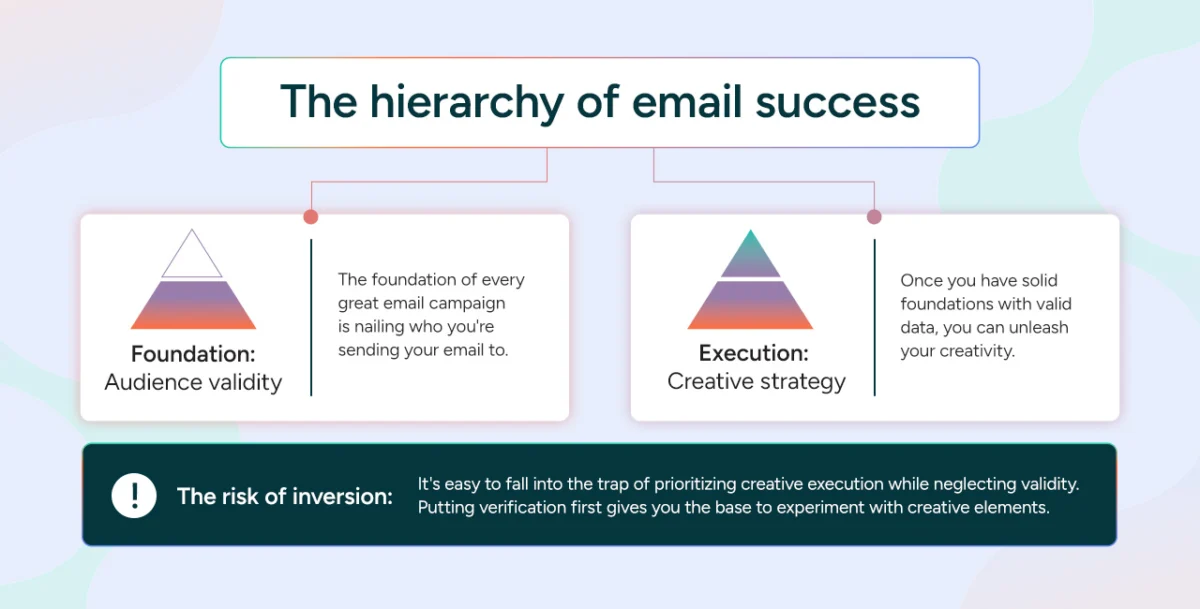
In the increasingly complex landscape of digital communication, where meticulously crafted messages and sophisticated targeting strategies are paramount, the fundamental importance of email verification often remains underestimated. Rather than being viewed as a mere maintenance task, industry analysts and leading marketing professionals are increasingly advocating for email verification to be established as the foundational prerequisite for all subsequent marketing activities. This proactive approach minimizes invalid data from the outset, enabling accurate evaluation of campaign efficacy, optimizing resource allocation, and ultimately safeguarding a brand’s digital reputation and bottom line.
The Evolving Digital Landscape and the Imperative for Data Quality
The digital marketing ecosystem has transformed dramatically over the past two decades. What began as a relatively straightforward channel has evolved into a highly competitive and regulated space, characterized by an explosion of email volume, increasingly stringent privacy regulations, and highly sophisticated spam filters employed by mailbox providers. In this environment, the quality of an email list is no longer just an operational detail; it is a strategic asset. Without a clean, verified list, even the most innovative A/B tests, AI-generated copy, or hyper-personalized campaigns risk falling flat, creating an “invisible ceiling” on potential return on investment (ROI).
When emails are dispatched to invalid or nonexistent addresses, the immediate consequence is an elevated bounce rate. These “hard bounces” are critical signals to mailbox providers, indicating potential issues with a sender’s data management practices. If bounce rates climb too high – often exceeding a threshold of 2-5% – it can severely degrade a sender’s reputation. A tarnished sender reputation leads to emails being shunted into spam folders, or worse, outright blocked by providers, effectively preventing genuine leads from ever seeing the intended communication. Proactive and continuous email verification is the primary defense against this risk, empowering marketers to scale their campaigns confidently without the looming threat of deliverability issues or account suspension. Beyond deliverability, a clean email database forms the bedrock for leveraging creative assets to their fullest, ensuring that valuable marketing efforts reach their intended, receptive audience.
The Downstream Fallacy: Misplaced Resources in Marketing Workflows
A significant challenge many marketing organizations face is what industry experts term the “downstream fallacy.” This phenomenon occurs when teams disproportionately invest resources into the latter stages of the marketing workflow—suchg as content creation, design, and A/B testing—while neglecting the critical upstream component of data quality. The inherent pressure on marketers to demonstrate tangible results, often measured by email output and engagement metrics, inadvertently encourages this misplaced focus. However, evaluating the true success of these downstream efforts becomes inherently difficult, if not impossible, without a verified and reliable email list.
Consider the current trends pushing email marketing towards advanced artificial intelligence (AI) and hyper-personalization. These cutting-edge technologies promise unprecedented levels of engagement and conversion. Yet, even the most sophisticated AI algorithms designed to craft bespoke messaging will fail to deliver if the underlying email addresses are invalid. Sending highly personalized content to a nonexistent recipient is not only futile but also a significant waste of technological investment and human effort.

Another pervasive issue stemming from poor data quality is the misalignment between marketing and sales teams. When marketing passes on leads that are unverified or contain invalid email addresses, sales teams waste invaluable time attempting to connect with “ghosts” or non-responsive contacts. This operational inefficiency fosters internal friction, erodes trust in marketing-generated leads, and ultimately hinders overall business development. A 2025 Gartner report highlighted that marketing budgets have remained stagnant, typically hovering around 7.7% of overall company revenue. In an era of tighter fiscal constraints, maximizing every resource is paramount. Investing in email verification upstream directly addresses the downstream fallacy, allowing marketing teams to focus their precious budgets on valid, reachable prospects rather than squandering resources on invalid domains or non-existent recipients. Correcting this fallacy necessitates a cultural shift, elevating audience validity to a strategic launchpad for all subsequent marketing and sales activities.
The Hierarchy of Email Success: A Strategic Framework
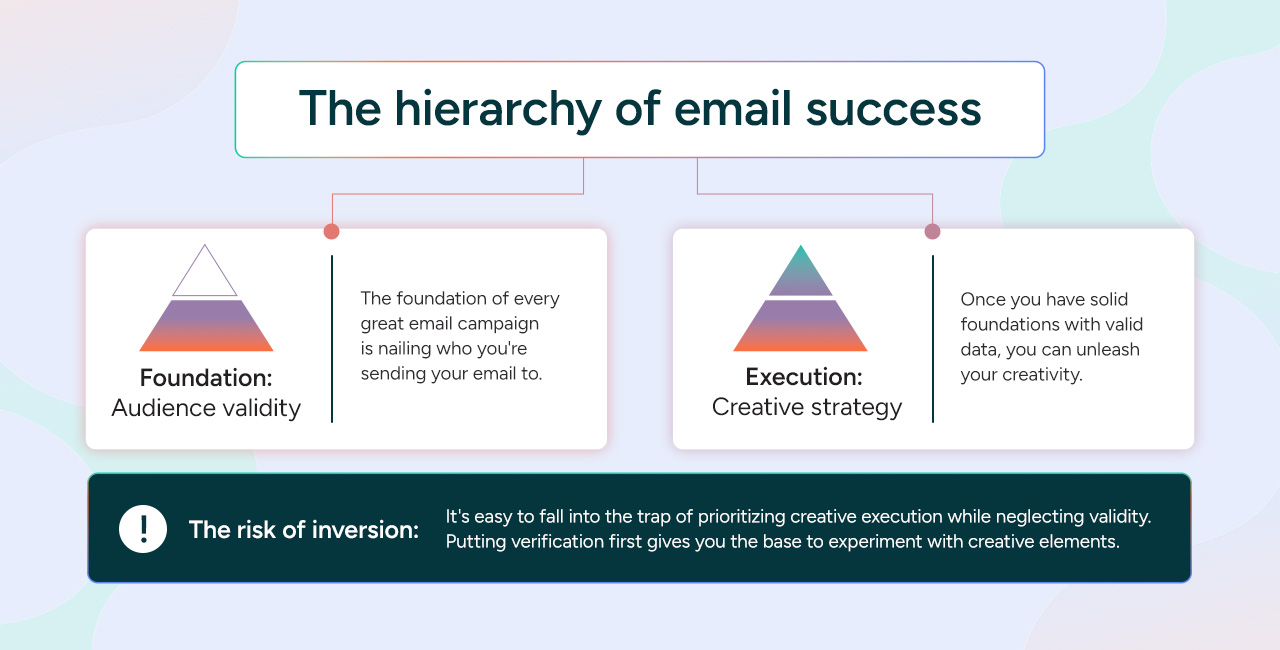
Achieving email campaign success demands more than just compelling creative elements; it requires a structured approach, a clear hierarchy of priorities that ensures foundational elements are in place before advanced strategies are deployed.
1. Foundation: Audience Validity
The absolute cornerstone of any effective email campaign is the precise identification and validation of the target audience. This foundational step is not merely a technicality but a strategic imperative that informs every subsequent decision, from content development to segmentation. By ensuring that emails are directed to valid, active accounts, marketers avoid the costly exercise of “shouting into the void.” This initial investment in data quality ensures that all subsequent resources—creative, technological, and human—are utilized with maximum efficiency. Furthermore, a strong foundation of audience validity supports sustainable growth. A clean list can expand without experiencing a commensurate rise in bounce rates, protecting sender reputation as campaigns scale.
2. Execution: Creative Strategy
Once a solid foundation of valid data is established, the creative floodgates can open. This layer encompasses the art and science of compelling copy, engaging design, and sophisticated personalization tactics. While the creative strategy is directly responsible for captivating the audience and driving engagement, its effectiveness is entirely contingent upon the deliverability secured by robust email verification. Without the assurance that emails are reaching their intended inboxes, even the most brilliant creative concepts will remain unseen and unappreciated.
3. The Risk of Inversion
A common and detrimental pitfall for many marketing teams is the inversion of this hierarchy, where creative execution is prioritized over list validation. This creates a false sense of security, as visually appealing campaigns may appear successful in internal reviews but fail to achieve desired outcomes due to poor deliverability. Such an inversion leads to “educated guesses” rather than data-driven optimizations. Rectifying this often requires a significant cultural shift within the organization, where metrics related to data hygiene and list quality are championed with the same fervor as traditional engagement metrics like click-through rates. Recognizing clean data as a primary indicator of campaign health is crucial for long-term success.
How Email Verification Works: Beyond Basic Syntax
Email verification is far more sophisticated than a simple check for an “@” symbol. It involves a multi-layered technical process designed to ascertain the genuine deliverability of an email address.
Beyond Syntax: A Deeper Technical Dive
While basic syntax checks are useful for filtering out obvious malformed addresses, they cannot determine if an address is active, if the associated inbox is full, or if the server is configured to reject external mail. Comprehensive email verification tools delve deeper, performing:
- DNS (Domain Name System) Lookup: Checks if the domain exists and is properly configured.
- MX (Mail Exchange) Record Check: Verifies that the domain has a mail server capable of receiving emails.
- SMTP (Simple Mail Transfer Protocol) Handshake: Attempts to establish a connection with the mail server to confirm it’s active and accepts incoming mail for the specific address, without actually sending an email. This step can distinguish between temporary issues (like a full mailbox) and permanent failures (like a nonexistent user).
This thorough process allows marketers to accurately categorize email addresses, enabling intelligent list pruning to remove permanent failures and protect their Sender Score from hard bounces, while potentially segmenting temporary issues for later re-engagement attempts.
Types of Bad Data: Identifying and Mitigating Risks
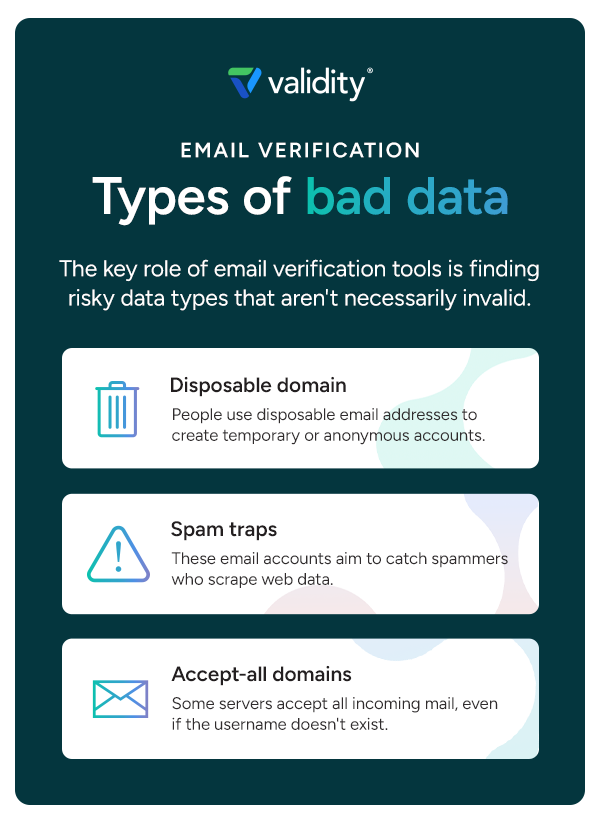
A critical function of advanced email verification tools is the identification of various “risky” data types that, while not always strictly invalid, can still severely harm an email program:
- Spam Traps: These are email addresses specifically designed by mailbox providers and anti-spam organizations to catch spammers. Sending to a spam trap instantly damages sender reputation.
- Disposable Email Addresses (DEAs): Temporary email addresses often used to sign up for services without revealing a primary email. They typically expire after a short period, making them unsuitable for long-term engagement.
- Role-Based Emails: Addresses like
info@,support@, orsales@. While valid, they often don’t represent an individual, leading to lower engagement and potential spam complaints if used for general marketing. - Honeypots: Similar to spam traps, these are planted addresses designed to identify senders with poor data acquisition practices.
- Nonexistent Users: Addresses that once existed but have been deleted, or were never created. These generate hard bounces.
- Full Inboxes: Temporary issue; the recipient’s mailbox has reached its storage limit.
- Invalid Domains: Domains that no longer exist or were misspelled during data entry.
- Dormant Accounts: Valid accounts that are rarely or never checked by their owners, leading to low engagement metrics.
Beyond technical performance, email validation tools serve as a crucial first line of defense for regulatory compliance. By identifying and removing high-risk domains, spam traps, or addresses associated with purchased lists—a practice generally frowned upon by regulators—organizations significantly reduce their exposure to violations of major data protection laws. These include the General Data Protection Regulation (GDPR) in Europe, the California Consumer Privacy Act (CCPA) in the United States, and Canada’s Anti-Spam Legislation (CASL). Non-compliance with these regulations can lead to substantial fines, with GDPR penalties, for instance, potentially reaching up to €20 million or 4% of a company’s annual global turnover, underscoring the critical need for robust data hygiene.
The Real Cost of Bad Data: Beyond the Surface
The decision to eliminate bad data from an email list is not merely about optimizing technical performance; it is fundamentally about protecting and enhancing a company’s bottom line. The costs associated with poor data hygiene manifest in direct, indirect, and opportunity costs.
Direct Costs
Email Service Providers (ESPs) typically charge based on subscriber count or email volume. Maintaining a bloated list filled with invalid or nonexistent contacts directly translates to wasted expenditure. By purging these non-deliverable addresses, companies can immediately reduce their ESP costs, potentially dropping into a lower pricing tier. This streamlining ensures that every dollar spent on email marketing is directed towards verifiable, reachable leads, thereby maximizing budget efficiency.
Indirect Costs
The ripple effects of bad data extend far beyond direct expenses. Invalid data skews analytics, making it impossible to accurately assess campaign performance. A/B tests become unreliable, leading to misguided strategic decisions. When marketing teams cannot confidently report on their impact due due to flawed data, it hinders future optimization efforts and undermines their credibility within the organization. Furthermore, every hard bounce resulting from an invalid address inflicts a minor but cumulative hit on the sender’s domain reputation. Over time, this erosion can lead to significant indirect costs as mailbox providers increasingly deprioritize emails from that domain, marking them as spam, and severely impacting future campaign deliverability. The effort and resources required to repair a damaged sender reputation are substantial, often involving lengthy remediation processes. Proactive verification effectively prevents these costly repairs, allowing teams to focus on growth initiatives instead.
Beyond deliverability, bad data creates “operational drag.” When marketing passes invalid leads to sales, sales representatives waste valuable time and effort pursuing non-existent prospects, leading to frustration and a loss of trust in marketing-generated leads. This inefficiency impacts sales cycles and overall productivity. Moreover, large, unverified databases can slow down sync times between various marketing and sales platforms, unnecessarily increasing storage costs for backups and straining IT resources. Regular verification helps mitigate this build-up of detrimental data.
Opportunity Costs
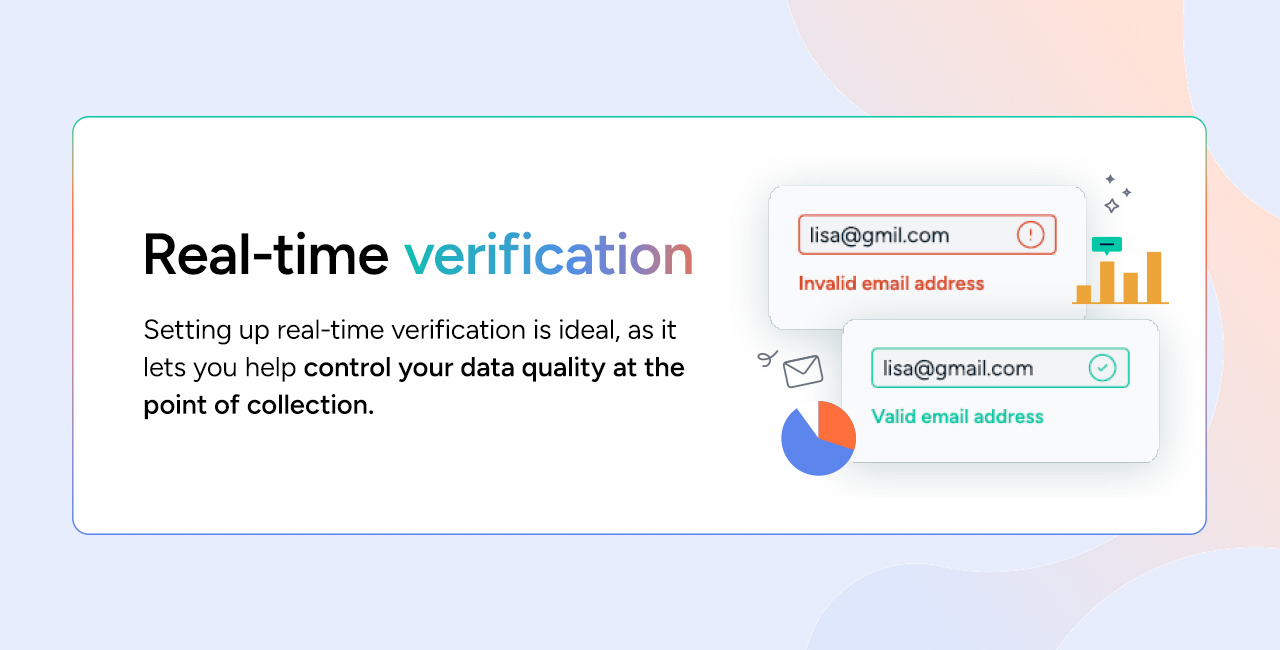
Perhaps the most insidious cost of bad data is the opportunity cost—the potential revenue and engagement lost due to uncorrected or ignored issues. These include leads that could have been salvaged through real-time correction at the point of capture, such as a simple human typo in a domain name. Real-time verification, integrated into web forms, provides immediate feedback to users, allowing them to correct errors instantly. This not only saves a potentially valuable lead but also enhances the user experience, reinforcing the brand’s professionalism and ensuring prospects receive the information they requested without delay. Without verification, these “fixable” leads are simply lost, representing missed opportunities for conversion, nurturing, and long-term customer relationships.
Implementing a Comprehensive Email Verification Strategy
A robust email verification strategy is multifaceted, encompassing both preventative measures for new data and corrective actions for existing lists.
Real-Time Verification
Integrating real-time verification at the point of collection is the most proactive approach to data quality. Tools equipped with Application Programming Interfaces (APIs) can validate an email address as a user types it into a web form, signup page, or checkout process. If a typo or invalid format is detected, the user receives immediate feedback, prompting them to correct their details before submission. This significantly minimizes the entry of bad data into customer relationship management (CRM) systems and marketing automation platforms, reducing hand-off anxieties between marketing and sales by ensuring leads are valid from the outset.
Bulk Verification
For existing email lists, particularly those accumulated over time or acquired through mergers, bulk verification tools are indispensable. Data naturally decays; industry estimates suggest that email lists can degrade by 20-30% annually due to job changes, company closures, domain expirations, and user abandonment. This challenge is particularly acute in fast-moving sectors like Software-as-a-Service (SaaS) or e-commerce. Bulk verification allows organizations to upload large datasets for comprehensive cleaning, improving the data integrity of their entire historical archive.
Regular Maintenance
Email hygiene should not be a one-off event but an integral part of an ongoing maintenance schedule. Establishing a regular cadence for verifying and purging invalid emails—whether monthly, quarterly, or semi-annually—ensures that hard bounces are caught before they impact deliverability. The optimal frequency depends on several factors, including the industry (high-churn industries require more frequent checks), the rate of list growth, and historical bounce rates. Regular maintenance ensures that an organization’s “active audience” accurately reflects its “actual audience.”
Verify Before Sending Critical Campaigns
Prior to launching any major seasonal campaign—such as Black Friday promotions, new product launches, or significant holiday outreach—it is best practice to perform a final email list verification. These campaigns often represent peak revenue opportunities, and maximizing deliverability is crucial. An up-to-date, verified list ensures that these high-stakes messages reach as many relevant leads as possible, directly impacting campaign success and ROI.
Managing the Unknowns
Even the most advanced email verification tools will occasionally return a small percentage of results with an “unknown” status. This can be due to server timeouts, temporary network issues, or highly stringent security settings on recipient mail servers that prevent full validation. A common mistake is to treat these unknowns as valid and include them in subsequent campaigns, which can inadvertently increase bounce rates. A more prudent strategy is to segment these “unknowns” onto a separate quarantine list. From this list, marketers can conduct low-volume, text-only re-engagement campaigns using a secondary sending Internet Protocol (IP) address. This approach allows for the safe recovery of potentially genuine leads while protecting the primary sender’s reputation from any additional bounces generated by these uncertain addresses.
Validity BriteVerify: Setting the Industry Standard for First-Step Accuracy
When selecting an email verification partner, the twin pillars of speed and accuracy are paramount. Validity’s BriteVerify solution has emerged as an industry leader, relied upon by tens of thousands of organizations globally for its ability to significantly enhance customer data quality.
BriteVerify is engineered to handle massive data volumes without introducing latency. Its real-time verification API is designed to integrate seamlessly into user experiences, ensuring that web forms and other data capture points remain responsive and fast, even when processing thousands of leads per hour. For bulk operations, the tool scales effortlessly to manage millions of records, meeting the demands of even the largest enterprises.
The accuracy of email verification hinges on the quality and breadth of the provider’s network. BriteVerify distinguishes itself through close relationships with major inbox providers and an expansive global data network. This proprietary access and intelligence allow BriteVerify to perform more accurate status checks than competitors who may rely on less reliable data scraping techniques. By minimizing the number of “unknown” results, BriteVerify helps clients retain a higher percentage of valid leads while effectively purging bad data that could compromise sender reputation. Furthermore, BriteVerify is designed for effortless integration, offering robust APIs and pre-built connectors that streamline onboarding into existing marketing automation platforms, CRMs, and custom systems, minimizing implementation headaches and accelerating time to value.
Maximize Every Send with BriteVerify: A Strategic Imperative
In conclusion, prioritizing email verification transcends a simple technical fix; it represents a fundamental strategic shift that empowers marketing teams to leverage their creative and technological resources effectively. By establishing trusted data as the foundational element, organizations can then focus their energy and budgets on innovation, personalization, and true optimization. Validity BriteVerify provides the critical tools to achieve this, offering versatile verification options—at the point of capture, through regular bulk validations, or as a final check before critical campaigns. This comprehensive approach safeguards sender reputation, enhances deliverability, and ensures that marketing efforts engage the most interested and receptive leads.
To discover how Validity BriteVerify can transform your email marketing strategy and maximize the impact of every send, requesting a demo is the logical next step.