rifanmuazin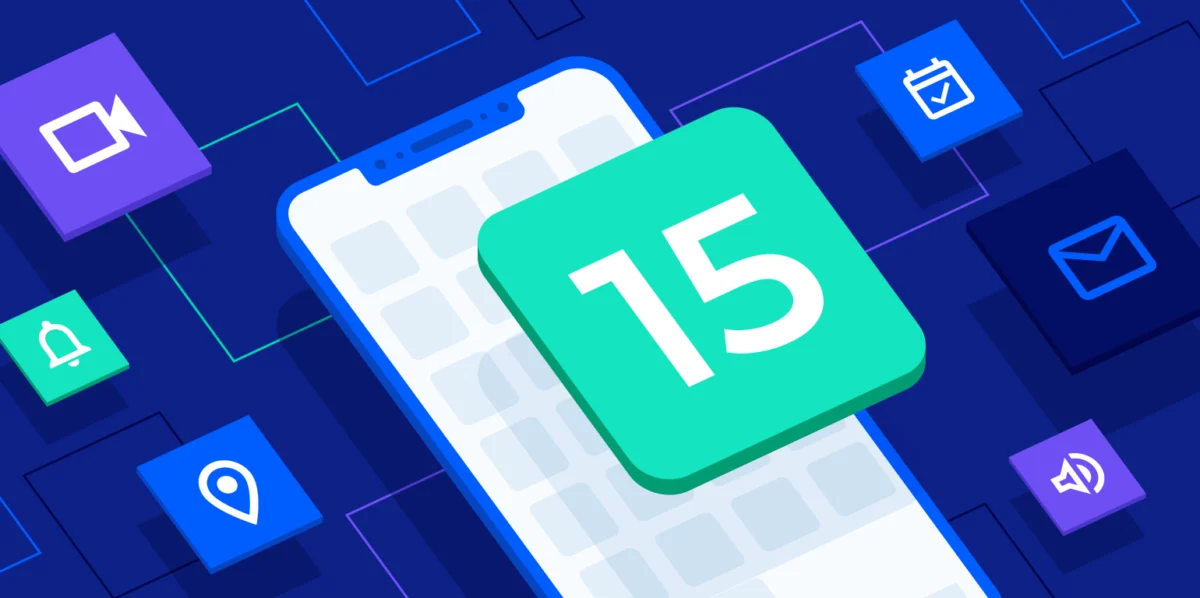
The global technology sector is currently navigating a fundamental transformation in how user data is collected, processed, and monetized. Over the last decade, personal data became the “new oil,” powering a multi-billion dollar digital advertising ecosystem. However, a growing chorus of concerns regarding surveillance capitalism and data breaches has forced a pivot toward transparency. Leading this charge is Apple Inc., which has leveraged privacy as a core product differentiator. Through a series of aggressive software updates, specifically starting with iOS 14.5 and continuing through iOS 15 and beyond, the Cupertino-based giant has fundamentally altered the relationship between consumers, application developers, and digital marketers.
The Privacy Paradigm Shift: From iOS 14.5 to the Present
In April 2021, the release of iOS 14.5 marked a watershed moment for the mobile industry. The centerpiece of this update was the App Tracking Transparency (ATT) framework. For the first time, iPhone users were presented with a mandatory prompt asking for explicit permission before an app could track their activity across other companies’ apps and websites. This “opt-in” model replaced the previous “opt-out” system, which was often buried deep within device settings.
The immediate impact of ATT was seismic. By May 2021, industry data from analytics firm Flurry indicated that only about 9% of mobile phone users in the United States had opted into tracking. For the advertising industry, particularly companies like Meta (formerly Facebook) that rely heavily on the Identifier for Advertisers (IDFA) to deliver targeted ads and measure their effectiveness, this represented a massive loss of signal. Without the IDFA, the ability to attribute a purchase on a website back to a specific ad seen on a social media feed became significantly more difficult, leading to a decline in reported Return on Ad Spend (ROAS) for millions of small and large businesses.
To complement ATT, Apple also introduced “Privacy Nutrition Labels” on the App Store. Similar to the labels found on food packaging, these disclosures require developers to list exactly what data they collect—such as financial info, location, and browsing history—and whether that data is used to track the user. This move toward radical transparency was designed to empower consumers, but it also served as a warning to the industry that the era of unfettered data harvesting was coming to an end.
A Chronology of Apple’s Privacy Roadmap
The current state of privacy did not emerge in a vacuum. Apple has been incrementally tightening the screws on data tracking for several years, creating a clear timeline of escalating restrictions:
- 2017 – Intelligent Tracking Prevention (ITP): Apple introduced ITP in the Safari browser, using on-device machine learning to block third-party cookies, making it harder for advertisers to track users as they moved from site to site.
- 2019 – Sign in with Apple: This feature allowed users to sign into apps without sharing their real email addresses, offering a “Hide My Email” option that generated unique, random addresses.
- April 2021 – iOS 14.5 and ATT: The launch of App Tracking Transparency forced a mandatory opt-in for cross-app tracking.
- September 2021 – iOS 15: This update expanded privacy protections from the browser and apps into the realm of email and network traffic.
- 2022–2023 – iOS 16 and 17: Subsequent updates have refined these features, adding “Lockdown Mode” for extreme security and further restricting fingerprinting techniques used by advertisers to bypass ATT.
Deep Dive into iOS 15: The New Frontier of Protection
While iOS 14.5 targeted the “macro” tracking of the app ecosystem, iOS 15 focused on the “micro” interactions of daily digital life, specifically email and web browsing.
Mail Privacy Protection (MPP)
For decades, email marketers have relied on “tracking pixels”—tiny, invisible images embedded in the body of an email. When a recipient opens the email, the image is downloaded from the sender’s server, providing data on the open time, the recipient’s location via IP address, and the device used.
Apple’s Mail Privacy Protection effectively neutralized this tool for users of the Apple Mail app. By routing all email content through a proxy server, Apple automatically downloads images in the background regardless of whether the user actually opens the email. This results in “inflated” open rates that no longer reflect actual human engagement. Furthermore, the proxy server masks the user’s true IP address, preventing marketers from determining a recipient’s geographic location or linking their email activity to other online behaviors.
The App Privacy Report
Building on the Nutrition Labels, the App Privacy Report provides a seven-day summary of how often apps access sensitive permissions like the camera, microphone, and location. More importantly for advertisers, it lists the third-party domains that apps are contacting. This feature has pulled back the curtain on the “data brokers” that operate in the background, often without the user’s knowledge.
iCloud+ and the Rise of Private Relay
With iOS 15, Apple rebranded its paid storage tiers as iCloud+, bundling in advanced privacy tools. The most significant of these is iCloud Private Relay. Functioning similarly to a Virtual Private Network (VPN), Private Relay ensures that no single party—not even Apple—can see both who the user is and what sites they are visiting. This dual-hop architecture encrypts DNS records and web traffic, stripping away the metadata that advertisers use to build “shadow profiles” of users.
Industry Reactions and Market Fallout
The reaction from the advertising world has been a mix of public outcry and frantic adaptation. Meta has been the most vocal critic, running full-page newspaper advertisements claiming that Apple’s changes would hurt small businesses that rely on personalized advertising to find customers. In a 2022 earnings call, Meta estimated that the privacy changes in iOS would cost the company approximately $10 billion in ad revenue for the year.
Conversely, privacy advocates and organizations like the Electronic Frontier Foundation (EFF) have lauded the moves. They argue that the “personalization” cited by advertisers is often a euphemism for invasive surveillance. The consensus among privacy experts is that Apple has successfully shifted the “default” state of a smartphone from “vulnerable” to “protected,” forcing the rest of the industry to follow suit.
Data-Driven Analysis of the Implications
The shift toward privacy has led to several measurable trends in the digital economy:
- Increased Cost of Acquisition: With less precise targeting, the cost to acquire a new customer (CAC) has risen. Advertisers are now forced to cast wider nets, which often leads to wasted ad spend on irrelevant audiences.
- The Resurgence of Contextual Advertising: Since “behavioral” tracking (knowing what a user did yesterday) is becoming harder, “contextual” advertising (showing an ad based on what the user is looking at now) is seeing a revival. For example, a user reading a gardening blog is shown ads for shovels, rather than being followed by shoe ads based on a previous search.
- The Value of First-Party Data: Brands are now prioritizing the collection of “first-party data”—information given voluntarily by the consumer through newsletters, loyalty programs, and direct purchases. Because this data is owned by the brand and not dependent on third-party tracking, it remains unaffected by iOS updates.
- Platform Shift: Some ad spend has migrated from iOS to Android, where tracking remained relatively easier for a longer period, though Google is now implementing its own “Privacy Sandbox” to follow Apple’s lead.
Strategic Recommendations for Marketers
The takeaway for digital advertisers is that the technological landscape is no longer static; it is in a state of permanent evolution. To thrive in this environment, businesses must move away from a reliance on “hacked” metrics like email open rates and third-party cookies.
Embrace Aggregated Measurement: Tools like Facebook’s Aggregated Event Measurement (AEM) allow for some level of campaign tracking while respecting Apple’s privacy protocols. While not as granular as previous methods, it provides a necessary compromise for measuring conversion events.
Focus on Down-Funnel Metrics: Instead of tracking opens or clicks, marketers should focus on “hard” conversions like sales, subscriptions, and long-term customer lifetime value (CLV). These metrics are harder to spoof and provide a clearer picture of business health.
Diversify the Marketing Mix: Over-reliance on a single platform (like Facebook or Instagram) is now a significant business risk. Successful brands are diversifying into search, influencer marketing, and direct-to-consumer channels like SMS and authenticated web experiences.
Conclusion: The Future of the Open Web
Apple’s iOS updates have sparked a broader conversation about the future of the “free” internet. For decades, the unwritten contract of the web was that content was free in exchange for data. As Apple closes the valves on that data flow, some experts predict a shift toward more subscription-based models and “walled gardens.”
However, the ultimate result may be a healthier ecosystem. By forcing advertisers to be more creative and less invasive, and by giving consumers genuine control over their digital lives, these changes are setting the stage for a more sustainable, trust-based digital economy. Advertisers who view these changes as an opportunity to build deeper, more transparent relationships with their customers will likely emerge as the leaders of the next era of digital commerce.