
 rifanmuazin
The rapid integration of artificial intelligence into the digital marketing landscape has created a significant divide between content volume and content quality. A recent study conducted by Semrush revealed a stark disparity in how marketers utilize these tools: 70% of respondents reported using AI primarily to generate content faster and at a lower cost, while a mere 19% leverage the technology to improve the actual quality of their output. This data suggests that while the barrier to entry for content production has dropped, the benchmark for truly authoritative and engaging material remains a challenge for the majority of practitioners. As search engines increasingly prioritize “Helpful Content” and E-E-A-T (Experience, Expertise, Authoritativeness, and Trustworthiness), the industry is seeing a shift toward sophisticated, multi-stage AI workflows that prioritize depth over speed.
The Foundational Layer: Establishing Brand Context and Identity
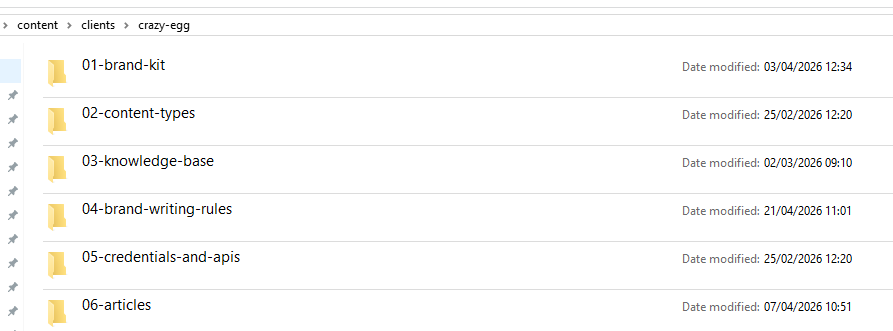
In the professional content creation sphere, the quality of any AI-generated output is directly proportional to the granularity of the context provided. Modern workflows now begin with the construction of a comprehensive “Brand Kit” or profile before a single word of a blog post is written. This process, often assisted by Large Language Models (LLMs) like Claude or GPT-4o, involves synthesizing a company’s entire identity into a machine-readable format.
A professional-grade brand kit typically includes several critical components: the brand’s core mission, a detailed breakdown of the target audience (including psychological pain points and demographic data), the unique selling propositions (USPs) of the product or service, and a nuanced “Tone of Voice” guide. By utilizing tools such as Claude Code to scrape a client’s existing website, documentation, and positioning papers, marketers can ensure the AI understands the “mental model” of the brand. This prevents the common pitfall of “generic AI prose,” which often lacks the specific industry vocabulary and strategic positioning required to convert readers into customers.
Advanced Research Methodologies Using Multimodal AI
The research phase is where AI has demonstrated its most transformative impact, not necessarily by reducing the total time spent, but by exponentially increasing the volume of sources analyzed. Contemporary journalists and content strategists are moving away from simple Google searches in favor of a layered research stack.
Synthesizing Information with NotebookLM
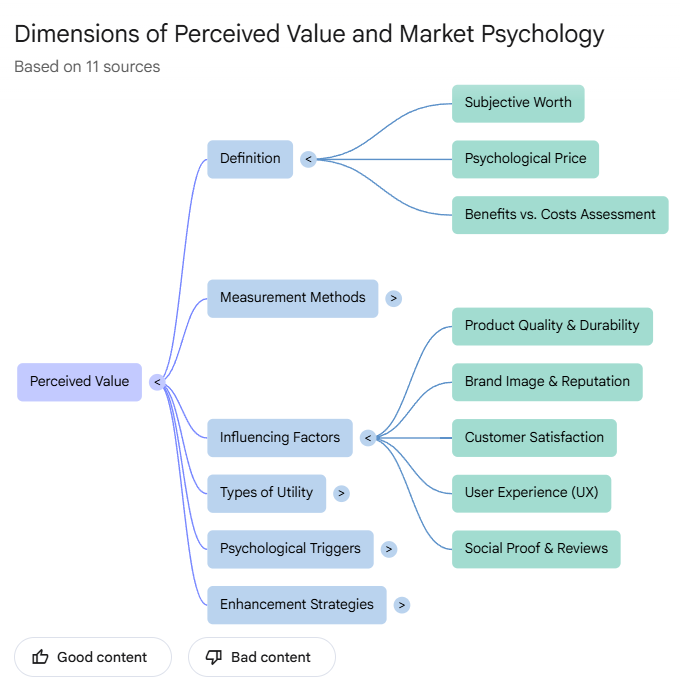
Google’s NotebookLM has emerged as a pivotal tool for topic immersion. By uploading top-ranking articles, white papers, and internal documents, creators can generate “Audio Overviews”—AI-simulated podcasts where two voices discuss the nuances of the uploaded material. This allows for passive consumption of complex topics during transit or exercise, fostering a deeper conceptual understanding. Furthermore, the tool’s ability to generate mind maps helps writers visualize the relationships between disparate concepts, ensuring that the final article follows a logical and comprehensive structure.

Search Intent and SERP Analysis via Claude Code
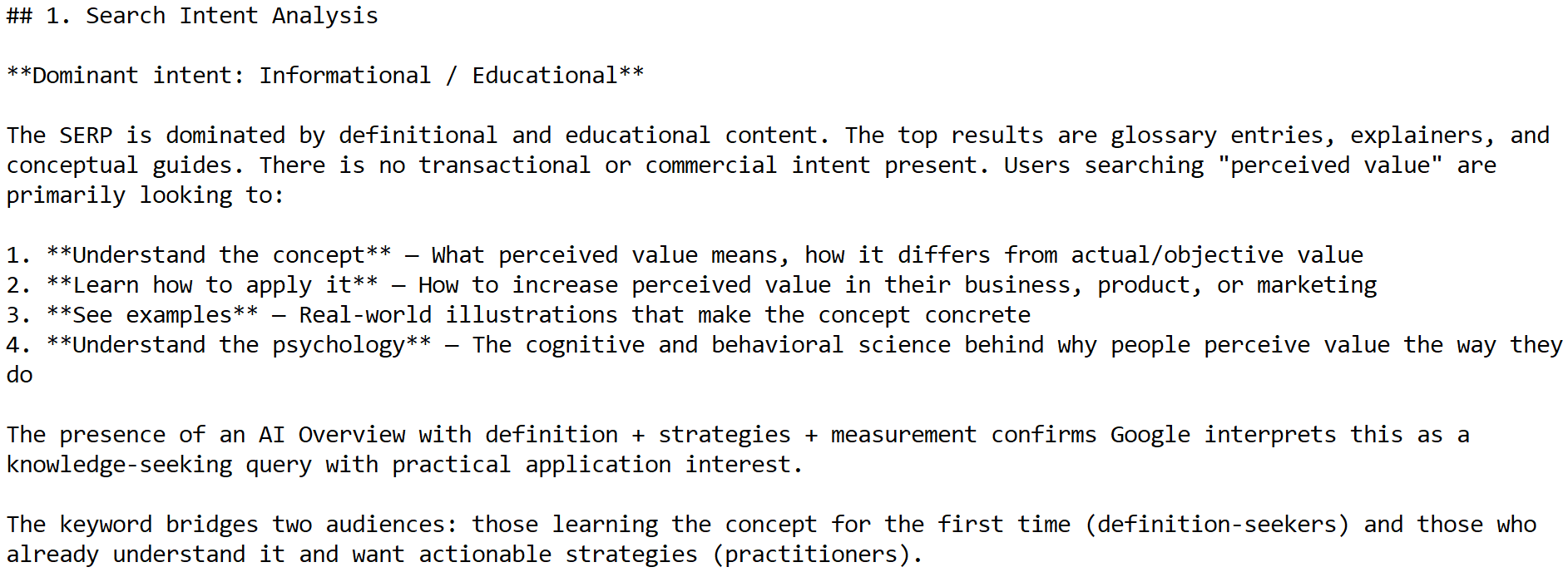
Understanding the Search Engine Results Page (SERP) is essential for SEO success. Professional workflows now utilize custom scripts or “skills” within Claude Code to analyze the top 10 ranking pages for a specific keyword. This analysis identifies the dominant search intent (informational, transactional, or navigational), common subheadings (H2s and H3s), and “content gaps”—areas where the existing competition is weak or outdated. By identifying what competitors have missed, writers can ensure their content provides “Information Gain,” a factor widely believed to be a ranking signal in modern search algorithms.
Academic Rigor and Fact-Checking with Consensus and Perplexity
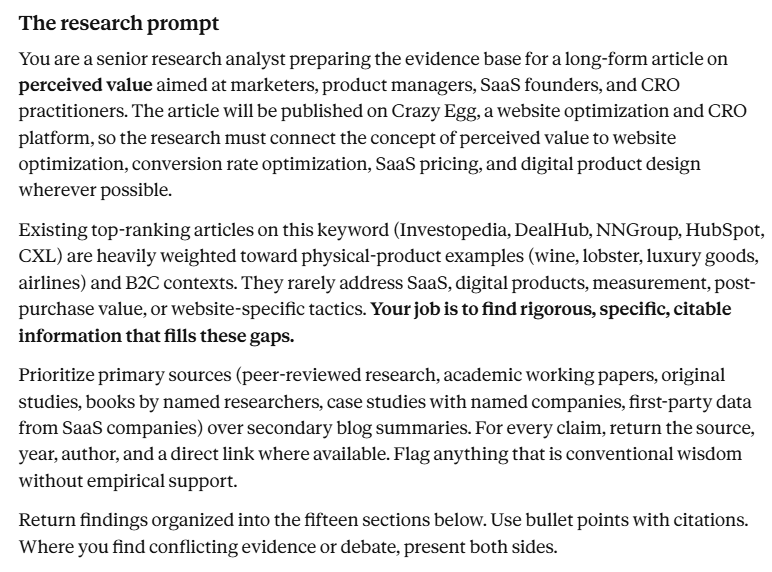
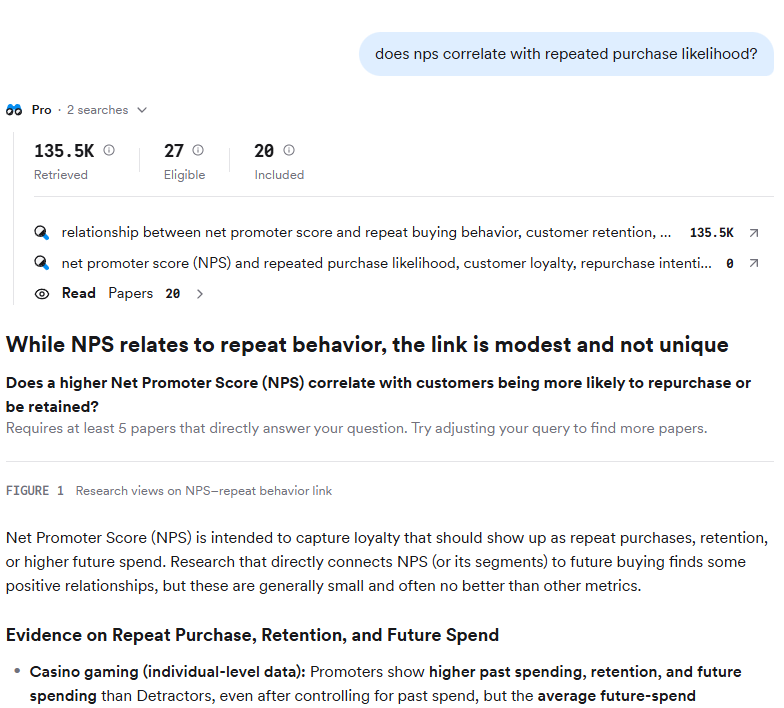
To combat the persistent issue of AI hallucinations, high-end workflows incorporate academic research tools like Consensus. Unlike standard LLMs, Consensus queries a database of millions of peer-reviewed papers to find scientific backing for claims. For instance, if an article claims a correlation between Net Promoter Scores (NPS) and customer retention, Consensus can verify if that claim is supported by empirical evidence or if it is merely industry folklore. Simultaneously, tools like Perplexity and ChatGPT in “Agent Mode” are used for “Deep Research,” conducting unrestricted web searches to find primary data sources, which are then put through an automated fact-check loop to verify the existence and accuracy of cited URLs.
The Architecture of Content: Human-Led Outlining
Despite the capabilities of AI, industry experts maintain that the structural outlining of an article should remain a human-centric task. The “outline” is the intellectual blueprint of the piece; delegating it entirely to AI often results in a “mid-wit” perspective that follows the most predictable path.
The human-led approach involves synthesizing the gathered research into a unique narrative arc. AI is then brought in as a “structural editor” rather than a creator. In this capacity, the AI is prompted to find logical flaws, identify missing perspectives, or suggest where a case study might strengthen a specific argument. This collaborative process ensures the writer maintains “creative agency” while benefiting from the AI’s ability to process vast amounts of structural data. Research from academic institutions suggests that over-reliance on AI for the conceptualizing phase can lead to a “skill atrophy” in writers, making the human-led outline a critical defense against the homogenization of digital content.
Drafting and the Nuance of Voice
When moving from outline to draft, a professional workflow dictates a choice based on the desired impact of the content. For high-stakes, “thought leadership” pieces, many professionals still prefer manual drafting. This is because LLMs, despite their sophistication, often struggle with “taste”—the ability to know when a sentence is too long, when a metaphor is tired, or when a brand voice should be slightly more provocative.
However, for organizations producing content at scale, AI drafting can be effective if governed by “Writing Rules.” These rules act as a digital style guide, instructing the AI to:
- Avoid “AI-isms” (words like “delve,” “tapestry,” or “unleash”).
- Maintain specific sentence length variability (parataxis).
- Integrate specific internal data points at relevant intervals.
- Adhere to “Positive Constraints,” such as never starting a paragraph with the same word as the previous one.
The technical implementation of these rules often involves “prompt chaining,” where the AI writes one section at a time, checking each against the style guide before moving to the next.
The Iterative Editing Loop and Quality Assurance
The final stage of a professional AI workflow is the “Quality Loop.” This involves a multi-agent system where different AI “personnas” review the draft. For example, “Agent A” might perform a developmental edit focused on flow and logic, while “Agent B” acts as a copyeditor focusing on grammar and SEO metadata.
This “ping-pong” method—where agents critique and refine each other’s work—significantly reduces the human editing workload, often by as much as 80%. Nevertheless, the “final sign-off” remains a human responsibility. An experienced editor performs a “taste pass,” ensuring the content feels authentic and resonates with human emotion—a quality that remains elusive for even the most advanced neural networks.
Broader Impact and Industry Implications
The transition toward these complex AI-human hybrid workflows represents a fundamental shift in the economics of the creator economy. As AI continues to flood the internet with low-quality, high-volume content, the market value of “commodity content” is plummeting toward zero. Conversely, the value of high-quality, research-backed, and expertly curated content is rising.

Search engines like Google are responding to this shift by refining their algorithms to detect and demote “mass-produced” content that offers no new value. For businesses, this means that the 70% of marketers using AI only for speed may find their rankings declining over time. The “19% camp”—those using AI to enhance depth and quality—are positioned to dominate the search landscape.
Furthermore, the role of the “writer” is evolving into that of a “Content Orchestrator.” Success in this new era requires not just writing ability, but the technical skill to build and manage these AI pipelines. The integration of tools like ChromaDB for vector-based knowledge retrieval and the use of Model Context Protocol (MCP) to connect AI to live data sources are becoming the new standard for professional content production. In conclusion, the future of content lies not in choosing between human or AI, but in mastering the sophisticated interplay between human intuition and machine efficiency.








