rifanmuazin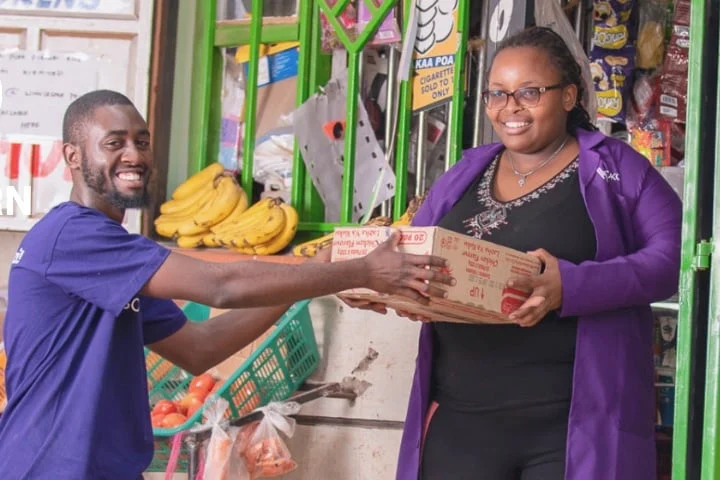
Foreign brands seeking to penetrate the burgeoning African e-commerce market are increasingly adopting a sophisticated, multi-pronged approach, eschewing single-channel reliance in favor of layered strategies that combine online marketplaces, direct-to-consumer sales, and robust retail partnerships, all underpinned by localized logistics. This intricate web of distribution channels reflects the continent’s diverse consumer behaviors, evolving digital infrastructure, and the persistent strength of traditional commerce. The journey for brands is not merely about digital presence but about a deep integration with the on-the-ground realities of African markets.
The African e-commerce sector, projected to reach hundreds of billions of dollars in the coming years, presents immense opportunities but also significant operational hurdles. Challenges such as fragmented logistics networks, varying levels of internet penetration across different regions, diverse payment preferences, and distinct regulatory frameworks necessitate adaptive and flexible market entry strategies. Consequently, successful foreign brands are those that demonstrate a nuanced understanding of these complexities, tailoring their approach to resonate with local consumer needs and infrastructure capabilities.
Marketplace-Led Entry: The Swift Route to Market Access
For many international brands, the initial foray into African markets is often facilitated by established online marketplaces. These platforms offer a compelling combination of rapid market access, ready-made customer bases, and existing logistical frameworks, significantly reducing the initial investment and operational burden. Prominent among these are Jumia and Konga, both headquartered in Lagos, Nigeria, and serving as crucial gateways for global brands seeking to connect with African consumers.
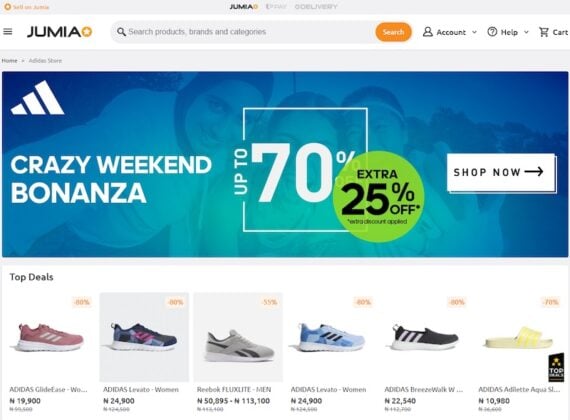
Jumia, often referred to as “Africa’s Amazon,” operates a third-party marketplace model, complemented by a smaller first-party retail component. Its extensive reach across multiple African countries makes it an attractive proposition for brands aiming for broad exposure. Leading international names such as Adidas, Samsung, Garnier, and Maybelline have leveraged Jumia’s platform to showcase and sell their products. Similarly, Konga, another Nigerian e-commerce giant, provides a similar marketplace environment. Its roster of global brands includes tech giants like Samsung, LG, and Xiaomi, alongside beauty and skincare brands like CeraVe and La Roche-Posay.
The appeal of these marketplaces lies in their ability to bypass the significant upfront investment required for building independent e-commerce infrastructure. Brands can onboard quickly, list their products, and immediately tap into a customer base already accustomed to shopping on these platforms. Furthermore, these marketplaces often provide integrated payment solutions and, crucially, partner with local logistics providers to handle deliveries, a critical factor in markets where last-mile delivery remains a persistent challenge. Data from e-commerce analytics firms consistently highlight the significant market share held by major marketplaces in Africa, underscoring their role as foundational pillars for brand entry. For instance, reports indicate that marketplaces account for a substantial percentage of online sales in key African economies, making them indispensable for brands seeking immediate traction.
Direct Selling: Embracing Control and Cultivating Brand Experience
While marketplaces offer speed and convenience, brands seeking greater control over their pricing, product presentation, fulfillment processes, and direct customer relationships often opt for a direct-to-consumer (DTC) selling model. This approach, though operationally more demanding, offers the potential for higher profit margins and a more refined brand experience.
The beauty, wellness, and fashion sectors have been particularly active in pursuing DTC strategies in Africa. Brands like the U.S.-based Fenty Beauty have successfully implemented this model, shipping directly to consumers in key markets such as Nigeria, Kenya, and South Africa. This involves establishing country-specific e-commerce storefronts, enabling transactions in local currencies, and meticulously managing the complexities of import duties and taxes.
A prime example of a well-executed DTC strategy is iHerb, a California-based online retailer specializing in vitamins and supplements. iHerb has invested in creating dedicated storefronts for Nigeria, Kenya, and South Africa, ensuring a localized shopping experience. Their strategic partnerships with global logistics heavyweights like DHL Express and FedEx facilitate reliable delivery across the continent. In South Africa, iHerb has gone a step further by offering delivery-duty-paid (DDP) shipping, a model that simplifies the customer journey by collecting all applicable duties and import fees at the point of checkout. This proactive approach to managing the “hidden costs” of international shipping significantly enhances customer satisfaction and reduces friction.
The operational complexities of DTC selling are undeniable. Brands must navigate international shipping regulations, currency fluctuations, customs clearance, and the intricacies of local payment gateways. However, the rewards of direct engagement with consumers—building loyalty, gathering invaluable data, and maintaining brand integrity—are substantial. This model allows brands to curate the entire customer journey, from the initial website visit to post-purchase support, fostering a deeper connection with their audience. The increasing adoption of mobile payment solutions and the growing familiarity with online transactions among African consumers are further bolstering the viability of DTC models.
Local Distributors: Bridging the Gap with Offline Commerce
The reality of African commerce is that a significant portion, often the majority, of consumer spending still occurs through traditional, offline channels. Recognizing this, foreign brands increasingly integrate local distributors and wholesale partners into their strategies to achieve widespread physical availability of their products. This approach is particularly crucial in markets where internet penetration is lower or where consumers still prefer the tactile experience of in-store purchasing.
The fragmented and often rudimentary nature of Africa’s delivery and distribution infrastructure presents a formidable challenge for brands aiming for broad reach. Partnering with established local carriers and wholesale suppliers becomes an essential strategy for companies that wish to avoid the immense burden of managing their own warehouses, inventory, and last-mile logistics across diverse geographies. These local partners possess invaluable on-the-ground knowledge, existing networks, and established relationships with retailers, enabling brands to effectively penetrate markets without replicating complex supply chain operations.
Fenty Beauty, for instance, while engaging in direct international sales, also ensures its products are available in a wide array of physical retail outlets across multiple African nations, including Botswana, Ghana, Kenya, Namibia, Nigeria, South Africa, Zambia, and Zimbabwe. This dual approach caters to different consumer preferences and purchasing habits.
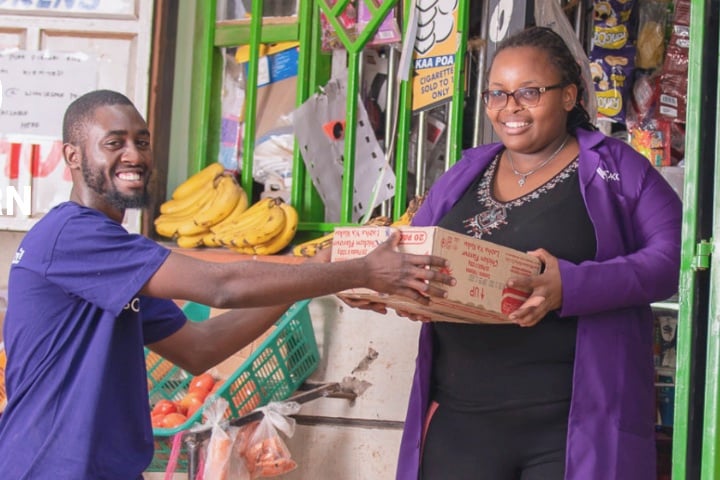
A notable player in this B2B distribution space is Wasoko, a Nairobi-based company that acts as a vital intermediary. Wasoko supplies inventory to a vast network of formal and informal retailers, as well as various commerce networks across Africa. This model provides both domestic and foreign brands with critical access to retail channels that extend far beyond direct-to-consumer e-commerce. By leveraging Wasoko’s established infrastructure, brands can bypass the arduous process of building their own retail partnerships from scratch, accelerating their reach and sales volume in a highly fragmented retail landscape. The growth of B2B e-commerce platforms like Wasoko signifies a maturing of the African retail ecosystem, offering sophisticated solutions for supply chain management and market penetration.
The Power of Overlapping Channels: A Holistic Approach to Market Penetration
In the dynamic African e-commerce environment, the most successful foreign brands rarely confine themselves to a single sales channel. Instead, they orchestrate a sophisticated interplay of overlapping strategies, simultaneously leveraging multiple touchpoints to maximize reach, cater to diverse consumer preferences, and mitigate risks. This integrated approach acknowledges the multifaceted nature of the African consumer and the evolving retail landscape.
Brands frequently offer direct international shipping through their own e-commerce storefronts, providing a convenient option for consumers seeking specific products not yet available locally. Concurrently, they establish a presence on popular marketplaces, reaching a wider audience that relies on these platforms for their online shopping needs. Furthermore, partnerships with local retailers and B2B distributors ensure physical availability of products in brick-and-mortar stores, capturing the significant segment of the market that still prefers or relies on offline commerce. This comprehensive strategy allows brands to be present wherever and however consumers choose to engage.
Fenty Beauty exemplifies this holistic strategy. The brand offers direct international shipping to key markets like Nigeria, Kenya, and South Africa. Simultaneously, it maintains a robust presence through local retail sites in several African countries and also lists its products on the Konga marketplace. This multi-channel presence ensures that Fenty Beauty is accessible to a broad spectrum of consumers, from those who prefer online convenience to those who opt for in-store purchases or the ease of a familiar marketplace.
Similarly, U.S.-based ColourPop Cosmetics employs a blended approach. The company sells internationally into Africa directly from its e-commerce storefront, providing a global reach. However, it also relies on local B2B distributors to facilitate its entry into the physical retail space, ensuring its products are available in brick-and-mortar stores across various African nations.
The rationale behind this overlapping channel strategy is rooted in risk mitigation and market optimization. Marketplaces offer a low-barrier entry point and immediate reach, but they can also involve higher commission fees and less control over the customer relationship. Direct selling provides greater control and potentially higher margins but requires significant investment in marketing and logistics. Local retail partnerships tap into existing consumer habits and infrastructure but can be slow to build and manage. By combining these strategies, brands can create a resilient and adaptable market presence, capitalizing on the strengths of each channel while mitigating their weaknesses.
As the African e-commerce landscape continues to mature, the sophistication of these multichannel strategies is expected to increase. Brands that invest in understanding local consumer behavior, adapt their offerings to regional nuances, and forge strong partnerships with local players are best positioned for sustainable growth and long-term success on the continent. The journey is complex, but the rewards of unlocking the immense potential of the African market are substantial.