rifanmuazin
Snapchat is significantly bolstering its advertising capabilities with the introduction of a new unified approach to its optimization and app measurement tools. This strategic evolution aims to provide app marketers with a more comprehensive and integrated view of their campaign performance, merging Snapchat’s native ad metrics with data from their chosen mobile measurement partners (MMPs). The platform’s move signifies a commitment to offering advertisers deeper insights, enabling more informed decision-making and ultimately maximizing the return on investment for in-app promotions.
Consolidating Performance Metrics for Enhanced Clarity
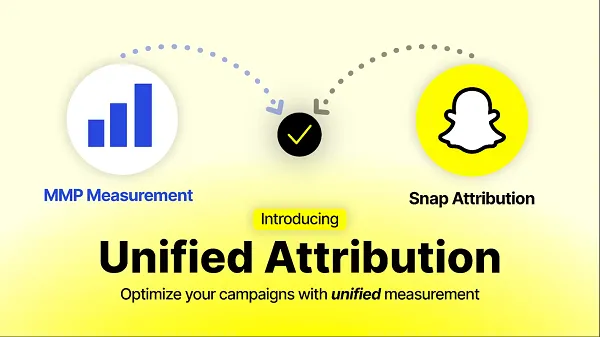
At its core, Snapchat’s new Unified Attribution system is designed to aggregate a wider spectrum of response signals into a single, cohesive view. This integration is crucial for advertisers who previously had to navigate disparate data sources to understand the full impact of their campaigns. By bringing together Snapchat’s platform-specific metrics and the cross-channel performance data provided by MMPs, the system aims to present a more holistic picture of how promotions are driving desired outcomes. This unified perspective is expected to illuminate the intricate pathways through which Snapchat ads influence user behavior, from initial ad impression to in-app action.
The platform explicitly states that Unified Attribution “brings together Snapchat platform metrics and MMP cross-channel performance metrics into one unified view to drive improved performance against the outcomes advertisers value.” This statement underscores the strategic intent behind the update: to move beyond siloed data and offer advertisers a clearer understanding of their overall campaign effectiveness. The goal is to represent the actual performance impact of Snapchat promotions more accurately, providing a richer narrative of campaign success.
Integrating SKAdNetwork for Evolving Privacy Landscapes
A notable aspect of Snapchat’s enhanced measurement capabilities is its integration of SKAdNetwork measurements. This is particularly significant in the current digital advertising landscape, which is increasingly shaped by privacy-centric regulations and platform changes. SKAdNetwork, Apple’s framework for attributing app installs in a privacy-preserving manner, has become a critical component for app marketers. By incorporating these measurements into its unified view, Snapchat is demonstrating its adaptability and commitment to providing advertisers with relevant data even as privacy measures evolve. This integration ensures that Snapchat remains a viable and measurable platform for app promotion, offering advertisers the ability to glean insights that were previously challenging to obtain due to privacy restrictions.
A Shift Towards Data-Driven Decision Making
The implications of this unified approach are substantial for app marketers. Previously, advertisers often faced the challenge of reconciling data from Snapchat’s ad manager with the insights provided by their MMPs. This often involved manual data consolidation and analysis, which could be time-consuming and prone to error. The new system promises to streamline this process, allowing for more agile campaign adjustments and budget allocation.
With integrated insights, marketers can now more readily identify which creative assets, targeting strategies, and campaign objectives are performing best on Snapchat, and how these contribute to broader campaign goals tracked by their MMPs. This deeper understanding empowers them to make more informed decisions about their ad spend, optimizing for specific outcomes such as app installs, in-app purchases, or other key performance indicators (KPIs). The ability to see the combined overview will provide more direction in terms of marketing approaches, while also giving app advertisers additional assurances about the displayed metrics.
Background and Timeline of Snapchat’s Ad Evolution
Snapchat has been steadily enhancing its advertising offerings, particularly for app promotion, over the past year. This Unified Attribution initiative represents a significant milestone in that ongoing development. While the exact timeline for the full rollout of Unified Attribution is not detailed, it follows a series of strategic updates designed to make the platform more attractive to app developers.
Recent enhancements have included an extension of Sponsored Snaps to app campaigns, a feature that delivers app promotions directly into users’ inboxes. This indicates a broader strategy by Snapchat to offer more direct and engaging avenues for app developers to reach their target audience. The introduction of Unified Attribution is a logical progression, providing the necessary measurement and optimization tools to complement these new promotional formats.
The platform’s continued investment in advertiser tools is likely driven by its strong position among younger demographics. Snapchat remains an influential communication tool for Gen Z and younger millennials, making it a prime target for app developers looking to capture this valuable market segment. These expanded insights are crucial for app developers seeking to tap into this demographic, offering a more in-depth response overview to guide their Snap ad spend effectively.

Supporting Data and Industry Context
The shift towards unified attribution is not unique to Snapchat. The broader digital advertising industry has been moving in this direction for some time, driven by the increasing complexity of the advertising ecosystem and the growing demand for transparent and actionable data. As platforms grapple with privacy changes like Apple’s App Tracking Transparency (ATT) framework, the need for robust, privacy-compliant measurement solutions has become paramount.
Mobile Measurement Partners (MMPs) have played a critical role in this evolution, providing essential services for campaign attribution, fraud detection, and audience analytics. Companies like AppsFlyer, Adjust, and Branch have become integral to the app marketing stack. Snapchat’s integration with these partners signifies its recognition of their importance and its commitment to working within this established ecosystem.
Data from industry reports consistently highlights the importance of attribution for app marketers. For example, a recent study by Statista indicated that over 70% of app marketers consider accurate attribution to be crucial for campaign optimization. Furthermore, the increasing complexity of cross-device and cross-platform user journeys necessitates a unified approach to measurement. Without it, advertisers risk making decisions based on incomplete or inaccurate data, leading to wasted ad spend and missed opportunities.
Potential Reactions and Inferred Statements
While specific public statements from third-party app developers or MMPs regarding Snapchat’s Unified Attribution have not yet been widely disseminated, the general sentiment within the app marketing community is likely to be positive. Industry experts anticipate that such an integration will be well-received.
An inferred statement from a hypothetical app marketing executive might read: “This move by Snapchat is a welcome development. The ability to see our Snapchat campaign performance alongside our overall user acquisition efforts within a single view will significantly streamline our analysis and optimization processes. It’s crucial for us to understand the true incremental value of our Snapchat investments, and Unified Attribution appears to be a strong step in that direction, especially with its embrace of SKAdNetwork.”

Similarly, a representative from an MMP might comment: “We are committed to providing our clients with the most comprehensive and accurate measurement solutions available. Snapchat’s integration of their platform metrics with MMP data, including support for SKAdNetwork, aligns with our mission to deliver unified insights and drive measurable growth for app developers in an evolving privacy landscape.”
Broader Impact and Implications for the Advertising Ecosystem
The introduction of Unified Attribution by Snapchat has several broader implications for the digital advertising ecosystem:
- Enhanced Advertiser Confidence: By offering more transparent and integrated measurement, Snapchat aims to build greater confidence among advertisers, particularly those focused on app promotion. This can lead to increased ad spend on the platform.
- Competitive Pressure: This move could put pressure on other social media platforms to enhance their own attribution and measurement capabilities, especially in relation to app campaigns. The industry is in a continuous race to offer the most robust tools to advertisers.
- Data Privacy and Measurement Balance: Snapchat’s integration of SKAdNetwork demonstrates a pragmatic approach to balancing user privacy with the need for effective advertising measurement. This strategy is likely to be emulated by other platforms navigating similar challenges.
- Streamlined Workflows for Marketers: For app marketers, this represents a significant step towards simplifying their ad tech stack and analytical processes. Reduced complexity can lead to greater efficiency and better campaign outcomes.
- Focus on Performance and Outcomes: The emphasis on driving “improved performance against the outcomes advertisers value” signals a continued industry-wide shift towards performance-based advertising and a focus on delivering tangible business results rather than just vanity metrics.
As Snapchat continues to refine its advertising tools, the Unified Attribution system marks a significant evolution. It underscores the platform’s commitment to supporting app developers and advertisers in an increasingly complex and privacy-conscious digital landscape, aiming to unlock greater effectiveness and provide clearer insights into campaign performance.