rifanmuazin
Generating impactful public relations campaign ideas represents a significant challenge for marketing and communications professionals. The landscape demands not only creativity but also a robust understanding of audience engagement and media trends. Developing a concept that truly resonates, securing the necessary internal buy-in, and confidently predicting its success requires more than intuition; it necessitates a strategic, research-driven approach. Fortunately, by leveraging analytical tools and drawing lessons from successful precedents, the probability of a campaign achieving widespread coverage, valuable links, and substantial social engagement can be dramatically increased. This article outlines a comprehensive, two-step methodology for crafting high-performing PR campaigns, heavily reliant on content research and strategic format selection.
The Foundational Role of Research in PR Innovation
In an era saturated with information, breaking through the noise requires precision. The first critical step in developing a successful PR campaign is to thoroughly understand the prevailing content themes and emotional drivers that captivate your target audience and the media alike. This foundational research phase aims to identify what topics consistently generate discussion, links, and social shares, thereby laying the groundwork for a campaign with inherent virality and relevance. Success in this context is primarily defined by securing media coverage and high-quality backlinks, with social engagement serving as a crucial secondary Key Performance Indicator (KPI).
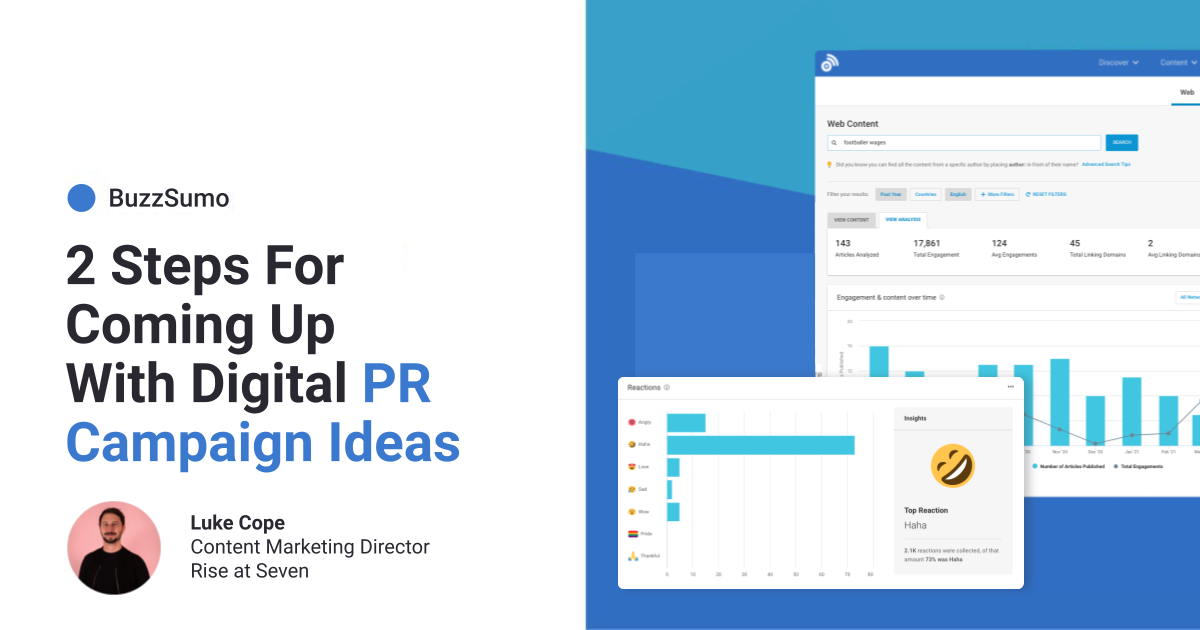
It is important to approach this initial stage without the pressure of immediately formulating a concrete campaign idea. Creativity often blossoms from informed exploration, not forced inception. The process begins by delving into content analysis tools, such as BuzzSumo’s Content Analysis Report, to systematically explore relevant keywords and topics. For instance, a brand specializing in honeymoon packages would start by analyzing “honeymoons,” then broaden their scope to related themes like “engagement rings,” “weddings,” or “travel destinations.” This iterative process of expanding outward from the core product area continues until the topics become too tangential to the brand’s offering.
By analyzing content related to these terms, PR professionals can discern patterns in publication volume over time, identify peak engagement periods, and understand the predominant emotions evoked by different subjects. The goal is to pinpoint themes that exhibit consistent media attention and strong audience interaction. For example, a search for “honeymoons” might reveal steady interest, while “weddings” could show significantly higher coverage and engagement, suggesting a broader, more fertile ground for campaign development. Further exploration into “engagement rings” might uncover distinct emotional angles and consistent reader interest, indicating additional opportunities for campaign angles. This data-driven exploration ensures that any subsequent campaign idea is anchored in proven audience interest and media appetite.
Unearthing Resonant Themes and Emotions: Case Studies in Action
Understanding the nexus between content themes and emotional responses is paramount. Emotionally charged content has consistently been shown to outperform neutral content in terms of shareability and impact. Neuroscientific studies suggest that emotions play a critical role in memory formation and decision-making, making content that evokes strong feelings more memorable and more likely to prompt action, such as sharing or linking.
Case Study 1: Illuminating Light Pollution
Consider a campaign centered on the product theme of “star maps.” While intrinsically interesting, the core product alone might lack the broader appeal for a high-impact PR campaign. Through meticulous research, the campaign strategists expanded their thematic exploration:
- Product Theme: Star maps (identified as having insufficient standalone campaign potential).
- Secondary Theme 1: Supermoons (high social engagement, regular occurrences allowing for reactive PR opportunities).
- Secondary Theme 2: Night sky (significant social engagement, broad appeal).
- Secondary Theme 3: Light pollution (high social engagement, current topic, substantial scope for creative ideas).
The theme of light pollution emerged as particularly potent. Analysis revealed consistent media discourse, but at the time of the campaign’s conception, interest was surging. Events such as SpaceX’s satellite launches, which contributed to increased light pollution, coupled with a general heightened public awareness of environmental pollution due to the COVID-19 pandemic, created a highly receptive environment. This confluence of factors signaled that the timing for a campaign on light pollution was optimal.
Further delving into the emotional responses generated by existing articles on light pollution, it was observed that the topic often evoked either sadness or a profound sense of awe. This crucial insight allowed the campaign team to strategically craft outreach angles that tapped into these powerful emotions. The campaign, which visually depicted what the world’s most light-polluted cities would look like without light pollution, was designed to be highly visual, leveraging the “wow factor” and encouraging contemplation about the impact of light pollution. By aligning the campaign with a trending topic and specific, identifiable emotions, the team ensured its intrinsic appeal to both journalists seeking timely narratives and an audience eager for compelling visual content. The success of this approach was evident in the widespread media pickup and the generation of numerous high-quality backlinks.
Case Study 2: The Allure of Aspirational Lifestyles
Another illustrative example involved a client specializing in “private number plates.” Initial research indicated some humorous content around unique plates but insufficient depth for a major campaign. The strategy then shifted to exploring aspirational lifestyle themes:
- Product Theme: Private number plates (limited standalone potential).
- Secondary Theme 1: Celebrity cars (high volume of articles, consistent interest).
- Secondary Theme 2: Footballers’ cars (extensive content, highly engaged and often emotional comments).
Analyzing the comments sections of articles about footballers’ cars provided a critical insight: these stories consistently provoked strong reactions, often characterized by envy, competitiveness, or even indignation among readers. People inherently compared their own circumstances to the opulent lifestyles depicted. This observation sparked the core campaign idea: to create a literal comparison tool. A calculator was developed that allowed users to input their own salary and determine how many years it would take them to afford a footballer’s car. This direct engagement with the audience’s emotional response—the desire for comparison and the feelings of frustration or aspiration—proved incredibly effective. The campaign successfully leveraged a universally understood emotion to generate significant media attention and audience interaction, demonstrating that tapping into one or two powerful emotions, linked to popular themes, is a potent recipe for success.
Crafting Impact: The Art of Format and Depth
The second pivotal step involves selecting the most effective format for your campaign idea and imbuing it with significant depth. A brilliant concept can falter if presented poorly. The chosen format must enhance the core message and facilitate audience engagement. For instance, the light pollution campaign, designed to evoke awe, would have lost its impact as a simple blog post. Its visual nature necessitated an interactive format.
Strategic Formatting in Action
-
The Light Pollution Campaign Revisited: The visual transformation of polluted cityscapes into star-filled panoramas was central. Instead of static images, a simple slider code allowed for an immediate “before and after” comparison, adding an interactive dimension that amplified the “wow factor.” This format was crucial. Furthermore, the campaign gained depth through additional angles. Citing statistics like “85% of Americans have never seen the Milky Way” provided a compelling narrative. Integrating the Bortle scale to illustrate light pollution levels (from 10, most polluted, to 1, pristine) offered a factual framework. While initially focused on the USA, expanding the scope globally recognized light pollution as a universal issue, broadening its appeal to international media.
-
The “Germs on Public Transport” Campaign: While not explicitly detailed in the original source, an example of a campaign that achieved significant media and political attention involved visualizing the hidden world of germs on public transport. For a brand related to hygiene or public health, this theme would resonate strongly. What could have been a simple graphic or data list was transformed by the team into an interactive experience, perhaps utilizing a “microscope” function that allowed users to virtually “zoom in” on different surfaces and discover the bacterial realities. This immersive format, coupled with deep data on germ types, transmission risks, and city-specific findings, provided layers of angles. The depth and innovative format propelled it beyond mere news, prompting comments from public figures, such as the Mayor of London, underscoring its real-world impact and policy relevance.
-
The “Space Junk” Campaign: A Missed Opportunity? Conversely, a campaign on “space junk” from Aira, while visually appealing and conceptually strong, highlights the importance of maximizing depth within the chosen format. The piece effectively visualized who owns the most space junk by country. However, given the vastness of the topic, opportunities for further development were present. What types of space junk exist? How has its appearance changed since the 1960s? What are the projections for the next century? Adding these layers of inquiry and visualization could have transformed a good piece into an exceptional one, offering more angles for diverse media outlets and deeper audience engagement, especially considering the inherent intrigue of the space theme.
-
The “iPods as Vinyl” Campaign: Simplicity can also be powerful. Mark Johnstone’s concept of visualizing iPods as vinyl records is a testament to how a clever, nostalgic, and aesthetically pleasing format can resonate deeply. This campaign, likely presented as a series of artful images or an infographic, created an unexpected juxtaposition that sparked interest and conversation, demonstrating that complex interactivity isn’t always necessary if the core visual idea is compelling and emotionally evocative.
-
Footballer Cars: Depth in Data: Reverting to the footballer car calculator, its depth was further enhanced by providing numerous angles derived from simple data comparisons. These included contrasting weekly wages against car costs, illustrating the stark economic disparity in an accessible, relatable manner. Such granular data allowed journalists to craft various narratives, from highlighting excessive wealth to discussing economic mobility, thereby ensuring broader media appeal.
Ultimately, the synergy between a compelling idea, the optimal format, and rich, multi-faceted depth is what distinguishes a successful PR campaign. When these elements are meticulously combined with a foundation of data-driven research into themes and emotions, campaigns are poised for significant impact across digital PR and social media channels.
Beyond Ideation: Maximizing Reach and Buy-In
The journey does not end with a brilliant campaign idea and its perfectly crafted format. Strategic execution, particularly in media outreach and internal stakeholder management, is equally vital.
Re-using Research for Targeted Seeding Lists
A highly effective tip for maximizing campaign reach is to leverage the initial research phase for developing targeted seeding lists. By revisiting the content analysis, PR professionals can identify journalists and publications that have previously covered the chosen themes. BuzzSumo, for instance, allows users to save journalist profiles to projects and export their contact details. This creates a ready-made list of highly relevant media contacts, ensuring that outreach efforts are directed towards individuals and outlets with a demonstrated interest in the campaign’s subject matter. This personalized approach significantly increases the likelihood of a pitch being well-received, as it aligns with the journalist’s established beat and editorial focus. Resources like BuzzSumo’s studies on journalist pitching provide invaluable insights into crafting compelling pitches that resonate with media professionals, further enhancing the chances of coverage.
Securing Internal Sign-Off with Data
One of the often-overlooked hurdles in campaign development is securing internal sign-off from clients or senior management. Ideas can be subjective, leading to disagreements or a lack of confidence. However, by presenting a comprehensive research package from the initial ideation stage, PR professionals can remove much of this subjectivity. Demonstrating a deep understanding of popular themes, audience emotions, and media engagement trends, backed by data from content analysis reports, transforms an idea from a creative whim into a strategic imperative. This evidence-based approach instills confidence, streamlines the approval process, and ensures alignment across all stakeholders, fostering a shared belief in the campaign’s potential for success. Tools that quickly report on engagement and emotion across multiple themes or publishers are invaluable for packaging this compelling case.
Key Takeaways for Enduring PR Success:
- Data-Driven Exploration: Consistently analyze engagement metrics and content production volumes around diverse themes to inform and shape PR campaign ideas.
- Emotional Resonance: Ensure every campaign idea taps into at least one powerful emotion, as this significantly boosts shareability and memorability.
- Format-Idea Synergy: Match the campaign idea with the most appropriate and impactful format, understanding that this will vary from one concept to another.
- Contrast for Impact: Employ comparative narratives (e.g., footballer wages vs. average earnings, light-polluted skies vs. celestial wonders) to evoke strong emotional responses and highlight key messages.
- Depth and Multi-Angled Approach: Infuse campaigns with extensive data, diverse perspectives, and multiple angles to broaden appeal and provide rich content for varied media outreach.
In conclusion, the journey from a nascent idea to a successful PR campaign is no longer solely dependent on creative flashes of genius. It is a disciplined process that intertwines creativity with rigorous research and strategic execution. By embracing a data-driven methodology, understanding the emotional undercurrents of public interest, and meticulously crafting both format and depth, PR professionals can consistently generate campaigns that not only achieve their objectives but also leave a lasting impact on audiences and the media landscape.