rifanmuazin
The rapid integration of artificial intelligence (AI) and automation into advertising services presents a double-edged sword for businesses. While these technologies offer unparalleled efficiency and the potential for superior performance compared to traditional manual methods, they also raise critical questions about brand representation. Ensuring that a company’s unique identity and messaging remain intact amidst the algorithmic curation of ads has become paramount. Recognizing this growing concern, Google Ads has been progressively enhancing its brand guideline controls, empowering advertisers to exert greater influence over how their brands are perceived across the platform. This evolution marks a significant step in balancing the power of automation with the indispensable need for brand integrity.
The shift towards AI-driven advertising has accelerated in recent years, with platforms like Google Ads leveraging machine learning to optimize campaign delivery, targeting, and creative elements. This automation, while powerful, can sometimes lead to unintended brand misalignments if not properly guided. Historically, advertisers relied on manual oversight and a deep understanding of platform nuances to maintain brand consistency. However, as ad ecosystems become more complex and automated, relying solely on manual intervention is becoming increasingly challenging and less effective. The introduction and refinement of brand guideline features within Google Ads signal a proactive approach by the tech giant to address these challenges, offering advertisers a more centralized and robust framework for brand control.
The challenge for businesses lies in harnessing the performance benefits of AI without sacrificing the carefully cultivated essence of their brand. This is where Google’s evolving brand guideline features come into play. While not a monolithic, all-encompassing system, these controls provide advertisers with crucial levers to ensure their brand’s visual and textual representation aligns with their established identity, mitigating the risk of incongruous portrayals. This article delves into the various ways advertisers can leverage these Google Ads brand guideline tools to safeguard their brand’s integrity in an increasingly automated advertising landscape.
Understanding the Evolution of Brand Controls in Google Ads
Google Ads brand guidelines are essentially a set of configurable settings within the platform that direct how automated campaign systems generate and display advertisements. These controls are designed to provide a framework that guides AI-driven ad creation, ensuring a degree of alignment with a brand’s specific requirements. The development of these features reflects a broader industry trend towards empowering advertisers with more granular control over AI-generated content, a necessity driven by the increasing sophistication and autonomy of these technologies.
The initial rollout of these features, while basic, provided a foundation. Over time, Google has expanded and refined these options, acknowledging that brand identity is multifaceted and requires a comprehensive approach to preservation. The platform’s ongoing efforts indicate a commitment to fostering a more collaborative relationship between AI capabilities and advertiser brand strategies.
The Pillars of Brand Control: A Deep Dive into Google Ads Brand Guideline Features
Advertisers can now implement several types of brand guidelines within the Google Ads interface, each contributing to a more cohesive and on-brand ad presence. These controls are not universally applicable across all campaign types, but their integration into various ad formats and placements underscores their growing importance.
1. Business Name and Logos: The Foundational Elements of Brand Identity
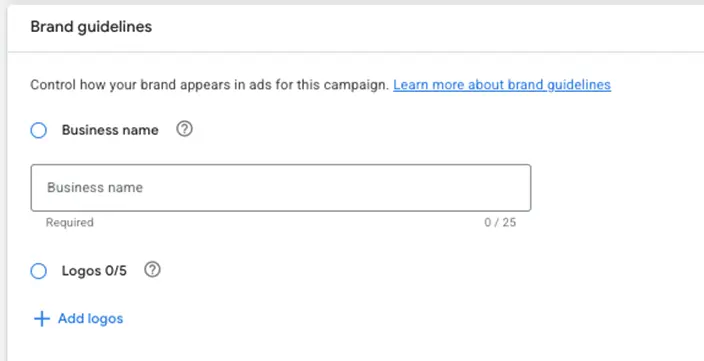
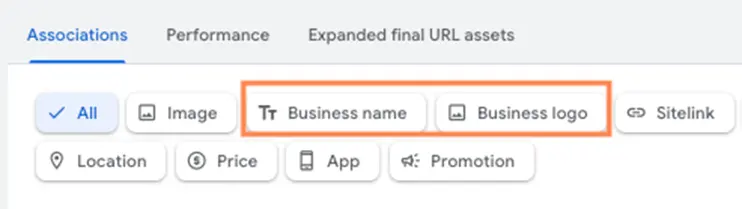
The most fundamental aspect of brand representation in advertising is the consistent use of a business’s official name and logo. Google Ads provides specific controls for these core elements, forming the bedrock of brand recognition.
-
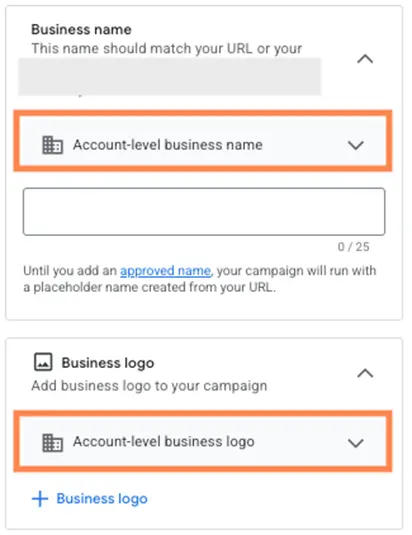
Business Name: Advertisers can input their official business name. However, a significant constraint is the 25-character limit imposed on this field. This limitation can be particularly challenging for businesses with longer or more descriptive names. In such cases, advertisers often need to adopt creative abbreviations or strategic truncations. It is important to note that Google’s algorithms may flag overly creative or non-standard renderings of business names, potentially leading to errors and requiring adjustments to comply with platform policies. This underscores the need for careful consideration when adapting names to fit the character constraints.
-
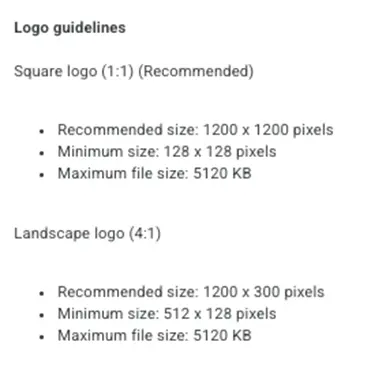
Logos: To enhance visual brand recall, advertisers can upload various logo formats. The platform typically allows for multiple logo variants, including square and landscape orientations. It is highly recommended to upload all permissible logo variants. This includes providing both light and dark versions if available, to ensure optimal display across different ad backgrounds. When selecting logos, advertisers should prioritize those that are easily recognizable even at small sizes, as logos often appear as miniature elements within ad units. The ability to upload multiple versions allows for greater flexibility in how the brand is presented across diverse ad placements and formats, from display banners to social-style ads.
Where These Brand Guidelines Are Applied:
The business name and logo settings are integral to several Google Ads campaign types, appearing in various strategic locations to reinforce brand identity.
-
Performance Max Campaigns: These automated campaigns leverage AI to run ads across all of Google’s channels, including Search, Display, YouTube, Gmail, and Discover. Business name and logo assets are critical for these campaigns, as they are used to construct visually engaging ads that can appear in diverse formats. For instance, logos are prominently displayed in YouTube in-stream ads, Discovery feed ads, and Gmail ads, while the business name is a constant identifier across all placements.
-
Demand Gen Campaigns: Designed for driving demand across YouTube, Discover, and Gmail, these campaigns also heavily rely on visual assets. Advertisers can upload logos and specify their business name, which are then incorporated into carousel ads, video ads, and feed-based advertisements. The ability to provide distinct square and landscape logos is particularly useful here, allowing for optimal placement within different creative templates.
-
Account-Level Settings: In some instances, business name and logo information can be set at the account level, ensuring a baseline brand identity is applied across all campaigns unless overridden by specific campaign settings. This centralized approach simplifies brand management for advertisers running numerous campaigns.
2. Brand Colors: Infusing Visual Consistency
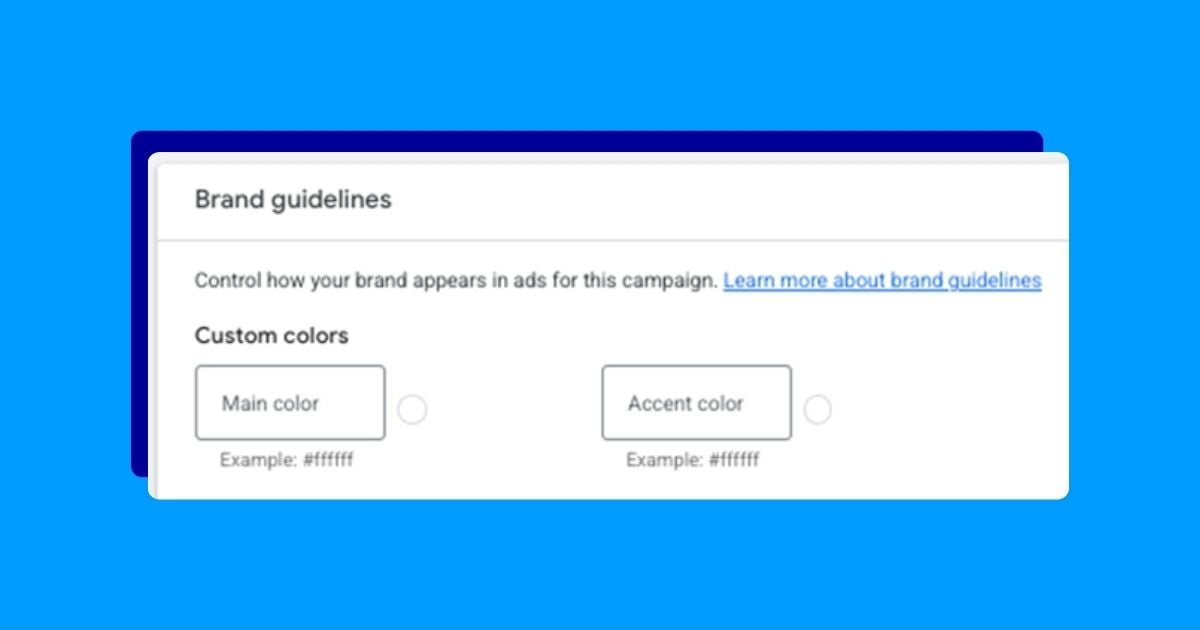
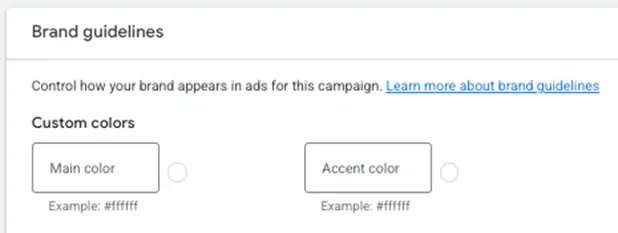
For campaigns that emphasize visual appeal, controlling the color palette used in ad creation is crucial. Google Ads allows advertisers to specify primary and secondary accent colors.
-
Hex Color Codes: The ability to input specific hex color codes offers a high degree of precision, ensuring that the colors used in ads precisely match the brand’s established color palette. This moves beyond generic color selection tools and eliminates the ambiguity often associated with color sliders or predefined shade options.
-
Application in Ads: These specified brand colors can be integrated into various ad elements, including background colors, calls-to-action (CTAs) buttons, and other accent features. This allows for a more cohesive visual experience that aligns with the overall brand aesthetic.
-
AI’s Role and Flexibility: It is important to understand that these are guidelines, not absolute mandates. Google’s AI may, in certain performance-driven scenarios, override specified brand colors if it determines that alternative colors yield better results. This reflects the platform’s continuous optimization efforts, aiming to maximize campaign effectiveness. However, the availability of these controls provides a strong starting point for maintaining brand consistency.
Where Brand Colors Are Utilized:
Brand color settings are primarily leveraged in campaigns that involve more visually dynamic ad formats:
-
Performance Max Campaigns: These campaigns utilize brand colors to customize various ad elements, ensuring that the visual presentation is aligned with the advertiser’s brand identity across different placements and formats.
-
Demand Gen Campaigns: Similar to Performance Max, Demand Gen campaigns use brand colors to enhance the visual appeal of ads, particularly in carousel and feed-based formats, contributing to a more branded and engaging user experience.
3. Fonts: Shaping the Typographical Voice
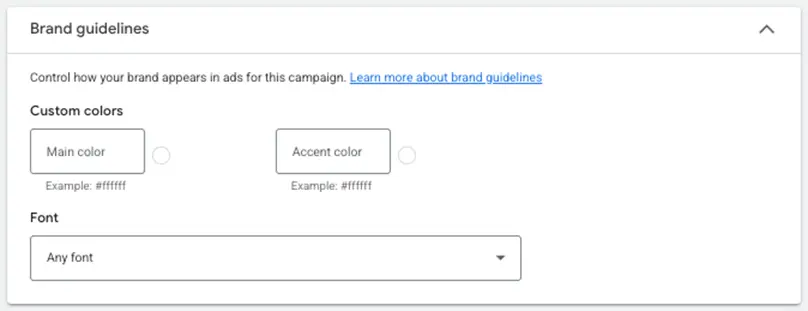
In a select number of accounts, Google Ads offers advertisers the ability to control the fonts used in their advertisements. This feature is typically found alongside color code controls.
-
Font Selection: Advertisers can choose from a curated list of fonts provided by Google. While this offers less granular customization than direct font uploads, the selection is generally designed to include a range of common and versatile typefaces that can align with many brand aesthetics. The goal is to find a font that is at least closely representative of the brand’s existing typography.
-
Impact on Readability and Brand Perception: The choice of font significantly impacts the overall tone and legibility of ad copy. By allowing advertisers to select from a predefined set of fonts, Google aims to ensure that the textual elements of ads are not only visually appealing but also maintain a certain level of brand coherence.
Where Font Guidelines Are Applied:
Font controls are most relevant in campaigns where textual elements are prominent and where a specific typographical style is crucial for brand recognition.
- Performance Max and Demand Gen Campaigns: While not always available, when this feature is active, selected fonts are applied to text within various ad components, contributing to a consistent visual presentation across different placements.
4. Ad Copy Tone and Messaging Signals: Refining the Narrative
The most recent and sophisticated set of brand controls introduced by Google Ads focuses on guiding the AI in generating ad copy that aligns with a brand’s specific tone, sentiment, and messaging strategy. This feature is still rolling out and may not be available in all accounts, but its implications are significant.
-
Term Exclusions: This functionality operates similarly to negative keywords in traditional Google Ads. Advertisers can specify terms or phrases they wish to exclude from ad copy generated by the AI. For example, excluding terms like "cheap" or "low cost" signals that the brand does not want to be positioned as inexpensive or a bargain. This is vital for maintaining premium brand positioning, adhering to ethical marketing standards, or avoiding legally sensitive language.
-
Messaging Restrictions: This feature allows for a more conversational and directive approach, akin to providing instructions to a creative team. Advertisers can input up to 40 distinct directives, each with a substantial character limit (300 characters per directive). These directives can encompass a wide range of messaging requirements, such as "Avoid implying our products are cheap, discounted, or a bargain." Additionally, advertisers can specify stylistic preferences, like "Use capitalization for our brand name: organizationName (not OrganizationName) to help drive those brand guidelines home." This level of detail enables advertisers to meticulously shape the AI’s output, ensuring that the generated ad copy reflects the brand’s voice and core messaging.
Where Ad Copy Tone and Messaging Signals Are Applied:
These advanced controls are primarily designed to influence the text generated within automated campaign formats.
- Performance Max and Demand Gen Campaigns: By providing clear term exclusions and messaging restrictions, advertisers can guide the AI in crafting compelling and on-brand ad copy for these comprehensive campaign types. This is particularly impactful for ensuring that the narrative conveyed in ads aligns with the brand’s overarching marketing strategy.
Strategic Implications and Future Outlook
The continuous development of brand guideline features within Google Ads signifies a critical acknowledgment by the platform of the evolving needs of advertisers. As AI and automation become more deeply embedded in advertising workflows, the ability to maintain brand integrity is no longer a secondary concern but a fundamental requirement for successful digital marketing.
Key Takeaways for Advertisers:
-
Proactive Engagement is Crucial: Advertisers must actively explore and utilize these brand guideline settings. Relying solely on the default automated settings risks brand misrepresentation. A proactive approach ensures that AI-powered campaigns serve as extensions of brand strategy, rather than deviations from it.
-
Understand the Nuances: Each guideline feature has its specific application and limitations. For instance, the character limit for business names requires strategic adaptation, and the flexibility of brand colors means they may be overridden for performance. Understanding these nuances allows for more effective implementation.
-
Leverage All Available Controls: The comprehensive suite of brand guidelines, from logos and colors to messaging signals, offers a powerful toolkit. Utilizing all relevant controls, where applicable, creates a more robust defense against brand dilution.
-
Continuous Monitoring and Adjustment: While these tools provide significant control, the dynamic nature of AI means that ongoing monitoring and occasional adjustments to brand guidelines are essential. Performance data should be reviewed in conjunction with brand consistency metrics.
The introduction and enhancement of these brand guideline controls represent a significant leap forward in empowering advertisers to leverage the power of AI in Google Ads without compromising their brand identity. These features are not merely technical adjustments; they reflect a growing understanding of the symbiotic relationship required between advanced technology and established brand principles. By effectively utilizing these tools, businesses can confidently embrace the efficiencies of automation while ensuring their brand’s voice, visual appeal, and core messaging remain strong and consistent across the vast digital landscape of Google Ads. This evolution is vital for fostering trust and building lasting brand equity in an increasingly automated advertising world.