rifanmuazin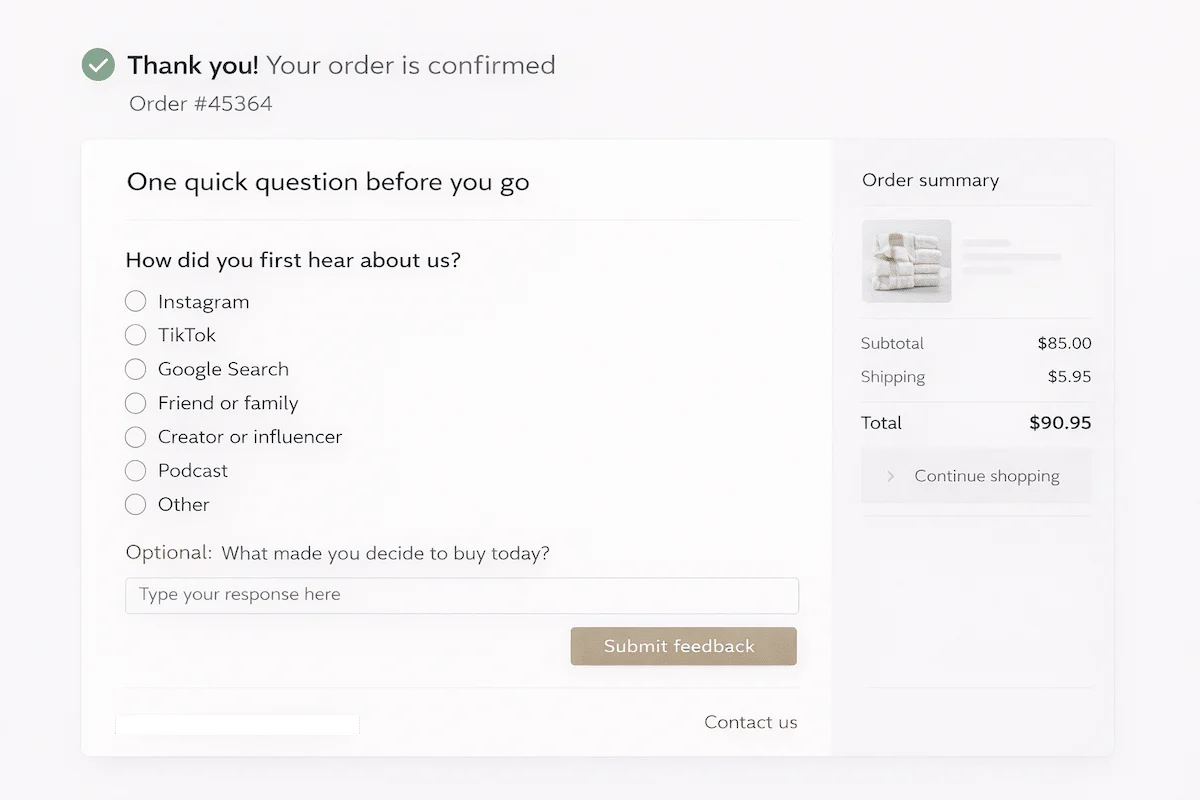
The landscape of global e-commerce and Software as a Service (SaaS) is currently defined by a widening gap between quantitative data and qualitative understanding. While modern analytics platforms provide exhaustive detail on user movements—tracking clicks, scroll depth, and bounce rates—they frequently fail to explain the underlying psychological motivations of the consumer. Industry data suggests that while a shopper may navigate a product page and initiate the checkout process, the “silent exit” remains a pervasive challenge for digital enterprises. To address this, organizations are increasingly turning to targeted customer feedback surveys, not merely as a tool for satisfaction measurement, but as a critical component of Conversion Rate Optimization (CRO).
The fundamental utility of these surveys lies in their ability to diagnose specific friction points at critical moments in the buyer’s journey. By capturing the “why” behind user behavior, businesses can transition from speculative adjustments to data-driven optimizations. Research indicates that the most effective surveys are those that are deployed contextually, moving away from broad, generic inquiries toward high-intent, moment-specific questions.
The Landscape of Digital Friction and Abandonment
The current state of digital commerce reveals a significant efficiency problem. According to the latest benchmarks from the Baymard Institute, approximately 52% of desktop e-commerce sites and 62% of mobile sites possess product page user experiences (UX) that are classified as “mediocre” or worse. This lack of clarity often leads to a phenomenon where users reach a product page but fail to take the primary action of adding an item to their cart.
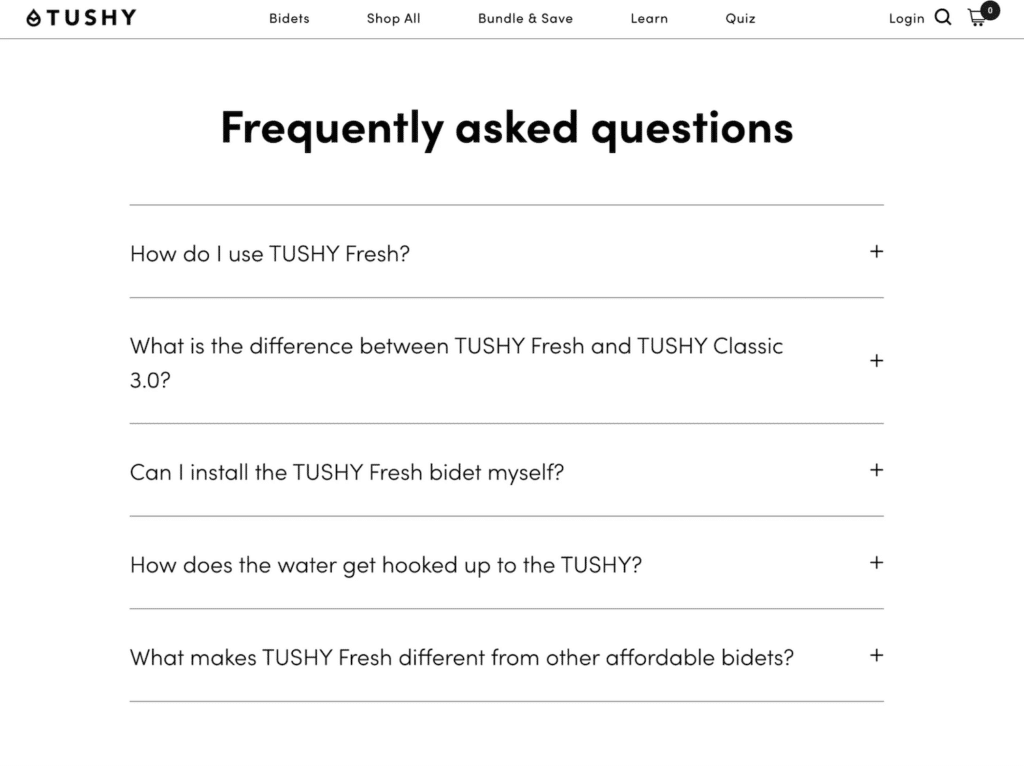
Market analysis identifies five primary reasons for this hesitation: insufficient product information, lack of social proof or trust signals, unanswered questions regarding compatibility or installation, hidden costs such as shipping or taxes, and a general lack of urgency. For instance, brands like TUSHY have mitigated these issues by integrating frequently asked questions directly onto product pages, addressing installation and compatibility concerns before they manifest as friction.
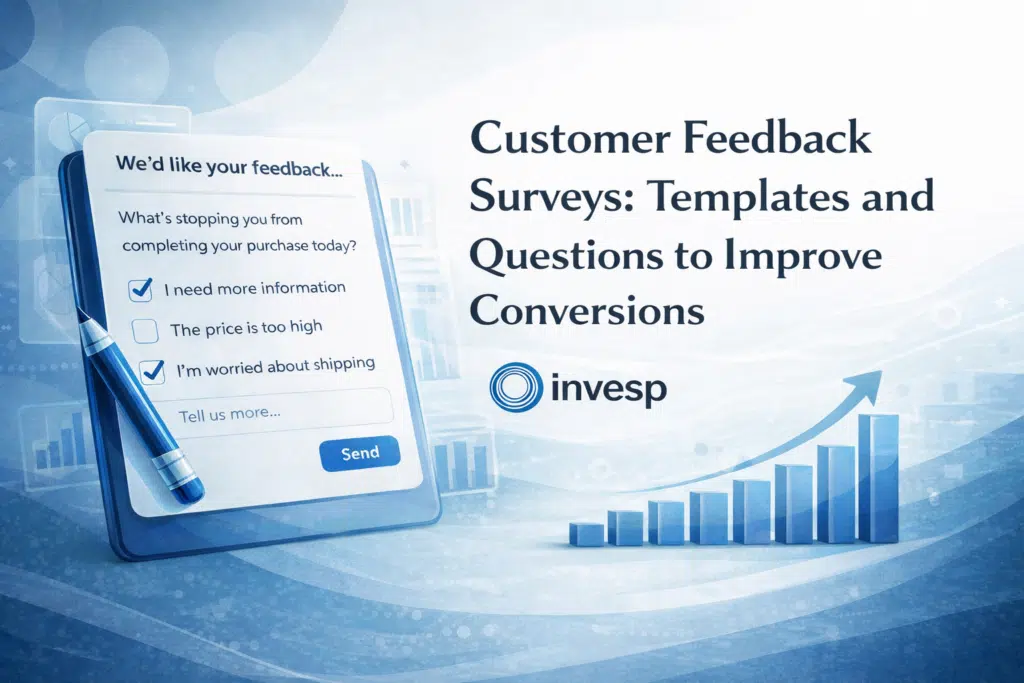
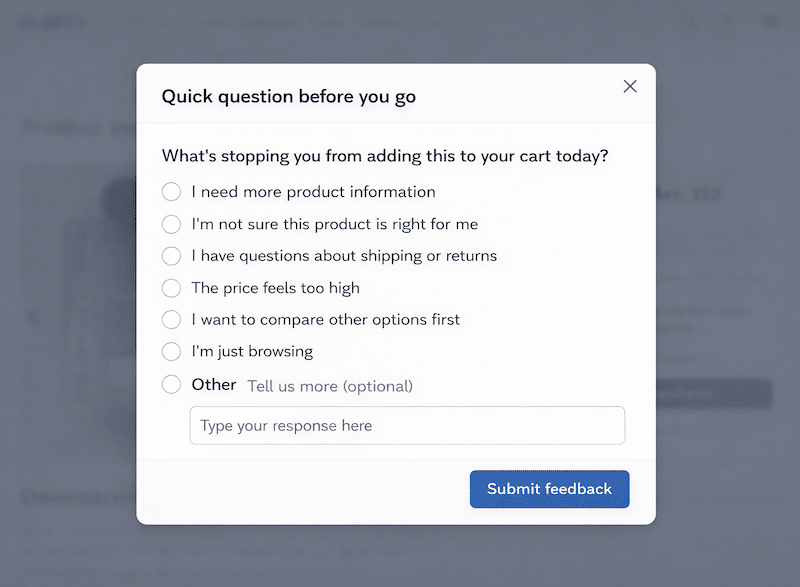
When organizations deploy surveys to address non-converters, the data typically reveals a need for better information architecture. A survey asking, “What’s stopping you from adding this to your cart today?” often yields actionable insights into whether the price is perceived as too high, if the shipping policy is unclear, or if a specific technical detail is missing. Analysts suggest that providing multi-choice options in these surveys reduces the cognitive load on the user, leading to higher response rates and cleaner data sets for optimization teams.
Chronology of the Checkout Crisis
The transition from “add to cart” to “completed purchase” represents the highest-intent phase of the customer journey, yet it is also where the most significant revenue loss occurs. The Baymard Institute’s cumulative research places the average cart abandonment rate at 70.19%. This figure suggests that even when a consumer has expressed a clear intent to buy, systemic barriers frequently prevent the final transaction.
The chronology of checkout abandonment typically follows a predictable pattern. A user enters the checkout flow with a positive intent, only to encounter unexpected costs, such as shipping fees or mandatory account creation. As the process becomes more restrictive or time-consuming, the user’s anxiety increases while their motivation wanes.
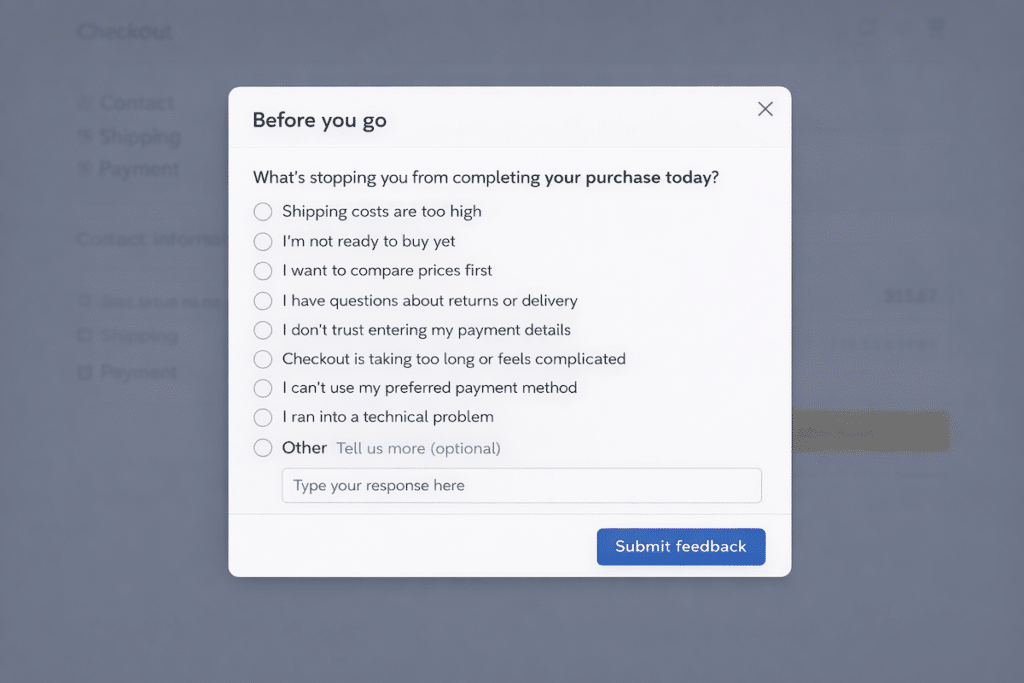
Industry experts note that checkout surveys must be more concise than those on product pages. The objective is to identify the specific barrier—be it a lack of a preferred payment method, technical errors, or a complex navigation structure—standing between the intent and the purchase. By asking, “What’s stopping you from completing your purchase today?” businesses can isolate whether the issue is a “surprise” cost or a technical failure. This feedback often serves as the primary catalyst for A/B testing new checkout configurations, such as “guest checkout” options or transparent shipping calculators.
The Shift Toward Zero-Party Data and Attribution
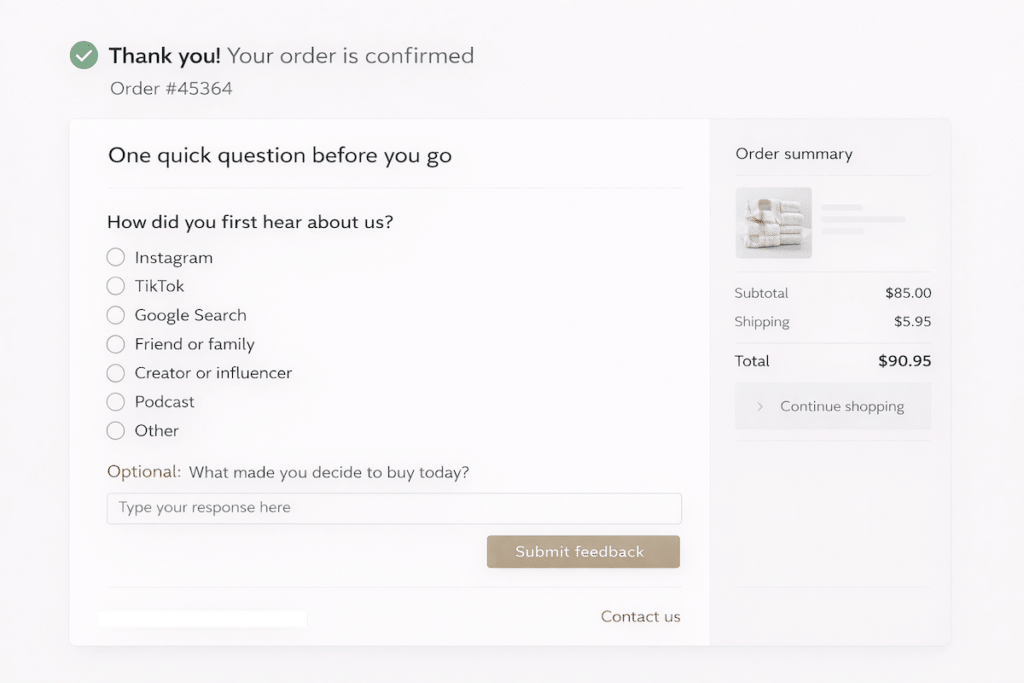
In an era of increasing privacy regulations and the phasing out of third-party cookies, the importance of “zero-party data”—information intentionally shared by the consumer—has reached a critical peak. Post-purchase surveys have emerged as a primary vehicle for gathering this data. These surveys allow brands to understand the true drivers of a purchase, the influence of various marketing channels, and the level of friction experienced during the transaction.
A notable case study involves the brand Weezie, which utilized post-purchase attribution surveys to discover that approximately 35% of its customer base was driven by word-of-mouth recommendations. This insight, which is often invisible to traditional digital tracking tools, allowed the organization to reallocate marketing budgets toward community-building and referral programs rather than over-investing in paid search or social ads that may have been over-credited by algorithmic attribution models.
The “How did you first hear about us?” (HDYHAU) question has become a standard in the industry. It provides a signal for channels that are traditionally difficult to measure, such as podcasts, offline mentions, and organic social media interactions. Furthermore, asking what nearly prevented a sale provides a “pre-mortem” insight into potential friction points that successful customers managed to overcome, but which likely deterred less-motivated shoppers.
Activation Challenges in the SaaS Sector
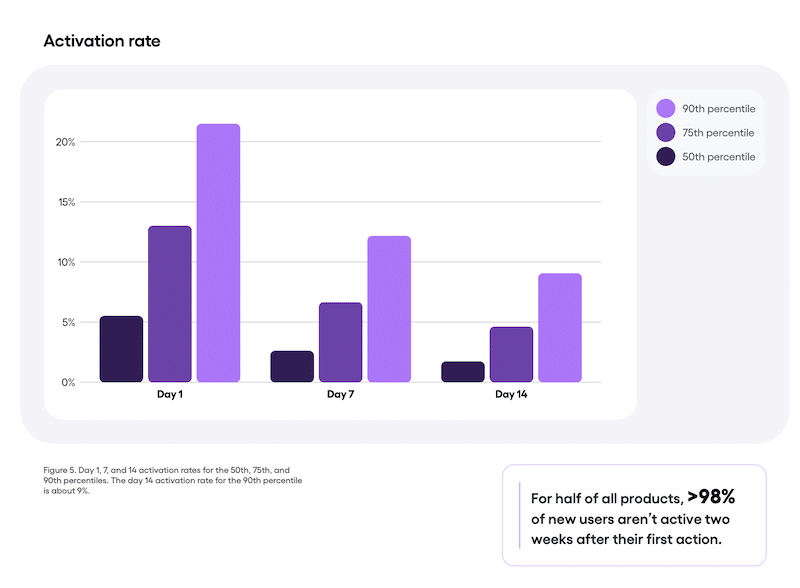
The challenge of user retention is perhaps most acute in the SaaS sector. Data from Amplitude’s product benchmark report indicates a stark reality for software providers: by the 14th day of a trial, the median product retains only 2% of its new users. Even the highest-performing products in the top decile only manage to keep 9% of users active. This drop-off suggests that the majority of users sign up but fail to reach the “Aha! moment”—the point where they realize the product’s core value.
The primary reasons for this failure to activate include a lack of clear onboarding, a setup process that is perceived as too time-consuming, or a mismatch between marketing promises and product reality. Activation surveys deployed during the first 24 to 72 hours of a trial are essential for identifying these hurdles. By asking, “What’s stopping you from getting started today?” SaaS companies can determine if users are overwhelmed by the interface or if they simply lack the technical integration required to proceed.
Analysts argue that these insights are vital for refining the “Time to Value” (TTV) metric. If survey data reveals that users find the setup “too complicated,” the product team can prioritize simplified onboarding flows or automated integrations to reduce the initial barrier to entry.
The Economic Impact of Returns and Churn
Beyond the initial conversion, the long-term health of a digital business is dictated by its ability to minimize returns and maximize retention. The National Retail Federation (NRF) reported that retailers expected approximately 16.9% of annual sales to be returned in 2024, with that figure projected to rise to 19.3% for online sales in 2025. This represents a staggering $890 billion in returned merchandise, creating significant logistical costs and eroding profit margins.
Customer feedback surveys conducted at the point of return or cancellation are critical for understanding this expectation mismatch. Research from PowerReviews highlights that “poor fit” is the most common reason for returns in the retail sector, while other post-purchase dissatisfaction is driven by damaged items or products that do not match their online descriptions.
In the subscription economy, churn surveys serve a similar purpose. When a customer decides to cancel a service, the organization has one final opportunity to understand the driver—whether it be a lack of perceived value, a change in financial circumstances, or the discovery of a competitor’s superior offering. Bain & Company’s research on customer loyalty emphasizes that even a 5% increase in customer retention can lead to a profit increase of 25% to 95%. Consequently, the data gleaned from cancellation surveys is often more valuable than the lost revenue itself, as it informs the strategy for retaining future cohorts.
Methodological Rigor in Survey Design
The efficacy of a customer feedback program is heavily dependent on the quality of the questions asked. Professional standards for CRO surveys dictate several best practices to ensure high-quality data:
- Specificity Over Breadth: Vague questions like “How was your experience?” yield generic answers. Questions must be tied to a specific action or moment of friction.
- Low Effort for the User: Multi-choice formats with an “Other” option are preferred over blank text boxes. This lowers the barrier to completion while still allowing for nuanced feedback.
- Timing and Context: Surveys should be triggered by specific behaviors—such as exit intent on a checkout page or the completion of a purchase—rather than appearing randomly.
- Objective Language: Questions must avoid leading the customer or introducing bias. The goal is to uncover the truth, not to validate internal assumptions.
Broader Implications for Business Strategy
The integration of qualitative survey data into the broader business strategy marks a shift from reactive troubleshooting to proactive market positioning. By systematically collecting and analyzing customer feedback, organizations can build a more accurate profile of their target audience, refine their value propositions, and prioritize their development roadmaps based on actual user needs rather than executive intuition.
Furthermore, the use of these surveys fosters a culture of customer-centricity. When a company demonstrates that it is listening to the specific concerns of its users—and more importantly, acting on that feedback to improve the user experience—it builds brand equity and long-term loyalty. In a saturated digital marketplace where acquisition costs continue to climb, the ability to convert a higher percentage of existing traffic and retain a larger share of existing customers is the primary differentiator between market leaders and their competitors.
In conclusion, customer feedback surveys are no longer optional “add-ons” for digital businesses; they are essential instruments for navigating the complexities of modern consumer behavior. By bridging the gap between what users do and why they do it, these tools provide the necessary insights to optimize conversions, reduce churn, and drive sustainable growth in an increasingly competitive global economy.