
 rifanmuazin
Paid search advertising generated a record-breaking $102.9 billion in U.S. revenue in 2024, solidifying its position as the primary driver of the digital marketing economy. This staggering figure represents nearly 40% of all digital advertising revenue, a testament to the enduring effectiveness of placing brand messaging in front of consumers at the precise moment of high-intent inquiry. As the industry moves into 2025, the landscape is characterized by a dual reality: unprecedented scale and increasingly thin margins. While the reach of search engines has never been greater, rising cost-per-lead (CPL) averages—climbing from $66.69 in 2024 to an estimated $70.11 in 2025—have forced marketers to move beyond simple keyword bidding toward a more sophisticated, full-funnel optimization strategy.
The Dominance of Search in the Digital Ecosystem
The current dominance of paid search is a result of a multi-decade shift in consumer behavior. Search remains the only digital channel where the user explicitly declares their intent through a text or voice query. This “pull” marketing model differs fundamentally from “push” models like social media or display advertising, where ads interrupt the user experience. According to recent market data, Google Ads maintains a commanding lead with roughly 90% of the global search market share. This dominance provides advertisers with an expansive ecosystem that includes not only search results but also YouTube, Gmail, and the Google Display Network.
However, the 2024-2025 period has seen a notable resurgence in secondary platforms. Microsoft Advertising, while holding a smaller share of the search market, has expanded its reach through syndication deals with Yahoo, AOL, DuckDuckGo, and Ecosia. Furthermore, Microsoft’s exclusive partnership to provide the ad-supported tier for Netflix has opened new avenues for search-adjacent audience targeting that were previously inaccessible through traditional search engines.
Chronology of the Search Auction Evolution
To understand the current state of paid search, one must look at the evolution of the auction mechanics. Historically, search was a “highest bidder wins” environment. This changed as search engines prioritized user experience, leading to the development of the modern Ad Rank system.
- The Early Era (1998–2002): Bidding was transparent and based solely on the amount an advertiser was willing to pay per click.
- The Introduction of Quality Score (2005): Google introduced a relevance metric, ensuring that high-paying but irrelevant ads would not clutter the user experience.
- The Mobile Shift (2012–2016): Auctions began factoring in device type and location, as mobile search volume surpassed desktop.
- The AI and Automation Era (2020–Present): The introduction of Performance Max (PMax) and Responsive Search Ads (RSAs) signaled a shift from manual keyword control to machine-learning-driven optimization.
In today’s environment, the auction occurs in milliseconds. When a user enters a query, the engine identifies eligible advertisers and calculates an Ad Rank based on the Maximum Bid, the Quality Score (which includes expected click-through rate, ad relevance, and landing page experience), and the expected impact of ad assets. The winner pays only $0.01 more than the Ad Rank of the advertiser immediately below them, a “second-price” auction model designed to encourage fair bidding.

Analytical Breakdown of Paid Search vs. Organic SEO
While often grouped under the umbrella of Search Engine Marketing (SEM), paid search and organic search (SEO) serve different strategic functions. Journalistic analysis of marketing spends in 2024 shows that top-performing firms utilize a hybrid approach.
| Aspect | Paid Search (PPC) | Organic Search (SEO) |
|---|---|---|
| Direct Cost | Pay-per-click; immediate budget requirement | No direct cost per click; requires labor/content investment |
| Speed to Market | Immediate visibility upon campaign launch | Long-term (3–12 months for significant ranking) |
| Targeting Control | High; specific to geography, time, and demographics | Limited; dependent on algorithmic interpretation |
| Sustainability | Traffic stops when the budget is exhausted | Traffic compounds and persists over time |
Experts suggest that paid search is most effective for product launches, seasonal promotions, and highly competitive commercial terms where organic dominance is mathematically improbable. Conversely, SEO remains the gold standard for top-of-funnel brand building and informational authority.
The Proliferation of Ad Formats and AI Integration
The modern advertiser no longer relies solely on the traditional blue-link text ad. The 2024-2025 landscape features a diverse array of formats designed for specific user intents:
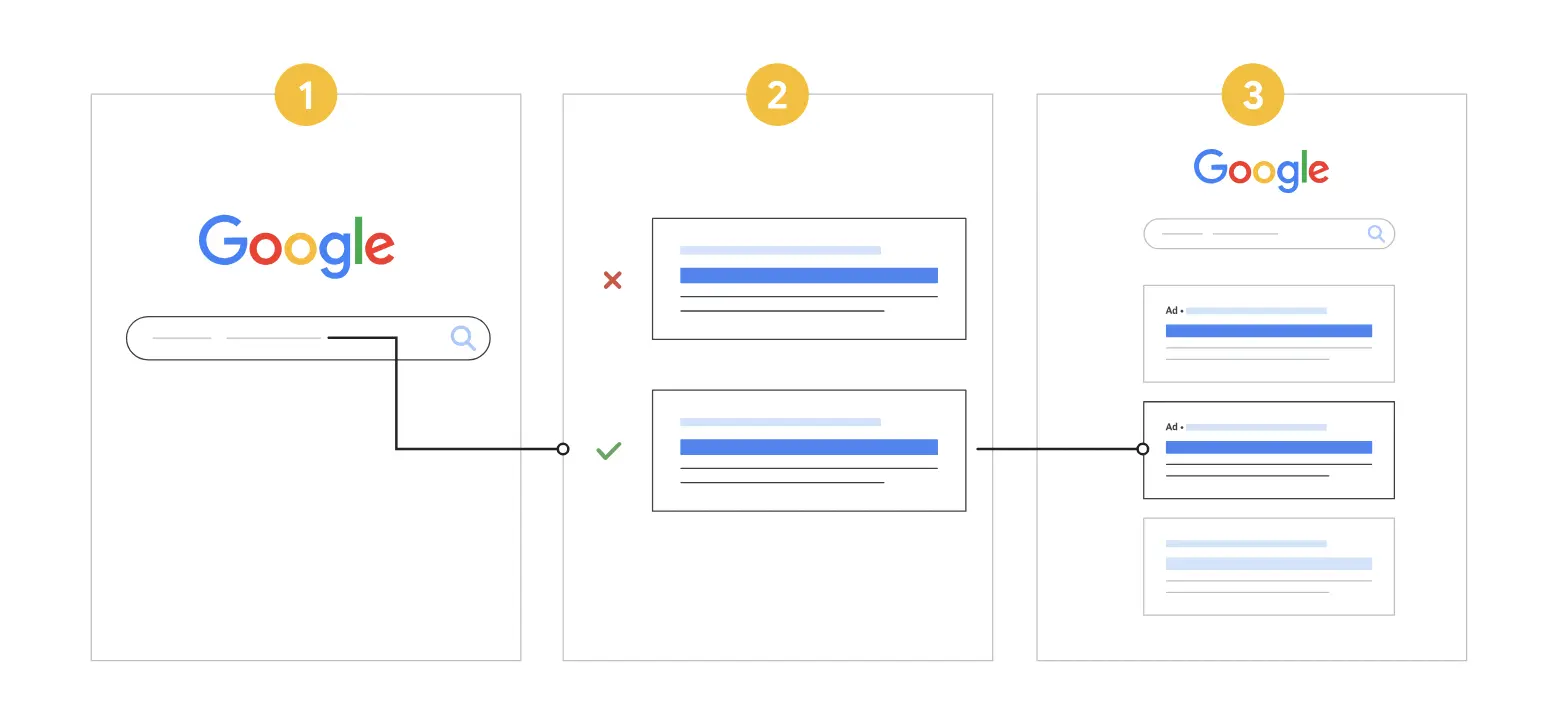
Responsive Search Ads (RSAs)
As the current default, RSAs allow advertisers to input multiple headlines and descriptions. Google’s AI then tests various combinations to determine which resonates best with specific user profiles. This format has effectively ended the era of static A/B testing, replacing it with continuous, automated multivariate testing.
Performance Max (PMax)
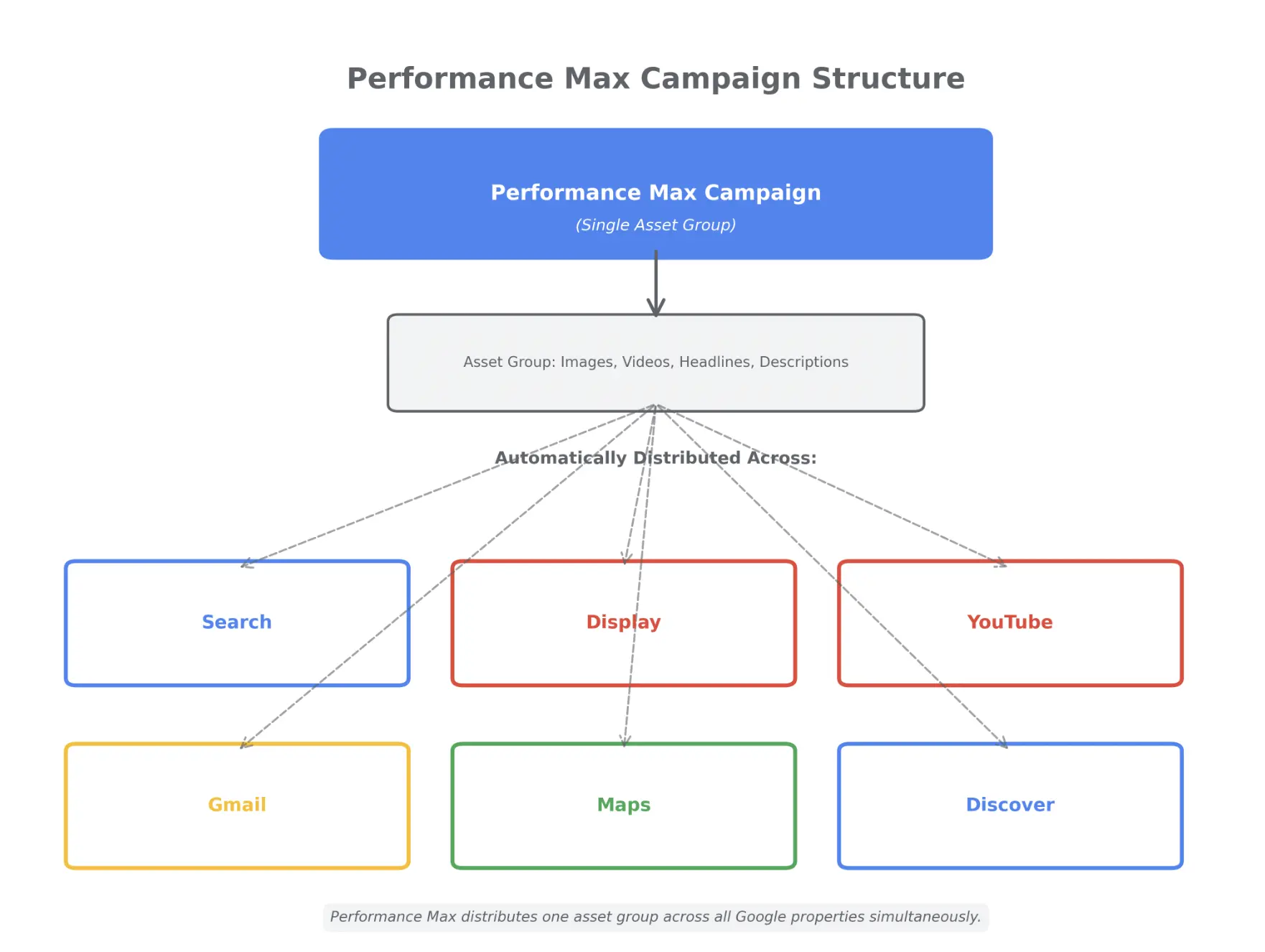
Performance Max represents the pinnacle of automation in search advertising. By providing a single set of assets—images, videos, headlines, and logos—advertisers allow Google’s AI to serve ads across all available channels. While some marketers express concern over the “black box” nature of PMax data, the format has proven highly effective at finding conversions across fragmented user journeys.
Apple Search Ads (ASA)
As privacy regulations like Apple’s App Tracking Transparency (ATT) have made social media tracking more difficult, Apple Search Ads has seen a surge in investment. By appearing at the top of App Store results, ASA provides a direct path to conversion for the $170 billion app economy, bypassing many of the tracking hurdles found on other platforms.
The Post-Click Experience: A Critical Failure Point
Despite the $100 billion invested in driving traffic, industry data suggests that a significant portion of this spend is wasted due to poor post-click experiences. The average conversion rate for a generic homepage is between 2% and 4%, whereas dedicated, message-matched landing pages often see rates of 10% to 15%.
Market analysts point to “Message Match” as the single most important factor in search ROI. If an ad promises a “Free 14-Day Trial” but the landing page focuses on “Enterprise Consultation,” the cognitive dissonance leads to immediate bounces. Furthermore, the technical health of the landing page is now a factor in the auction itself. Google’s Quality Score explicitly weights page load speed; a one-second delay in mobile load time can correlate with a 20% drop in conversion potential, effectively increasing the advertiser’s cost-per-acquisition (CPA) without any change in the competitive landscape.
Broader Impact and Industry Implications for 2025
The trajectory of paid search suggests several major shifts for the coming year. First, the integration of Generative AI into search results—such as Google’s Search Generative Experience (SGE)—is changing how ads are displayed. Advertisers will likely need to bid on more conversational, long-tail queries as users move away from simple keyword searches toward complex, natural-language questions.

Second, the “Privacy Sandbox” and the gradual phasing out of third-party cookies are making first-party data more valuable. Paid search platforms are increasingly relying on “enhanced conversions,” where advertisers share hashed first-party data (like email addresses) to improve attribution accuracy.
Finally, the economic climate of 2025 is expected to drive a focus on “efficiency metrics” over “vanity metrics.” Marketers are moving away from tracking Clicks and Impressions, focusing instead on Return on Ad Spend (ROAS) and Customer Lifetime Value (CLV). This shift reflects a more mature market where the goal is no longer just visibility, but sustainable, profitable growth.
Official Responses and Expert Outlook
Industry leaders from major advertising agencies have signaled a “flight to quality” in search strategy. In recent briefings, digital strategy officers have emphasized that as AI takes over the technical aspects of bidding and ad creation, the human element of marketing—strategy, creative messaging, and landing page optimization—becomes the only remaining competitive advantage.
“The automation of the auction means that everyone is eventually using the same bidding algorithms,” noted one senior industry analyst. “The winners in 2025 will be those who can provide the most seamless transition from a user’s question to a brand’s solution. That happens on the landing page, not in the bidding console.”
As paid search advertising continues to evolve, it remains the bedrock of digital commerce. However, the $102.9 billion revenue milestone serves as both a sign of the channel’s strength and a warning of its cost. For businesses to thrive, they must view paid search not as a standalone tactic, but as the beginning of a customer journey that requires meticulous attention from the first click to the final conversion.








