rifanmuazin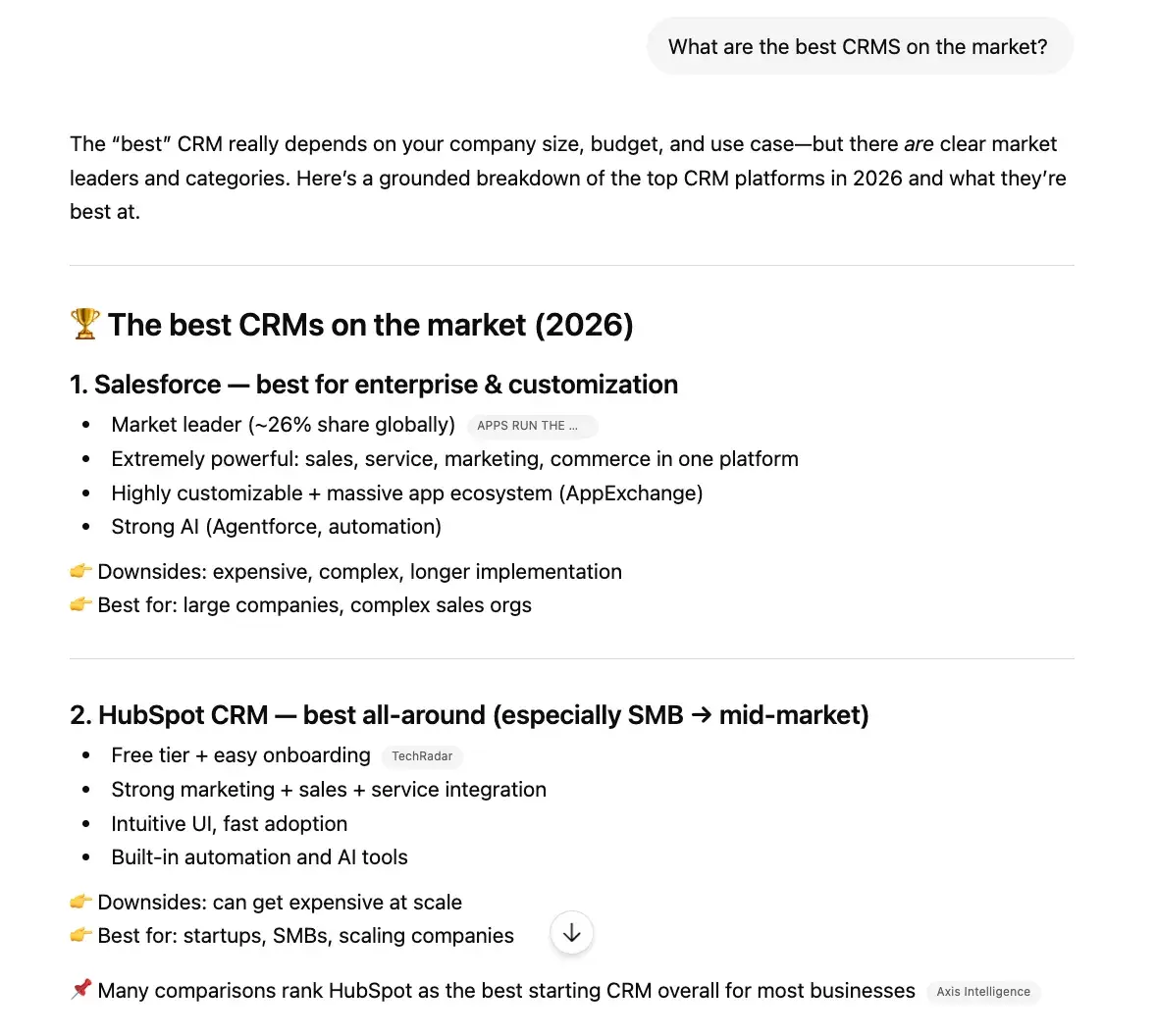
The landscape of digital search has undergone a fundamental transformation, shifting from traditional keyword-based results to intelligent, AI-driven answers. This paradigm shift necessitates a new approach for brands seeking online visibility: Answer Engine Optimization (AEO). Far from requiring exorbitant investments in high-end technology, extensive testing across numerous brand audits reveals that robust, meaningful AEO data can be effectively gathered using readily available free and freemium tools. This development empowers marketers, from solo practitioners to seasoned SEO leads, to proactively understand how AI platforms like ChatGPT, Perplexity, and Google Gemini perceive their brand, what information they disseminate, and precisely where to focus their optimization efforts.
The Evolution of Search: From Keywords to Conversational AI
For decades, Search Engine Optimization (SEO) was the undisputed champion of digital visibility. Its primary goal was to secure top rankings on search engine results pages (SERPs) for specific keywords, driving organic traffic through clicks. However, recent data indicates a significant evolution. Google searches increasingly conclude without a click, with studies suggesting around 60% of searches now fall into this “zero-click” category. This trend is largely attributed to the proliferation of rich snippets, featured snippets, and, more recently, AI Overviews that provide direct answers within the search interface.

Simultaneously, the meteoric rise of generative AI models has reshaped how users seek and consume information. ChatGPT, a leading example, has surpassed 900 million weekly active users since its launch, signaling a massive shift towards conversational AI for information retrieval. Google’s own AI Overviews now appear in at least 13% of all searches, fundamentally altering the interaction between users and search results. The critical question for brands is no longer solely about ranking on page one, but rather, “Does AI cite my brand at all?”
Defining Answer Engine Optimization (AEO)
Answer Engine Optimization (AEO) is the specialized practice of structuring and optimizing digital content to ensure that AI engines can effectively discover, comprehend, and cite it when formulating responses for user queries. While SEO aims for higher search rankings, AEO’s ambition is to establish a brand as a definitive source of truth that these AI-generated answers draw upon. The distinction is crucial: SEO focuses on the path to information, whereas AEO targets becoming the information itself within an AI context.
These two disciplines are not mutually exclusive; rather, they are deeply complementary. Research consistently demonstrates a strong correlation between high organic search rankings and AI citations. For instance, approximately 92% of AI Overview citations link to pages already ranking within the top 10 organic results. However, simply achieving a number one Google ranking does not guarantee mention by ChatGPT or other AI models. AEO demands a distinct set of signals: content designed for direct answers, clear entity recognition, robust structured data implementation, a strong demonstration of E-E-A-T (Experience, Expertise, Authoritativeness, Trustworthiness), and content meticulously formatted for clean extraction by large language models (LLMs).

Answer engine optimization tools are designed to measure and enhance these specific signals. They broadly fall into two categories: those that monitor how AI engines perceive and cite a brand, and those that assist in optimizing content for AI readability and comprehension. The encouraging news for marketers is that a substantial budget is not a prerequisite to begin this vital work, thanks to a growing ecosystem of free and freemium options.
Essential Free and Freemium AEO Tools for Immediate Impact
Navigating the nascent and rapidly evolving AEO tooling landscape can be daunting. Many marketers are unsure where to begin, often confusing passive AI presence monitoring with active optimization. The following curated list provides the best free and freemium tools available today, along with practical applications for a structured AEO workflow.
1. HubSpot AEO Grader:
This tool is highly recommended as a starting point for any team. The HubSpot AEO Grader provides a free, instant snapshot of a brand’s performance within answer engines. It offers insights into overall visibility and the sentiment (favorable or unfavorable) associated with the brand’s description. The grader generates a composite score out of 100 across key dimensions, offering a clear baseline. HubSpot’s research highlights that even prominent brands often reside in the “average” visibility zone, indicating a significant competitive advantage for early adopters of deliberate optimization. Running the grader on key competitors alongside one’s own brand yields invaluable comparative data on share-of-voice and market position.
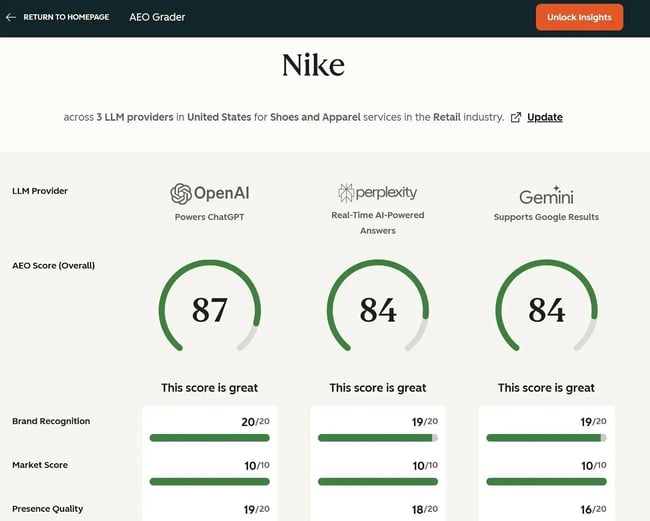
- Best for: Marketers and brand teams seeking a rapid, scored baseline of AI visibility at no cost.
- Free plan: Completely free, with no credit card requirement or feature limitations.
2. Google Search Console (GSC):
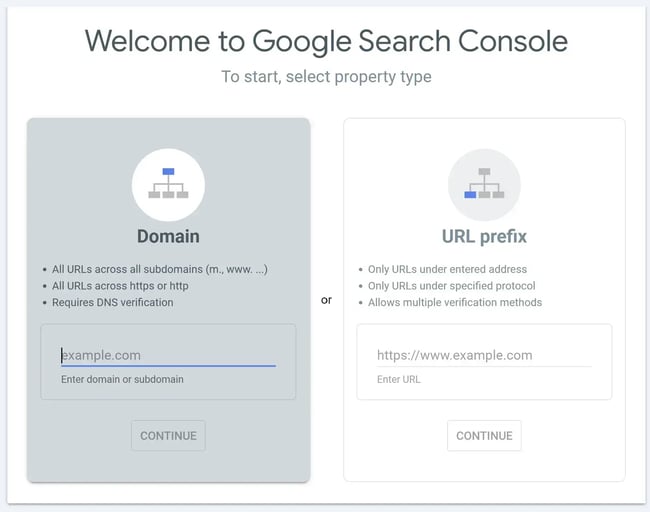
Despite its longstanding presence, Google Search Console remains an underutilized asset for AEO. Within its Performance report, filtering queries by question words (who, what, how, why, when, which) can reveal crucial AEO insights. High impressions coupled with low click-through rates often signify that content is appearing in Google’s AI Overviews or featured snippets, yet users are finding their answers directly without needing to click through to the source. This data, stemming directly from Google’s index, is authoritative for identifying visibility gaps within AI Overviews. Furthermore, GSC’s Coverage and Enhancements reports flag structured data errors that could impede answer engines from accurately interpreting page content.
- Best for: Identifying specific questions and queries driving AI Overview impressions, even without direct clicks, and diagnosing structural data issues.
- Free plan: Fully free for verified site owners.
3. SE Ranking AEO Tool (Free Trial):
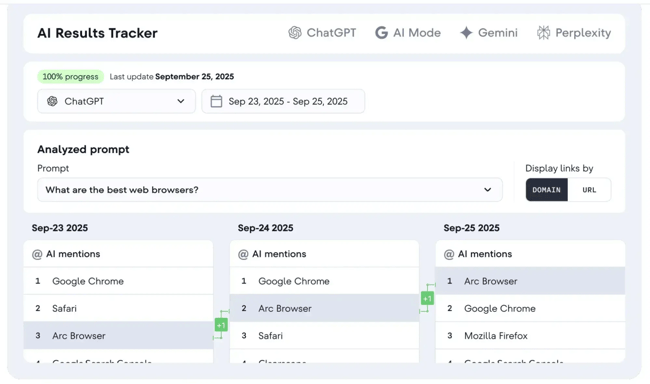
SE Ranking offers a dedicated AEO tool designed for monitoring brand mentions and citations, complete with competitor benchmarking capabilities. The platform’s proprietary research, spanning over 129,000 domains, has yielded concrete optimization advice, such as the finding that pages structured into 120-180 word sections achieve 70% more ChatGPT citations than those with shorter sections. This type of data transforms AEO from a speculative endeavor into a data-driven strategy. The tool covers Google AI Overviews and ChatGPT, with Perplexity support under development, offering platform-specific metrics across five distinct trackers.
- Best for: Teams aiming to transition from a one-time audit to continuous citation tracking across major AI platforms, backed by actionable research.
- Free plan: Offers a free trial; paid plans include daily AI prompts and full tracker suites.
4. Ahrefs Brand Radar (Free Tier):
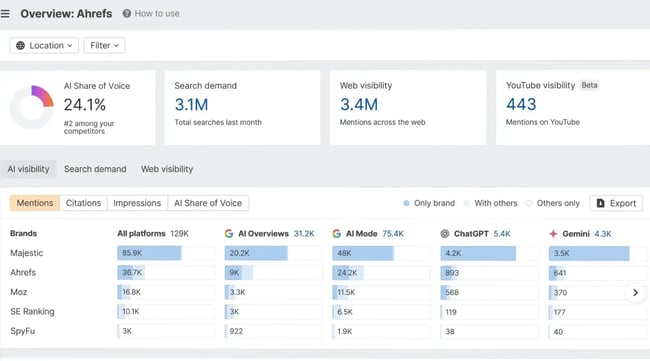
Before any content can be cited by answer engines, these systems must be able to crawl the site. Ahrefs Brand Radar provides a free dashboard view of AI crawler traffic, including GPTBot (OpenAI), ClaudeBot (Anthropic), and PerplexityBot. Verifying access for these bots is a fundamental prerequisite for any AEO strategy. This tool effectively bridges the gap between technical SEO and AEO, as content optimization efforts will be futile if server logs indicate that these critical bots are being blocked or throttled.
- Best for: Technical teams needing to confirm that LLM crawlers are successfully accessing their website.
- Free plan: Basic AI crawler traffic monitoring is available for free.
5. Google’s Rich Results Test + Schema Markup Validator:
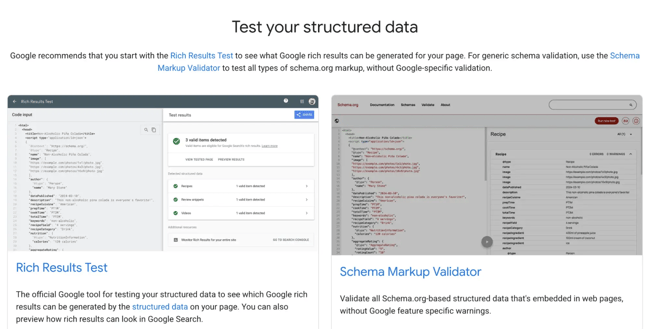
Structured data forms the foundational backbone of effective AEO. Implementing schema types like FAQPage, Article, and Product schema significantly aids answer engines in interpreting the semantic structure of content, rather than merely its surface text. Google’s free Rich Results Test validates schema implementation and indicates which rich result types a page qualifies for. Complementing this, the Schema Markup Validator helps catch syntax errors in structured data before they can impact live pages. These tools offer authoritative, ground-truth validation directly from Google, requiring no account or payment.
- Best for: Diagnosing and rectifying structured data errors that impede answer engine comprehension.
- Free plan: Both tools are entirely free.
6. ProductRank.ai:
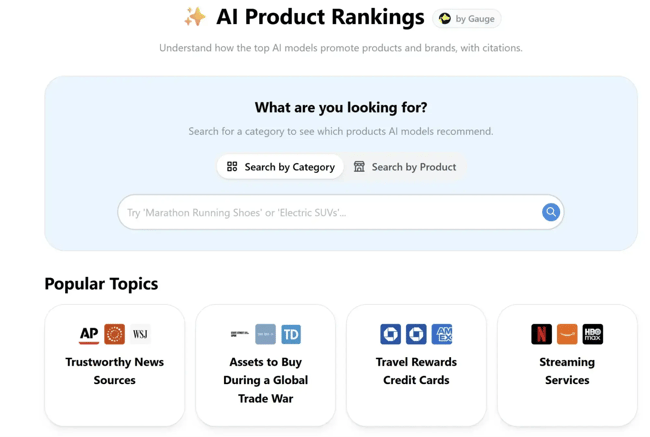
ProductRank.ai offers free brand visibility checks across major LLMs, serving as a valuable second opinion to validate answer engine citation presence beyond technical readiness scores. It’s particularly useful for cross-referencing surprising results from other tools. This platform is praised for its speed, ease of use (no account required for basic checks), and its ability to cover multiple answer engines in a single pass.
- Best for: A quick, free, multi-LLM cross-check of brand visibility.
- Free plan: Free brand visibility checks are available.
7. ChatGPT, Perplexity, and Gemini (Manual Prompt Testing):
Before investing in any paid solution, dedicating 30 minutes to manual prompt testing is highly recommended. By entering direct questions about your brand, products, or industry into ChatGPT, Perplexity, and Gemini, marketers can gain firsthand insight into how each platform describes their brand and which sources it cites. This manual exercise is invaluable for developing the intuitive understanding necessary to interpret automated tool outputs effectively, shifting the mental framework from keywords to conversational prompts. It’s advisable to screenshot or export these results monthly, as answer engines continuously update their training data, leading to potentially different responses over time.
- Best for: Gaining direct, real-time understanding of how AI describes your brand and competitors at zero cost.
- Free plan: Free (ChatGPT free tier, Perplexity free tier, Gemini free access).
8. Writesonic AI Search Grader:
Writesonic’s AI Search Grader tracks how answer engines cite a brand and, critically, endeavors to explain why citations might be missing, highlighting underlying content gaps. Covering ChatGPT, Gemini, Perplexity, and more, this tool provides a more actionable approach than many monitoring-only solutions. While most tools merely report a lack of citation, Writesonic strives to pinpoint the content and authority gaps responsible, offering direct guidance for content teams.
- Best for: Content teams seeking a unified workflow for visibility monitoring and actionable content recommendations.
- Free plan: Free trial available; paid plans vary by feature set.
9. Semrush AI Toolkit (Freemium):
For existing Semrush users, the AI Toolkit seamlessly integrates answer engine visibility and AI Overviews tracking into their current suite. If a team is already utilizing Semrush for keyword tracking, backlink analysis, and site audits, the AI Toolkit extends this functionality to monitor AI Overview presence for tracked keywords and observe changes over time. This integration is highly beneficial, as it allows marketers to view both traditional SEO and AEO signals within a single reporting environment, reducing fragmentation and streamlining measurement.
- Best for: Teams already using Semrush who want to expand their existing workflow into AEO without adopting a new platform.
- Free plan: Freemium (limited queries on the free plan; AI features generally require paid plans).
A Practical Workflow for Free Answer Engine Optimization
The true value of these tools is realized when applied systematically. A structured workflow is crucial for teams beginning their AEO journey.
Step 1: Audit Your Answer Engine Visibility and Citations.
Begin by establishing a clear baseline. Use the HubSpot AEO Grader to assess your brand’s performance and that of two to three primary competitors, noting composite scores and areas of weakness. Concurrently, perform manual prompt tests in ChatGPT, Perplexity, and Gemini to observe verbatim how each platform describes your brand and identifies its sources. Simultaneously, leverage Ahrefs Brand Radar to confirm that critical LLM crawlers (GPTBot, ClaudeBot, PerplexityBot) are successfully accessing your site. Any blocking or throttling issues in your robots.txt or server configuration must be addressed immediately, as crawlability is the foundational layer for all subsequent AEO efforts. The focus here is to determine if your brand is mentioned at all, whether the description is accurate, which sources are cited, and which competitors appear in your absence.
Step 2: Structure Pages to Win Answers.
Once visibility gaps are identified, the next phase involves optimizing the structural signals that AEO heavily relies upon. This includes implementing robust structured data (e.g., FAQPage, HowTo, Article schema) to enhance AI comprehension. Utilize Google Search Console to identify high-impression, low-click queries that indicate AI Overview presence, then refine content on those pages for direct answer potential. Employ Google’s Rich Results Test and Schema Markup Validator to ensure structured data is correctly implemented and free of errors. This step also involves ensuring content is organized logically with clear headings, concise answers to common questions, and a demonstrable E-E-A-T profile.
Step 3: Competitive Analysis to Find Gaps and Opportunities.
Revisit your tools with a sharpened competitive lens. Use the HubSpot AEO Grader to continuously benchmark your performance against competitors, looking for shifts in share-of-voice or sentiment. Conduct manual prompt testing to see how competitors are being cited for specific queries where your brand is absent. Additionally, leverage free trials of tools like SE Ranking to gain deeper insights into competitor citation patterns and content structures that are winning AI mentions. This analysis helps identify strategic content gaps and informs future optimization priorities.
Connecting AEO efforts to tangible business outcomes is paramount. Emerging data suggests that answer engine visitors convert at significantly higher rates than traditional organic traffic, with some analyses indicating a 4.4x conversion improvement. To capitalize on this, robust attribution is essential, linking AEO activity to CRM data and comprehensive marketing reports.
When to Upgrade Your AEO Tools
While free tools provide an excellent starting point, a point may come when manually stitching together disparate data sources becomes inefficient and costly in terms of time and resources. Signs that indicate a need to upgrade to paid AEO solutions include:
- The increasing complexity of manual data collection and analysis.
- The inability to track consistent historical data or benchmark performance over time.
- A growing demand for more detailed, automated insights into competitor strategies.
- The necessity for integrated reporting that connects AEO performance directly to broader marketing and sales metrics.
For teams seeking ongoing, dedicated monitoring without committing to an entire marketing platform, HubSpot AEO offers a specialized solution. Building on the insights from the free AEO Grader, this tool continuously tracks answer engine visibility across ChatGPT, Perplexity, and Gemini on a weekly basis. It provides insights into competitor citations and offers prioritized, plain-language recommendations, often without requiring a full HubSpot subscription.
For organizations already leveraging HubSpot for their marketing operations, AEO capabilities are seamlessly integrated into Marketing Hub Pro and Enterprise. This integration allows HubSpot to utilize existing CRM data to suggest highly relevant prompts for business impact. As CRM data grows, the system becomes increasingly intelligent, offering compounding benefits that standalone monitoring tools cannot replicate. This path offers the least friction for existing HubSpot customers, while HubSpot AEO provides a powerful, focused solution for those needing robust visibility and recommendation layers at a manageable price point.
Frequently Asked Questions About Free Answer Engine Optimization Tools
How quickly can AEO show impact?
The timeline for AEO impact varies significantly based on a brand’s starting position. Brands with strong existing organic authority and a wealth of high-quality content often observe notable citation improvements within four to eight weeks following targeted structural optimization. Conversely, brands building their online presence from scratch should anticipate a timeframe of three to six months of consistent content publishing and optimization before substantial changes are reflected by answer engines. It’s important to note a nuance: ChatGPT often exhibits a roughly 30-day freshness bias in its citations, emphasizing the importance of regular content updates over a single, large optimization push. AEO efforts targeting platforms like Perplexity and ChatGPT tend to progress more slowly than those aimed at Google AI Overviews, which are typically driven by a fresher index.
Do I need to change my entire SEO strategy for AEO?
No, a complete overhaul of your SEO strategy is generally not required. AEO serves as a complementary discipline to SEO, not a replacement. The foundational work remains consistent: creating high-quality, valuable content, building strong domain authority, and maintaining a clean, robust technical infrastructure. The primary difference lies in the emphasis on measurement and targeting. Traditional SEO focuses on keyword rankings and organic traffic. AEO, however, shifts the focus to tracking brand mentions, citation frequency, sentiment, and share of voice within answer engines. Therefore, marketers need tools that provide visibility into both channels, enabling a holistic approach to digital visibility. The brands excelling in the answer engine era are not necessarily those with the largest budgets, but rather those that deeply understand how AI engines process information and strategically craft content to facilitate those decisions.
Getting Started
For any marketer embarking on the AEO journey from square one, a methodical approach is key to achieving success without immediate financial outlay. The recommended sequence is as follows:
- Run the HubSpot AEO Grader: Obtain an initial baseline score and identify core strengths and weaknesses.
- Conduct manual prompt tests in ChatGPT, Perplexity, and Gemini: Directly observe how AI platforms interpret and describe your brand and competitors.
- Check Ahrefs Brand Radar: Verify that crucial LLM crawlers have access to your site.
- Utilize Google Search Console, Rich Results Test, and Schema Markup Validator: Diagnose and fix any structured data or crawlability issues.
- Explore SE Ranking’s free trial: Gain initial insights into competitor citation patterns.
This comprehensive diagnostic workflow can be executed at zero cost, providing a clear understanding of your brand’s current standing and identifying precise areas for improvement. With these insights, marketers can then make informed decisions regarding the necessity and value of investing in paid monitoring tools for sustained AEO programs.