rifanmuazin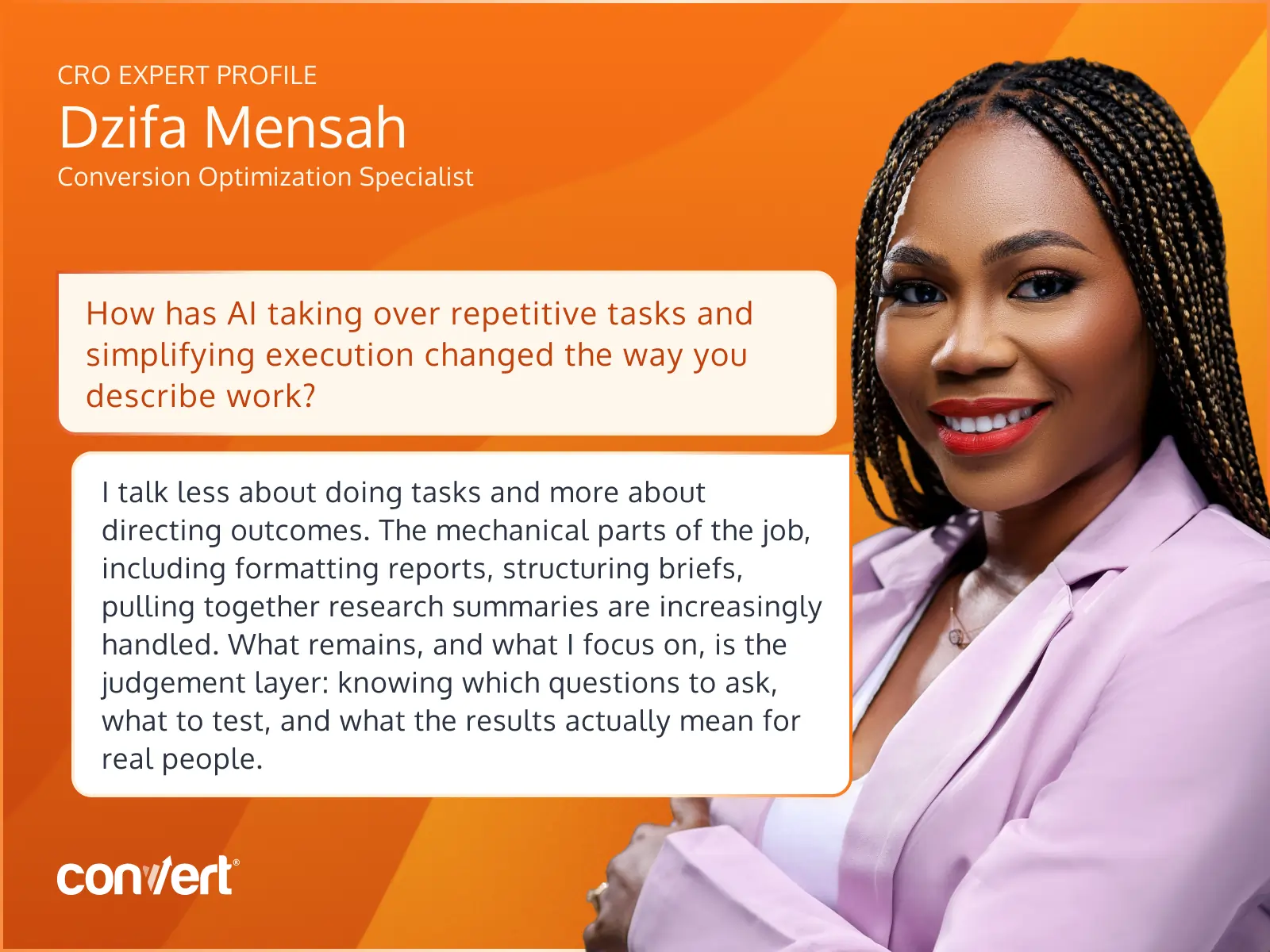
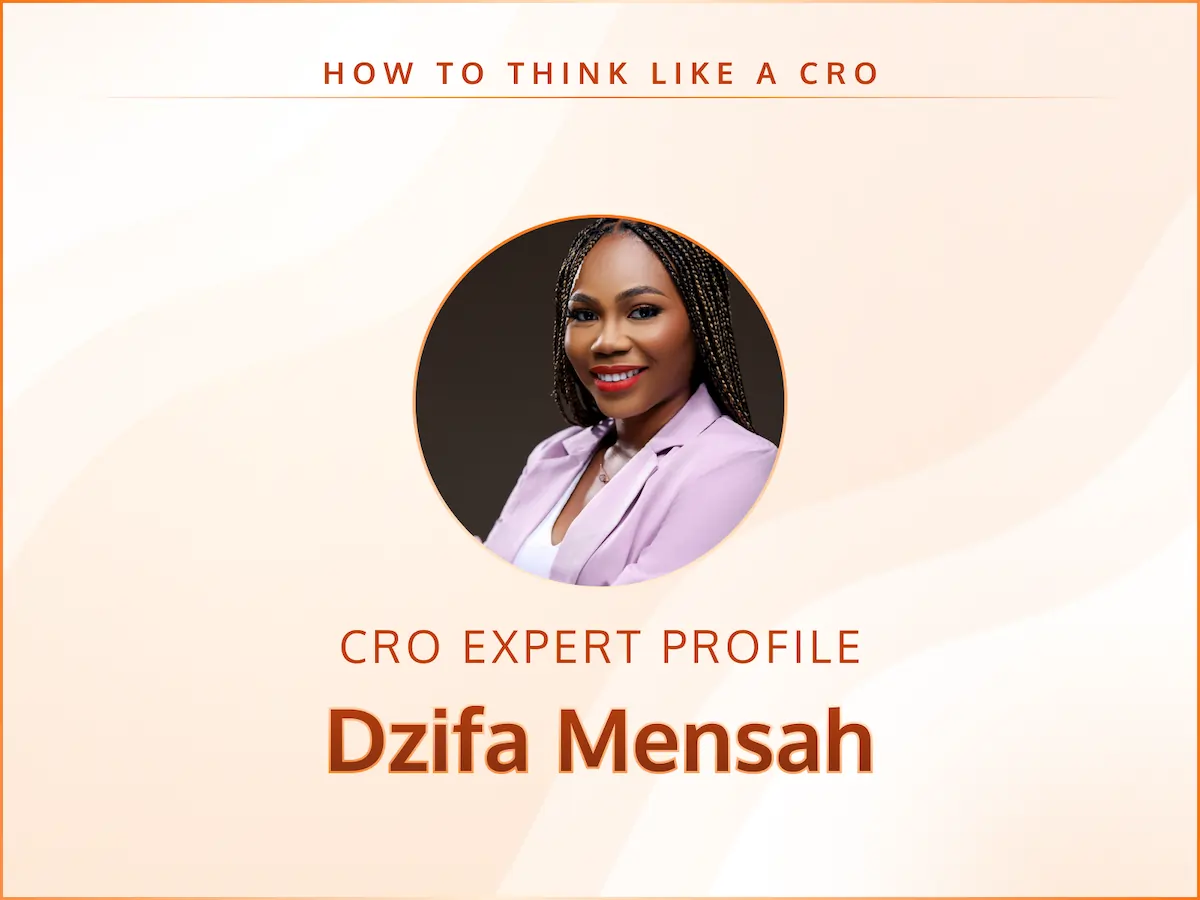
The global Conversion Rate Optimization (CRO) market has undergone a significant transformation over the last decade, transitioning from a niche technical discipline into a cornerstone of digital strategy. As organizations increasingly prioritize data-driven decision-making, the role of the CRO specialist has evolved to bridge the gap between technical web development, psychological analysis, and growth marketing. Dzifa Mensah, a prominent specialist in the field with over ten years of experience, exemplifies this multi-disciplinary approach. Her career, which spans across multiple continents and industries—including Software as a Service (SaaS), e-commerce, and the non-profit sector—provides a unique lens through which to view the current state and future trajectory of digital experimentation.
The Strategic Foundation of Modern Experimentation
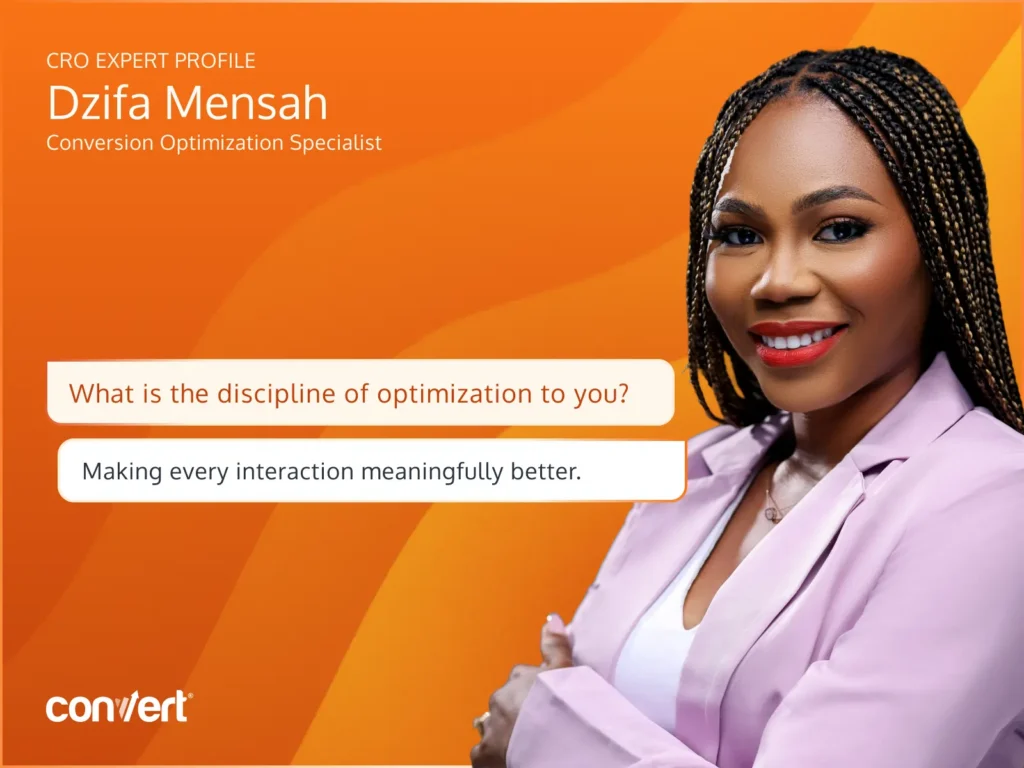
The discipline of optimization is frequently misunderstood as a mere series of aesthetic adjustments to a website. However, for practitioners like Mensah, the field is defined by a rigorous adherence to the scientific method. At its core, experimentation is the process of hunting for "signals in the noise," identifying patterns in user behavior that can be leveraged to drive business growth. Mensah defines the discipline as "making every interaction meaningfully better," a philosophy that shifts the focus from vanity metrics to the quality of the user experience.
Mensah’s entry into the field was marked by a transition from web development and growth marketing into full-time experimentation. This technical background provided a foundational understanding of how digital products are built, allowing for a more sophisticated approach to test design. By applying the scientific method—observation, hypothesis, testing, and learning—to digital interfaces, specialists can move beyond guesswork to uncover what real users actually desire. This rigour is particularly critical in an era where consumer attention is fragmented and the cost of customer acquisition continues to rise.
The Chronology of Experience: From Development to Growth Leadership
The professional journey of an optimization specialist often begins in adjacent fields. For Mensah, a decade of experience in web development provided the technical literacy required to execute complex tests, while her time in growth marketing honed her ability to align experimentation with overarching business objectives. This dual perspective is essential for securing stakeholder buy-in, especially when test results are complex or counterintuitive.
Throughout her career, Mensah has navigated the distinct challenges of various sectors:

- SaaS: Focusing on user retention, feature adoption, and the reduction of churn through frictionless onboarding.
- E-commerce: Optimizing the path to purchase, reducing cart abandonment, and enhancing average order value through personalized recommendations.
- The Charity Sector: A unique environment where "conversion" is driven by emotion and altruism rather than consumerist convenience.
This chronological progression through different industries has reinforced the idea that while the tools of experimentation remain constant, the psychological drivers of the audience vary wildly.
The Role of Artificial Intelligence as a Strategic Partner
The integration of Artificial Intelligence (AI) into the experimentation workflow represents the most significant shift in the industry since the advent of A/B testing software. Rather than replacing the specialist, AI has become a "thinking partner" that streamlines the pre-test phase. Mensah notes that the manual labor of consolidating quantitative data and qualitative research, which once took hours, can now be handled by AI models capable of surfacing patterns and contradictions with high velocity.
AI’s influence extends into three primary areas of the CRO workflow:
- Hypothesis Generation: AI can analyze vast datasets to identify friction points and suggest sharper test ideas based on historical performance.
- Stakeholder Management: The technology is increasingly used to draft test announcements and translate technical results into readable reports for non-technical executives.
- Workflow Efficiency: By automating repetitive tasks such as formatting and data summaries, specialists are freed to focus on high-level strategic thinking.
Data from recent industry reports suggest that organizations utilizing AI in their experimentation programs see a 15% to 20% increase in testing velocity. However, Mensah emphasizes that the goal is not just to test faster, but to think more deeply about the implications of each result.
Cultural Nuance and the Limits of Generic Optimization
One of the most profound lessons in Mensah’s career came from a multivariate experiment conducted across French, English, and German versions of a website. Despite the proposition being identical, the results were vastly different. Only the English-language site reached statistical significance, a result that highlighted the limitations of simple translation.
This case study serves as a critical reminder that localization is not merely a linguistic task but a cultural one. Cultural context shapes how users interpret trust signals, how they respond to urgency, and how they act on information. For instance, German users may require more technical documentation and security assurances than their American counterparts. Practitioners must, therefore, account for these psychological variables when designing global experimentation programs. A "winning" variation in one market may be a "losing" variation in another due to ingrained cultural biases and expectations.
Redefining Conversion in the Non-Profit Sector
The application of CRO principles to the charity sector offers a stark contrast to traditional retail optimization. In e-commerce, the goal is often to minimize friction and maximize convenience. In the non-profit world, however, the decision to donate is an emotional one. Mensah observes that optimizing for donations requires an understanding of empathy, generosity, and trust—metrics that do not always sit neatly on a standard analytics dashboard.
In this context, the "judgment layer" becomes paramount. A specialist must determine how to balance the need for a streamlined donation process with the need to build a meaningful emotional connection with the donor. This often involves testing long-form storytelling versus short-form calls to action, or experimenting with the transparency of how funds are utilized. The "conversion" here is not just a transaction; it is a commitment to a cause.
The Shift from Task Execution to Outcome Direction
As AI continues to take over the mechanical aspects of the job—such as structuring briefs and pulling research summaries—the way professionals describe their work is changing. Mensah posits that the future of the industry lies in "directing outcomes" rather than "doing tasks." This shift emphasizes the human element of optimization: critical thinking, rigorous analysis, and the ability to understand the "why" behind the data.
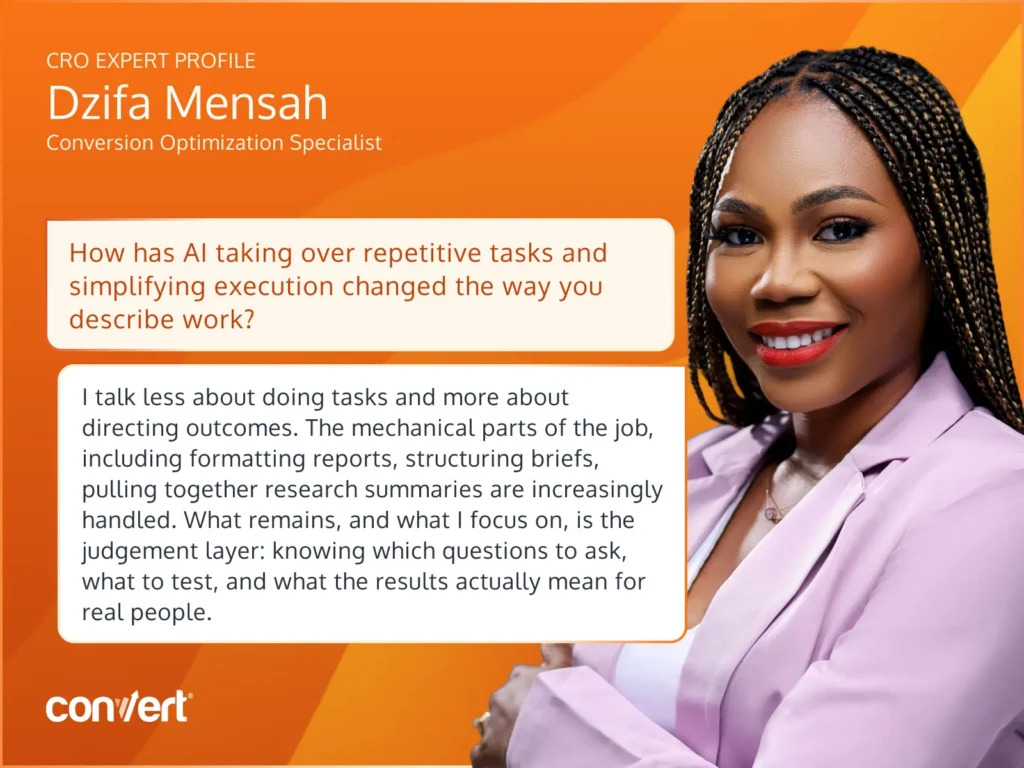
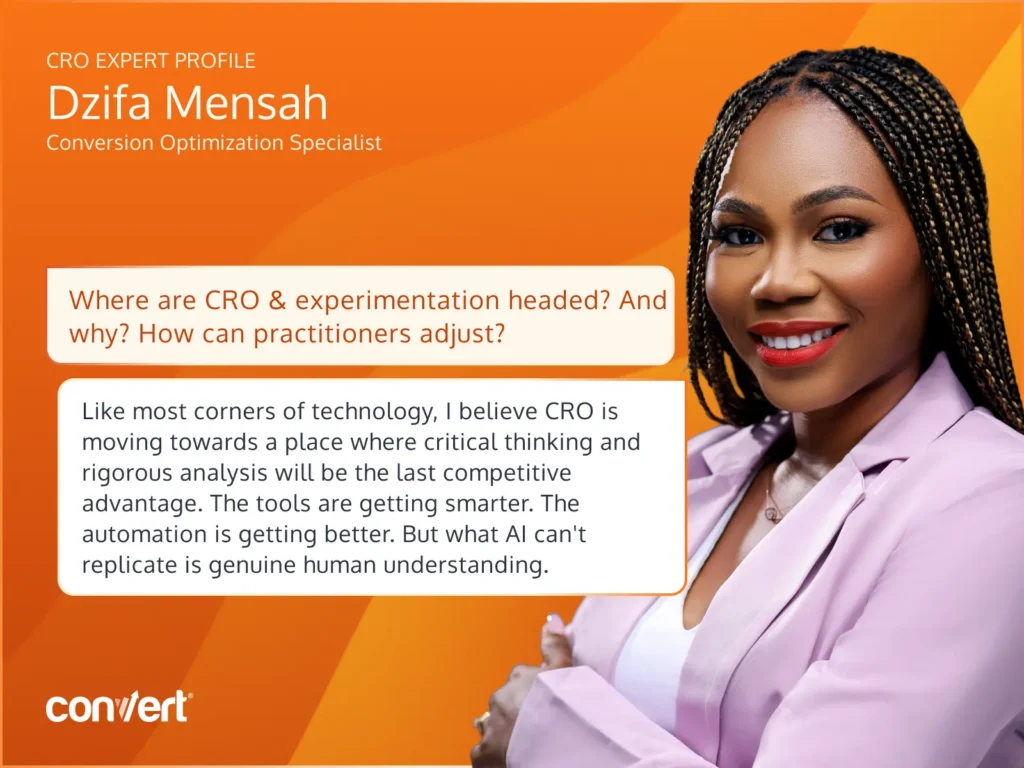
The competitive advantage for future practitioners will be their analytical instincts. While AI can process data, it cannot yet replicate the nuance of sitting with a user during research and noticing the hesitation in their voice or the subtle frustration that doesn’t appear in a heatmap. The "craft" of experimentation is increasingly found in the judgment layer—knowing which questions to ask and how to interpret results in a way that impacts real people.
Broader Impact and Industry Implications
The insights provided by Mensah reflect a broader trend in the tech industry where the "human-in-the-loop" model is becoming the standard for high-level professional services. For the CRO industry, this means that the barrier to entry for basic testing is lowering, but the ceiling for strategic experimentation is rising.
Key implications for the industry include:

- Increased Demand for Psychological Literacy: As technical execution becomes automated, understanding behavioral economics and user psychology will be the primary differentiator for specialists.
- The Rise of the Generalist-Specialist: Professionals will need a broad understanding of the entire business ecosystem—from product development to customer service—to design experiments that drive holistic growth.
- Data Privacy and Ethics: With the increasing reliance on AI and personal data, the ethical design of experiments will become a major point of discussion for stakeholders and regulators alike.
In conclusion, the evolution of Conversion Rate Optimization is moving toward a more sophisticated, AI-enhanced, yet human-centric model. As demonstrated by the career and insights of Dzifa Mensah, the most successful practitioners will be those who treat every test as a learning opportunity rather than a mere metric chase. By combining the speed of AI with the nuance of human intuition, the field of experimentation is set to become an even more vital component of the global digital economy. The future of the craft lies not in the tools themselves, but in the quality of the thinking that directs them.