rifanmuazin
The escalating complexity and sheer volume of digital interactions have made social media automation an indispensable strategic imperative for businesses navigating the modern online environment. Far from merely scheduling posts, social media automation encompasses the use of sophisticated tools and software to streamline, manage, and execute repetitive tasks across various platforms without requiring constant manual intervention. This includes a wide array of functions such as content scheduling, performance reporting, real-time message responses, hashtag tracking, and comprehensive brand monitoring. For organizations, this technological advancement translates into heightened efficiency, allowing marketing teams to significantly amplify their output and refine their strategic focus.

The Evolution and Imperative of Social Media Automation
The journey of social media in business has evolved dramatically since its nascent stages. Initially, brands managed their online presence through manual posting and direct engagement on individual platforms. As the number of social media channels proliferated and audience expectations for immediate interaction grew, the manual approach became unsustainable. The demand for consistent content, rapid response times, and granular performance analysis created a bottleneck for marketing teams. This growing pressure ushered in the era of social media automation, transforming it from a convenience into a necessity.
In today’s hyper-connected world, businesses are under immense pressure to maintain an active, engaging, and data-driven presence across multiple social networks. The average individual spends approximately 2.5 hours daily on social media, making these platforms critical touchpoints for customer acquisition, retention, and brand building. With billions of users across platforms like Instagram, Facebook, LinkedIn, TikTok, and X (formerly Twitter), the volume of potential interactions and content required is staggering. Automation steps in as the crucial mechanism to manage this scale, allowing businesses to "do more with less" and reallocate human capital to higher-value, creative, and strategic endeavors.
Key Pillars of Social Media Automation
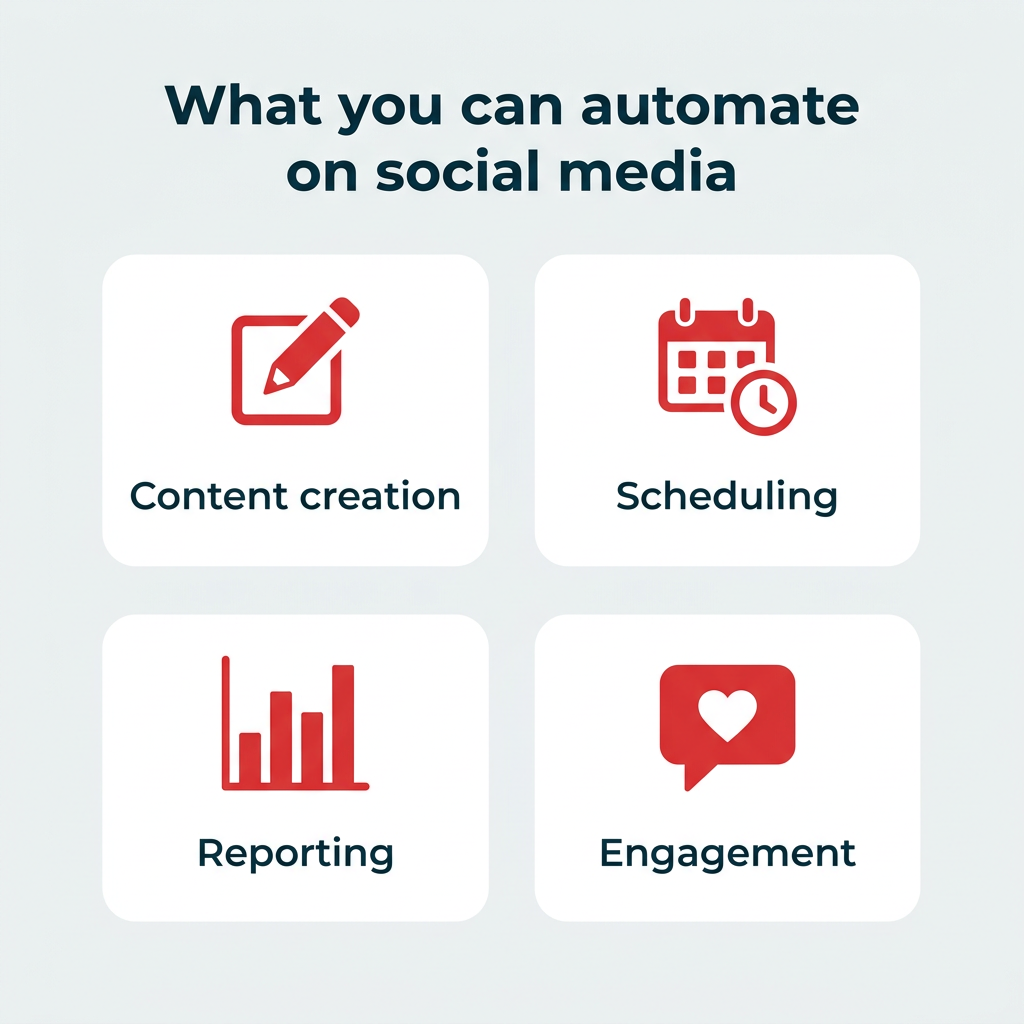
The scope of social media automation extends across several critical marketing functions, each designed to enhance efficiency and effectiveness:
1. Automated Content Creation and Curation
Content remains king, but its creation and consistent delivery can be resource-intensive. Modern automation tools, particularly those leveraging artificial intelligence (AI), have revolutionized this process. AI tools can now draft compelling captions, suggest relevant hashtags based on trending topics and audience demographics, generate video scripts, and efficiently repurpose existing long-form content into bite-sized, social-ready posts. This significantly reduces the time spent on initial drafts and ideation. For instance, platforms can be configured with RSS feeds to automatically surface and suggest relevant articles or industry news for sharing, ensuring a steady stream of valuable curated content. While creative direction and brand voice still necessitate human oversight, automation handles the laborious groundwork, accelerating content pipelines. According to a Statista survey, over half of B2B content marketers are already integrating AI to produce text, images, or video, underscoring its rapid adoption and perceived value.
2. Streamlined Scheduling, Reporting, and Monitoring
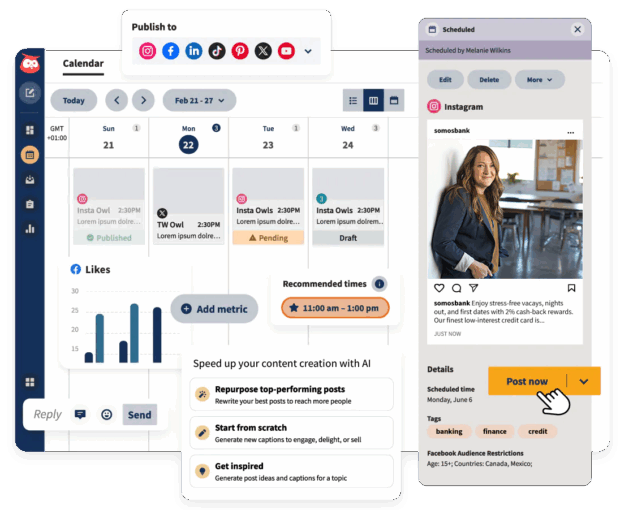
This category often represents the initial foray for many teams into social media automation due to its immediate and tangible time-saving benefits. Automation tools enable marketers to queue posts across all connected platforms from a single dashboard, ensuring content goes live at optimal times. Beyond publishing, these systems consolidate real-time analytics into comprehensive dashboards, eliminating the need to log into multiple platforms for data extraction. Furthermore, automated monitoring sets up alerts for brand mentions, competitor activities, or trending keywords, providing immediate insights into online conversations. This centralized approach transforms daily workflows, allowing teams to monitor performance and brand perception from one interface instead of juggling numerous logins.
3. Enhanced Engagement and Customer Service
Customer expectations for prompt responses on social media are exceptionally high. A survey by Clutch revealed that 83% of consumers expect brands to respond to social comments within a day, with nearly half of millennials anticipating a reply within an hour. This demand for speed is challenging to meet manually, especially for brands with large followings. Automation addresses this through chatbots, direct message (DM) automation, saved replies, and advanced comment management tools. These functionalities enable businesses to respond to routine inquiries instantly, improving customer satisfaction and freeing up human agents for more complex interactions. Gartner predicts a significant shift, estimating that 60% of brands will utilize agentic AI for streamlined one-to-one interactions by 2028, highlighting the growing reliance on AI for customer service. Automated tools can filter and route complex queries to the appropriate human team members, ensuring no customer issue is overlooked.
Broader Benefits of Adopting Social Media Automation
The strategic implementation of social media automation delivers a multitude of benefits for businesses, extending beyond mere task delegation:
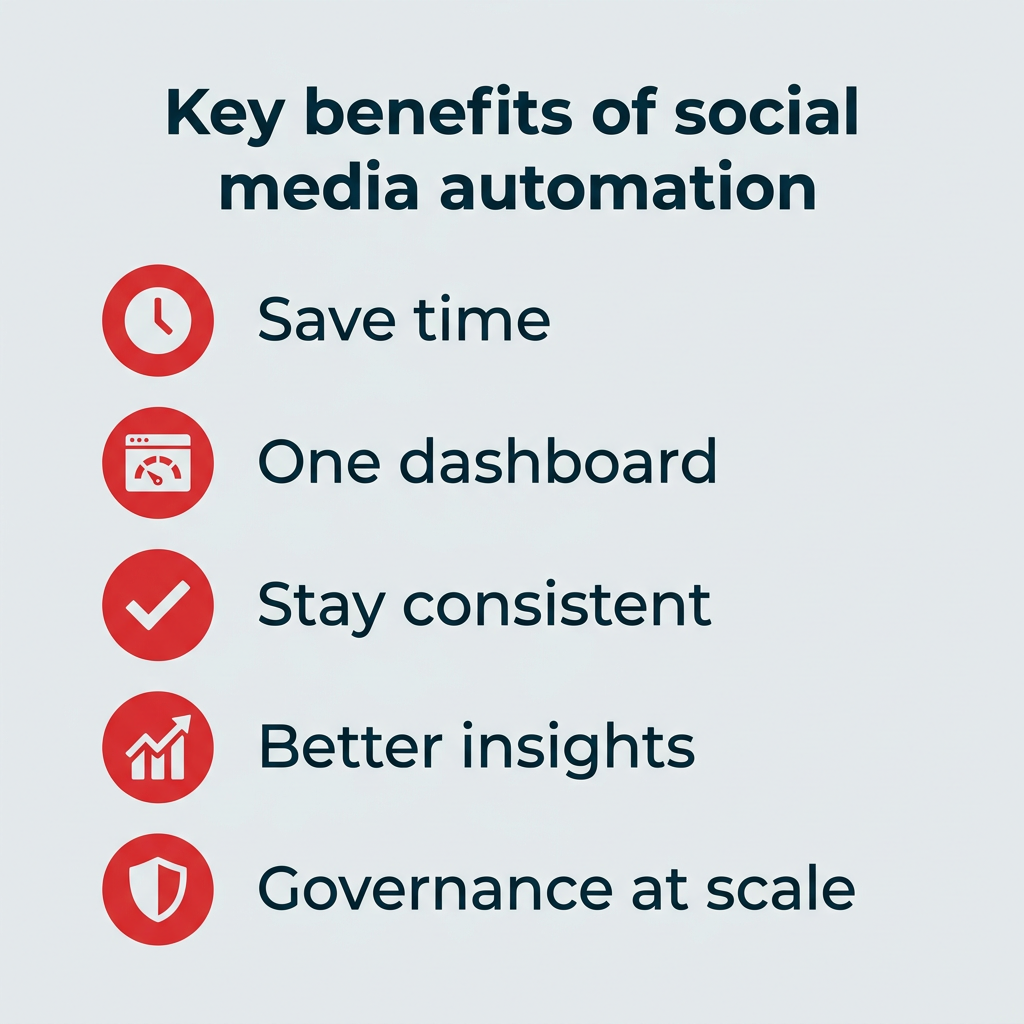
- Increased Efficiency and Time Savings: By automating repetitive tasks such as scheduling, reporting, and basic engagement, marketing teams can reclaim significant hours each week. This newfound capacity can be redirected towards higher-level strategic planning, creative campaign development, and authentic community building. Many teams report saving 5-10 hours per person per week, with larger enterprises experiencing even greater gains.
- Enhanced Consistency and Brand Presence: Automation ensures a consistent posting schedule, even during off-hours or holidays, maintaining a steady brand presence. This regularity can lead to improved audience engagement and stronger brand recall.
- Data-Driven Decision Making: Automated analytics and reporting tools provide real-time, consolidated data on content performance, audience demographics, and sentiment. This empowers marketers to make informed, data-backed decisions that optimize their social media strategy for better results.
- Improved Audience Engagement and Customer Service: Rapid, automated responses to common inquiries and comments demonstrate attentiveness and can significantly enhance customer satisfaction. This proactive approach builds goodwill and strengthens customer relationships.
- Proactive Brand Monitoring and Crisis Management: Automated social listening alerts businesses to brand mentions, sentiment shifts, or potential PR issues in real-time. This allows for swift intervention and crisis mitigation, protecting brand reputation.
- Scalability: Automation solutions are designed to scale with business growth. As a brand expands its social media presence across more platforms or regions, automation tools can manage the increased workload without a proportional increase in manual labor.
Strategic Implementation: A Phased Approach
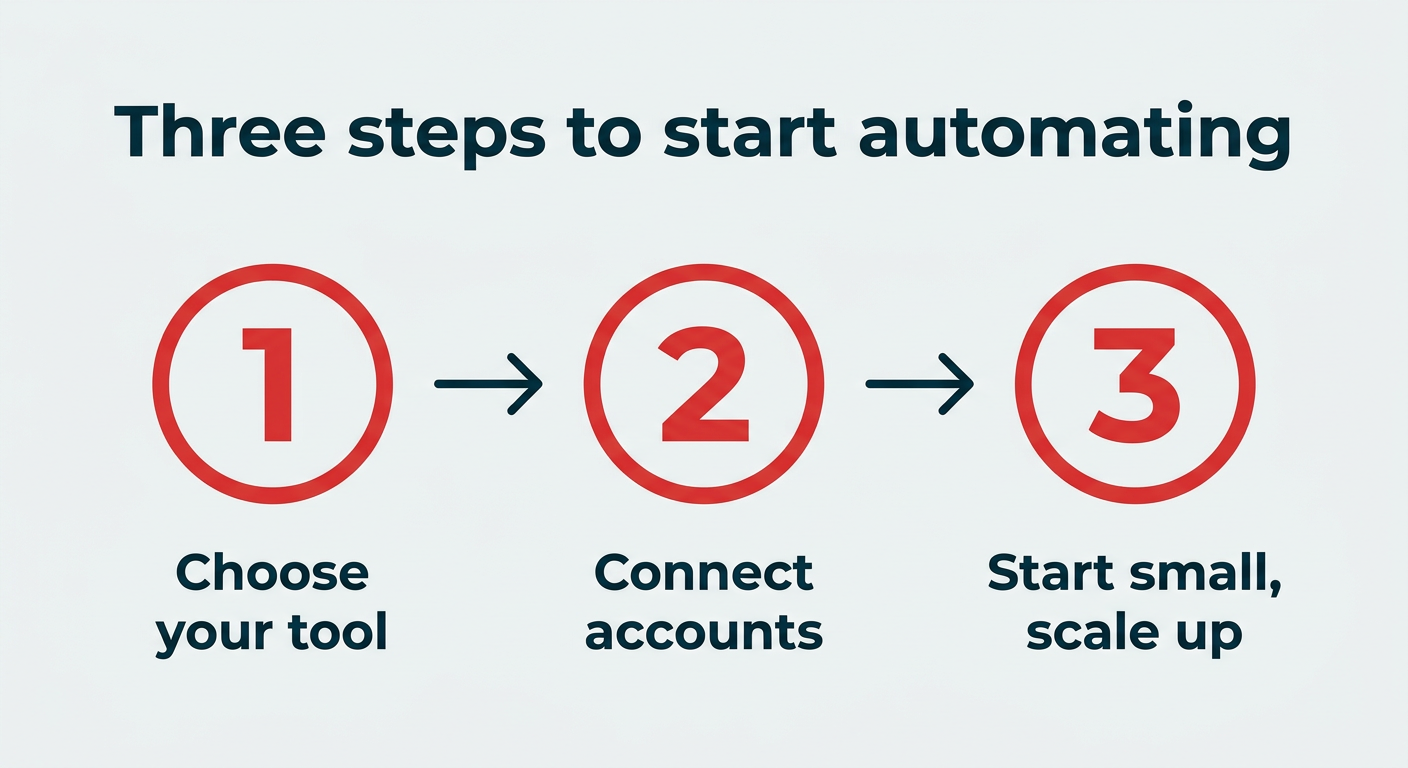
Adopting social media automation doesn’t require an immediate overhaul. A phased, strategic approach is often most effective:
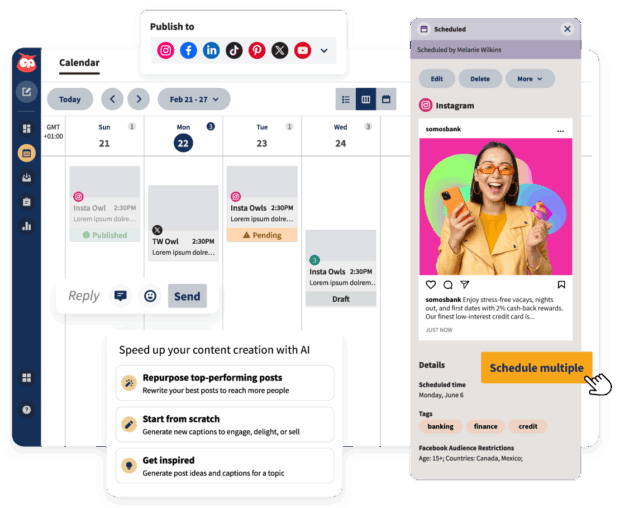
1. Tool Selection Based on Business Needs: The initial step involves selecting the right automation tool. This choice should align with factors such as team size, budget, primary social media platforms, and specific feature requirements. A small business focusing on Instagram and TikTok will have different needs than a large enterprise managing multiple brands across a global footprint. Platforms like Hootsuite offer scalability, catering to individual users up to large enterprises with advanced governance and compliance features. Evaluating core functionalities such as scheduling, analytics, and inbox management is crucial.
2. Account Integration and Workflow Configuration: Once a tool is selected, integrating all social media accounts into a centralized dashboard is paramount. Subsequently, teams should prioritize which tasks to automate first – be it publishing, reporting, monitoring, or customer service. Uploading content, defining publishing cadences, and configuring alerts or notification rules are typically straightforward processes guided by most automation platforms.
3. Gradual Scaling and Optimization: It is advisable to start small, perhaps with scheduling and reporting, which offer immediate time savings. As the team becomes comfortable and workflows stabilize, more advanced features like AI content creation, DM automation, and social listening can be layered in. Regular review of results and performance metrics is essential for continuous adjustment and optimization, ensuring the automation strategy remains effective and aligned with business objectives.
Navigating the Pitfalls: The Importance of the Human Touch
While automation offers immense advantages, an over-reliance that diminishes human involvement can be detrimental. The key lies in finding the right balance between efficiency and authenticity.
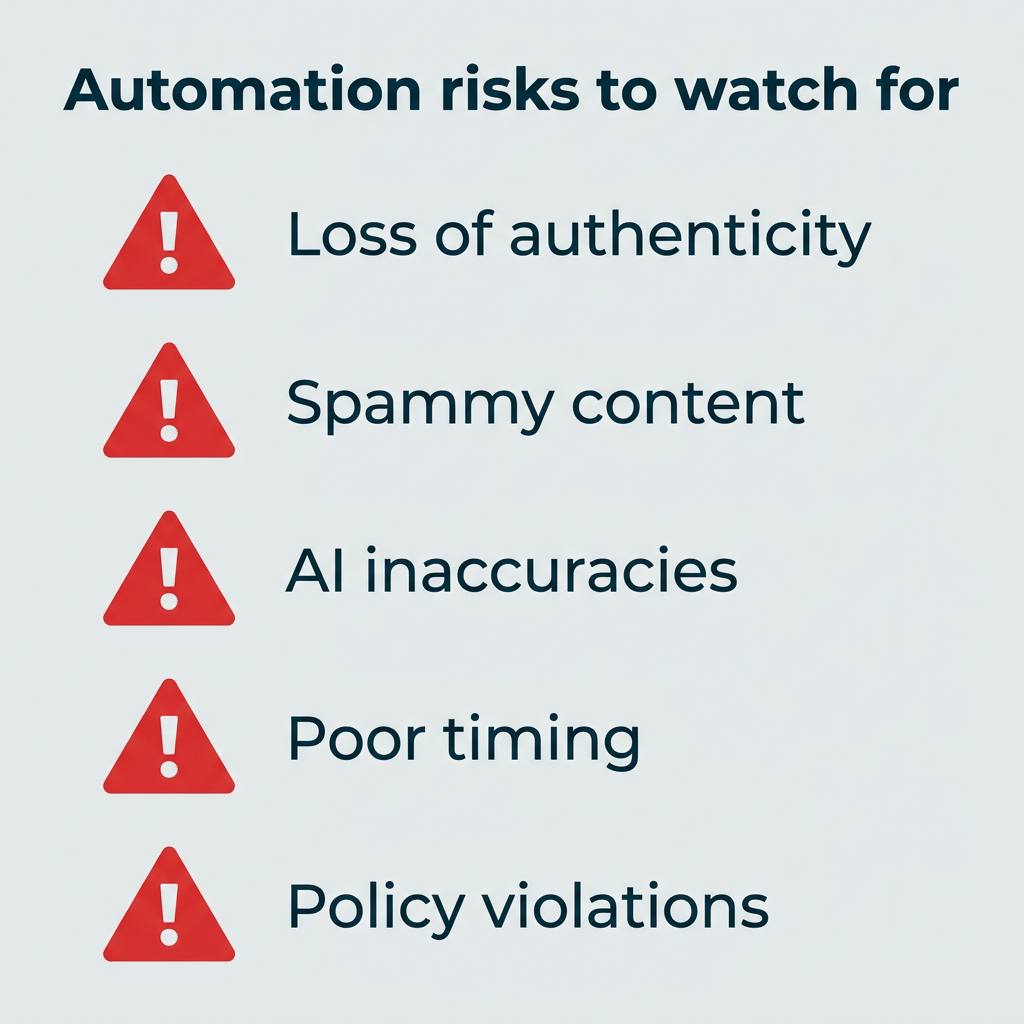
- Maintaining Authenticity: Over-automated content can feel generic or robotic, alienating audiences. AI-generated content, for instance, should always be reviewed and refined by human editors to ensure it aligns with the brand’s unique voice and tone.
- Avoiding Spam-like Behavior: Excessive automated posting, repetitive messages, or generic replies can be perceived as spam, leading to decreased engagement and potential penalization by platform algorithms.
- Human Oversight for Sensitive Interactions: Crisis communications, highly sensitive customer complaints, or nuanced public relations scenarios demand human empathy, judgment, and personalized responses. Automation can flag these issues but should never replace human intervention for resolution.
- Evolving Algorithms: Social media algorithms are constantly changing. Over-automation without human adaptation can lead to content being deprioritized if it doesn’t meet the latest engagement signals.
- Data Privacy and Security: Implementing automation tools requires careful consideration of data privacy and security protocols, especially when integrating with customer relationship management (CRM) systems.
Practical Applications: Balancing Automation and Human Ingenuity
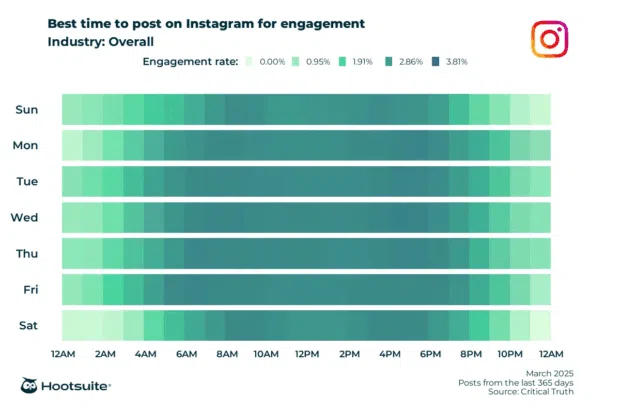
Automated Scheduling and Publishing: This foundational aspect allows businesses to plan and distribute content consistently. Hootsuite’s internal research, for example, demonstrated that scheduled posts on Instagram performed as well as, or even better than, manually published content, dispelling concerns about reduced reach. Moreover, posting at optimal times, often identified through analytics (e.g., 8 AM on Wednesdays for general engagement), significantly boosts performance.
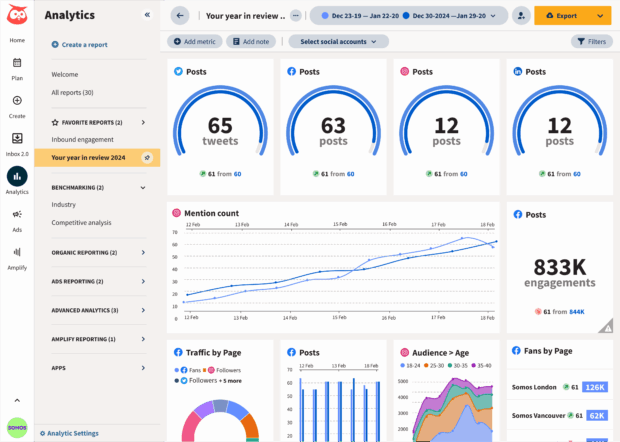
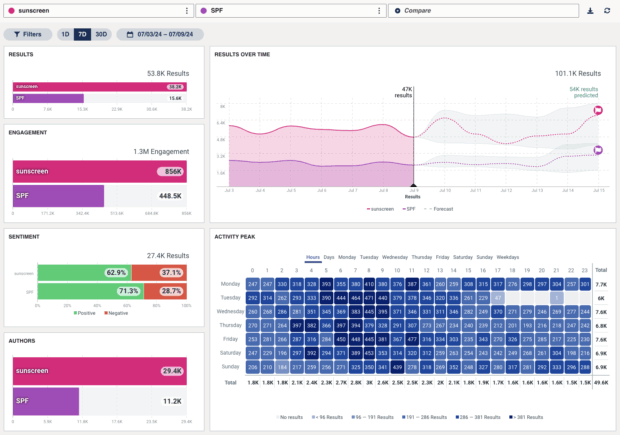
Automated Reporting and Analytics: The laborious task of compiling data from disparate platforms is simplified dramatically. Tools like Hootsuite Analytics automatically pull real-time data from major social networks, generating comprehensive reports with clear visuals. This not only saves hours of manual data entry but also provides actionable insights to management and stakeholders.
AI for Smarter Content Creation: AI-powered tools act as intelligent assistants, helping marketers overcome writer’s block, generate diverse content ideas, and optimize posts. Hootsuite’s OwlyGPT, for instance, leverages real-time social data to assist with caption writing, hashtag generation, competitive analysis, and content calendar planning, all while maintaining a brand-consistent tone. This hybrid approach allows humans to focus on creative strategy and brand narrative, while AI handles the repetitive ideation and drafting.
Social Listening and Alerts: Automation provides an "always-on" ear to the digital conversation. Social listening tools track mentions of brands, competitors, and industry keywords, providing real-time alerts. This allows businesses to gauge public sentiment, identify emerging trends, discover potential influencers, and proactively address any negative feedback, transforming reactive responses into strategic engagements.

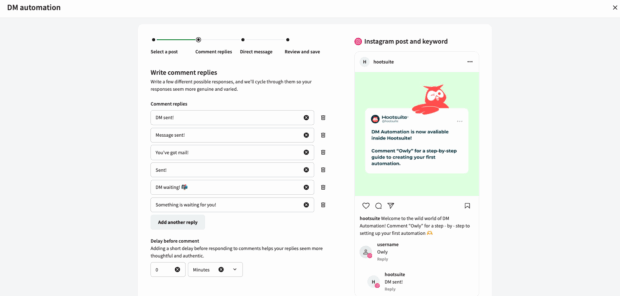
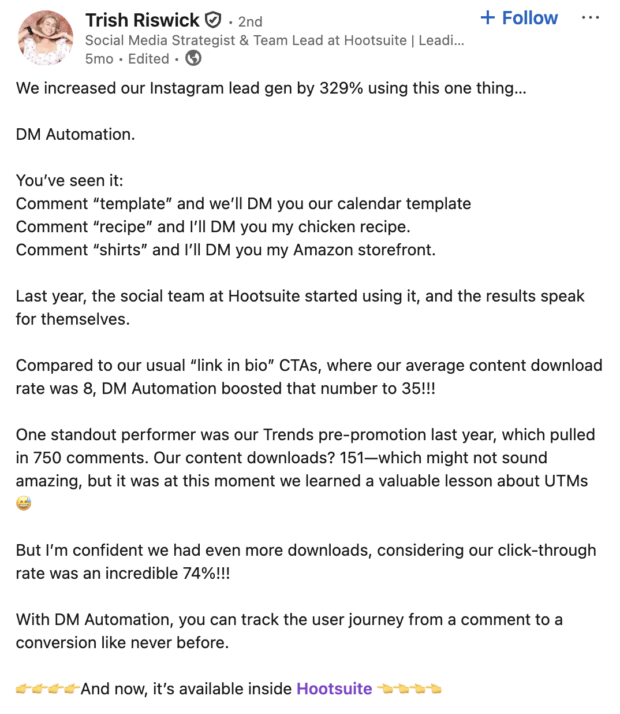
Automated DM Responses: To meet demanding response time expectations, DM automation can send personalized messages based on specific keywords or actions. Trish Riswick, a Social Strategist at Hootsuite, reported a remarkable 329% increase in Instagram lead generation after implementing DM automation, demonstrating its power in converting engagement into tangible business outcomes.
Team Workflows and Approvals: For larger organizations, especially those in regulated industries, automated approval workflows are crucial for maintaining brand consistency and compliance. Multi-step approval chains ensure that every piece of content is reviewed before publication, protecting brand integrity and freeing senior team members from manual oversight.
Leading Social Media Automation Tools in 2026
The market for social media automation tools is robust, with various platforms catering to different business needs and scales:
- Hootsuite: Best for medium-to-large teams and enterprises, offering AI content creation (OwlyGPT), optimal posting times, comprehensive analytics, DM automation, social listening, and approval workflows across Instagram, Facebook, LinkedIn, TikTok, X, Pinterest, YouTube, and Threads. Starting at $99/user/month.
- Talkwalker by Hootsuite: Specialized in brand monitoring and sentiment analysis, utilizing AI for sentiment tracking, visual recognition, and trend detection across over 30 social networks and 150 million websites. Custom pricing.
- Buffer: Ideal for small teams and solo creators, providing scheduling, basic analytics, a link-in-bio tool, and an AI assistant. Simpler interface, starting at $6/month per channel.
- Agorapulse: Focuses on mid-market teams, particularly strong in unified social inbox management, scheduling, reporting, and social listening across Instagram, Facebook, LinkedIn, TikTok, X, YouTube, and Google Business. Starting at $79/user/month (billed annually).
- Later: Geared towards creators prioritizing Instagram and TikTok, offering a visual content calendar, auto-publish features, and hashtag suggestions. Starting at $25/month.
Each tool offers a unique blend of features, and the best choice depends on a business’s specific requirements for scalability, depth of analytics, collaboration features, and budget.
The Future of Social Media Automation
The trajectory of social media automation points towards even more sophisticated AI integration, hyper-personalization, and predictive analytics. Future tools are expected to offer more intuitive content generation, deeper insights into audience behavior, and seamless integration with broader marketing ecosystems. The emergence of human-AI hybrid roles across marketing teams signifies a collaborative future where technology augments human creativity and strategic thinking, rather than replacing it. Businesses that embrace this balanced approach will be best positioned to thrive in the dynamic digital landscape, transforming social media management from a series of tasks into a powerful engine for growth and engagement.
By strategically leveraging automation, businesses can liberate their teams from the mundane, enabling them to concentrate on innovative campaigns, foster genuine connections, and ultimately achieve superior results in the competitive world of social media.