rifanmuazin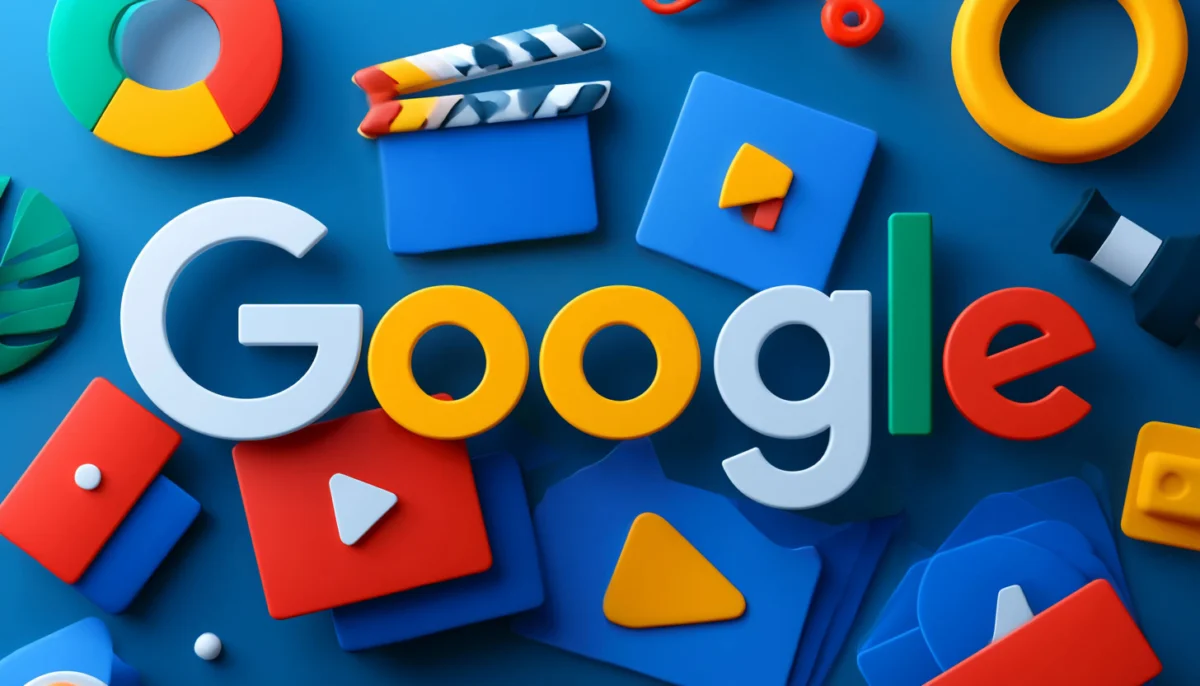
Google Ads is currently piloting an innovative "Create video" beta feature, distinguished by the prominent Gemini logo, signaling its direct integration with Google’s advanced artificial intelligence. This new capability empowers advertisers to automatically generate video creatives for their Demand Generation campaigns, marking a significant evolution in AI-driven marketing tools. The development was first brought to public attention by Thomas Eccel, a prominent industry observer, who shared his discovery on LinkedIn. Eccel noted that Google has embedded an AI video generator Call-to-Action (CTA) directly within Demand Gen campaign interfaces, speculating that the underlying technology is likely powered by the new VEO 3 Video AI Gen.
The introduction of this AI-powered video generation tool underscores Google’s accelerating commitment to infusing artificial intelligence across its vast product ecosystem, particularly within its lucrative advertising platforms. For years, Google Ads has been incrementally incorporating AI to optimize bidding strategies, target audiences, and personalize ad experiences. This latest beta feature extends AI’s reach into the creative production process itself, a domain traditionally reliant on human artistic input and technical expertise.
The Dawn of AI-Powered Creative Production in Advertising
The advertising industry has been undergoing a transformative shift driven by the explosion of digital content and the increasing sophistication of AI. Video content, in particular, has emerged as a dominant force in consumer engagement, with studies consistently showing higher click-through rates and conversion rates for video ads compared to static images or text. However, the production of high-quality video content has historically presented significant barriers, especially for small and medium-sized businesses (SMBs) due to the associated costs, time investment, and specialized skills required for scriptwriting, filming, editing, and post-production.
Google’s "Create video" beta feature directly addresses these challenges by offering an automated solution. By leveraging Gemini, Google’s multimodal AI model, the platform aims to democratize video creation, making it accessible to a broader spectrum of advertisers. Gemini’s capabilities extend beyond mere text processing, encompassing the understanding and generation of images, audio, and video, making it an ideal engine for synthesizing complex visual narratives. The speculated use of VEO 3 (Video Generation Engine for Others) further suggests Google’s intent to provide a robust, scalable infrastructure for video content creation. VEO, as an internal project, would likely be designed to produce high-fidelity video content that aligns with contemporary aesthetic standards and advertising best practices.
Chronology of Google’s AI Integration in Advertising
Google’s journey towards integrating AI into its advertising products is a well-established trajectory, evolving from rudimentary automation to highly sophisticated, "agentic" capabilities.
- Early 2010s: Google introduced basic automation features like Enhanced Campaigns and early versions of Smart Bidding, which used machine learning to optimize bids based on historical performance data. These were foundational steps in demonstrating the potential of data-driven optimization.
- Mid-2010s: The advent of sophisticated machine learning models led to more advanced automation in Google Ads. Features like Responsive Search Ads (RSAs) and Dynamic Search Ads (DSAs) began to use AI to assemble ad copy and target queries based on website content, reducing manual effort for advertisers.
- Late 2010s – Early 2020s: Google intensified its AI push with the introduction of Performance Max campaigns. Launched in 2021, Performance Max represents a holistic, goal-based campaign type that leverages AI across all Google advertising channels (Search, Display, YouTube, Gmail, Discover) to find converting customers. It significantly automates asset combination, bidding, and audience targeting, marking a shift towards more autonomous campaign management. During this period, Google also began experimenting with AI-powered creative suggestions for text and image assets.
- 2023 – Present: The Gemini Era: With the public launch of Gemini, Google’s most capable AI model to date, the company signaled a new era of AI integration. Gemini’s multimodal nature opened doors for AI to engage with more complex data types, including video. Google’s explicit mention of "AI video tools" and "agentic capabilities" in its advertising roadmap for some time now foreshadowed the current beta. The "Create video" feature is a direct manifestation of this strategy, moving beyond optimizing existing assets to generating new ones. This represents a qualitative leap, transforming AI from an optimization engine into a co-creator.
Supporting Data: The Imperative for Video in Modern Marketing

The strategic importance of video content in digital marketing cannot be overstated.
- Consumer Preference: Research consistently indicates that consumers prefer video content. A HubSpot survey, for instance, found that 88% of marketers using video reported a positive ROI, and 87% of video marketers said video had helped them increase traffic to their website.
- Ad Spending Trends: Global digital video ad spending has been on a relentless upward trajectory. Projections from various market intelligence firms estimate that global digital video ad spending will surpass hundreds of billions of dollars annually in the coming years, driven by the proliferation of streaming services, social media platforms, and short-form video formats.
- Engagement Metrics: Video ads typically exhibit higher engagement rates (views, shares, comments) compared to other ad formats. This increased engagement translates into stronger brand recall and purchase intent.
- SMB Disadvantage: Despite the clear benefits, a significant portion of SMBs struggle to produce professional video content due to budget constraints, lack of in-house expertise, and time limitations. This new Google Ads feature directly aims to bridge this gap, offering a low-cost, high-efficiency alternative to traditional video production.
The integration of AI for video creation within Demand Generation campaigns is particularly pertinent. Demand Gen campaigns are designed to reach potential customers early in their buying journey, building awareness and interest. Video is an exceptionally effective medium for this purpose, capable of conveying brand stories, product benefits, and emotional appeals in a compelling and memorable format. By automating video creation, Google empowers advertisers to populate these top-of-funnel campaigns with dynamic content at scale, without the typical resource drain.
Implications for Advertisers and the Industry
The "Create video" beta feature carries profound implications for advertisers, marketing agencies, and the broader digital advertising ecosystem.
- Democratization of Video Advertising: The most immediate impact will be the leveling of the playing field. Businesses of all sizes, especially SMBs with limited budgets, will gain access to professional-quality video advertising. This could lead to a surge in video content across Google’s network, increasing competition for attention but also expanding the overall market for video ads.
- Enhanced Efficiency and Speed: The ability to generate video creatives instantly will drastically reduce the time and cost associated with campaign launches. Advertisers can rapidly A/B test multiple video variations, iterate on messaging, and adapt to market trends with unprecedented agility. This real-time adaptability is crucial in the fast-paced digital landscape.
- Personalization at Scale: AI-generated videos open avenues for hyper-personalization. Theoretically, Gemini could generate unique video creatives tailored to specific audience segments, geographic locations, or even individual user preferences, dynamically pulling assets and messaging based on data signals. This level of personalization, previously unfeasible due to production costs, could significantly boost ad relevance and effectiveness.
- Creative Workflow Transformation: For marketing agencies and in-house creative teams, the tool will likely shift their focus from primary production to strategic oversight, refinement, and high-level conceptualization. Instead of spending hours on editing, creative professionals might dedicate more time to prompt engineering, curating brand guidelines for AI, and ensuring the AI-generated content aligns with overall brand strategy and tone. This could free up resources for more complex, bespoke creative projects.
- Potential Challenges and Considerations:
- Quality and Brand Consistency: A key concern will be the quality and originality of AI-generated videos. While AI can produce technically sound videos, maintaining a consistent brand voice, unique aesthetic, and emotional resonance across automated content will be a continuous challenge. Advertisers will need robust guidelines and human oversight to ensure brand integrity.
- Generic Content Risk: Without careful prompting and human intervention, there’s a risk that AI-generated videos could become generic or formulaic, leading to creative fatigue among audiences. The true value will lie in the AI’s ability to generate diverse and engaging content that stands out.
- Ethical Concerns: The rapid advancement of generative AI raises ethical questions, particularly around deepfakes, copyright infringement, and the potential for misuse. Google will need to implement stringent safeguards and clear policies to ensure responsible AI usage in advertising.
- Impact on Creative Jobs: While AI can augment human creativity, there are ongoing discussions about its potential to displace certain roles in video production and graphic design. However, the prevailing view is that AI will augment, rather than replace, human roles, creating new opportunities in AI supervision and creative strategy.
Official Responses and Industry Outlook
While Google has not yet released a detailed official statement specifically on the "Create video" beta, its broader narrative consistently emphasizes the transformative power of AI. Google executives, including CEO Sundar Pichai, have frequently articulated a vision where AI acts as an "assistant" to users and businesses, enhancing productivity and unlocking new possibilities. The company’s focus on "agentic AI" in its advertising products aligns perfectly with this beta feature, wherein AI proactively performs tasks (like video creation) to achieve defined marketing goals.
Industry analysts are largely optimistic about the long-term impact of AI in creative advertising. Many foresee a future where AI becomes an indispensable tool for marketers, much like analytics platforms are today. Competitors like Meta and TikTok are also heavily investing in AI-powered creative tools, indicating a broader industry consensus on the direction of travel. This competitive landscape will likely spur further innovation, leading to increasingly sophisticated and user-friendly AI creative solutions.
The "Create video" beta within Google Ads represents more than just a new feature; it signifies a pivotal moment in the evolution of digital advertising. By bringing sophisticated AI-powered video generation capabilities directly into the hands of advertisers, Google is not only simplifying content creation but also reshaping the creative workflow and democratizing access to high-impact advertising formats. As the beta rolls out more broadly, its impact on campaign performance, creative diversity, and the overall efficiency of marketing operations will be closely watched by the entire industry. The era of AI as a creative partner in advertising has truly begun.