rifanmuazin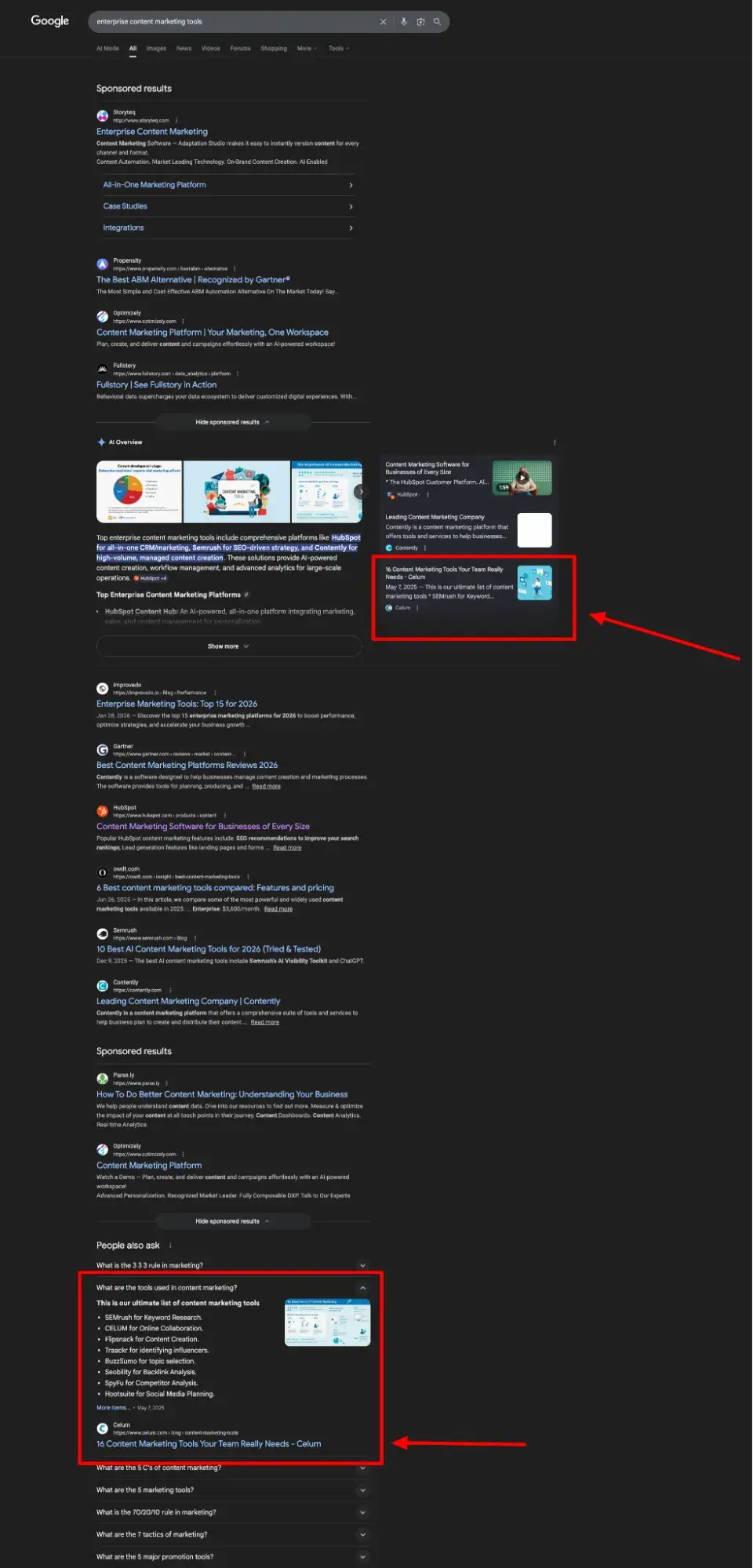
The digital landscape is undergoing a profound transformation, challenging long-held paradigms of online visibility and customer acquisition. Search results, once a dependable doorway leading users directly to websites, are rapidly evolving into comprehensive answer engines that fulfill queries without requiring a click. This seismic shift, driven by advancements in artificial intelligence and the proliferation of rich search results, is reshaping buyer behavior and compelling marketing teams to fundamentally rethink their strategies.
For decades, the primary objective of search engine optimization (SEO) was clear: achieve high rankings, earn clicks, and drive traffic to a brand’s website. Businesses invested heavily in content designed to attract users from search engine results pages (SERPs) to their owned digital properties. However, the trajectory of search has been anything but static. From the keyword-centric algorithms of the early internet to the semantic understanding powered by Google’s Hummingbird and RankBrain updates, search engines have consistently aimed to provide more accurate and immediate answers. The initial phase of this "zero-click" phenomenon began with the gradual introduction of Featured Snippets, Knowledge Panels, and People Also Ask (PAA) boxes, which started to satisfy user intent directly on the SERP, reducing the immediate need for further clicks.
The true acceleration of this trend, however, arrived with the mainstream integration of generative artificial intelligence. Large Language Models (LLMs) like those powering Google’s AI Overviews (formerly Search Generative Experience, or SGE) and conversational AI platforms such as ChatGPT and Microsoft Copilot have ushered in an era where complex queries can be summarized, synthesized, and presented directly to the user. This evolution, unfolding rapidly over the past few years, signifies a pivot from merely indexing web pages to actively answering questions, often by compiling information from multiple sources and presenting it cohesively. Industry analysts have closely tracked this progression, noting the increasing sophistication of AI in understanding nuance and providing comprehensive responses, further solidifying the zero-click trend and fundamentally altering the relationship between users, search engines, and websites.

A zero-click search occurs when a user’s query is fully resolved directly on the search engine results page (SERP) without them needing to navigate to an external website. This phenomenon is facilitated by various rich results and AI-powered features designed to provide immediate answers or comprehensive summaries. Key components contributing to zero-click experiences include:
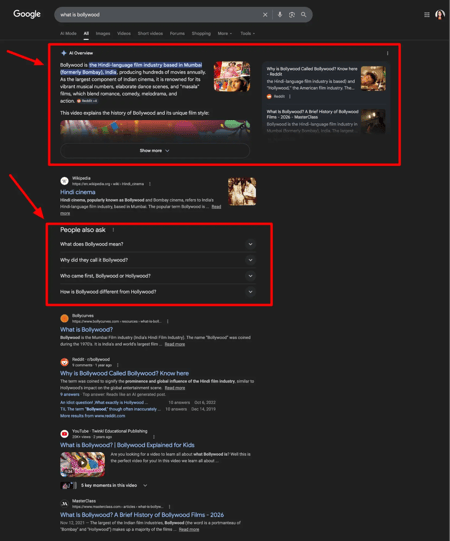
- AI Overviews: AI-generated summaries that appear prominently at the top of the SERP, offering concise answers to informational queries. These overviews frequently draw from multiple web sources, often citing them directly, and aim to provide a comprehensive response within the search interface itself.
- Featured Snippets: Direct answers extracted from a specific web page and prominently displayed at the top of organic results, often in a box format. They typically appear for "how-to," definition, or specific question-based queries, offering immediate gratification to the user.
- Knowledge Panels: Information boxes typically appearing on the right side of the SERP (on desktop) that provide a quick overview of entities such as people, places, organizations, or topics. These panels are often populated from structured data, authoritative databases, and Google’s Knowledge Graph.
- People Also Ask (PAA) Boxes: A dynamic list of related questions that users frequently ask, which expand to reveal answers directly on the SERP. This feature allows users to deepen their research and explore related topics without leaving the search results page.
- Local Packs: For location-based queries (e.g., "restaurants near me"), a map and a list of 3-4 local businesses with essential information such as address, phone number, and customer ratings. These often satisfy a user’s need for local business information without requiring a website visit.
- Structured Snippets: Pre-defined categories of information, such as pricing, ingredients, flight times, or product specifications, that are presented directly in search results, often derived from schema markup on web pages.
These elements collectively transform search engines into sophisticated answer engines, prioritizing user convenience and information immediacy. Google, in its official communications, has consistently emphasized its goal to connect users with the most relevant and useful information as efficiently as possible, a principle that underpins the development of these AI-driven features.
The ramifications for businesses, particularly their marketing departments, are substantial and measurable. Bain & Company research highlights a stark reality: approximately 80% of consumers now depend on "zero-click" results for at least 40% of their searches. This reliance is not merely a preference; it is actively eroding traditional organic web traffic. Across industries, businesses are observing a significant reduction in organic web traffic, estimated at 15% to 25%. While some businesses might see an increase in impressions, indicating broader visibility within the SERP, this often doesn’t translate into direct website visits.
Further compounding this challenge is the evolving reporting landscape. Organic click-through rates (CTR) have seen a significant decline, dropping to 40.3% in the U.S. and 43.5% in the EU/UK, according to industry analyses. Concurrently, clicks to Google-owned properties such as YouTube and Maps have surged, reaching 14.3% in the U.S., illustrating a clear shift in where users are engaging. This creates a disconnect: while Search Console impression data might remain stable or even grow, the corresponding organic sessions, leads, and pipeline contributions that stakeholders expect are diminishing. A report by The Digital Bloom further underscores this, noting that when AI Overviews are present, CTRs plummet to just 8%, a stark contrast to the 15% typically observed for traditional search results without AI summaries. McKinsey also projects that half of Google’s results already feature AI Overviews along with other rich results, a number predicted to reach 75% by 2028, underscoring the permanence of this trend. This data unequivocally points to a future where visibility without direct clicks is the new normal for a significant portion of the search journey.
However, the zero-click phenomenon isn’t entirely detrimental. Marketers are recognizing that being cited in rich results and AI Overviews can significantly boost brand recognition and recall. When a brand consistently appears as an authoritative source in AI-generated answers during a user’s research phase, it cultivates a sense of trust and expertise. This "pre-warming" of prospects means that when they eventually do visit a website, they arrive with a pre-existing positive perception, often leading to higher conversion rates down the funnel. This makes zero-click visibility a powerful, albeit indirect, driver of long-term customer relationships and demonstrates a brand’s authority and relevance even without a direct click.
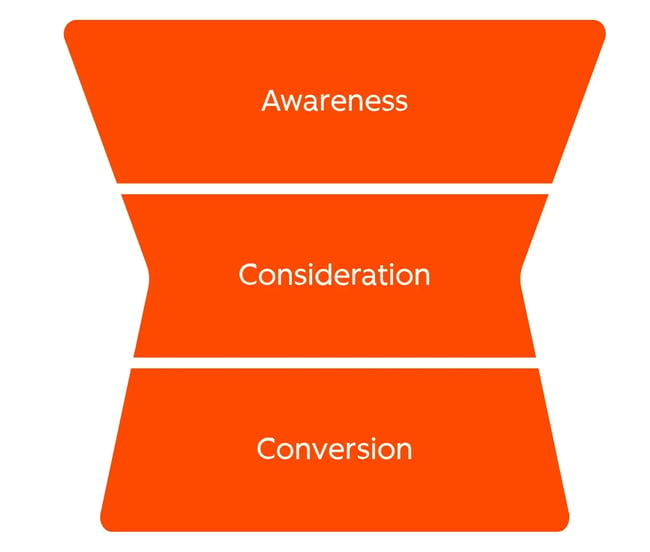
The traditional linear marketing funnel, which assumed a direct path from search to click, visit, and then lead, is no longer fully adequate in this AI-driven era. Zero-click searches don’t eliminate this path but profoundly restructure its initial stages. HubSpot’s evolved "hourglass visualization" of the buyer’s journey, embodied in its Loop Marketing concept, offers a more accurate representation, acknowledging that more of the early-stage interactions now occur directly on the SERP.
-
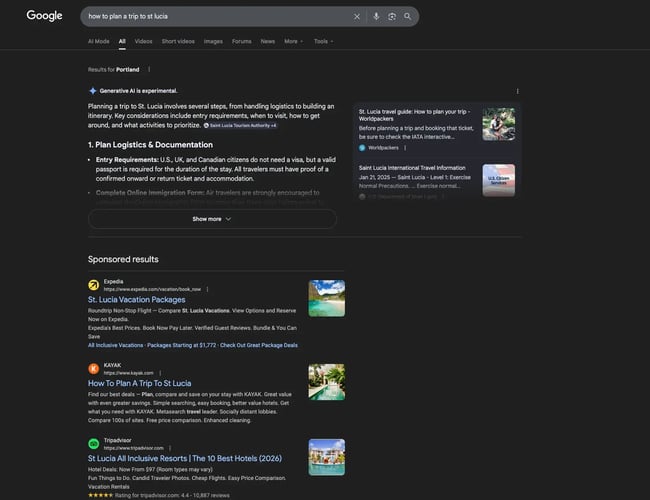
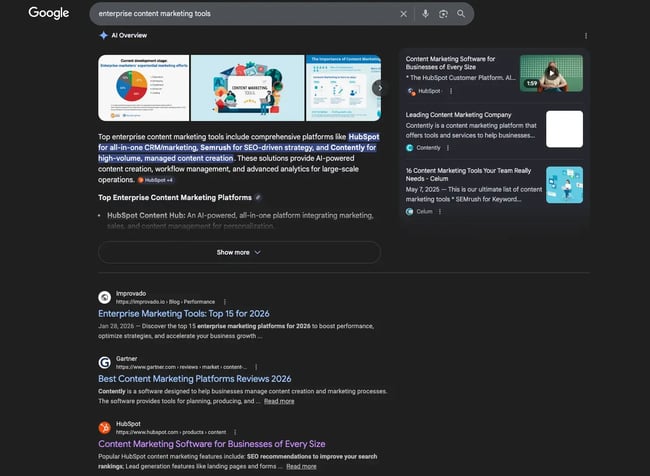
Awareness Stage: The SERP as a Branding Arena: At the very top of the funnel, users are identifying pain points and exploring potential solutions. In the zero-click environment, their initial brand exposure happens directly on the SERP. Instead of scrolling through multiple organic listings, users are primarily exposed to brands and websites cited within AI Overviews, featured snippets, or sponsored results. For instance, a luxury travel agent specializing in the Caribbean might find users getting trip ideas and destination education directly from AI recommendations rather than their blog content. Similarly, B2B buyers searching for "best CRM for mid-market" or "enterprise content marketing tools" may form initial vendor shortlists based solely on AI summaries. Being prominently cited here is akin to powerful advertising, establishing brand presence before any website visit. This early exposure builds crucial top-of-mind awareness.
-
Consideration Stage: Interest and Evaluation Without the Click: As buyers move into the consideration phase, actively seeking solutions, rich results like People Also Ask (PAA) boxes and expanded featured snippets fulfill the research depth that previously required multiple site visits. If a brand is cited in both a featured snippet and then repeatedly within PAA expansions, it begins to build a strong preference. The objective here shifts from forcing a click to consistently positioning the brand as the authoritative and recurring "right answer." Repetition fosters familiarity, and familiarity breeds trust, pre-conditioning the buyer even before they engage directly with the brand’s website. HubSpot’s AEO capabilities in Marketing Hub Professional and Enterprise allow teams to understand which prompts matter most and track their brand’s appearance in these critical AI-generated answers.
-
Conversion Stage: Intent-Driven Queries Persist: The conversion stage