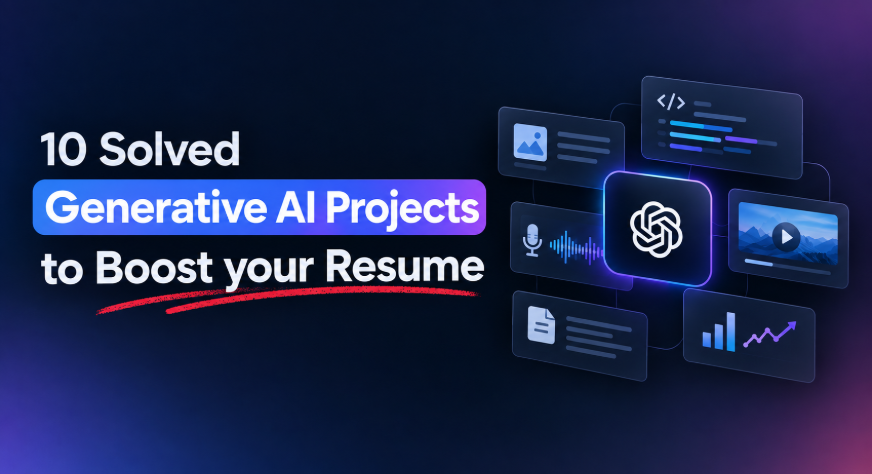
The transition from academic learning to professional competency in the field of artificial intelligence is increasingly defined by the quality of a candidate’s portfolio rather than their formal credentials alone. As the global AI market is projected to reach nearly $2 trillion by 2030, the demand for engineers who can bridge the gap between theoretical frameworks and deployable solutions has never been higher. Recruiters in the current landscape prioritize individuals who demonstrate a mastery of the "Generative AI stack," which includes large language models (LLMs), vector databases, and multimodal integration. This comprehensive guide details 10 solved projects that serve as a roadmap for developers to transition from basic machine learning concepts to advanced generative systems.
The Evolution of the AI Developer Skill Set
The chronology of AI development has shifted rapidly over the last decade. Following the "Deep Learning Revolution" of 2012, the industry focused heavily on discriminative models—AI that could classify images or predict churn. However, the release of the Transformer architecture in 2017 and the subsequent launch of ChatGPT in 2022 fundamentally altered the required expertise. Modern portfolios must now showcase "Agentic" capabilities: the ability of an AI to search the web, reason through complex tasks, and generate high-fidelity media across text, audio, and video.
Data from recent industry reports suggests that 75% of tech hiring managers now view a GitHub portfolio as a primary indicator of technical fit. By engaging with open-source reference implementations, developers can demonstrate their ability to navigate complex codebases and customize state-of-the-art models for specific business use cases.
1. AI-Powered Search Engines and the Death of Traditional SEO
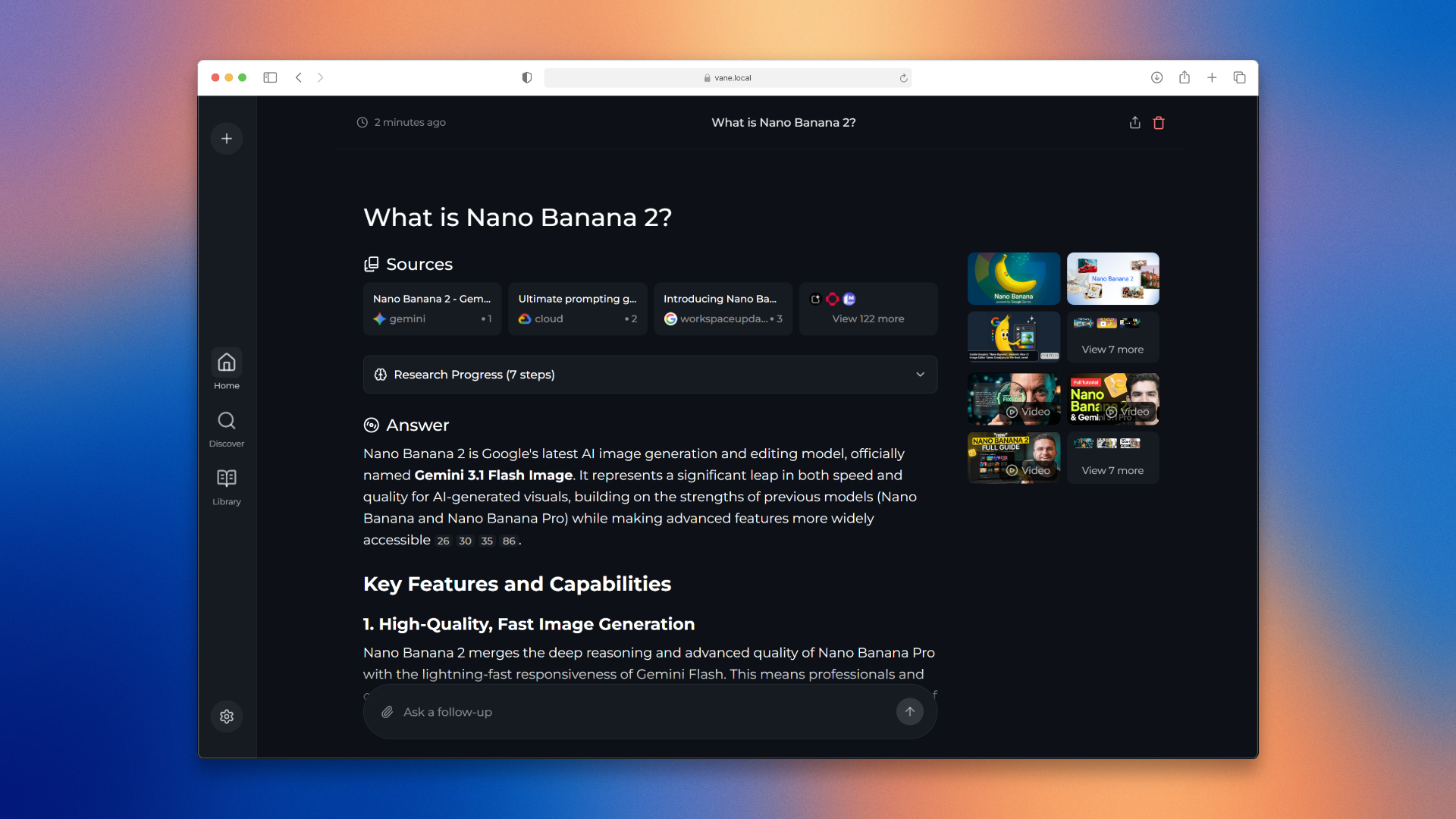
The first pillar of a modern AI portfolio is the creation of a search engine that moves beyond keyword matching. Using Perplexica as a reference architecture, developers can build systems that combine web crawling with Retrieval-Augmented Generation (RAG). Unlike traditional engines that return a list of links, these systems provide direct, source-backed answers.
Technical Stack: Python, Next.js, SearXNG, Ollama, and vector search libraries.
Core Competencies: Building search pipelines, implementing reranking algorithms to ensure accuracy, and mastering "grounding"—the process of ensuring an LLM does not hallucinate by forcing it to cite its sources. This project is particularly relevant as enterprises seek to build internal "knowledge bases" that function like private versions of Perplexity.
2. Multimodal AI Podcast Generators
As content consumption shifts toward audio, the ability to transform static documents into dynamic, multi-speaker dialogues is a highly valued skill. Using tools like Podcastfy, developers can create systems that ingest PDFs, URLs, and images to generate a structured script, which is then converted into natural-sounding audio.
Technical Stack: Gemini/OpenAI/Anthropic APIs, ElevenLabs, and Gradio for the user interface.
Core Competencies: Multimodal ingestion, dialogue synthesis, and text-to-speech (TTS) optimization. This project demonstrates an understanding of how to maintain a consistent "voice" and "personality" across long-form content, a key challenge in generative media.
3. AI Music Generation and the Frontier of Audio Diffusion
The intersection of AI and the creative arts is perhaps most visible in music generation. By utilizing the ACE-Step workflow, developers can build a studio that converts natural language prompts and lyrics into full-length musical compositions. This requires a deep dive into diffusion models—the same technology that powers image generators like Midjourney, but applied to the temporal domain of audio.

Technical Stack: PyTorch, CUDA for GPU acceleration, and Hugging Face Transformers.
Core Competencies: Understanding diffusion models, conditioning mechanisms (how to make the AI follow a specific genre or tempo), and audio signal processing.
4. Synchronized Audio and Video Generation
The "holy grail" of generative AI is the creation of high-fidelity video from text. Building an application based on LTX-2 allows developers to explore text-to-video and image-to-video transformations. The primary technical hurdle here is temporal consistency—ensuring that an object in frame one looks the same in frame sixty.
Technical Stack: Python, ComfyUI, and Diffusers.
Core Competencies: Video diffusion, keyframe conditioning, and audio-video synchronization. This project serves as a precursor to working with enterprise-level video tools like OpenAI’s Sora or Kling.

5. AI Lip-Sync and Automated Dubbing Tools
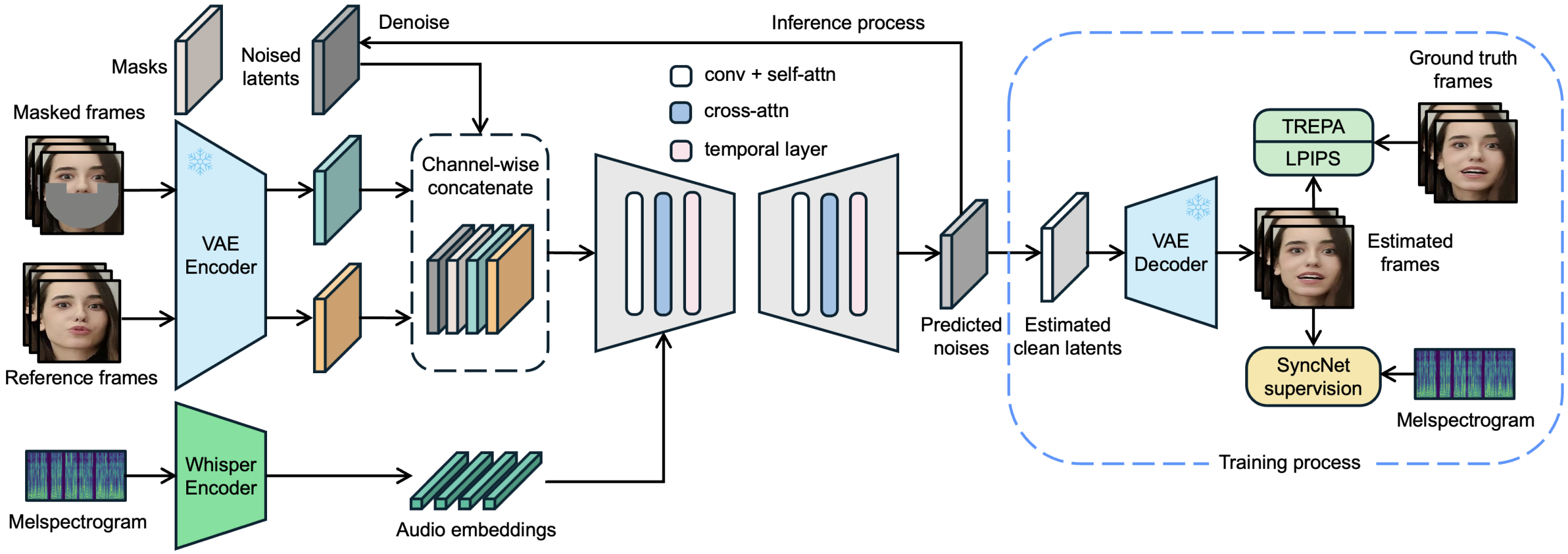
For global media companies, the ability to dub content while maintaining visual realism is worth billions. By studying LatentSync, developers can build tools that synchronize a speaker’s lip movements with a new, translated audio track. This project bridges the gap between computer vision and audio processing.
Technical Stack: Whisper (for transcription), Stable Diffusion, and FFmpeg for video rendering.
Core Competencies: Temporal consistency in video editing and audio-driven visual conditioning. This project highlights a developer’s ability to handle the "Uncanny Valley" problem, where slight desynchronization makes AI-generated humans look unsettling.
6. Long-Form Multi-Speaker Voice Synthesis
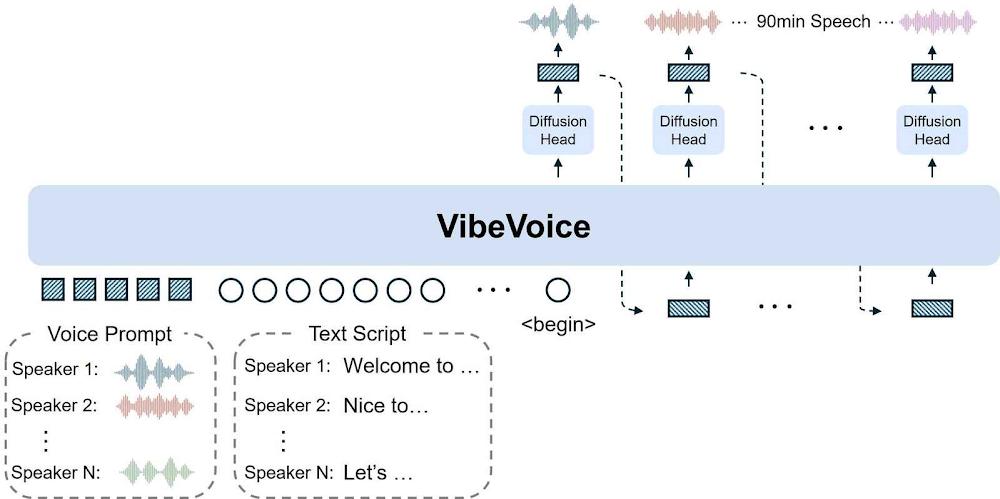
While short-form TTS is common, generating a multi-hour audiobook or a complex podcast with multiple interacting voices is a significant technical challenge. The VibeVoice project provides a framework for generating long-form audio that maintains emotional prosody and speaker identity over extended periods.

Technical Stack: PyTorch, VibeVoice, and Transformers.
Core Competencies: Neural TTS, speaker conditioning, and voice cloning. This is essential for developers looking to enter the burgeoning "AI influencer" or automated narration markets.
7. Instruction-Guided Image Editing Studios
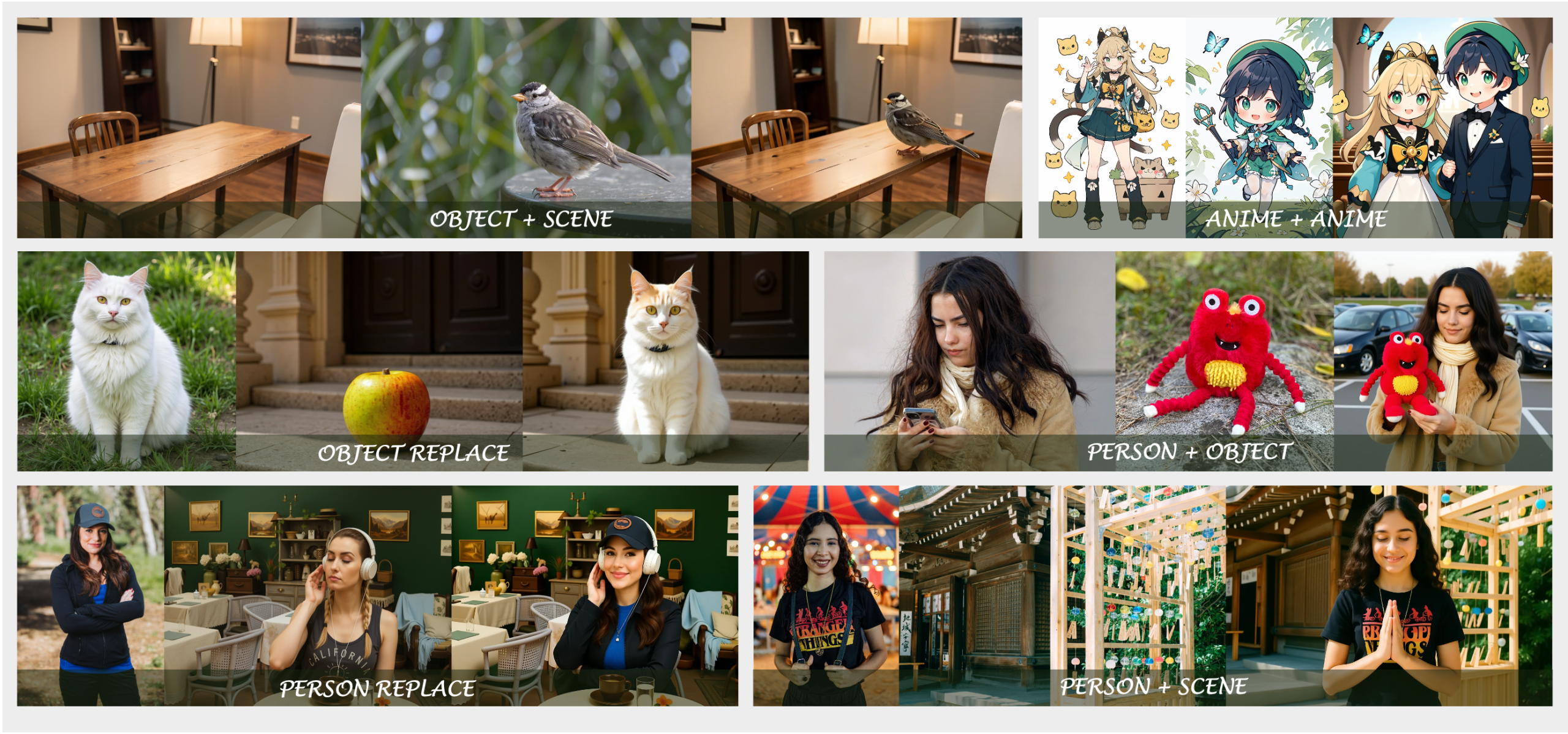
Moving beyond simple image generation, the next step is precise editing. Using OmniGen2, developers can create a studio where users modify images through natural language—for example, "change the red shirt to blue" or "add a mountain in the background."
Technical Stack: Python, OmniGen2, and ComfyUI.
Core Competencies: Multimodal prompting and image conditioning. This project demonstrates an understanding of how to manipulate "latent space," the mathematical representation where AI models store visual concepts.
8. Automated Presentation and Slide Generation
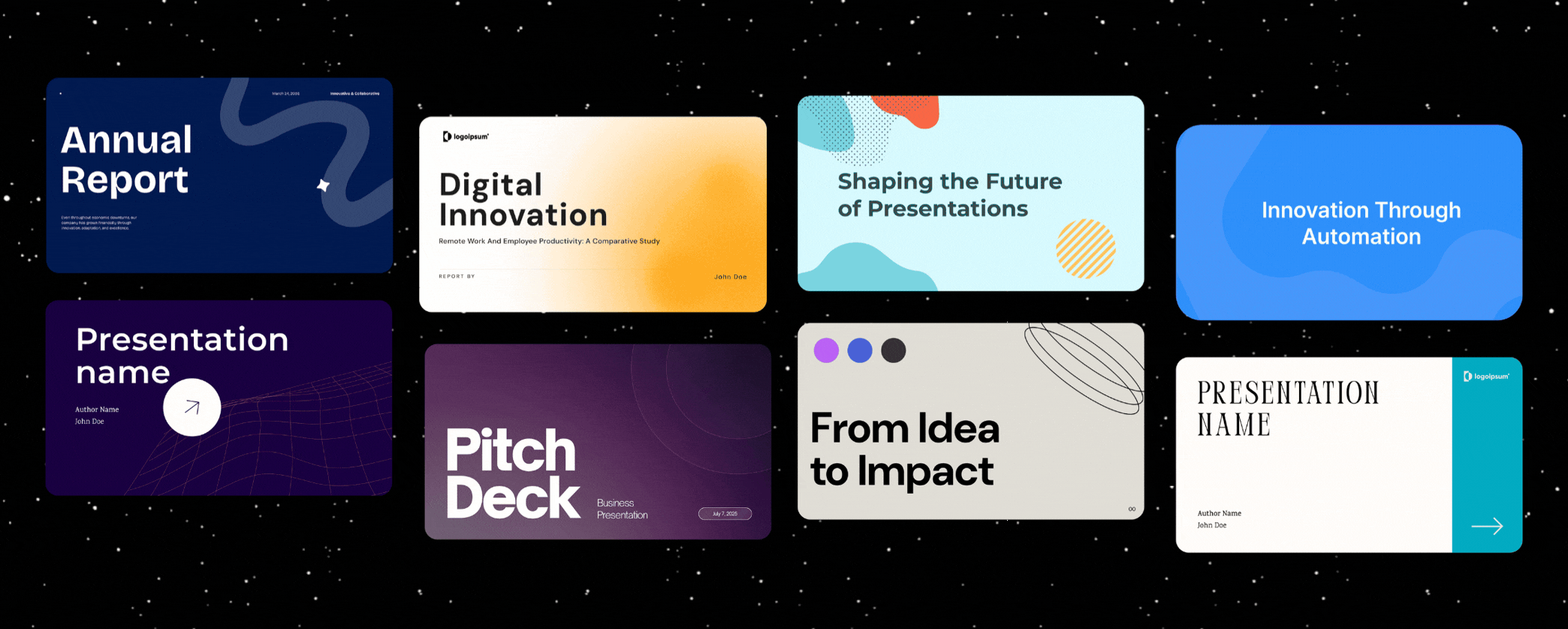
In the corporate world, productivity is the primary driver of AI adoption. Building an AI presentation generator using Presenton involves a complex multi-step workflow: researching a topic, creating an outline, generating relevant visuals, and finally exporting a formatted .pptx file.
Technical Stack: TypeScript, React, and Python-based PPTX libraries.
Core Competencies: Structured data generation and API integration. This project is a masterclass in "Agentic workflows," where the AI must perform several different types of tasks in a specific order to reach a final goal.
9. Deep Research Assistants and Agentic Workflows
As the volume of online information grows, "Deep Research" agents are becoming essential. These tools, modeled after systems like DeepResearch, do not just answer a question; they break it down into sub-tasks, search multiple databases in parallel, verify conflicting claims, and compile a structured report with a bibliography.
Technical Stack: FastAPI, SearXNG, and knowledge graphs.
Core Competencies: Research planning, source verification, and the implementation of knowledge graphs to track complex relationships between facts.
10. Natural Language Data Analysis
The final project in a top-tier portfolio should focus on data. By building a tool that allows non-technical users to query a database using plain English, developers tap into the "Business Intelligence" market. This involves converting natural language into SQL or Python code, executing it, and visualizing the results.
Technical Stack: LLM APIs, Pandas, and SQL.
Core Competencies: Code generation, data visualization, and prompt engineering for structured output.
Industry Impact and Strategic Analysis
The shift toward "solved" projects reflects a broader trend in the tech industry: the commoditization of basic AI models. Today, the value lies not in training a model from scratch—which costs millions—but in the "orchestration" of existing models into a functional product.
Recent data from Gartner indicates that by 2026, 80% of enterprises will have used generative AI APIs or deployed generative AI-enabled applications in production environments. For the job seeker, this means that showing a "Music Generation Studio" or a "Deep Research Assistant" proves they can handle the latency, cost, and accuracy issues that define real-world AI deployment.
Experts like Andrew Ng have frequently noted that the "AI Fundament" is now accessible to everyone, but the ability to build "vertical" applications—AI tailored for a specific niche—is where the professional opportunity lies. By taking the open-source projects listed above and adding features such as error handling, user authentication, and performance monitoring, a developer transforms a simple demo into a professional-grade portfolio piece.
Conclusion: The Path Forward
Building a portfolio in the age of Generative AI requires a balance of creativity and engineering rigor. The 10 projects outlined here represent the cutting edge of what is possible with current open-source technology. However, the most successful candidates will be those who do not simply replicate these repositories but extend them. Adding an evaluation layer to test for accuracy, optimizing the GPU memory usage for faster inference, or creating a unique user interface are the steps that turn a student into a professional. As the AI field continues to evolve, the ability to learn, adapt, and build in public remains the most valuable asset any developer can possess.