Laily UPN
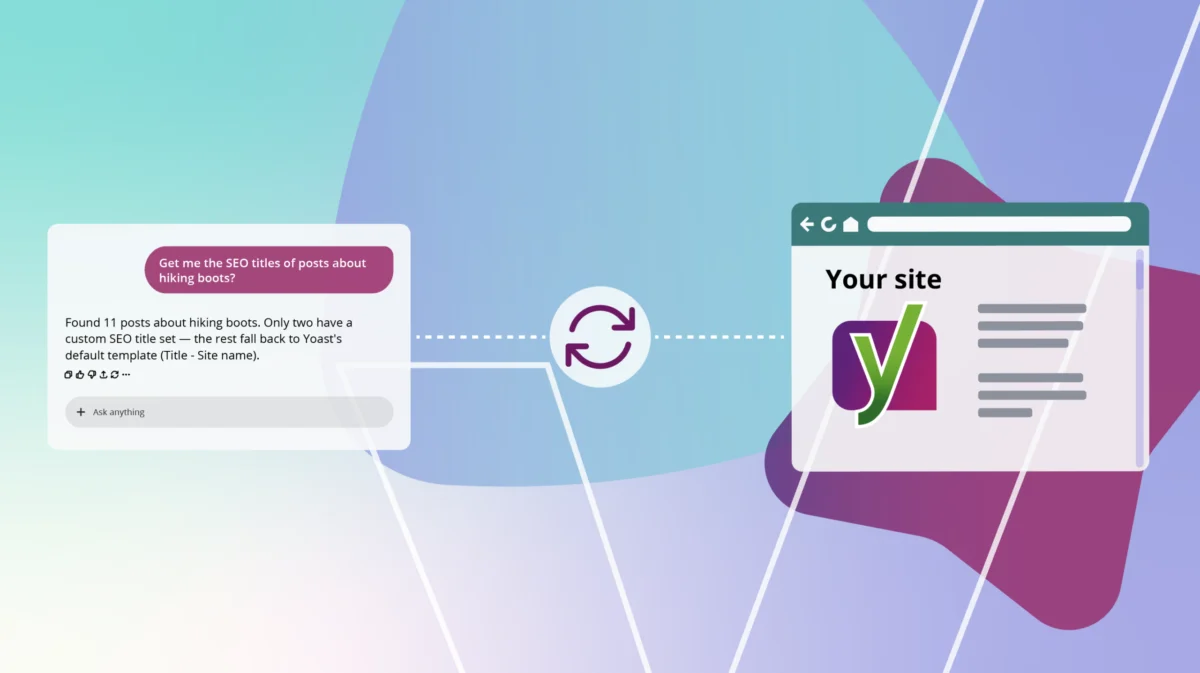
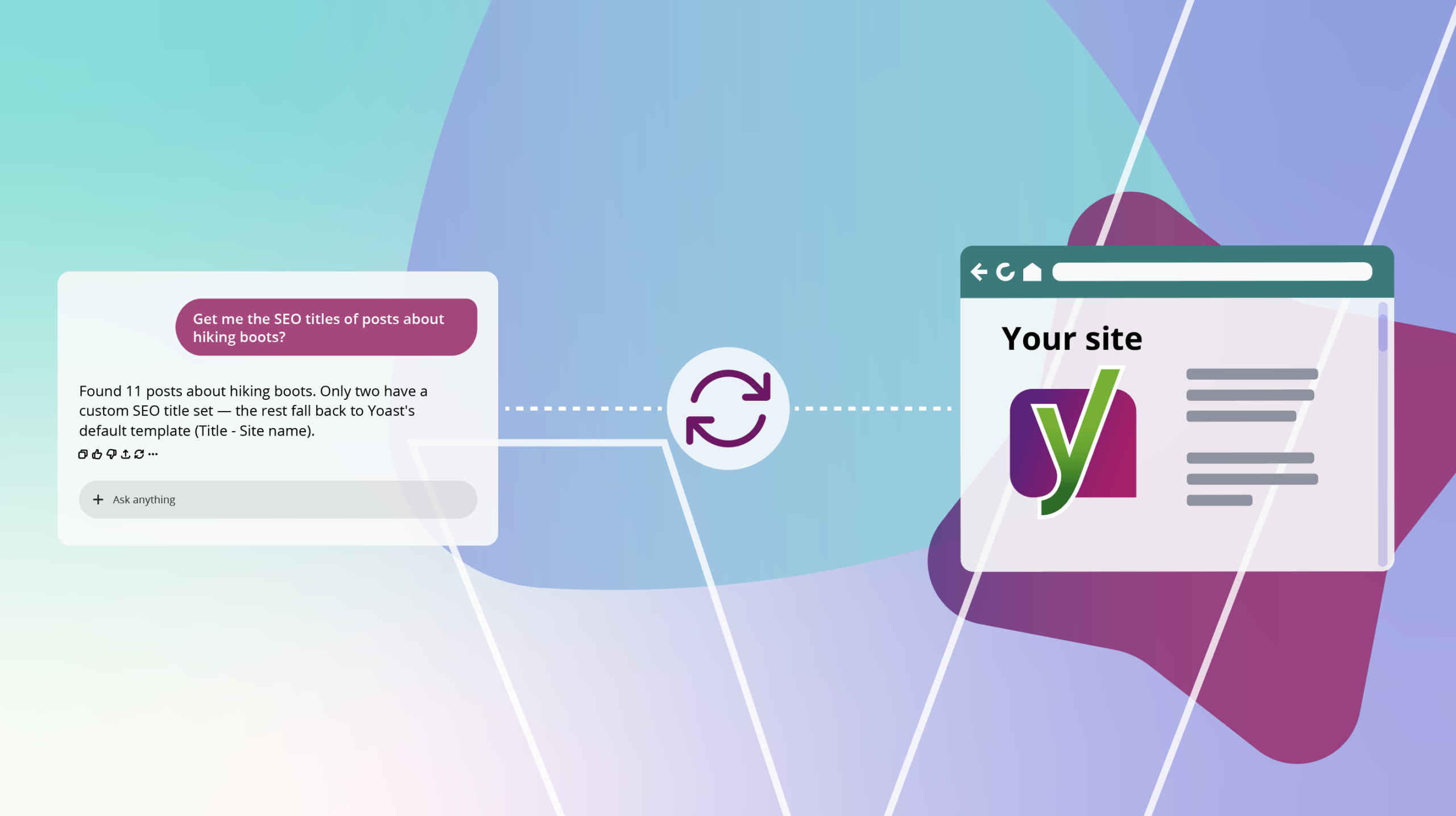
The digital marketing landscape is experiencing a transformative shift, moving rapidly from diagnostic artificial intelligence to actionable, autonomous systems. In a groundbreaking development set to redefine how websites manage their search engine optimization, Yoast SEO has unveiled a powerful new suite of AI-powered "Abilities." This release empowers AI tools to not only identify SEO issues but also directly implement fixes within the WordPress backend, marking a pivotal moment in the automation of on-page SEO.
For years, the promise of AI in SEO has largely revolved around analysis and recommendations. An AI tool might meticulously scan a website, accurately flagging critical errors such as a product page incorrectly identified as a recipe by Google, or an outdated link pointing to a test environment. While invaluable, these findings historically necessitated manual intervention. Website administrators and SEO specialists would still have to navigate the complexities of their content management system, manually adjusting each setting. Yoast SEO’s latest update, leveraging the WordPress Abilities API, closes this critical gap, allowing the same AI tools to initiate and execute these technical changes automatically.
The Evolution of SEO Automation: From Diagnostics to Direct Action
The journey of SEO has been one of continuous evolution, from simple keyword stuffing to sophisticated technical optimization, content strategy, and user experience. Early automation tools focused on auditing and reporting, providing insights that human operators would then translate into action. This iterative process, while effective, was often time-consuming, resource-intensive, and prone to human error, particularly for large websites or agencies managing multiple clients.
The advent of Large Language Models (LLMs) and advanced AI brought a new wave of diagnostic capabilities. These tools could process vast amounts of data, understand context, and generate highly nuanced reports on SEO health, content quality, and potential ranking improvements. However, the critical bottleneck remained the manual implementation of these recommendations. The industry has been eagerly anticipating the next logical step: AI that doesn’t just tell you what to do, but actually does it for you.
Yoast SEO’s "Abilities" represents this next frontier. It transforms AI from a passive advisor into an active agent, capable of reading a page’s SEO configuration and then updating those technical settings directly. This integration means that the diagnosis and subsequent fix can now occur seamlessly within the same AI-driven workflow, significantly reducing the operational overhead associated with maintaining optimal search visibility. This shift aligns with the broader industry trend of "agentic workflows," where AI tools are designed to take initiative and perform tasks autonomously based on predefined goals and parameters.
Key Features of Yoast SEO Abilities
This release introduces a robust set of functionalities designed to provide granular control and efficient automation:
-
Comprehensive Data Retrieval (
yoast-seo/get-post-seo-data): AI tools can now retrieve a complete snapshot of a post’s SEO data. This includes crucial elements such as the title, meta description, robots flags (e.g., noindex, nofollow), schema type (e.g., Article, Product), canonical URL, social media previews, and existing SEO and readability scores. Furthermore, the system allows for flexible post identification, enabling agents to locate specific content by ID, permalink, or even a plain-language title search in a single API call, eliminating the need for complex multi-step queries. -
Direct Technical Field Modification: The core technical settings that are fundamental to SEO performance are now writable directly by AI tools. These include:
- Canonical URL: Essential for preventing duplicate content issues by specifying the preferred version of a page.
- Robots Flags: Directing search engine crawlers on how to interact with a page (e.g., whether to index it or follow its links).
- Cornerstone Content Status: Designating high-value, foundational content for strategic internal linking.
- Schema Type: Structured data markup that helps search engines understand the content’s context and display rich snippets.
These fields are managed directly by Yoast SEO, ensuring that all changes adhere to established best practices and integrate seamlessly with the plugin’s existing architecture.
-
Robust Rollback Mechanism: A crucial safety net for any automated system, the Abilities API supports rolling back changes made through an AI tool. This functionality is session-dependent; the AI tool must maintain the original values in its context. The recommended practice is to retrieve a post’s SEO data before any update, perform the modification, and then review the result within the same session. This ensures that if an unintended outcome occurs, the previous state can be restored, providing a vital layer of control and mitigating potential risks associated with autonomous changes.
-
Efficient Bulk Operations: Recognizing the need for scalability, Yoast SEO Abilities enables bulk and batch operations. This allows AI tools to apply
get,update, orfilterrequests across multiple posts in a single call. The system returns per-post results, offering clear visibility into precisely what changes were made and where, which is invaluable for auditing and reporting on large-scale optimizations. -
Strategic Human Oversight: While embracing automation, Yoast SEO maintains a critical element of human control over strategic SEO decisions. The "focus keyphrase" remains read-only for AI tools. This deliberate design choice ensures that the core keyword strategy, which is often tied to content briefs, marketing campaigns, and competitive analysis, is always set and managed by human experts. Automatic generation or modification of the focus keyphrase could inadvertently skew content assessments, invalidate strategic workflows, and lead to misaligned optimization efforts. Yoast advises that content-related workflows, especially those involving keyphrase optimization, continue to be managed within the WordPress editor, where the full context of content creation resides.
Built on WordPress Standards: The Foundation of Integration
A cornerstone of this innovative release is its deep integration with the WordPress ecosystem, specifically leveraging the WordPress Abilities API. This API, introduced in November 2025 (as referenced in the original content), provides a standardized, secure, and extensible framework for connecting external applications, including AI tools, with core WordPress functionalities.
By building on this established API, Yoast SEO ensures several critical advantages:
- No Custom Integration Needed: Developers and users do not need to create bespoke integrations for each AI client. Once the WordPress MCP Adapter is connected, Yoast SEO’s abilities become callable tools for any client that understands the Machine-Callable Plugin (MCP) protocol. This includes popular AI development environments and tools like Claude Desktop, Claude Code, Cursor, and VS Code.
- Predictable Schemas: The Abilities API provides typed input and output schemas, clearly defining what data to send to the API and what to expect in return. This predictability is paramount for developers building dashboards, reporting tools, or custom AI agents, ensuring reliable data exchange and reducing development complexity.
- Enhanced Security and Access Control: Access to these new AI capabilities adheres to native WordPress capability checks. There is no separate, complex permission system to learn or manage. This means that access to AI-driven SEO modifications can be audited and controlled using the same robust WordPress user roles and permissions that administrators already employ for other admin-level access, ensuring that only authorized users or agents can make changes.
- Standardization for Agencies: For digital marketing agencies managing numerous client websites, this standardized approach is a game-changer. It allows for a single, consistent setup across all WordPress builds, eliminating the need for manual, per-site reconfigurations and significantly streamlining agency operations.
Broader Implications for the Digital Marketing Landscape
This development from Yoast SEO is not merely an incremental update; it represents a significant leap forward with profound implications for various stakeholders within the digital marketing ecosystem.
- For SEO Agencies and Professionals: The immediate benefit is a dramatic increase in efficiency and capacity. Agencies can automate repetitive, technical SEO tasks, freeing up their human experts to focus on higher-level strategy, competitive analysis, content creation, and client relationship management. This could lead to new service offerings, allowing agencies to manage more clients with existing resources or deliver more in-depth strategic work. However, it also necessitates a new skill set: managing and overseeing AI agents, understanding their limitations, and ensuring ethical deployment.
- For Businesses and Website Owners: This capability empowers businesses, particularly those with large or frequently updated websites, to maintain optimal SEO health with unprecedented speed and precision. Websites can react to algorithm changes or content updates almost instantly, ensuring they remain competitive in search rankings. Reduced reliance on manual intervention can also translate into lower operational costs and a more efficient allocation of marketing budgets. For small to medium-sized businesses, it democratizes access to advanced technical SEO capabilities that might otherwise require dedicated in-house experts or costly agency retainers.
- For Developers and the WordPress Ecosystem: The Yoast SEO Abilities, built on the WordPress Abilities API, opens up a fertile ground for innovation. Developers can now build more sophisticated AI-powered tools, dashboards, and integrations that interact directly with WordPress sites, fostering a new generation of plugins and services that leverage agentic AI. This strengthens WordPress’s position as a cutting-edge CMS, capable of integrating with the most advanced technologies.
- The Future of SEO: A Hybrid Model: This release solidifies the vision of a hybrid human-AI model for SEO. While AI excels at identifying patterns, executing repetitive tasks, and processing vast amounts of data, human strategists remain indispensable for understanding nuances, creative problem-solving, ethical considerations, and adapting to unforeseen market shifts. The future of SEO will likely involve humans setting the strategic direction, and AI agents executing the tactical optimizations under human supervision. The importance of the rollback feature underscores the need for continuous human oversight and validation of AI actions.
Market Context and Supporting Data
The timing of this release aligns with several significant market trends. The global SEO services market was valued at approximately $60 billion in 2023 and is projected to grow substantially, driven by increasing digital transformation and intense online competition. Furthermore, the adoption of AI in marketing is skyrocketing; reports indicate that a growing percentage of marketers are already leveraging AI tools for various functions, from content generation to data analysis. WordPress, powering over 43% of all websites on the internet, provides an unparalleled platform for disseminating these AI-powered capabilities to a massive global audience. Yoast SEO, as one of the most popular and influential SEO plugins for WordPress, is uniquely positioned to lead this charge towards AI-driven optimization within this dominant CMS ecosystem.
Getting Started with Yoast SEO Abilities
To begin leveraging these powerful new capabilities, users must first connect their own Large Language Model (LLM) subscription to Yoast SEO. Once this connection is established, read access, core SEO field updates, and bulk operations are all included as part of the Yoast SEO plugin. Detailed developer documentation is available, outlining the full list of abilities, the precise typed input and output schemas, and comprehensive instructions on how to connect the WordPress MCP Adapter (available on GitHub).
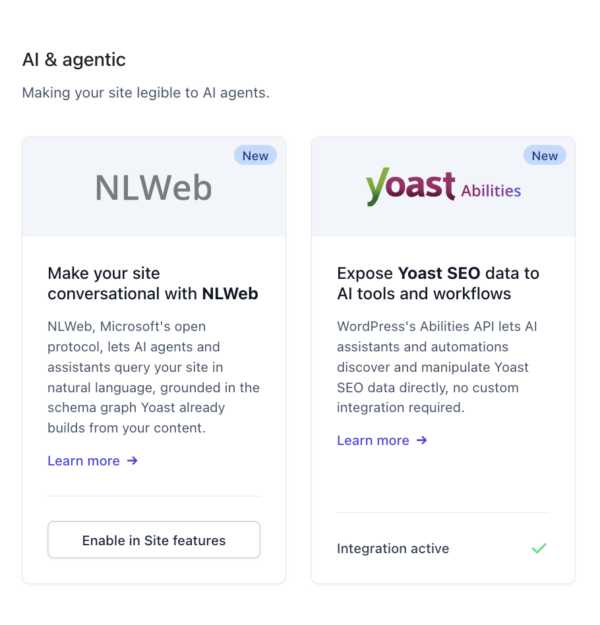
For users, the setup process has been streamlined within the Yoast SEO dashboard. Following the connection of an LLM subscription, users can navigate to "Yoast SEO" then "Integrations." This page has been thoughtfully reorganized, grouping integrations by topic for easier navigation. Users will find the new "AI & agentic" group, which provides direct access to the configuration and management of these advanced capabilities. A dedicated help article offers step-by-step guidance on setting up and utilizing Yoast SEO Abilities.
This innovative update from Yoast SEO marks a significant milestone in the ongoing integration of artificial intelligence into digital marketing. By enabling AI tools to move beyond mere diagnostics and take direct action on a website’s technical SEO, Yoast is empowering businesses and agencies to achieve unprecedented levels of efficiency, responsiveness, and optimization in the competitive landscape of search engine rankings. The future of SEO is here, and it’s intelligently automated, yet strategically controlled.

 Siti Muinah

 Raul Delapena Setiawan