Yoast SEO Premium, a widely used WordPress plugin for search engine optimization, has issued a critical security update, version 27.6.1, to address a vulnerability found within its Redirect Manager. This fix targets an issue that, under specific circumstances, could allow an authenticated user to inject malicious configuration into a site’s .htaccess file, potentially leading to a site crash or, in severe cases, remote code execution (RCE). While the company assures that the "vast majority of users are not impacted" and no evidence of exploitation has been found to date, users of Yoast SEO Premium, Yoast WooCommerce SEO, and Yoast SEO AI+ are strongly advised to update their installations immediately to mitigate any potential risks. The vulnerability specifically affects sites utilizing the Redirect Manager with the .htaccess redirect method enabled.
Background Context: The Indispensable Role of Yoast SEO and the Power of .htaccess
Yoast SEO stands as one of the most ubiquitous and influential plugins in the WordPress ecosystem, empowering millions of website owners and marketers to optimize their content for search engines. With its comprehensive suite of features ranging from on-page content analysis, XML sitemap generation, breadcrumbs control, and schema markup integration, it has become an indispensable tool for enhancing a website’s visibility and organic traffic. As of early 2024, WordPress powers over 43% of all websites on the internet, and Yoast SEO is actively installed on millions of these sites, making its security paramount to a significant portion of the web.
Among its many functionalities, the Redirect Manager is a critical component, designed to help site administrators manage URL changes seamlessly. When pages are moved, deleted, or their slugs are altered, proper redirects are essential to prevent 404 "Page Not Found" errors, preserve link equity, and ensure a smooth user experience. Without effective redirect management, websites can suffer significant SEO penalties, loss of organic traffic, and user frustration, directly impacting business operations and online presence.
The vulnerability specifically resides in how Yoast SEO’s Redirect Manager interacts with the .htaccess file, a fundamental configuration file for web servers running Apache, which powers a significant portion of the internet. The .htaccess file (hypertext access) is a directory-level configuration file that allows for decentralized management of web server settings. It can override global server configurations for specific directories and their subdirectories, offering granular control over a website’s behavior. Common uses of .htaccess include defining custom error pages, implementing URL rewrites, managing caching, enforcing security rules (like IP blocking or password protection), and, crucially, handling URL redirects. Because .htaccess directives are processed by the web server itself, they are often the most performant method for implementing redirects, as they intercept requests before WordPress even loads. However, this power comes with inherent risks: even a minor misconfiguration or the injection of malicious code into .htaccess can lead to severe operational issues, from complete website downtime to exposing the server to critical security threats. The ability to inject "unexpected configuration" into this file, as described by Yoast, is therefore a serious concern, as it directly manipulates the server’s instructions, bypassing typical application-level security layers.
Technical Deep Dive: Unpacking the Vulnerability and Its Potential Impact

The vulnerability, identified internally by Yoast, stems from insufficient sanitization and validation of user input within the Redirect Manager when special characters were included in a redirect rule. An "authenticated user" – meaning someone with legitimate access to the WordPress dashboard and the necessary permissions to manage Yoast SEO settings (typically an administrator or editor role) – could craft a redirect entry containing these special characters. Instead of being properly filtered or escaped, these characters could then be written directly into the .htaccess file, allowing for arbitrary code or directives to be injected into the server’s configuration.
The severity of this flaw is categorized by its potential impact, ranging from disruptive to catastrophic:
- Site Crash: The most immediate and common outcome of an
.htaccessmisconfiguration is a complete website crash. Incorrect syntax, conflicting directives, or malformed rules injected into the.htaccessfile can cause the Apache server to fail processing requests for the affected directory. This renders the website inaccessible to visitors, resulting in immediate loss of traffic, potential revenue, and significant reputational damage. For e-commerce sites or high-traffic publishers, even minutes of downtime can translate into substantial financial losses. - Remote Code Execution (RCE): This represents the most critical potential outcome, often considered the "holy grail" for attackers. RCE vulnerabilities allow an attacker to execute arbitrary commands or code on the server where the website is hosted. If an authenticated user could inject specific
.htaccessdirectives that enable RCE, an attacker could potentially gain full control over the web server. This level of compromise could lead to a multitude of severe consequences, including:- Data Theft: Accessing and exfiltrating sensitive user data, customer databases, proprietary business information, or other confidential records.
- Website Defacement: Altering the website’s content to display malicious, political, or unauthorized material, damaging brand image and user trust.
- Malware Distribution: Injecting malicious scripts or links into the website to infect visitors’ computers with viruses, ransomware, or spyware.
- Server Takeover: Using the compromised server as a platform for launching further attacks (e.g., DDoS attacks), hosting illicit content, or incorporating it into a botnet.
Yoast has emphasized that the "vast majority of users are not impacted" due to specific prerequisites for the vulnerability to be exploitable. A site is only potentially at risk if all three of the following conditions are met:
- The site is running Yoast SEO Premium, Yoast WooCommerce SEO, or Yoast SEO AI+. This explicitly excludes users of the free version of Yoast SEO, significantly narrowing the scope of affected installations.
- The Redirect Manager feature is enabled. Many users might not utilize this specific feature, opting for manual redirects or other plugin solutions.
- The
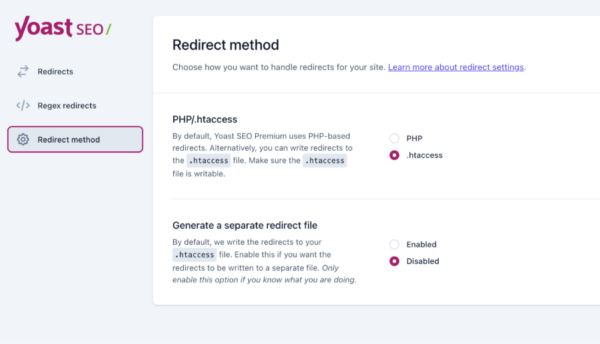
.htaccessredirect method is selected within the Redirect Manager settings. Yoast SEO offers alternative redirect methods (e.g., PHP-based redirects, which process redirects at the application level rather than the server level), and sites configured to use these alternatives are not susceptible to this particular.htaccessinjection flaw.
This specificity explains why Yoast could confidently state that most of its premium users are safe. However, for those meeting these criteria, the risk is substantial and warrants immediate attention, as the potential for severe system compromise is high.
A Chronology of Discovery and Remediation
While Yoast has not provided a precise, publicly detailed timeline for the vulnerability’s discovery, the rapid release of version 27.6.1 suggests a structured and efficient process typical of responsible disclosure and patching within the software industry.
- Discovery Phase (Undisclosed Date): It is highly probable that the vulnerability was either identified through an internal security audit conducted by Yoast’s development team, a routine code review, or reported by an external white-hat security researcher or a diligent user. Major plugin developers like Yoast often employ continuous security practices, including automated code analysis and manual reviews, and may also engage in bug bounty programs to proactively identify and address flaws. The fact that "no evidence of exploitation" has been found suggests that the discovery was likely proactive or quickly contained.
- Development of Fix (Undisclosed Period): Upon discovery, Yoast’s dedicated security and development teams would have immediately prioritized the creation of a patch. This process involves a meticulous analysis to identify the exact injection vector, developing robust sanitization and validation routines, and rigorously testing the fix to ensure it resolves the vulnerability without introducing new issues or breaking existing functionality. The mention of "three layers of protection" indicates a comprehensive, multi-faceted approach to securing the Redirect Manager, suggesting thorough development.
- Internal Testing and Review (Pre-release): Before public release, the patch would undergo extensive internal quality assurance and security reviews. This stage is crucial to ensure its efficacy and stability across various WordPress environments, PHP versions, and diverse server configurations (especially relevant for
.htaccesschanges). - Release of Yoast SEO Premium 27.6.1 (Latest Release Date): The official release date marks the point at which the fix became publicly available to all premium users. This release would have been accompanied by internal communications within Yoast to prepare support teams for potential user inquiries and to ensure they were equipped to guide users through the update process.
- Public Disclosure and User Communication (Coinciding with Release): Simultaneously with the software release, Yoast published a security advisory on its blog, detailing the vulnerability, its potential impact, and crucial steps for users to take. This transparent communication strategy is vital for building and maintaining user trust in the face of security incidents, allowing users to quickly assess their risk and take action. The promise of a "full security advisory" indicates that a more detailed technical report, possibly including a CVE (Common Vulnerabilities and Exposures) identifier, will follow, providing further context for security professionals and the broader cybersecurity community.
Yoast’s Comprehensive Remediation and User Guidance
In response to the identified vulnerability, Yoast SEO Premium 27.6.1 incorporates a robust, multi-layered security patch designed to prevent .htaccess injection. The fix includes:
- Enhanced Input Sanitization: This crucial first line of defense involves meticulously filtering and neutralizing any potentially malicious or unexpected characters from user input before they are processed. By stripping out or escaping special characters that could be interpreted as
.htaccessdirectives, the system prevents the injection of harmful commands at the earliest stage, before they can even be considered for writing to the file. - Secure Output Escaping: Even if malicious input somehow bypasses initial sanitization (a highly unlikely scenario with multiple layers), output escaping ensures that when the data is written to the
.htaccessfile, it is treated purely as data, not as executable commands. This means special characters are converted into their safe, literal equivalents, preventing them from being interpreted as code by the web server. This is a critical barrier against injection attacks. - Post-Modification Validation: As an additional safeguard, the patch includes mechanisms to validate the integrity and syntax of the
.htaccessfile after any changes are made by the Redirect Manager. This proactive check helps detect if any unintended or malformed directives have been written, potentially alerting administrators to an issue before it can cause a site crash or security breach. This acts as a final integrity check, ensuring the file remains valid and secure.
Yoast’s proactive measures extend beyond just patching the code. The company reported reviewing a "sample of sites using the affected configuration" and found "no evidence of exploitation." This finding is significant as it suggests that, despite the vulnerability’s existence, there are no known cases of abuse in the wild, offering some reassurance to the user base. However, this does not diminish the importance of updating, as the lack of observed exploitation does not guarantee future immunity once the vulnerability becomes widely known.
The immediate call to action for all users, especially those meeting the three aforementioned conditions, is to update to version 27.6.1 as soon as possible. Yoast estimates this process takes "under two minutes" via the WordPress plugins screen, making it a quick and essential task for any site administrator. For users unsure if they are affected, Yoast provides a clear method for verification: navigate to [www.yoursite.com]/wp-admin/admin.php?page=wpseo_redirects#/redirect-method within the WordPress dashboard. If the ".htaccess mode" is not visibly enabled in the redirect settings, the site is not at direct risk from this particular vulnerability. Nevertheless, maintaining all plugins, themes, and WordPress core up-to-date remains a fundamental security best practice for all users, regardless of direct impact from this specific issue. Yoast’s support team has been primed to assist users with any questions or concerns, reinforcing their commitment to customer security and trust.
Broader Implications: WordPress Security in a Dynamic Threat Landscape
This incident with Yoast SEO Premium serves as a potent reminder of the inherent security challenges within the broader WordPress ecosystem. WordPress, powering over 43% of all websites on the internet, is a prime target for malicious actors. Its modular nature, relying heavily on third-party plugins and themes, introduces a complex "supply chain" where a vulnerability in any single component can have widespread repercussions across millions of sites. In 2023 alone, over 2,000 unique WordPress plugin vulnerabilities were reported, underscoring the constant threat landscape.
- Plugin Security as a Critical Vector: Plugins, while extending WordPress functionality, are also the most common entry points for attackers. Statistics consistently show that vulnerabilities in plugins account for a significant majority (often over 80%) of successful WordPress breaches. This highlights the immense responsibility of plugin developers, especially those with products as widely adopted as Yoast SEO, to maintain rigorous security standards throughout their development lifecycle. Regular security audits, penetration testing, and adherence to secure coding practices are paramount to mitigating these risks.
- The Importance of Timely Updates: The rapid release of a patch by Yoast underscores the critical importance of keeping all software components updated. Attackers often reverse-engineer patches to understand the underlying vulnerability and then exploit unpatched systems. The window between a patch release and widespread exploitation can be very narrow, sometimes just hours or days, as proof-of-concept exploits quickly circulate. Therefore, prompt updates are not merely good practice but a vital defensive measure against known threats.
- User Responsibility and Best Practices: While developers bear the primary responsibility for secure code, users also play a crucial role in their website’s security posture. Essential best practices include:
- Regular Backups: Implement a robust backup strategy, ensuring that both website files and databases are regularly backed up and can be easily restored, minimizing downtime and data loss in case of a breach.
- Strong Authentication: Use strong, unique passwords for all WordPress accounts and enable two-factor authentication (2FA) wherever possible, adding an extra layer of security against credential theft.
- Principle of Least Privilege: Grant users only the minimum necessary permissions required for their roles. In the context of this vulnerability, it highlights that an "authenticated user" with specific administrative privileges was required for exploitation, emphasizing the need for strict access control.
- Security Plugins and Monitoring: Employ reputable WordPress security plugins that offer features like firewall protection, malware scanning, and activity logging. Continuously monitor website logs for suspicious activity or unauthorized changes.
- Understanding Your Stack: Administrators should have a basic understanding of their hosting environment, including key configuration files like
.htaccess, and the implications of changes made to them, fostering a more informed approach to security.
- Transparency and Trust: Yoast’s transparent and prompt disclosure of the vulnerability, along with clear instructions for users, is a commendable approach to incident response. In the digital age, how a company handles security incidents can significantly impact its reputation and user trust. Open communication, clear guidance, and swift action are essential for maintaining user confidence and mitigating the broader impact of security flaws.
Looking Ahead: Continuous Vigilance
The release of Yoast SEO Premium 27.6.1 is a testament to the ongoing battle against cyber threats in the web development landscape. While this specific vulnerability has been addressed, it serves as a powerful reminder that security is not a one-time fix but a continuous process of vigilance, adaptation, and remediation. As WordPress continues to evolve and new threats emerge, the collaborative effort between plugin developers, security researchers, and end-users remains critical to safeguarding the vast digital infrastructure powered by this versatile content management system. Yoast’s commitment to releasing a full security advisory further solidifies its dedication to transparency and contributing to the collective knowledge base of web security. Users are encouraged to stay informed, adhere to security best practices, and promptly apply all recommended updates to protect their digital assets against an ever-evolving threat landscape.

 Ali Ikhwan
 Neng Nana