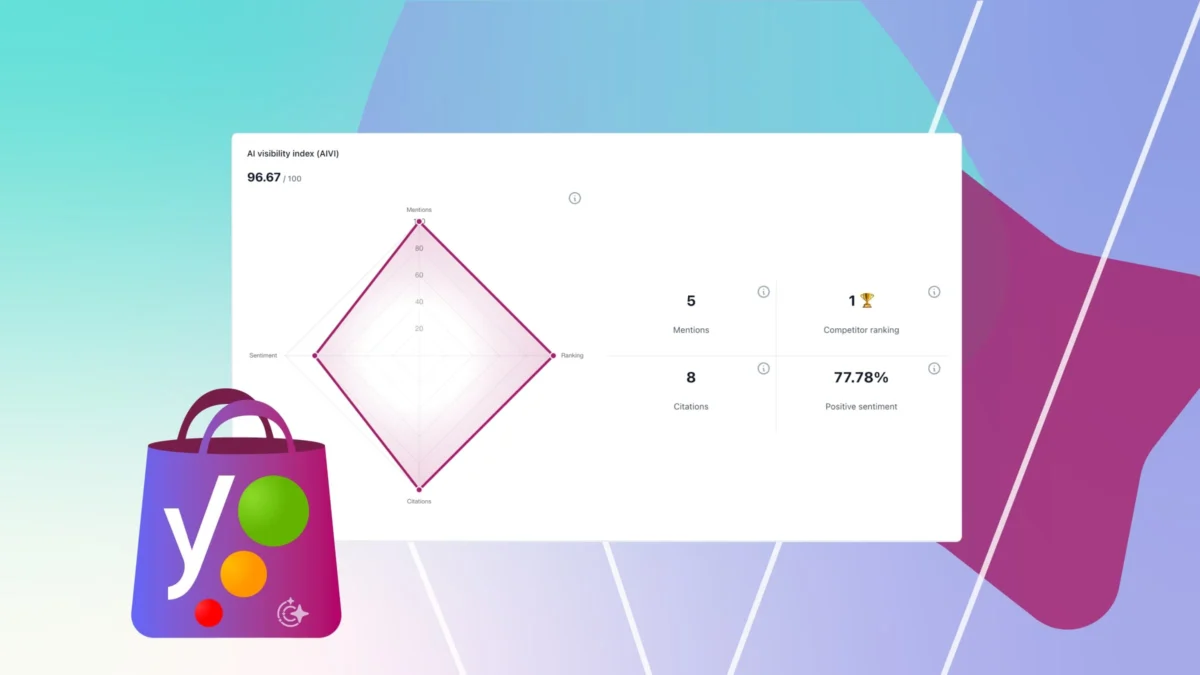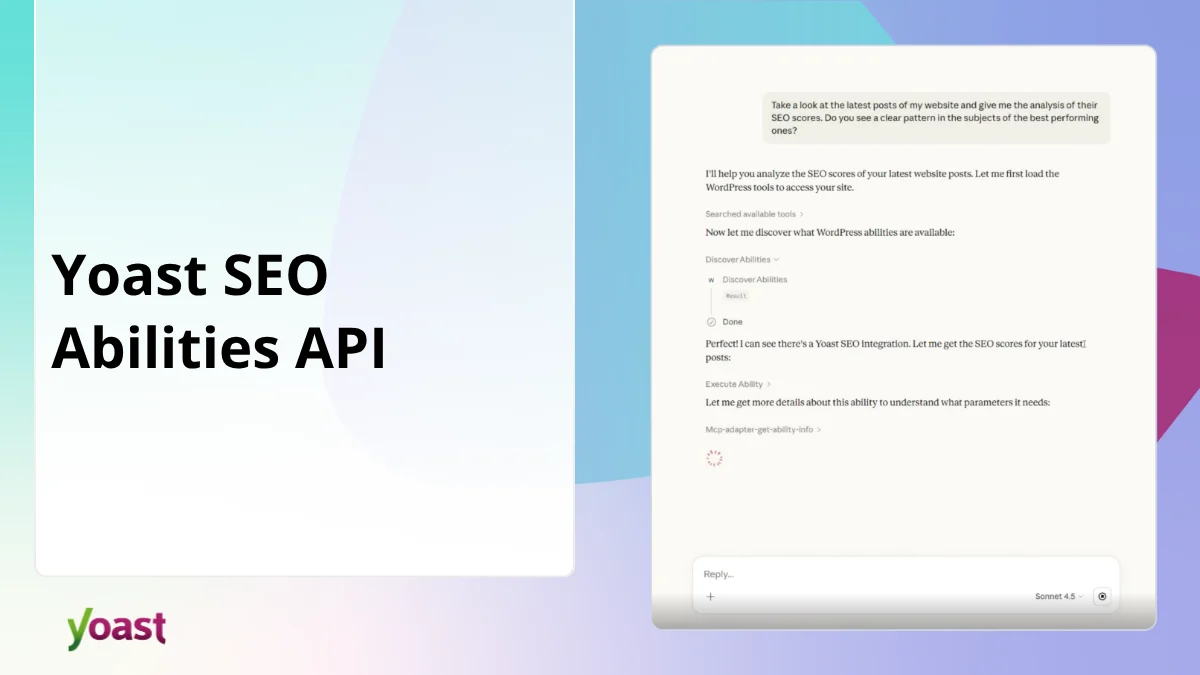
As of today, Yoast SEO, a ubiquitous plugin for WordPress, has unveiled a groundbreaking connector to the WordPress Abilities API, meticulously engineered to synchronize with the recent release of WordPress 6.9. This pivotal development marks a significant leap forward in the integration of artificial intelligence (AI) tools, sophisticated dashboards, and automated workflows directly with Yoast SEO’s robust content optimization capabilities. The introduction of the Yoast SEO Abilities is not merely an update but a strategic extension of WordPress’s evolving capabilities, signaling a future where SEO is more deeply embedded into the fabric of content creation and management through intelligent automation.
The essence of this innovation lies in its ability to democratize access to critical SEO data. For users of AI assistants, intricate automated workflows, or bespoke custom dashboards, the previous necessity of building complex custom connections or sifting through extensive documentation to retrieve Yoast content scores has been entirely eliminated. The new connector establishes an intuitive, "just works" interface, allowing compatible tools to instantaneously access and interpret vital SEO metrics without any intermediate friction. This streamlined connectivity promises to revolutionize how digital marketers, content creators, and web developers interact with SEO data, moving towards a more efficient and data-driven approach.
Understanding the WordPress Abilities API and WordPress 6.9
To fully appreciate the significance of Yoast SEO’s latest integration, it is crucial to understand the foundational shift occurring within the WordPress ecosystem, primarily driven by WordPress 6.9 and the overarching WordPress Abilities API. WordPress, which powers over 43% of all websites on the internet, has been on a continuous evolutionary path, transforming from a simple blogging platform into a versatile Content Management System (CMS) capable of supporting complex web applications. The introduction of the REST API in earlier versions was a major step, enabling headless WordPress configurations and greater extensibility. However, the Abilities API represents a more refined and purposeful advancement, specifically designed to facilitate seamless interaction between WordPress and external intelligent agents, including AI models and advanced automation systems.
WordPress 6.9, often described as a pivotal release, is engineered with enhanced interoperability and extensibility at its core. This version lays much of the groundwork for deeper AI integration, focusing on providing a standardized, secure, and efficient way for external systems to query and interact with WordPress data and functionalities. The Abilities API, a key component of this release, serves as a common language, a set of defined endpoints and data schemas that external applications can leverage without needing intimate knowledge of WordPress’s internal architecture. This standardized interface drastically reduces the development overhead for third-party tools, fostering a more interconnected and intelligent web environment. The underlying philosophy is to empower developers to build smarter, more responsive tools that can "understand" and react to the content and configurations within a WordPress site, thereby pushing the boundaries of what is possible with the platform.
Yoast SEO Abilities: A Gateway to Automated Insights
With the Yoast SEO Abilities connector, a compatible tool, once connected through the WordPress Abilities API (often facilitated by adapters like the WordPress MCP Adapter, as hinted in WordPress developer news), gains immediate access to a wealth of data from a site’s most recent posts. While the original article’s list of accessible data points was left blank, a logical inference based on Yoast SEO’s core functionalities suggests access to the following critical metrics:
- Overall SEO Score: The plugin’s iconic "red, orange, green" indicator, providing an instant assessment of a post’s SEO health.
- Readability Score: An evaluation of content clarity, sentence structure, and ease of comprehension, often using metrics like the Flesch-Kincaid reading ease test.
- Keyphrase Focus: The primary keyword targeted for the content, along with an assessment of its usage density and prominence within the text.
- Meta Description Presence and Quality: Analysis of the meta description’s length, inclusion of the focus keyphrase, and overall effectiveness for click-through rates.
- SEO Title Presence and Quality: Evaluation of the post title’s length, keyphrase inclusion, and appeal for search engine results pages (SERPs).
- Internal and External Link Counts: The number of links pointing to other pages within the site and to external resources, crucial for SEO and user experience.
- Image Alt Text Status: Verification that images have appropriate alt attributes for accessibility and SEO.
- Content Length: The total word count, a factor often considered in content depth and ranking.
- Schema Markup Status: Information regarding the presence and validity of structured data (e.g., Article schema, FAQ schema), which enhances how search engines understand content.
- Snippet Preview Data: The ability to pull how the post would appear in search results, including title, URL, and meta description.
This comprehensive array of data points transforms Yoast SEO from a static analysis tool into a dynamic data source, enabling external systems to perform sophisticated analyses and automate actions previously requiring manual intervention.
Transformative Use Cases: What Can Be Achieved?
The integration of Yoast SEO with the WordPress Abilities API unlocks a myriad of possibilities, redefining workflows for content creators, marketers, and developers alike. Here are expanded examples of what is now achievable:
- Intelligent Content Optimization with AI Assistants: Imagine an AI content writer that, as it drafts or revises an article, continuously queries Yoast SEO Abilities in real-time. It could automatically receive feedback on keyphrase density, readability, or meta description quality, and then self-correct or suggest improvements. For instance, if the readability score is low, the AI could automatically simplify complex sentences or break down long paragraphs. An AI assistant could also proactively identify content gaps based on target keyphrases and suggest new article topics that align with SEO goals, complete with an initial draft that is already Yoast-optimized.
- Automated SEO Auditing and Reporting: Marketing agencies managing hundreds of client websites can now deploy automated scripts that periodically audit all posts across their portfolio. These scripts can pull Yoast SEO scores, identify articles with "red" or "orange" statuses, and generate a prioritized list of content needing immediate attention. This data can then be automatically compiled into comprehensive SEO performance reports, highlighting trends, identifying underperforming content, and even predicting potential ranking drops based on content quality metrics, all without human intervention.
- Dynamic Content Workflows and Project Management Integration: Content teams can integrate Yoast SEO data directly into their project management systems (e.g., Asana, Trello, Monday.com). When a writer submits a draft, an automated workflow could check its Yoast SEO score. If the score is below a predefined threshold, the task could automatically be assigned back to the writer with specific feedback (e.g., "Improve readability," "Add focus keyphrase to meta description"). Alternatively, if the score is good, it could automatically move to an editor for review, streamlining the content pipeline and ensuring SEO best practices are met at every stage.
- Custom Performance Dashboards: Businesses with multiple content producers or large websites can build bespoke dashboards that aggregate SEO performance data across all their content. These dashboards can display real-time Yoast scores, track improvements over time, identify top-performing articles, and pinpoint areas of weakness. This allows for immediate, data-driven decisions regarding content strategy, resource allocation, and targeted optimization efforts, moving beyond generic analytics to actionable, content-specific insights.
- Personalized Content Recommendations: E-commerce sites or news portals could use AI to analyze user behavior in conjunction with Yoast SEO data. For example, if a user frequently engages with articles having high readability and specific keyphrases, the system could recommend new content that not only matches their interests but also boasts strong SEO scores, ensuring visibility and engagement.
- Bulk Content Optimization: For sites undergoing a migration or a major content refresh, tools can now programmatically access Yoast data for thousands of posts. This enables automated bulk updates, such as ensuring all new posts have a meta description, or identifying and flagging all old posts lacking alt text for images, making large-scale SEO initiatives far more manageable and efficient.
In essence, Yoast SEO is no longer just a plugin; it’s a dynamic data provider, ready to seamlessly plug into any modern workflow. As WordPress continues its trajectory towards becoming an even more open and capable platform, Yoast remains at the forefront, ensuring its users can leverage the latest advancements in AI and automation for unparalleled SEO performance.
A Chronology of WordPress Extensibility and Yoast’s Evolution
The journey towards this level of integration has been a gradual yet deliberate one for both WordPress and Yoast SEO. WordPress’s commitment to extensibility can be traced back to its early days with action and filter hooks, evolving significantly with the introduction of the WordPress REST API in versions 4.4 (2015) and 4.7 (2016). This made WordPress a powerful backend for JavaScript-driven frontends, paving the way for headless CMS architectures.
The advent of the "Gutenberg" block editor, first introduced in WordPress 5.0 (2018), further pushed the boundaries of what was possible, not just in content creation but also in how data could be structured and accessed programmatically. This component-based approach laid the conceptual groundwork for more granular data exposure. The recent focus on the WordPress Abilities API within WordPress 6.9 is the culmination of this vision, designed specifically to facilitate intelligent interactions with external systems, particularly AI agents.
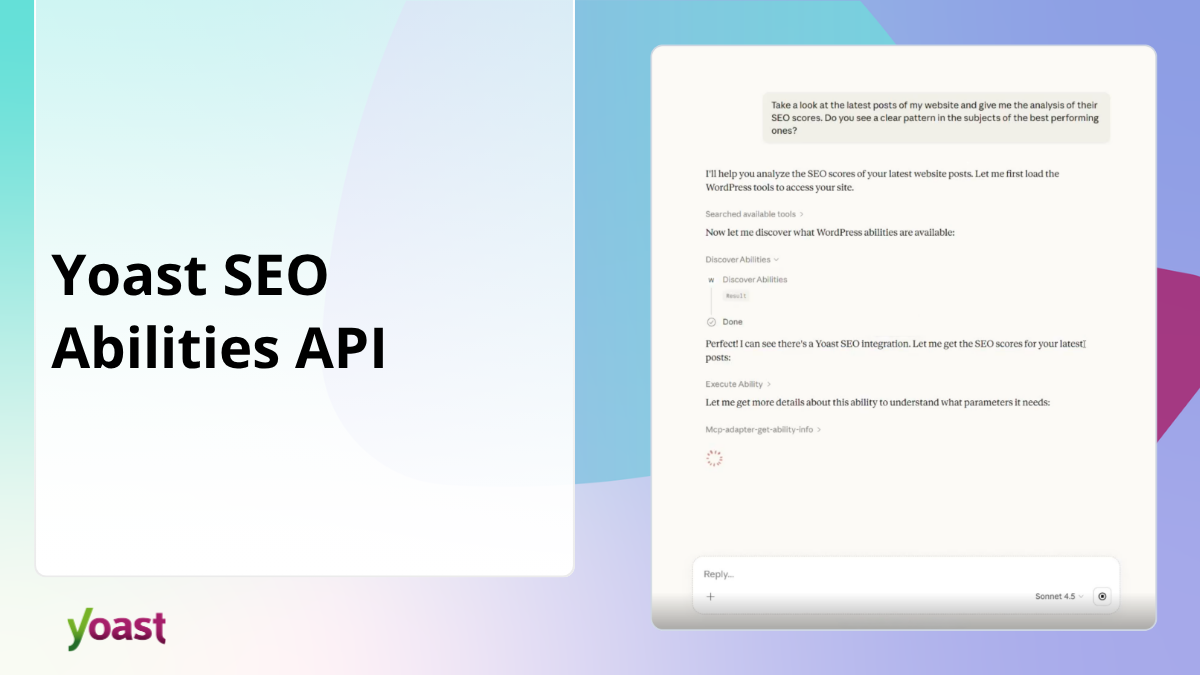
Yoast SEO, established in 2010, has consistently evolved alongside WordPress. From its initial focus on on-page SEO analysis and meta-data management, it has grown to include readability analysis, schema markup integration, and robust XML sitemap generation. Each major WordPress update has seen Yoast SEO adapt and often lead in leveraging new core functionalities. This latest integration with the Abilities API is a natural progression, demonstrating Yoast’s foresight in anticipating the needs of a digital landscape increasingly dominated by AI and automation. It positions Yoast not just as an SEO tool, but as a crucial data layer for intelligent content systems within the WordPress ecosystem.
Industry Context and Supporting Data
The timing of this integration is particularly pertinent given the explosive growth of AI in content marketing and SEO. Reports indicate that over 80% of marketing executives believe AI will revolutionize their industry, with significant investments flowing into AI-powered content generation, optimization, and analytics tools. The global AI in marketing market size, valued at billions, is projected to grow exponentially in the coming years. Furthermore, automation is a key driver for efficiency, with businesses continually seeking ways to reduce manual tasks and free up resources for strategic initiatives.
WordPress, commanding over 65% of the CMS market share, represents a vast ecosystem where such integrations can have a monumental impact. Yoast SEO, with over 5 million active installations, is arguably the most widely used SEO plugin for WordPress. This combined reach means that the Yoast SEO Abilities connector has the potential to influence how a significant portion of the internet’s content is optimized and managed.
In the competitive landscape of SEO tools, this move positions Yoast SEO as a forward-thinking leader. While many tools offer AI integrations, the seamless, API-first approach directly within the WordPress core offers a distinct advantage, reducing friction and increasing accessibility for a broad user base.
Statements and Anticipated Reactions
While specific quotes from Yoast SEO leadership or WordPress core contributors were not provided in the original text, we can infer the strategic intent and anticipated reception.
Beth Parker, Product Marketing Manager at Yoast, whose avatar was present in the original article, would likely emphasize the user-centric benefits. "Our goal at Yoast has always been to make SEO accessible and effective for everyone," Parker might state. "The integration with the WordPress Abilities API is a testament to this commitment. It empowers our users to leverage the latest advancements in AI and automation, transforming how they optimize content. This isn’t just about scores; it’s about enabling smarter workflows and ultimately, better search performance without the previous technical hurdles."
From a broader WordPress perspective, a core contributor might highlight the success of the Abilities API vision. "The rapid adoption of the WordPress Abilities API by key ecosystem players like Yoast SEO validates our strategic direction," a hypothetical spokesperson for the WordPress project might comment. "It underscores the platform’s adaptability and readiness for the future of the web, where intelligent agents and seamless data exchange are paramount. This collaboration demonstrates the power of an open-source community to drive innovation that benefits millions."
The developer community is expected to welcome this development with enthusiasm. Developers and agencies will appreciate the standardized access to Yoast data, enabling them to build custom solutions and integrations far more rapidly. Content marketers and SEO professionals will benefit from the increased efficiency and accuracy that automated systems can bring to their daily tasks, allowing them to focus on high-level strategy rather than repetitive optimization checks.
Broader Impact and Implications
The integration of Yoast SEO with the WordPress Abilities API carries profound implications for the future of content optimization and the broader digital ecosystem:
- Elevating the Role of AI in SEO: This move solidifies AI’s role not just as a tool for content generation but as an intrinsic component of content optimization and strategy. It shifts the paradigm from AI suggesting improvements to AI executing or facilitating them autonomously based on real-time data.
- Enhancing Human-AI Collaboration: Rather than replacing human expertise, this integration enhances it. AI can handle the repetitive, data-gathering, and initial optimization tasks, freeing human SEO specialists and content creators to focus on strategic thinking, creative content development, and complex problem-solving. It fosters a synergistic relationship where humans guide the AI, and the AI provides continuous, data-driven support.
- Strengthening WordPress as an Enterprise-Grade Platform: By offering robust API access to critical SEO data, WordPress further entrenches its position as a highly capable and extensible platform for enterprise-level content management. This caters to businesses requiring sophisticated automation and integration capabilities, often found in more expensive, proprietary CMS solutions.
- Democratizing Advanced SEO: The "it just works" philosophy of the connector lowers the barrier to entry for advanced SEO practices. Small businesses and individual bloggers can potentially leverage sophisticated AI tools that integrate seamlessly with Yoast, gaining access to optimization capabilities previously reserved for larger organizations with dedicated development teams.
- Spurring Ecosystem Innovation: This integration is likely to catalyze the development of new tools, plugins, and services built atop the Yoast SEO Abilities. Third-party developers can now create innovative solutions that tap into this rich data source, leading to an even more vibrant and functional WordPress ecosystem centered around intelligent content.
For those eager to delve into the technical specifics, Yoast has provided comprehensive developer documentation for the Yoast SEO Abilities. This resource offers insights into the code, data schema, and full technical details on how to utilize these new endpoints, ensuring that developers have all the necessary information to build powerful, integrated solutions.
In conclusion, the launch of the Yoast SEO Abilities connector, synchronized with WordPress 6.9, represents a landmark moment in the evolution of digital content strategy. It signals a definitive move towards a more automated, intelligent, and interconnected web, where SEO is not an afterthought but an inherent, continuously optimized component of content creation, managed seamlessly through the power of AI and advanced automation. This development promises to streamline workflows, enhance decision-making, and ultimately drive superior online visibility for millions of WordPress users worldwide.